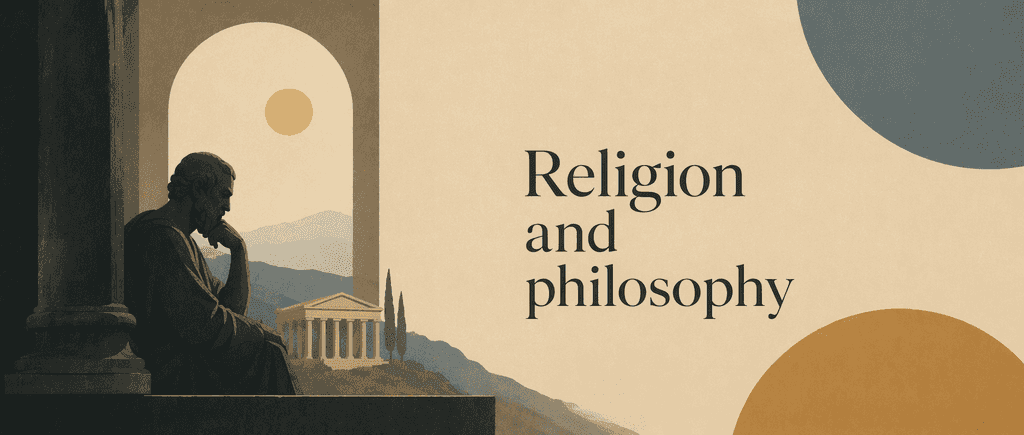
Bridging the Sacred: Anthropology Meets Theology
Explore the evolving relationship between social science and faith as we bridge the secular-sacred divide to understand human flourishing and the origins of the sacred.

Bridging the Sacred: Anthropology Meets Theology最佳语录
If you ignore how a believer actually experiences the sacred, you’re only getting half the story of the human condition. Studying humans without studying religion is like trying to study a bird without looking at its wings.
Generated by annie
I want to learn about sociology and anthropology and theology


常见问题
The epistemology of witness is a conversational framework where anthropologists and theologians engage as peers rather than treating religious practitioners as mere specimens. Instead of a secular scientist observing a "subject" through a microscope, both parties "witness" to their own truths while deeply listening to the other. This approach moves the relationship from one of clinical study to active dialogue, allowing researchers to account for the actual lived experience and "scriptural" theology of believers rather than ignoring them to maintain a strictly empirical facade.
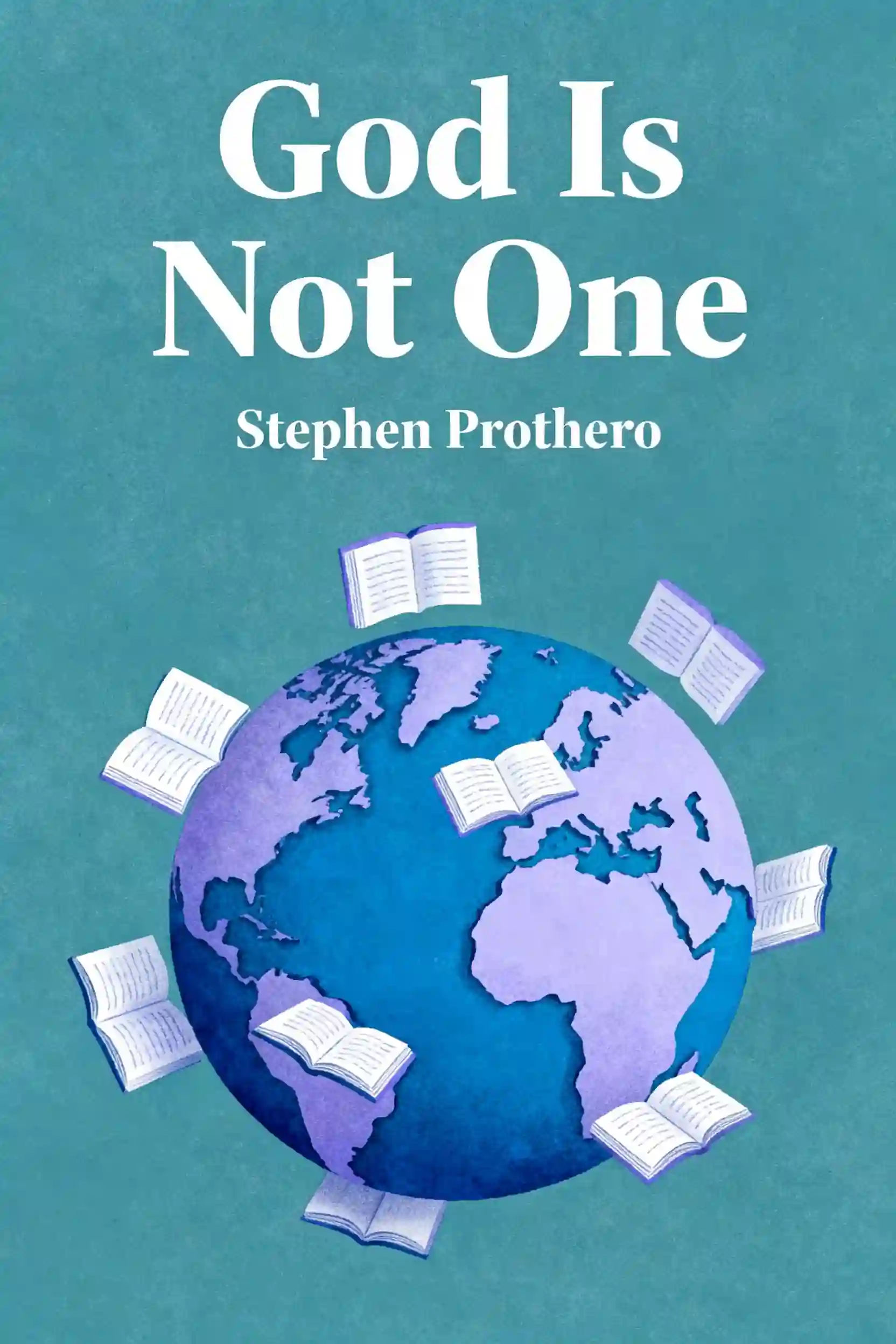
Researchers used "Random Allocation Games" to measure impartial fairness across diverse societies, finding that belief in "moralizing, punitive, and knowing" gods acts as a form of "supernatural monitoring." When people believe a powerful deity is watching and will punish unfair behavior, they are more likely to act honestly toward "distant co-religionists"—strangers they will never meet. This "celestial security camera" effect allowed human groups to scale up from small tribes to large, cooperative civilizations by providing a shared normative framework that enforced rules even when no human authority was watching.
Developed by Eric Gans and based on the work of René Girard, the "originary scene" is a hypothesis about the birth of human language and the sacred. It imagines a group of proto-humans surrounding a desired object, such as a food source, where the tension of potential violence is broken when one individual makes an "aborted gesture of appropriation." This gesture—a sign that says "I want this" but stops short of grabbing it—creates a deferral of violence. In this moment, the object becomes "sacred" and the gesture becomes the first instance of symbolic language, marking the transition from animal instinct to human culture.
According to the secularization hypothesis, as societies become more "existentially secure" through stable governments, police forces, and welfare states, the functional need for a punitive "moralizing god" to monitor behavior decreases. However, the "sense of the sacred" does not disappear; it simply shifts. While people may reject the formal dogma of organized religion, they still seek the "communitas" and neurological benefits of spiritual practices—like meditation or trance—to maintain internal health and connection to the world. This suggests that humans remain "wired" for the sacred even when traditional religious institutions decline.
"Instead of endless scrolling, I just hit play on BeFreed. It saves me so much time."


"I never knew where to start with nonfiction—BeFreed’s book lists turned into podcasts gave me a clear path."


"Perfect balance between learning and entertainment. Finished ‘Thinking, Fast and Slow’ on my commute this week."
"Crazy how much I learned while walking the dog. BeFreed = small habits → big gains."
"Reading used to feel like a chore. Now it’s just part of my lifestyle."

"Feels effortless compared to reading. I’ve finished 6 books this month already."
"BeFreed turned my guilty doomscrolling into something that feels productive and inspiring."

"BeFreed turned my commute into learning time. 20-min podcasts are perfect for finishing books I never had time for."
"BeFreed replaced my podcast queue. Imagine Spotify for books — that’s it. 🙌"

"It is great for me to learn something from the book without reading it."
"The themed book list podcasts help me connect ideas across authors—like a guided audio journey."
"Makes me feel smarter every time before going to work"
"Instead of endless scrolling, I just hit play on BeFreed. It saves me so much time."
"I never knew where to start with nonfiction—BeFreed’s book lists turned into podcasts gave me a clear path."
"Perfect balance between learning and entertainment. Finished ‘Thinking, Fast and Slow’ on my commute this week."
"Crazy how much I learned while walking the dog. BeFreed = small habits → big gains."
"Reading used to feel like a chore. Now it’s just part of my lifestyle."
"Feels effortless compared to reading. I’ve finished 6 books this month already."
"BeFreed turned my guilty doomscrolling into something that feels productive and inspiring."
"BeFreed turned my commute into learning time. 20-min podcasts are perfect for finishing books I never had time for."
"BeFreed replaced my podcast queue. Imagine Spotify for books — that’s it. 🙌"
"It is great for me to learn something from the book without reading it."
"The themed book list podcasts help me connect ideas across authors—like a guided audio journey."
"Makes me feel smarter every time before going to work"
"Instead of endless scrolling, I just hit play on BeFreed. It saves me so much time."
"I never knew where to start with nonfiction—BeFreed’s book lists turned into podcasts gave me a clear path."
"Perfect balance between learning and entertainment. Finished ‘Thinking, Fast and Slow’ on my commute this week."
"Crazy how much I learned while walking the dog. BeFreed = small habits → big gains."
"Reading used to feel like a chore. Now it’s just part of my lifestyle."
"Feels effortless compared to reading. I’ve finished 6 books this month already."
"BeFreed turned my guilty doomscrolling into something that feels productive and inspiring."
"BeFreed turned my commute into learning time. 20-min podcasts are perfect for finishing books I never had time for."
"BeFreed replaced my podcast queue. Imagine Spotify for books — that’s it. 🙌"
"It is great for me to learn something from the book without reading it."
"The themed book list podcasts help me connect ideas across authors—like a guided audio journey."
"Makes me feel smarter every time before going to work"
"Instead of endless scrolling, I just hit play on BeFreed. It saves me so much time."
"I never knew where to start with nonfiction—BeFreed’s book lists turned into podcasts gave me a clear path."
"Perfect balance between learning and entertainment. Finished ‘Thinking, Fast and Slow’ on my commute this week."
"Crazy how much I learned while walking the dog. BeFreed = small habits → big gains."
"Reading used to feel like a chore. Now it’s just part of my lifestyle."
"Feels effortless compared to reading. I’ve finished 6 books this month already."
"BeFreed turned my guilty doomscrolling into something that feels productive and inspiring."
"BeFreed turned my commute into learning time. 20-min podcasts are perfect for finishing books I never had time for."
"BeFreed replaced my podcast queue. Imagine Spotify for books — that’s it. 🙌"
"It is great for me to learn something from the book without reading it."
"The themed book list podcasts help me connect ideas across authors—like a guided audio journey."
"Makes me feel smarter every time before going to work"