Break the Cycle: From Late-Night Scrolling to Body Recomp
Discover how to end the loop of revenge bedtime procrastination, emotional eating, and influencer comparison. Learn the biological secrets to reclaiming your sleep and staying on track with your fitness goals.

Break the Cycle: From Late-Night Scrolling to Body Recomp最佳语录
It’s about moving from 'I need more discipline' to 'I need better timing.' When we align our eating and sleeping with our natural light-dark cycles, the need to binge often starts to dissipate on its own.
Generated by Freedee_077C3D93
How to stop binge eating at night thinking of food all the time sleeping late and stop scrolling because it takes a toll on my mental health comparing myself to influencers like emreigh courtly or the kalogeras sisters. I waste so much time online and I end up sleeping late because of that and I also do that to procrastinate my homework I'm trying to bodybrecomp and go on a fat loss muscle building journey but my self discipline and self doubt stops me

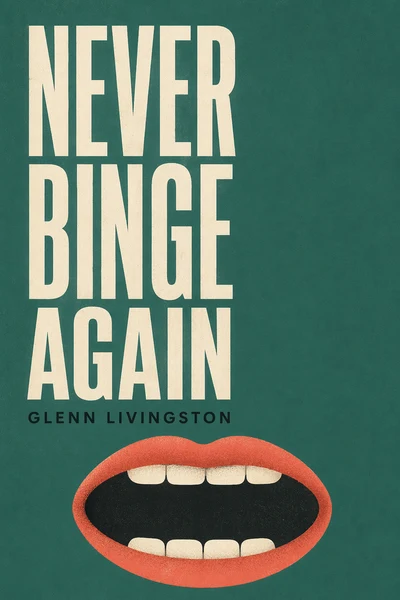
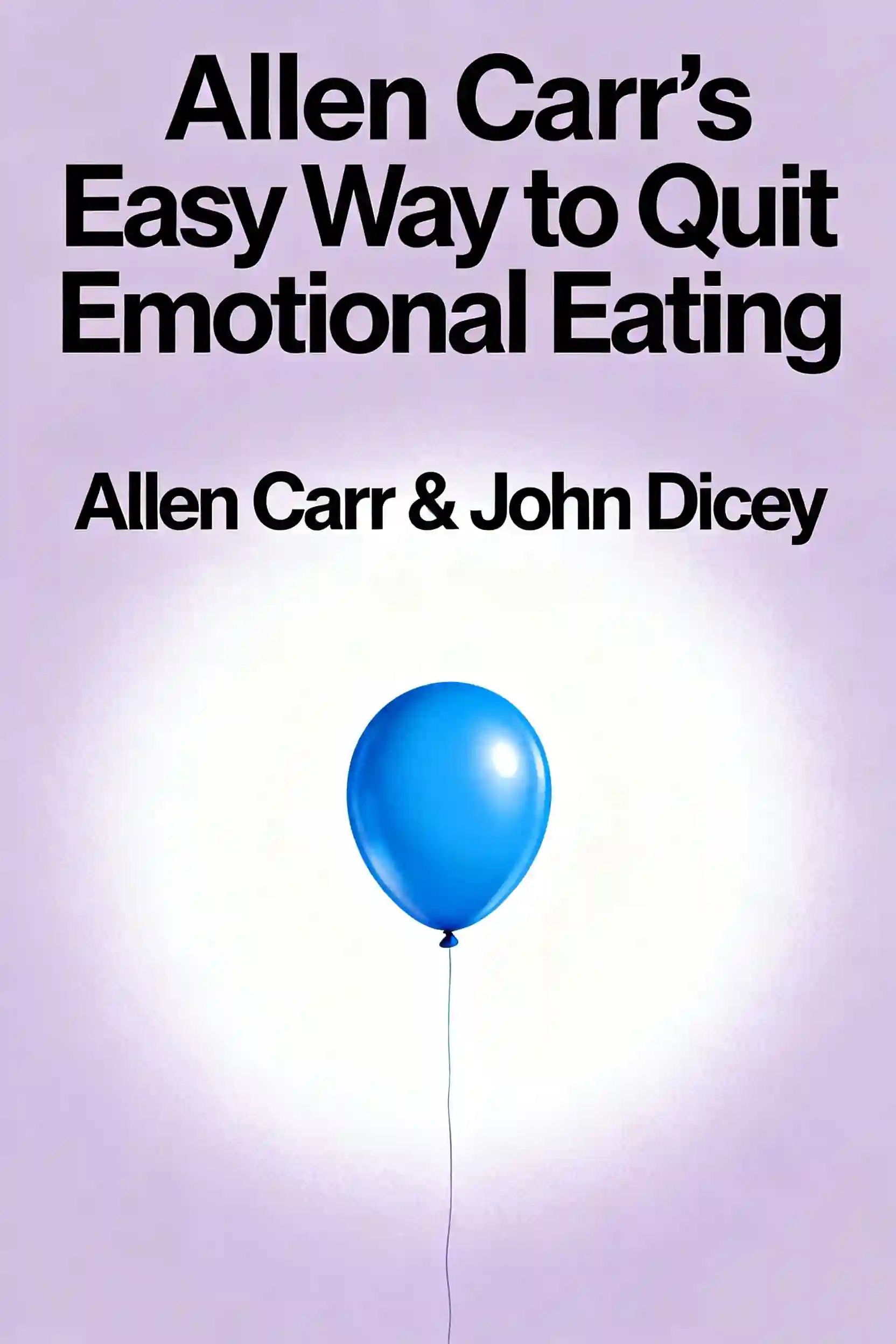
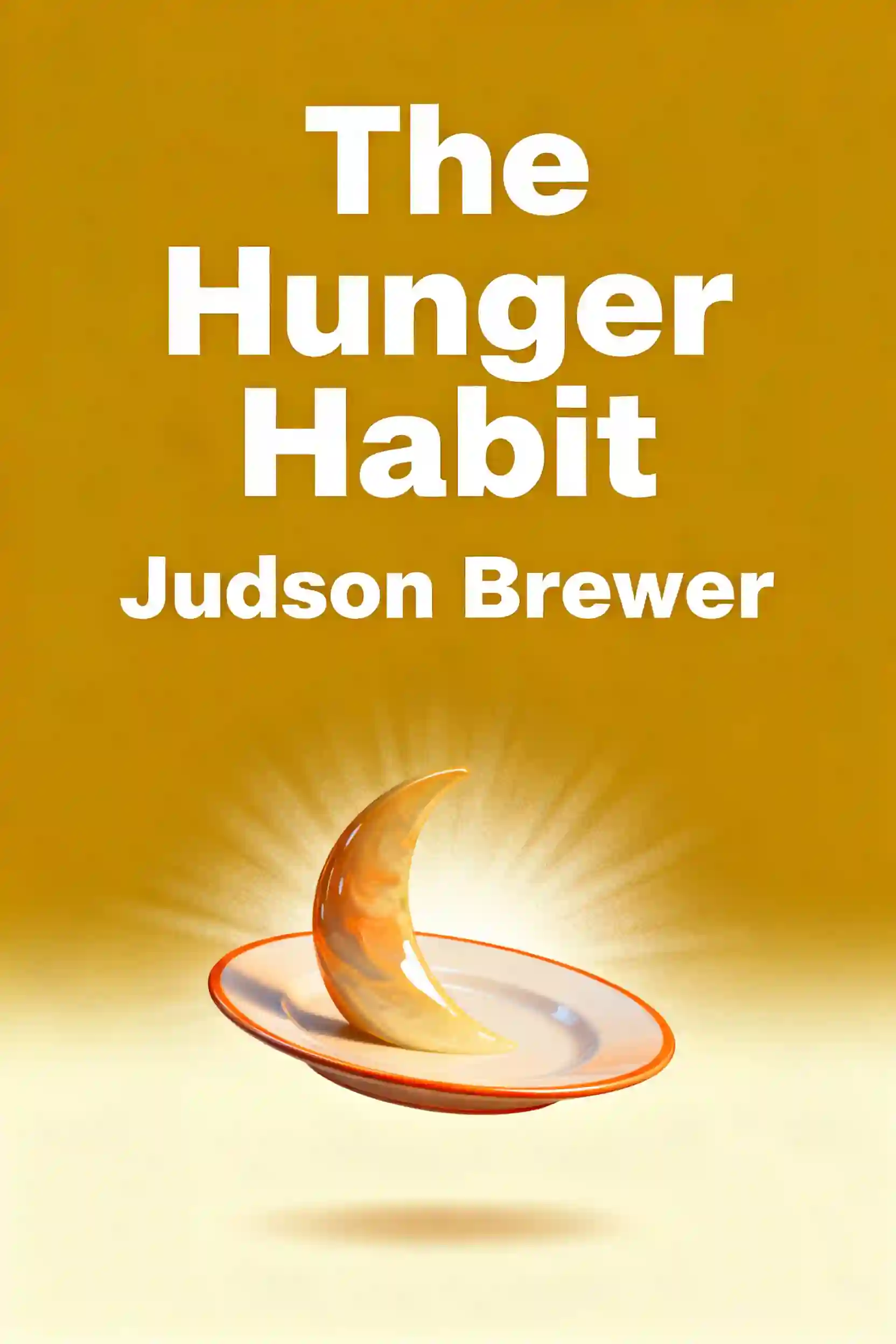
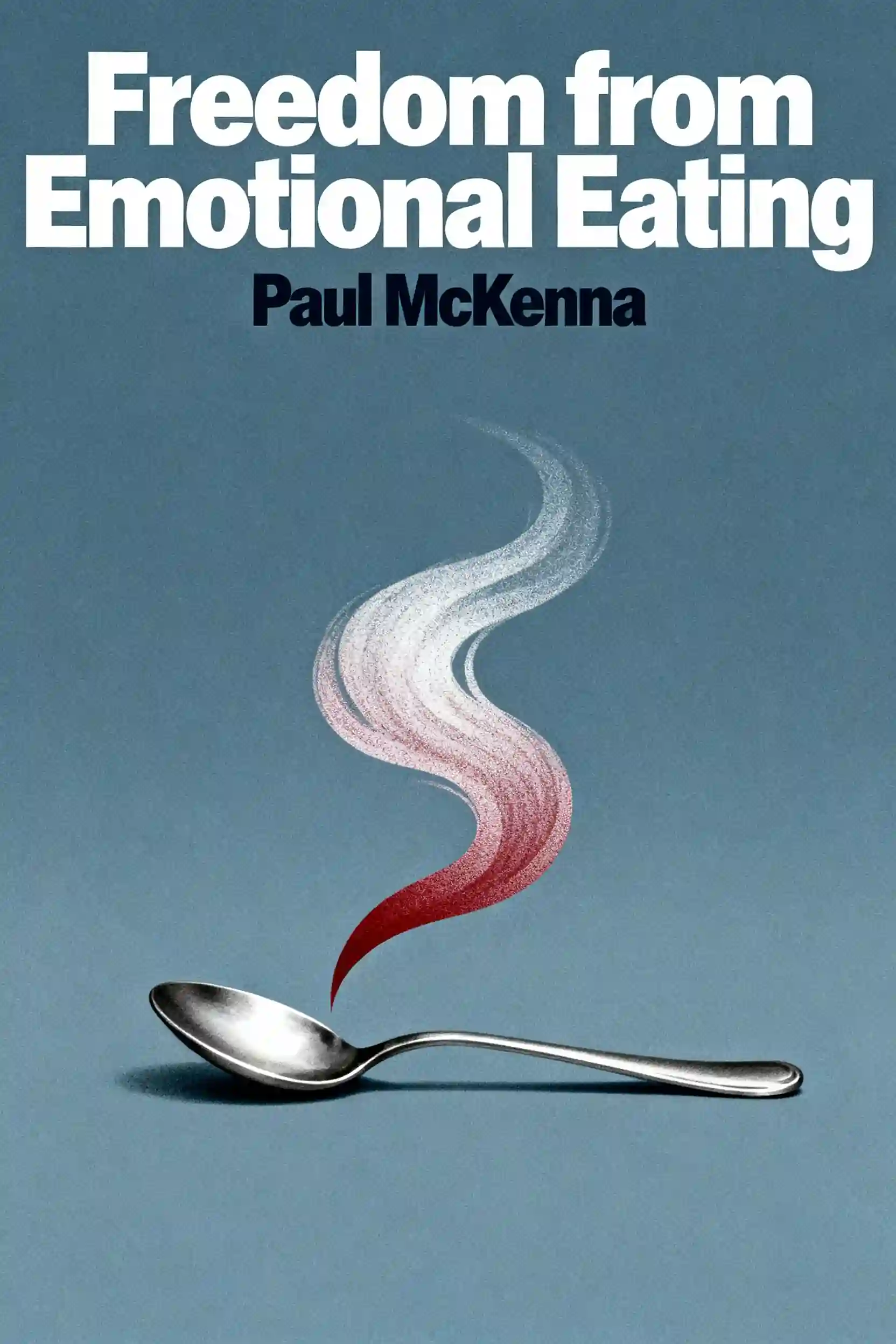
常见问题
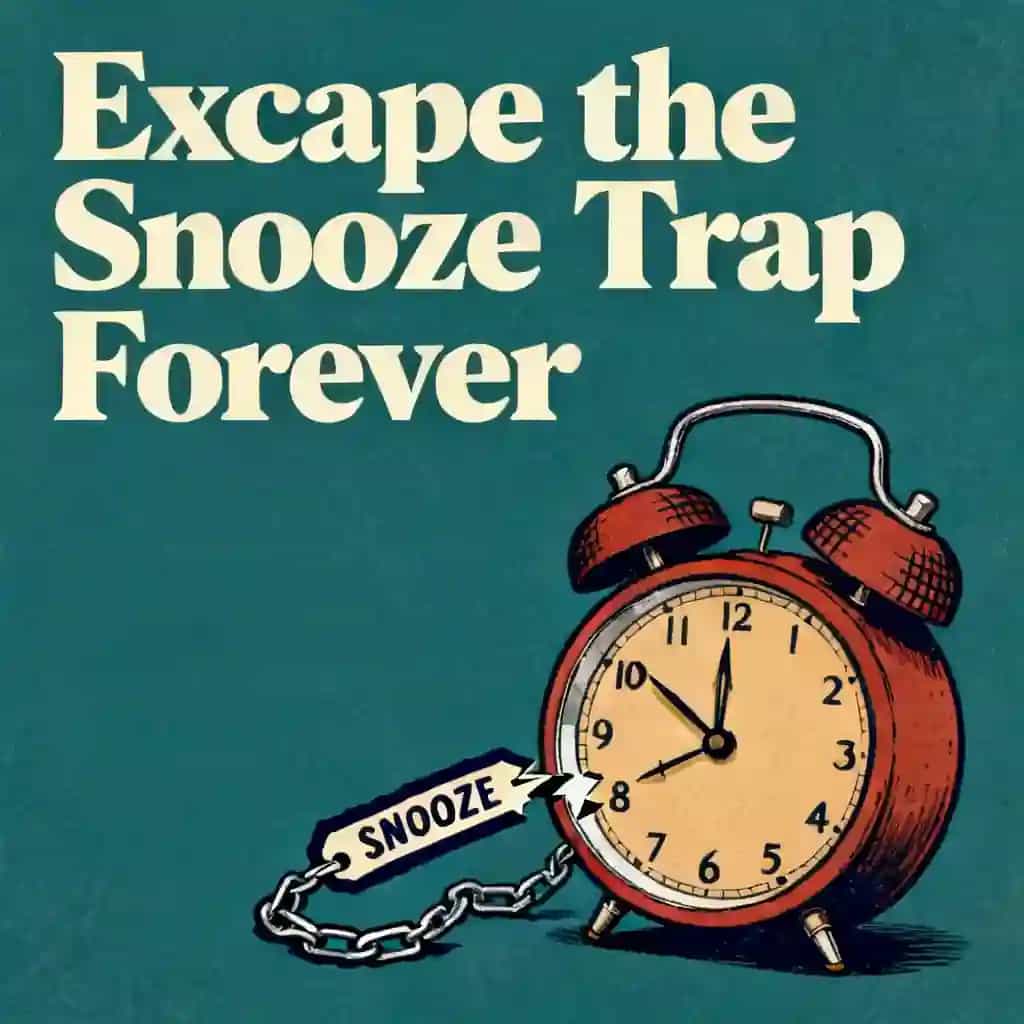
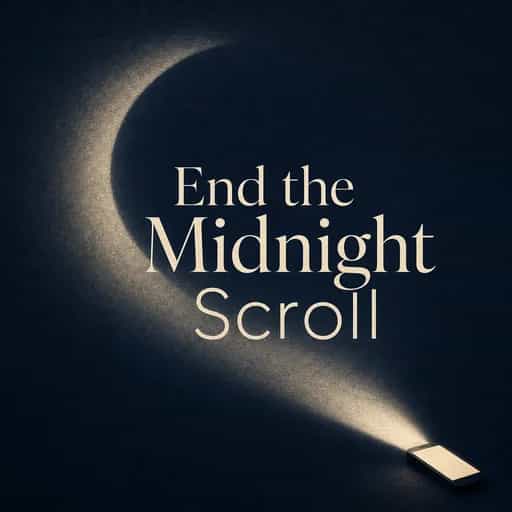
Revenge bedtime procrastination is a psychological phenomenon where individuals stay up late as a quiet rebellion against a day where they felt a lack of control or autonomy. After spending the day meeting the demands of school, work, or others' expectations, the late-night hours feel like the only time that truly belongs to the individual. This leads to a "procrastination scroll" on social media as a way to reclaim personal time, even though it often results in exhaustion and guilt the following day.
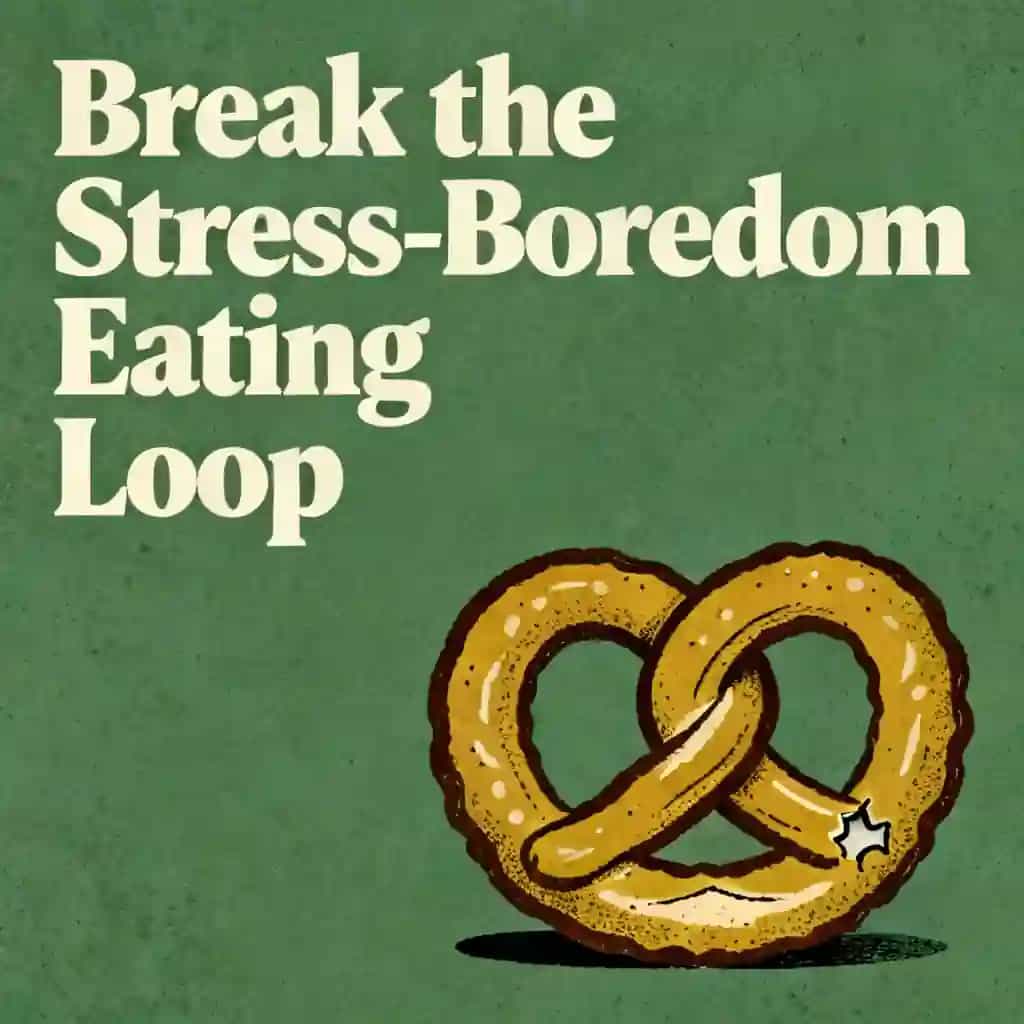
A single night of poor sleep can cause a significant biological shift in the hormones that regulate appetite. Specifically, sleep deprivation leads to a spike in ghrelin, the hormone that triggers hunger, and a drop in leptin, the hormone that signals fullness. This hormonal imbalance creates "food noise" and drives the body to crave high-carb, quick-energy snacks late at night to compensate for the energy the brain thinks it is losing by staying awake.
Scrolling through social media often leads to "upward comparison," where users measure themselves against highly curated, filtered, and edited images of influencers. This triggers "body checking" and anxiety, which often drives people to seek comfort in food. Furthermore, for those trying to build muscle and lose fat, staying up late to scroll stalls physical progress because muscle synthesis and fat oxidation primarily occur during deep sleep.
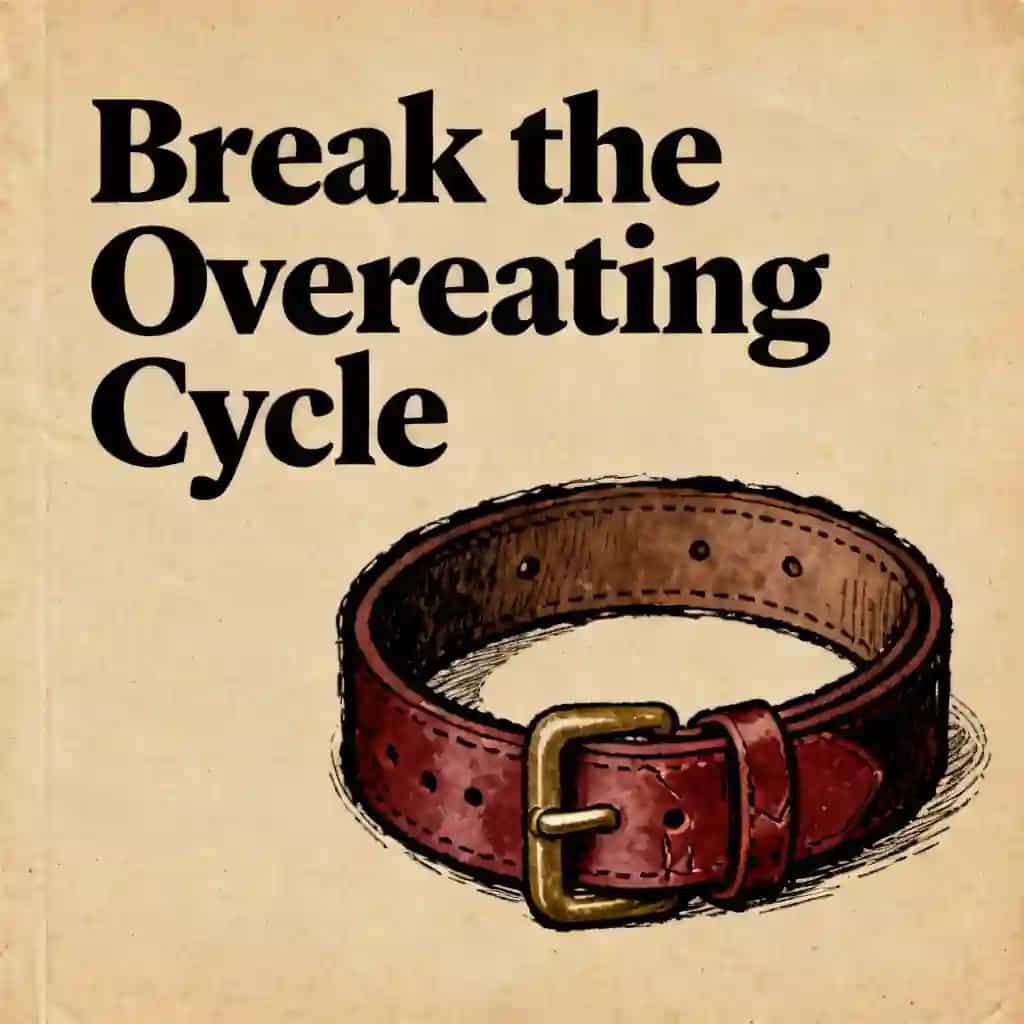
Mechanical eating is a strategy used to stabilize blood sugar and reduce decision fatigue by establishing a predictable rhythm of three meals and two to three snacks a day, spaced no more than three to four hours apart. By ensuring the body is properly fueled with protein and fiber during the day, you prevent the "metabolic debt" and physiological hunger spikes that lead to nighttime binging. It shifts the focus of discipline from "not eating" at night to "properly fueling" during the morning and afternoon.
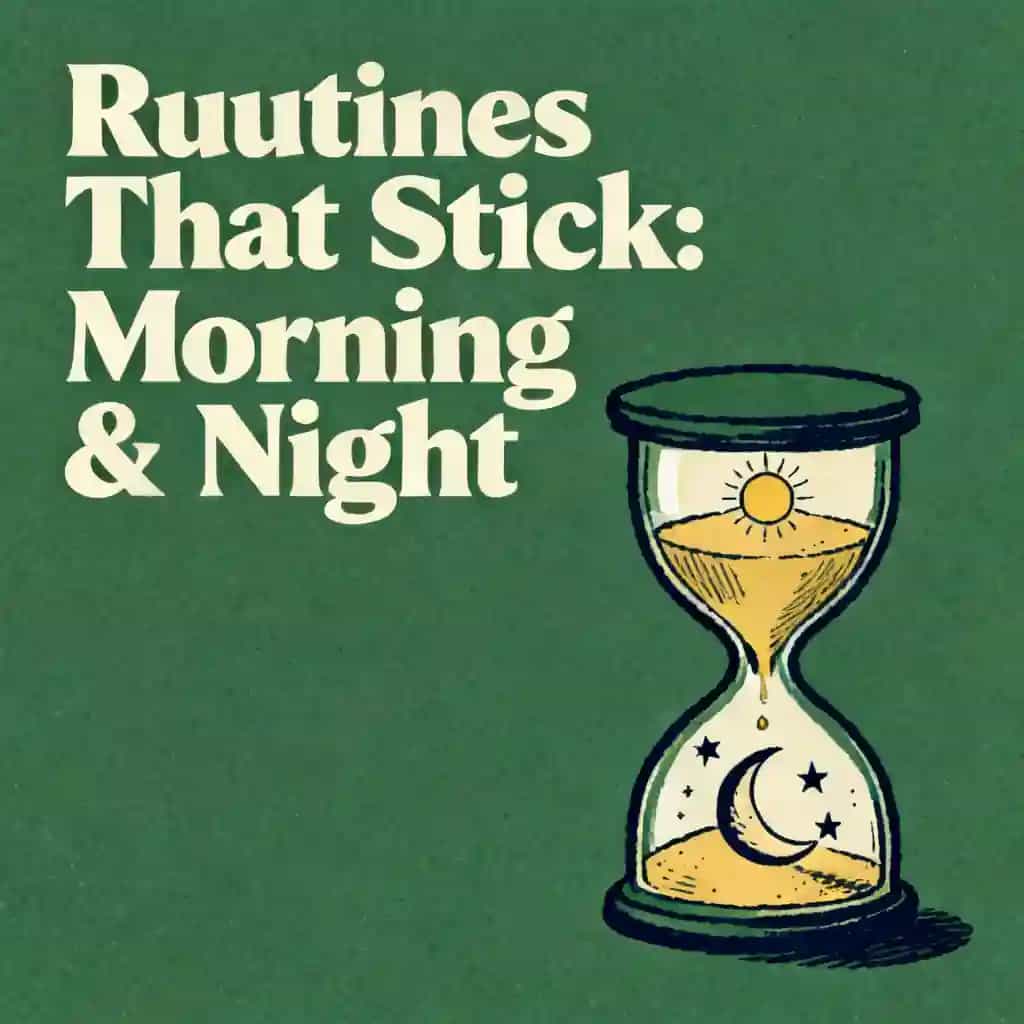
The script recommends several "stimulus control" strategies, such as implementing a digital curfew where the phone is charged in another room an hour before bed. To break the association between the bed and food, you should never eat in the bedroom. Additionally, you can use "urge surfing" to wait out cravings or replace the "revenge" of scrolling with a "non-food ritual," such as reading a physical book, journaling, or taking a warm shower to signal to the brain that it is time to wind down.
由哥伦比亚大学校友在旧金山创建
"Instead of endless scrolling, I just hit play on BeFreed. It saves me so much time."


"I never knew where to start with nonfiction—BeFreed’s book lists turned into podcasts gave me a clear path."


"Perfect balance between learning and entertainment. Finished ‘Thinking, Fast and Slow’ on my commute this week."
"Crazy how much I learned while walking the dog. BeFreed = small habits → big gains."
"Reading used to feel like a chore. Now it’s just part of my lifestyle."

"Feels effortless compared to reading. I’ve finished 6 books this month already."
"BeFreed turned my guilty doomscrolling into something that feels productive and inspiring."

"BeFreed turned my commute into learning time. 20-min podcasts are perfect for finishing books I never had time for."
"BeFreed replaced my podcast queue. Imagine Spotify for books — that’s it. 🙌"

"It is great for me to learn something from the book without reading it."
"The themed book list podcasts help me connect ideas across authors—like a guided audio journey."
"Makes me feel smarter every time before going to work"
 Ask ChatGPT
 Ask Claude
由哥伦比亚大学校友在旧金山创建
"Instead of endless scrolling, I just hit play on BeFreed. It saves me so much time."
"I never knew where to start with nonfiction—BeFreed’s book lists turned into podcasts gave me a clear path."
"Perfect balance between learning and entertainment. Finished ‘Thinking, Fast and Slow’ on my commute this week."
"Crazy how much I learned while walking the dog. BeFreed = small habits → big gains."
"Reading used to feel like a chore. Now it’s just part of my lifestyle."
"Feels effortless compared to reading. I’ve finished 6 books this month already."
"BeFreed turned my guilty doomscrolling into something that feels productive and inspiring."
"BeFreed turned my commute into learning time. 20-min podcasts are perfect for finishing books I never had time for."
"BeFreed replaced my podcast queue. Imagine Spotify for books — that’s it. 🙌"
"It is great for me to learn something from the book without reading it."
"The themed book list podcasts help me connect ideas across authors—like a guided audio journey."
"Makes me feel smarter every time before going to work"
"Instead of endless scrolling, I just hit play on BeFreed. It saves me so much time."
"I never knew where to start with nonfiction—BeFreed’s book lists turned into podcasts gave me a clear path."
"Perfect balance between learning and entertainment. Finished ‘Thinking, Fast and Slow’ on my commute this week."
"Crazy how much I learned while walking the dog. BeFreed = small habits → big gains."
"Reading used to feel like a chore. Now it’s just part of my lifestyle."
"Feels effortless compared to reading. I’ve finished 6 books this month already."
"BeFreed turned my guilty doomscrolling into something that feels productive and inspiring."
"BeFreed turned my commute into learning time. 20-min podcasts are perfect for finishing books I never had time for."
"BeFreed replaced my podcast queue. Imagine Spotify for books — that’s it. 🙌"
"It is great for me to learn something from the book without reading it."
"The themed book list podcasts help me connect ideas across authors—like a guided audio journey."
"Makes me feel smarter every time before going to work"
"Instead of endless scrolling, I just hit play on BeFreed. It saves me so much time."
"I never knew where to start with nonfiction—BeFreed’s book lists turned into podcasts gave me a clear path."
"Perfect balance between learning and entertainment. Finished ‘Thinking, Fast and Slow’ on my commute this week."
"Crazy how much I learned while walking the dog. BeFreed = small habits → big gains."
"Reading used to feel like a chore. Now it’s just part of my lifestyle."
"Feels effortless compared to reading. I’ve finished 6 books this month already."
"BeFreed turned my guilty doomscrolling into something that feels productive and inspiring."
"BeFreed turned my commute into learning time. 20-min podcasts are perfect for finishing books I never had time for."
"BeFreed replaced my podcast queue. Imagine Spotify for books — that’s it. 🙌"
"It is great for me to learn something from the book without reading it."
"The themed book list podcasts help me connect ideas across authors—like a guided audio journey."
"Makes me feel smarter every time before going to work"