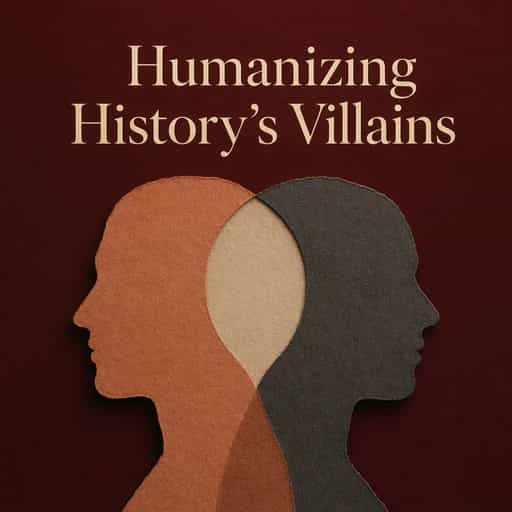
Bizarre history facts and the stories textbooks skip
History is weirder than you think. Explore the strange military blunders and human moments that prove the past is often more chaotic than any textbook.

Bizarre history facts and the stories textbooks skip最佳语录
It’s those bizarre, human moments—the ones that feel too strange to be true—that really bring the past to life. History really shows how the environment, and the small creatures living in it, can shift the balance of power in ways that no general could ever plan for.
Generated by Ola
I want to learn short fun facts about history


常见问题
In November 1942, the German 22nd Tank Division was stationed in reserve with their tanks protected by straw blankets to prevent them from freezing. When the Soviet Red Army launched a major counter-offensive, the German crews discovered that field mice had nested in the straw and chewed through the electrical wiring of the vehicles. This rendered approximately 70 out of 100 tanks inoperable at a critical moment, leading to a massive military failure that even Adolf Hitler later acknowledged in official commands.
During the winter of 1777, the Continental Army was being devastated by smallpox, and Washington suspected the British were intentionally spreading the disease. To combat this, he ordered the mandatory inoculation of the entire army and all new recruits. At the time, this involved deliberately infecting soldiers with a mild case of the virus to build immunity, a controversial and risky move that ultimately saved the revolution from being dismantled by the "calamity" of the disease.
The "Cobra Effect" refers to a historical incident in British-ruled India where the government offered a bounty for dead cobras to reduce the venomous snake population. Instead of solving the problem, citizens began breeding and farming cobras specifically to kill them for the reward. When the government realized they were being scammed and canceled the bounty, the farmers released their now-worthless snakes into the wild, resulting in a cobra population that was significantly larger than when the policy began.
In Medieval Europe, animals were often held to the same legal and moral standards as humans through formal court proceedings. In 1474, a rooster was put on trial for the "unnatural crime" of allegedly laying an egg. The bird was provided with the full weight of the law, including a trial and legal representation, but was ultimately found guilty and publicly executed. This reflected a contemporary worldview that saw all creatures as part of a strict moral framework where they were accountable for their actions.
In the 19th century, before the invention of anesthesia, surgeons like Robert Liston prioritized speed to minimize patient pain. During one particularly fast leg amputation, Liston moved so quickly that he accidentally sliced off his assistant's fingers. Both the patient and the assistant later died from gangrene infections. Additionally, a spectator watching the surgery was so horrified by the event that he suffered a fatal heart attack, resulting in three deaths from a single operation intended to save one life.
"Instead of endless scrolling, I just hit play on BeFreed. It saves me so much time."


"I never knew where to start with nonfiction—BeFreed’s book lists turned into podcasts gave me a clear path."


"Perfect balance between learning and entertainment. Finished ‘Thinking, Fast and Slow’ on my commute this week."
"Crazy how much I learned while walking the dog. BeFreed = small habits → big gains."
"Reading used to feel like a chore. Now it’s just part of my lifestyle."

"Feels effortless compared to reading. I’ve finished 6 books this month already."
"BeFreed turned my guilty doomscrolling into something that feels productive and inspiring."

"BeFreed turned my commute into learning time. 20-min podcasts are perfect for finishing books I never had time for."
"BeFreed replaced my podcast queue. Imagine Spotify for books — that’s it. 🙌"

"It is great for me to learn something from the book without reading it."
"The themed book list podcasts help me connect ideas across authors—like a guided audio journey."
"Makes me feel smarter every time before going to work"
"Instead of endless scrolling, I just hit play on BeFreed. It saves me so much time."
"I never knew where to start with nonfiction—BeFreed’s book lists turned into podcasts gave me a clear path."
"Perfect balance between learning and entertainment. Finished ‘Thinking, Fast and Slow’ on my commute this week."
"Crazy how much I learned while walking the dog. BeFreed = small habits → big gains."
"Reading used to feel like a chore. Now it’s just part of my lifestyle."
"Feels effortless compared to reading. I’ve finished 6 books this month already."
"BeFreed turned my guilty doomscrolling into something that feels productive and inspiring."
"BeFreed turned my commute into learning time. 20-min podcasts are perfect for finishing books I never had time for."
"BeFreed replaced my podcast queue. Imagine Spotify for books — that’s it. 🙌"
"It is great for me to learn something from the book without reading it."
"The themed book list podcasts help me connect ideas across authors—like a guided audio journey."
"Makes me feel smarter every time before going to work"
"Instead of endless scrolling, I just hit play on BeFreed. It saves me so much time."
"I never knew where to start with nonfiction—BeFreed’s book lists turned into podcasts gave me a clear path."
"Perfect balance between learning and entertainment. Finished ‘Thinking, Fast and Slow’ on my commute this week."
"Crazy how much I learned while walking the dog. BeFreed = small habits → big gains."
"Reading used to feel like a chore. Now it’s just part of my lifestyle."
"Feels effortless compared to reading. I’ve finished 6 books this month already."
"BeFreed turned my guilty doomscrolling into something that feels productive and inspiring."
"BeFreed turned my commute into learning time. 20-min podcasts are perfect for finishing books I never had time for."
"BeFreed replaced my podcast queue. Imagine Spotify for books — that’s it. 🙌"
"It is great for me to learn something from the book without reading it."
"The themed book list podcasts help me connect ideas across authors—like a guided audio journey."
"Makes me feel smarter every time before going to work"
"Instead of endless scrolling, I just hit play on BeFreed. It saves me so much time."
"I never knew where to start with nonfiction—BeFreed’s book lists turned into podcasts gave me a clear path."
"Perfect balance between learning and entertainment. Finished ‘Thinking, Fast and Slow’ on my commute this week."
"Crazy how much I learned while walking the dog. BeFreed = small habits → big gains."
"Reading used to feel like a chore. Now it’s just part of my lifestyle."
"Feels effortless compared to reading. I’ve finished 6 books this month already."
"BeFreed turned my guilty doomscrolling into something that feels productive and inspiring."
"BeFreed turned my commute into learning time. 20-min podcasts are perfect for finishing books I never had time for."
"BeFreed replaced my podcast queue. Imagine Spotify for books — that’s it. 🙌"
"It is great for me to learn something from the book without reading it."
"The themed book list podcasts help me connect ideas across authors—like a guided audio journey."
"Makes me feel smarter every time before going to work"