Autism and the Gut-Brain Axis: Understanding GI Symptoms in ASD
Explore the link between Autism Spectrum Disorder and the gut-brain axis. Learn why individuals with ASD face higher rates of gastrointestinal problems and GI issues.
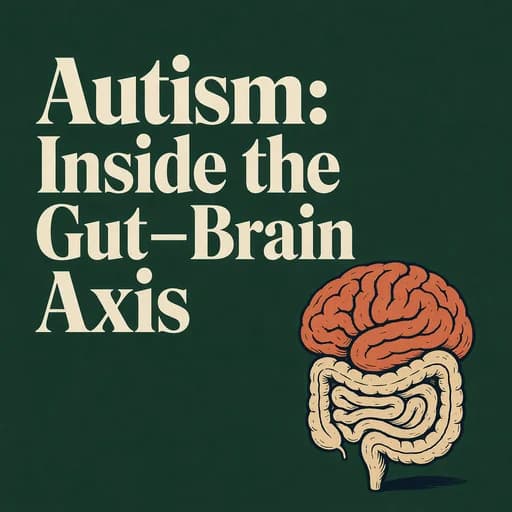
Autism and the Gut-Brain Axis: Understanding GI Symptoms in ASD最佳语录
The gut–brain–microbiota axis isn't just a psychological link where stress causes a stomachache; it is a physical, structural reality where the same genetic blueprint is used to build both your cognitive center and your digestive center.

此音频课程由 BeFreed 社区成员创建
Provide a comprehensive overview of the attached book chapter, 'The Emerging Role of the Gut–Brain–Microbiota Axis in Neurodevelopmental Disorders'. Focus on how gut-brain communication relates to autism spectrum disorder (ASD) and the prevalence of gastrointestinal symptoms in affected individuals.


常见问题
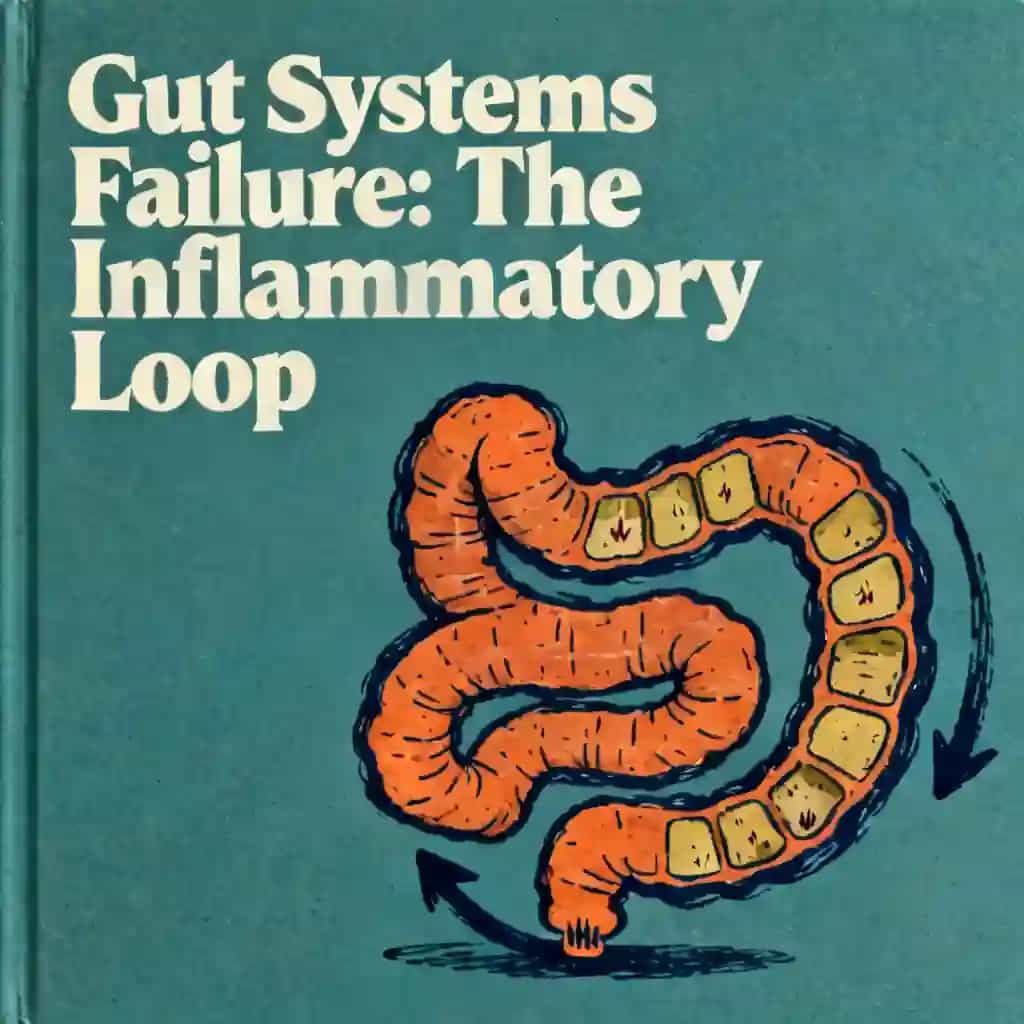
Research indicates a significant link between Autism Spectrum Disorder (ASD) and gastrointestinal problems. While ASD is clinically diagnosed through social communication and repetitive behaviors, individuals with autism are approximately four times more likely to be hospitalized for GI issues like chronic constipation, diarrhea, and reflux compared to neurotypical peers. This suggests that digestive health is closely tied to the neurological profile of the disorder rather than being a secondary concern.
The gut-brain-microbiota axis serves as a complex communication highway connecting the central nervous system to the enteric nervous system, often called the 'second brain' in the digestive tract. In the context of ASD, genetic factors that influence how neurons communicate in the brain may also affect how the gut operates. This bidirectional communication means that neurological health and digestive health are deeply intertwined, influencing the overall quality of life for those on the spectrum.
The enteric nervous system is an intricate network located within the walls of the digestive tract that functions as a second brain. For individuals with an ASD diagnosis, the same genetic 'glitches' affecting the central nervous system may also impact this enteric system. Understanding this relationship is vital because gastrointestinal symptoms are often overlooked as secondary to neurological symptoms, even though they represent a physical struggle that significantly impacts daily functioning.
"Instead of endless scrolling, I just hit play on BeFreed. It saves me so much time."


"I never knew where to start with nonfiction—BeFreed’s book lists turned into podcasts gave me a clear path."


"Perfect balance between learning and entertainment. Finished ‘Thinking, Fast and Slow’ on my commute this week."
"Crazy how much I learned while walking the dog. BeFreed = small habits → big gains."
"Reading used to feel like a chore. Now it’s just part of my lifestyle."

"Feels effortless compared to reading. I’ve finished 6 books this month already."
"BeFreed turned my guilty doomscrolling into something that feels productive and inspiring."

"BeFreed turned my commute into learning time. 20-min podcasts are perfect for finishing books I never had time for."
"BeFreed replaced my podcast queue. Imagine Spotify for books — that’s it. 🙌"

"It is great for me to learn something from the book without reading it."
"The themed book list podcasts help me connect ideas across authors—like a guided audio journey."
"Makes me feel smarter every time before going to work"
"Instead of endless scrolling, I just hit play on BeFreed. It saves me so much time."
"I never knew where to start with nonfiction—BeFreed’s book lists turned into podcasts gave me a clear path."
"Perfect balance between learning and entertainment. Finished ‘Thinking, Fast and Slow’ on my commute this week."
"Crazy how much I learned while walking the dog. BeFreed = small habits → big gains."
"Reading used to feel like a chore. Now it’s just part of my lifestyle."
"Feels effortless compared to reading. I’ve finished 6 books this month already."
"BeFreed turned my guilty doomscrolling into something that feels productive and inspiring."
"BeFreed turned my commute into learning time. 20-min podcasts are perfect for finishing books I never had time for."
"BeFreed replaced my podcast queue. Imagine Spotify for books — that’s it. 🙌"
"It is great for me to learn something from the book without reading it."
"The themed book list podcasts help me connect ideas across authors—like a guided audio journey."
"Makes me feel smarter every time before going to work"
"Instead of endless scrolling, I just hit play on BeFreed. It saves me so much time."
"I never knew where to start with nonfiction—BeFreed’s book lists turned into podcasts gave me a clear path."
"Perfect balance between learning and entertainment. Finished ‘Thinking, Fast and Slow’ on my commute this week."
"Crazy how much I learned while walking the dog. BeFreed = small habits → big gains."
"Reading used to feel like a chore. Now it’s just part of my lifestyle."
"Feels effortless compared to reading. I’ve finished 6 books this month already."
"BeFreed turned my guilty doomscrolling into something that feels productive and inspiring."
"BeFreed turned my commute into learning time. 20-min podcasts are perfect for finishing books I never had time for."
"BeFreed replaced my podcast queue. Imagine Spotify for books — that’s it. 🙌"
"It is great for me to learn something from the book without reading it."
"The themed book list podcasts help me connect ideas across authors—like a guided audio journey."
"Makes me feel smarter every time before going to work"
"Instead of endless scrolling, I just hit play on BeFreed. It saves me so much time."
"I never knew where to start with nonfiction—BeFreed’s book lists turned into podcasts gave me a clear path."
"Perfect balance between learning and entertainment. Finished ‘Thinking, Fast and Slow’ on my commute this week."
"Crazy how much I learned while walking the dog. BeFreed = small habits → big gains."
"Reading used to feel like a chore. Now it’s just part of my lifestyle."
"Feels effortless compared to reading. I’ve finished 6 books this month already."
"BeFreed turned my guilty doomscrolling into something that feels productive and inspiring."
"BeFreed turned my commute into learning time. 20-min podcasts are perfect for finishing books I never had time for."
"BeFreed replaced my podcast queue. Imagine Spotify for books — that’s it. 🙌"
"It is great for me to learn something from the book without reading it."
"The themed book list podcasts help me connect ideas across authors—like a guided audio journey."
"Makes me feel smarter every time before going to work"