Attached: The Science of Adult Attachment
Stuck in the same relationship patterns? Discover how your biological attachment style shapes your love life and how to build a secure, lasting bond.
Attached: The Science of Adult Attachment最佳语录
The dependency paradox suggests that the more effectively we can depend on another person, the more independent and daring we actually become in the rest of our lives.
Generated with BeFreed
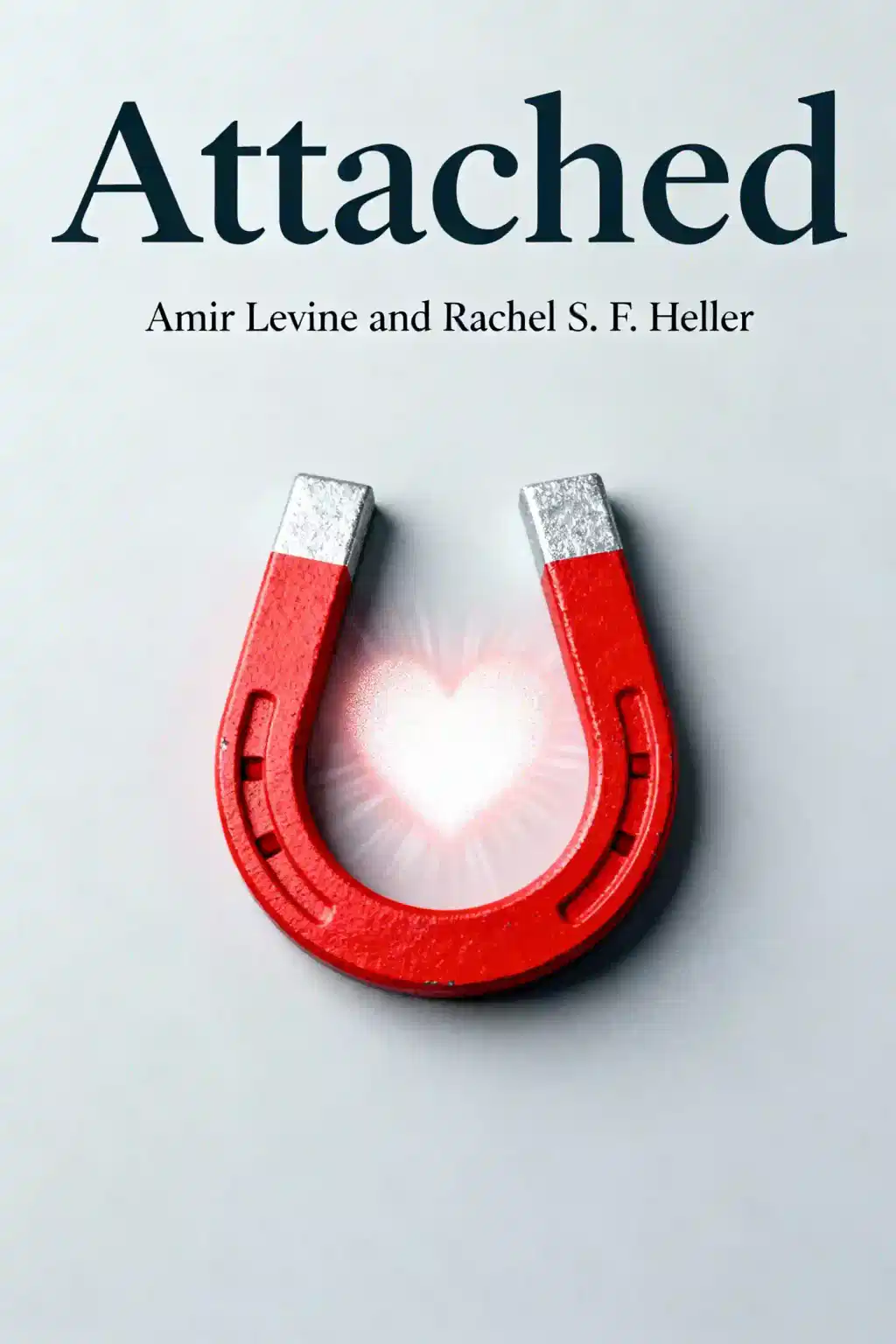
An audio lesson about the book Attached, covering its key ideas and takeaways.


常见问题
The dependency paradox is the idea that being able to depend effectively on a partner actually makes a person more independent and daring in other areas of their life. Contrary to the cultural myth that needing someone is a sign of weakness, having a "secure base" provides the emotional fuel necessary to take risks and conquer challenges in the outside world. When a person feels physiologically and emotionally supported by their partner, they become more resilient and ambitious.
These strategies are subconscious biological responses used to manage intimacy based on one's attachment style. Anxious individuals use activating strategies—such as obsessive thoughts or a frantic need to make contact—to reestablish closeness when they feel a threat of disconnection. In contrast, avoidant individuals use deactivating strategies—like focusing on a partner's minor flaws or idealizing a "phantom ex"—to create emotional distance and protect their sense of autonomy when they feel "suffocated" by intimacy.
This is known as the "anxious-avoidant trap," where the two least compatible styles create a cycle of extreme emotional highs and lows. The avoidant partner’s withdrawal triggers the anxious partner’s need for closeness; when the avoidant partner eventually offers a small amount of affection, it provides the anxious partner with a massive rush of relief. This "rollercoaster" is often mistaken for passion or "true love," even though it is actually a state of biological emergency for the attachment system.
Effective communication involves being honest, assertive, and non-blaming about your needs rather than relying on "protest behaviors" like acting cold or calling repeatedly. It serves as a litmus test because a secure person will respond to direct vulnerability with reassurance and a desire to meet your needs. An avoidant person, however, will often become defensive or dismissive. Using this communication style early on allows you to "dodge emotional bullets" by identifying incompatible partners before becoming deeply attached.
Yes, attachment styles are not fixed for life, and awareness is the first step toward rewiring the brain for a more secure future. By identifying personal patterns of activation or deactivation and emulating "secure role models," individuals can shift their internal working models of love. Practicing secure behaviors, such as direct communication and choosing partners who act as a supportive "secure base," helps transition from reactive, survival-based strategies to healthy, stable connections.
"Instead of endless scrolling, I just hit play on BeFreed. It saves me so much time."


"I never knew where to start with nonfiction—BeFreed’s book lists turned into podcasts gave me a clear path."


"Perfect balance between learning and entertainment. Finished ‘Thinking, Fast and Slow’ on my commute this week."
"Crazy how much I learned while walking the dog. BeFreed = small habits → big gains."
"Reading used to feel like a chore. Now it’s just part of my lifestyle."

"Feels effortless compared to reading. I’ve finished 6 books this month already."
"BeFreed turned my guilty doomscrolling into something that feels productive and inspiring."

"BeFreed turned my commute into learning time. 20-min podcasts are perfect for finishing books I never had time for."
"BeFreed replaced my podcast queue. Imagine Spotify for books — that’s it. 🙌"

"It is great for me to learn something from the book without reading it."
"The themed book list podcasts help me connect ideas across authors—like a guided audio journey."
"Makes me feel smarter every time before going to work"
"Instead of endless scrolling, I just hit play on BeFreed. It saves me so much time."
"I never knew where to start with nonfiction—BeFreed’s book lists turned into podcasts gave me a clear path."
"Perfect balance between learning and entertainment. Finished ‘Thinking, Fast and Slow’ on my commute this week."
"Crazy how much I learned while walking the dog. BeFreed = small habits → big gains."
"Reading used to feel like a chore. Now it’s just part of my lifestyle."
"Feels effortless compared to reading. I’ve finished 6 books this month already."
"BeFreed turned my guilty doomscrolling into something that feels productive and inspiring."
"BeFreed turned my commute into learning time. 20-min podcasts are perfect for finishing books I never had time for."
"BeFreed replaced my podcast queue. Imagine Spotify for books — that’s it. 🙌"
"It is great for me to learn something from the book without reading it."
"The themed book list podcasts help me connect ideas across authors—like a guided audio journey."
"Makes me feel smarter every time before going to work"
"Instead of endless scrolling, I just hit play on BeFreed. It saves me so much time."
"I never knew where to start with nonfiction—BeFreed’s book lists turned into podcasts gave me a clear path."
"Perfect balance between learning and entertainment. Finished ‘Thinking, Fast and Slow’ on my commute this week."
"Crazy how much I learned while walking the dog. BeFreed = small habits → big gains."
"Reading used to feel like a chore. Now it’s just part of my lifestyle."
"Feels effortless compared to reading. I’ve finished 6 books this month already."
"BeFreed turned my guilty doomscrolling into something that feels productive and inspiring."
"BeFreed turned my commute into learning time. 20-min podcasts are perfect for finishing books I never had time for."
"BeFreed replaced my podcast queue. Imagine Spotify for books — that’s it. 🙌"
"It is great for me to learn something from the book without reading it."
"The themed book list podcasts help me connect ideas across authors—like a guided audio journey."
"Makes me feel smarter every time before going to work"
"Instead of endless scrolling, I just hit play on BeFreed. It saves me so much time."
"I never knew where to start with nonfiction—BeFreed’s book lists turned into podcasts gave me a clear path."
"Perfect balance between learning and entertainment. Finished ‘Thinking, Fast and Slow’ on my commute this week."
"Crazy how much I learned while walking the dog. BeFreed = small habits → big gains."
"Reading used to feel like a chore. Now it’s just part of my lifestyle."
"Feels effortless compared to reading. I’ve finished 6 books this month already."
"BeFreed turned my guilty doomscrolling into something that feels productive and inspiring."
"BeFreed turned my commute into learning time. 20-min podcasts are perfect for finishing books I never had time for."
"BeFreed replaced my podcast queue. Imagine Spotify for books — that’s it. 🙌"
"It is great for me to learn something from the book without reading it."
"The themed book list podcasts help me connect ideas across authors—like a guided audio journey."
"Makes me feel smarter every time before going to work"