Mythology of Shang and Zhou Era China: Ancient Legends and Beliefs
Explore the fascinating mythology of Shang and Zhou era China. Learn about ancient legends, religious beliefs, and creation myths from these formative dynasties.

Mythology of Shang and Zhou Era China: Ancient Legends and Beliefs最佳语录
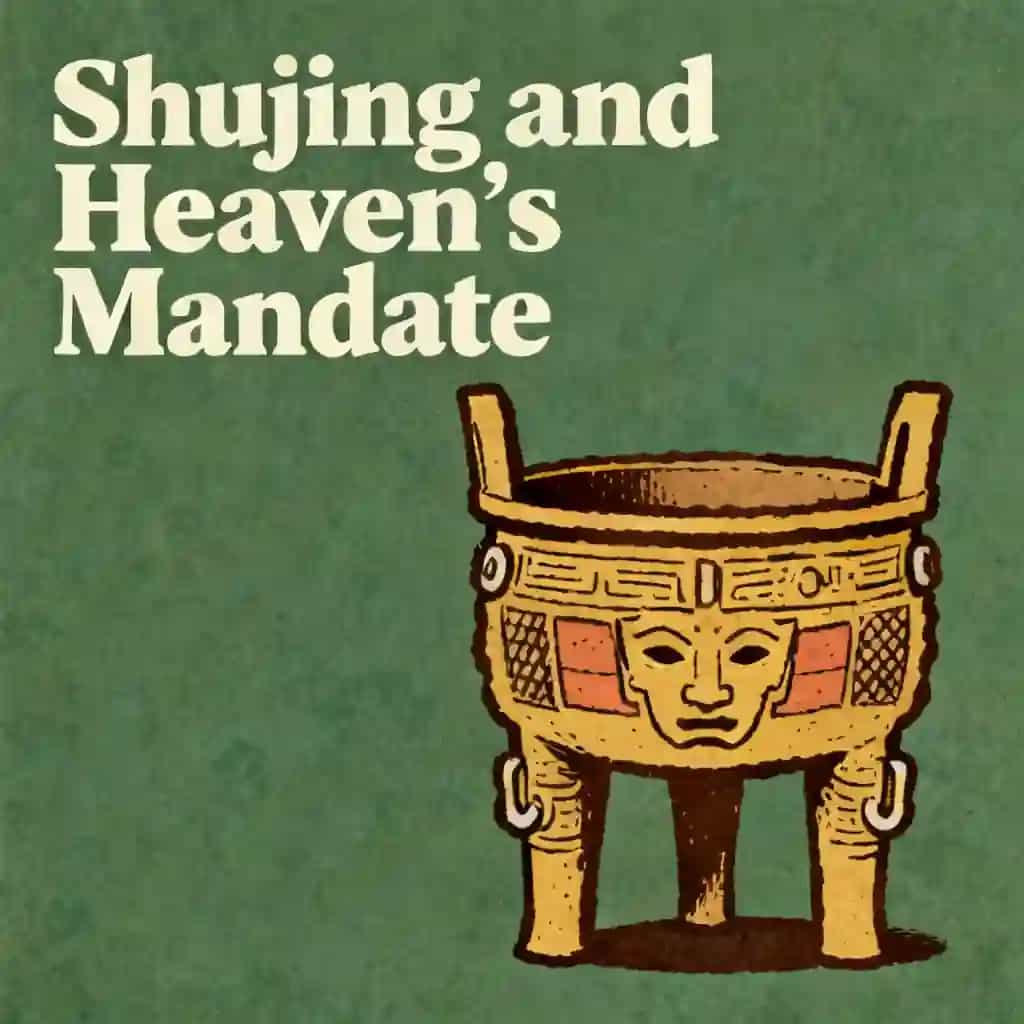
The Zhou revolution introduced the Mandate of Heaven, a transformative idea that tied the legitimacy of the state to the morality of the individual. This shifted the perception of the divine from an unpredictable, personified god to an impartial cosmic law that favors only those who rule with virtue.
Generated by White
Create a lesson on the topic of mythology in Shang and Zhou era China.


常见问题
Shang Dynasty mythology is deeply rooted in ancestral worship and the veneration of a supreme deity known as Di. During this era, religion and mythology were closely tied to the ruling elite, who used oracle bones to communicate with spirits. The mythology of this period often focuses on the divine origins of the royal lineage and the influence of deceased ancestors on the living world, forming a foundation for ancient Chinese religious practices.
Zhou Dynasty legends introduced the influential concept of the Mandate of Heaven, shifting the mythological focus toward moral authority and cosmic order. While the Shang emphasized ancestral intervention, Zhou era folklore often highlighted legendary figures and cultural heroes who established social norms. This period saw the expansion of Chinese creation myths and the integration of diverse local traditions into a more cohesive national mythology that shaped ancient China history for centuries.
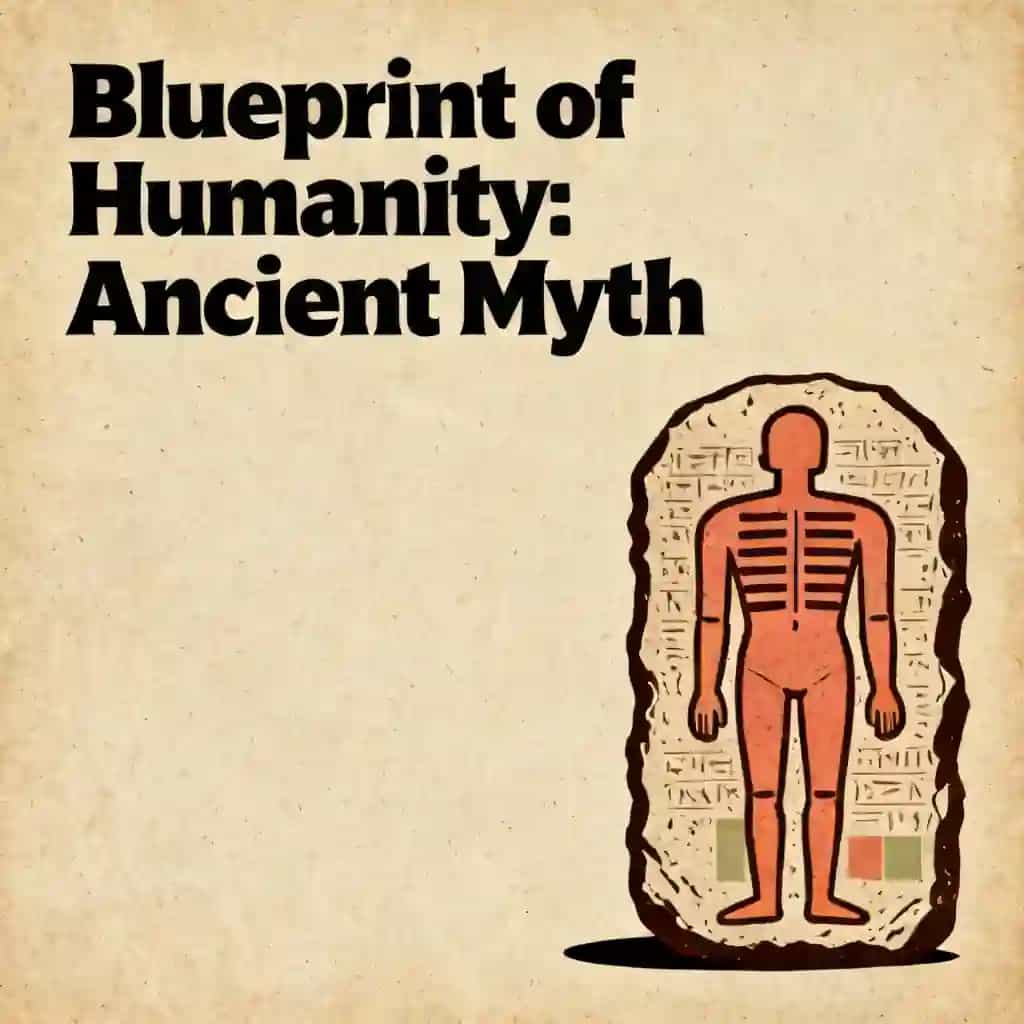
Creation myths in ancient Chinese mythology provided a framework for understanding the universe and the origins of humanity. During the Shang and Zhou eras, these stories evolved to explain the transition from chaos to an ordered society governed by divine principles. These legends often featured primordial beings and cultural innovators who taught humans essential skills like agriculture and writing, blending historical memory with supernatural elements to define the cultural identity of early Chinese civilizations.
"Instead of endless scrolling, I just hit play on BeFreed. It saves me so much time."


"I never knew where to start with nonfiction—BeFreed’s book lists turned into podcasts gave me a clear path."


"Perfect balance between learning and entertainment. Finished ‘Thinking, Fast and Slow’ on my commute this week."
"Crazy how much I learned while walking the dog. BeFreed = small habits → big gains."
"Reading used to feel like a chore. Now it’s just part of my lifestyle."

"Feels effortless compared to reading. I’ve finished 6 books this month already."
"BeFreed turned my guilty doomscrolling into something that feels productive and inspiring."

"BeFreed turned my commute into learning time. 20-min podcasts are perfect for finishing books I never had time for."
"BeFreed replaced my podcast queue. Imagine Spotify for books — that’s it. 🙌"

"It is great for me to learn something from the book without reading it."
"The themed book list podcasts help me connect ideas across authors—like a guided audio journey."
"Makes me feel smarter every time before going to work"
"Instead of endless scrolling, I just hit play on BeFreed. It saves me so much time."
"I never knew where to start with nonfiction—BeFreed’s book lists turned into podcasts gave me a clear path."
"Perfect balance between learning and entertainment. Finished ‘Thinking, Fast and Slow’ on my commute this week."
"Crazy how much I learned while walking the dog. BeFreed = small habits → big gains."
"Reading used to feel like a chore. Now it’s just part of my lifestyle."
"Feels effortless compared to reading. I’ve finished 6 books this month already."
"BeFreed turned my guilty doomscrolling into something that feels productive and inspiring."
"BeFreed turned my commute into learning time. 20-min podcasts are perfect for finishing books I never had time for."
"BeFreed replaced my podcast queue. Imagine Spotify for books — that’s it. 🙌"
"It is great for me to learn something from the book without reading it."
"The themed book list podcasts help me connect ideas across authors—like a guided audio journey."
"Makes me feel smarter every time before going to work"
"Instead of endless scrolling, I just hit play on BeFreed. It saves me so much time."
"I never knew where to start with nonfiction—BeFreed’s book lists turned into podcasts gave me a clear path."
"Perfect balance between learning and entertainment. Finished ‘Thinking, Fast and Slow’ on my commute this week."
"Crazy how much I learned while walking the dog. BeFreed = small habits → big gains."
"Reading used to feel like a chore. Now it’s just part of my lifestyle."
"Feels effortless compared to reading. I’ve finished 6 books this month already."
"BeFreed turned my guilty doomscrolling into something that feels productive and inspiring."
"BeFreed turned my commute into learning time. 20-min podcasts are perfect for finishing books I never had time for."
"BeFreed replaced my podcast queue. Imagine Spotify for books — that’s it. 🙌"
"It is great for me to learn something from the book without reading it."
"The themed book list podcasts help me connect ideas across authors—like a guided audio journey."
"Makes me feel smarter every time before going to work"
"Instead of endless scrolling, I just hit play on BeFreed. It saves me so much time."
"I never knew where to start with nonfiction—BeFreed’s book lists turned into podcasts gave me a clear path."
"Perfect balance between learning and entertainment. Finished ‘Thinking, Fast and Slow’ on my commute this week."
"Crazy how much I learned while walking the dog. BeFreed = small habits → big gains."
"Reading used to feel like a chore. Now it’s just part of my lifestyle."
"Feels effortless compared to reading. I’ve finished 6 books this month already."
"BeFreed turned my guilty doomscrolling into something that feels productive and inspiring."
"BeFreed turned my commute into learning time. 20-min podcasts are perfect for finishing books I never had time for."
"BeFreed replaced my podcast queue. Imagine Spotify for books — that’s it. 🙌"
"It is great for me to learn something from the book without reading it."
"The themed book list podcasts help me connect ideas across authors—like a guided audio journey."
"Makes me feel smarter every time before going to work"