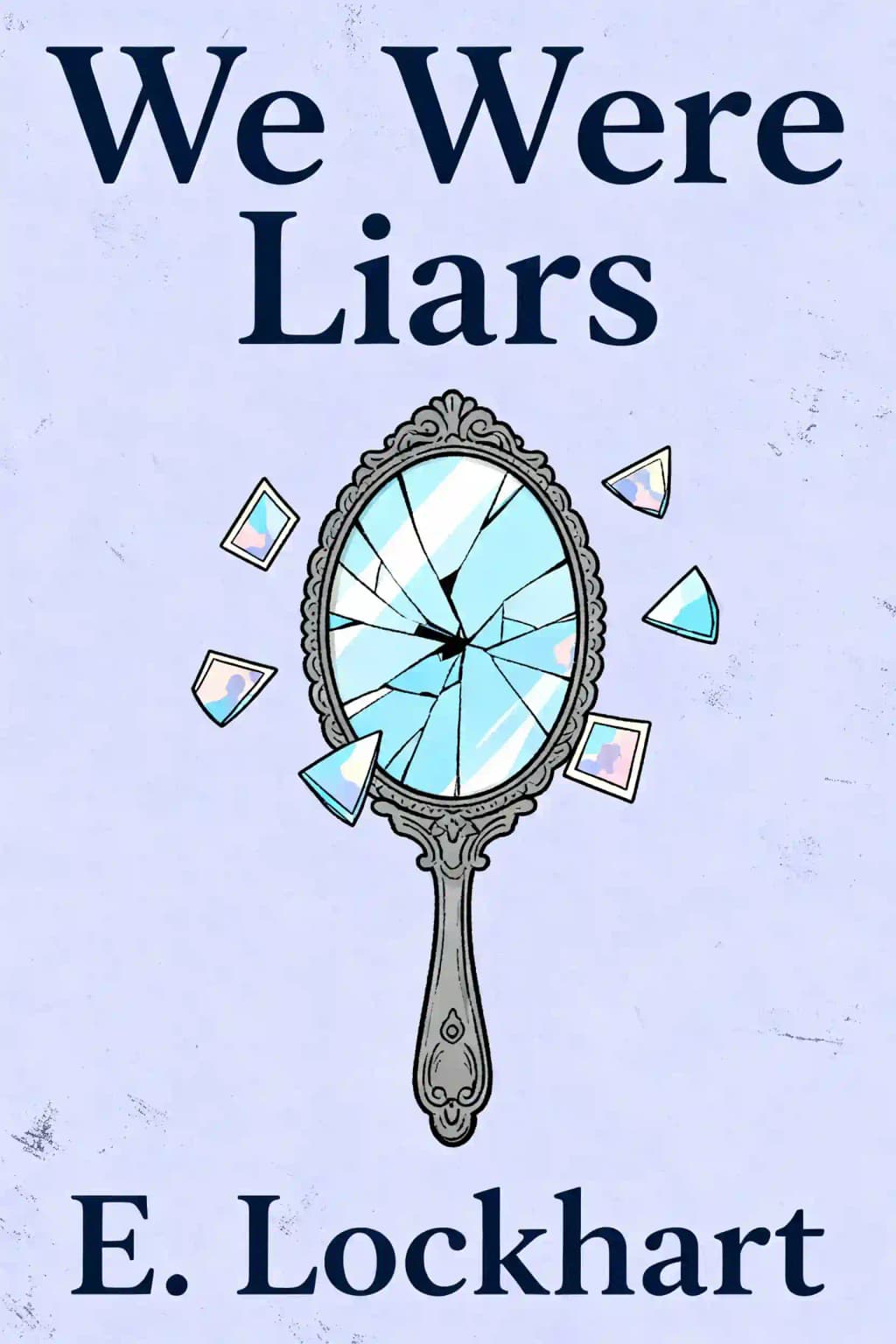
We Were Liars
《We Were Liars》概述
A haunting tale of privilege and deception, "We Were Liars" became a New York Times Bestseller that captivated readers with its shocking twist. This Goodreads Choice Award winner sparked viral discussions about wealth and trauma, leaving readers questioning everything they thought they knew.

《We Were Liars》核心主题
- unreliable narration
- generational wealth dysfunction
- repressed trauma
- selective memory
- toxic family legacy
《We Were Liars》经典语录
We understood each other. All the way.
A truck rolling over the bones of my neck and head.
No one is a criminal. No one is an addict. No one is a failure.
tall, merry and rich like princesses.
《We Were Liars》主要人物
- Cadence Sinclair EastmanThe narrator and eldest Sinclair grandchild
- Gat PatilAn outsider and member of the Liars
- Harris SinclairThe wealthy patriarch of the Sinclair family
- JohnnyCadence's cousin and one of the Liars
- MirrenCadence's cousin and one of the Liars
关于作者
《We Were Liars》作者介绍
E. Lockhart, pen name of Emily Jenkins, is the #1 New York Times bestselling author of We Were Liars, a young adult novel exploring themes of familial privilege, trauma, and the unreliability of memory.
A National Book Award finalist and Printz Honor recipient for The Disreputable History of Frankie Landau-Banks, Lockhart combines her Ph.D. in 19th-century English literature from Columbia University with sharp social commentary in her psychologically layered YA works. She also writes acclaimed children’s picture books under her birth name, including the Toys series and Lemonade in Winter.
Lockhart’s novels, such as the Ruby Oliver quartet and Family of Liars (the prequel to We Were Liars), often feature complex family dynamics and morally ambiguous protagonists. Her DC Comics graphic novel Whistle: A New Gotham City Hero showcases her versatility in blending coming-of-age narratives with superhero lore. We Were Liars has sold over 2 million copies, been translated into 36 languages, and is in development for a major streaming adaptation.
下载《We Were Liars》摘要
免费获取《We Were Liars》摘要的 PDF 或 EPUB 版本。可打印或随时离线阅读。
关于本书的常见问题
We Were Liars is a YA psychological thriller following Cadence Sinclair, a wealthy teenager grappling with memory loss after a mysterious accident during her fifteenth summer on her family’s private island. As she uncovers buried secrets about her cousins, friends, and the fire that destroyed their estate, the story explores themes of privilege, guilt, and the destructive lies binding the Sinclair family.
Fans of twist-driven mysteries and unreliable narrators, like Gone Girl or One of Us Is Lying, will enjoy this book. It’s ideal for YA readers aged 14+ who appreciate layered family dramas and ambiguous endings. Those interested in critiques of wealth and identity will find the Sinclair family’s dynamics compelling.
Yes—it’s a New York Times bestseller praised for its lyrical prose and shocking finale. The novel’s nonlinear storytelling and exploration of mental health make it a standout in YA fiction, though some critics note its pacing splits audiences. Over 2 million copies sold since its 2014 release.
- Wealth and privilege: The Sinclair family’s obsession with status drives conflict.
- Memory and reality: Cadence’s fragmented recollections blur truth and illusion.
- Guilt and redemption: The Liars’ actions force reckoning with consequences.
The fire symbolizes the Liars’ rebellion against their family’s greed and bigotry. By burning Clairmont House, they试图destroy the physical manifestation of inheritance disputes and prejudice (e.g., Gat facing racism). Ironically, it becomes a tragic act of self-destruction.
Cadence realizes she accidentally caused the fire that killed her cousins Johnny and Mirren, plus Gat, her love interest. The “Liars” she’s interacted with post-accident are hallucinations, a coping mechanism for her guilt. The finale underscores themes of accountability and healing.
Beechwood Island represents both paradise and prison—a idyllic facade masking the Sinclairs’ dysfunction. Its isolation mirrors the family’s emotional detachment, while the ocean embodies Cadence’s turbulent subconscious.
Gat dies in the Clairmont fire, trapped in the basement. His death highlights the consequences of the Liars’ recklessness and the family’s prejudice, as his outsider status (due to his Indian heritage) contributed to their marginalization.
Cadence’s migraines and memory loss metaphorize PTSD, while her hallucinations reflect dissociation from trauma. The book critiques how her family dismisses her pain to maintain their “perfect” image.
- “Be a little kinder than you have to.”
Repeated advice from Cadence’s mother, underscoring the hypocrisy of the Sinclairs’ performative kindness. - “We are liars. We are beautiful and privileged. We are cracked and broken.”
A central confession highlighting the characters’ flawed morality.
Like Genuine Fraud, it features complex female protagonists and twisted plots, but We Were Liars leans more into poetic ambiguity than action-driven thrills. Both dissect societal expectations and identity.
Some readers critique its pacing and disorienting narration, while others argue the twist risks romanticizing mental illness. However, its unflinching look at generational trauma and racism sparks meaningful discussion.
As of 2025, no official adaptation has been announced. Lockhart has hinted interest in a limited series to explore the Sinclair family’s backstory.