第 1 章
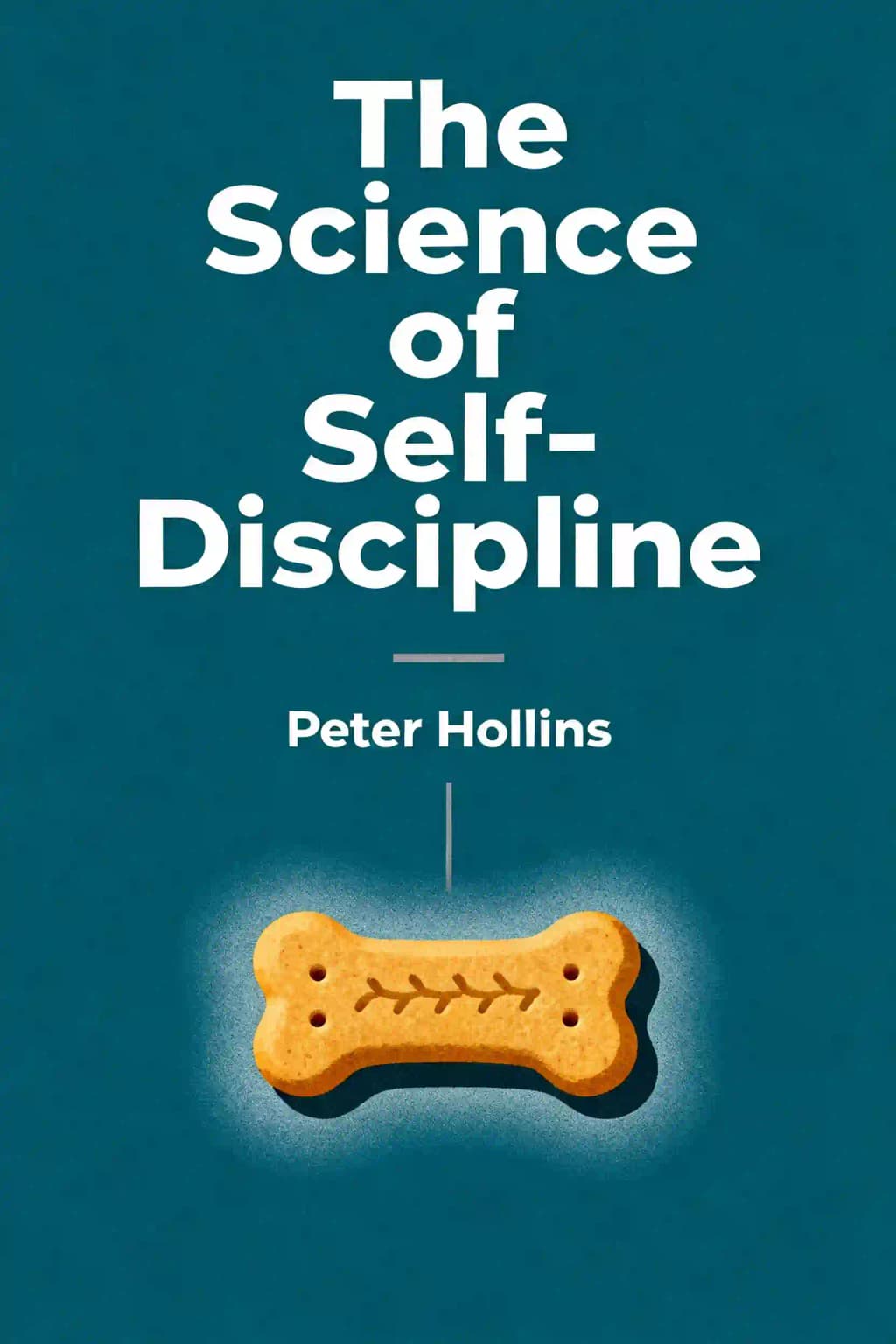
The Science of Self-Discipline: Mastering Your Inner World
Have you ever wondered why some people seem to effortlessly achieve their goals while others struggle with even the simplest tasks? The answer lies not in innate talent or luck, but in the mastery of self-discipline. Peter Hollins' "The Science of Self-Discipline" has become a cornerstone text for productivity enthusiasts and personal development coaches worldwide, with over 100,000 copies sold and translations in 12 languages. The book has gained particular popularity among high-performance athletes and tech entrepreneurs in Silicon Valley, who cite its practical approach to building willpower as transformative. Unlike many self-help books that offer vague platitudes, Hollins grounds his work in neuroscience and psychological research, providing readers with evidence-based strategies to overcome procrastination, strengthen resolve, and achieve lasting behavioral change. In a world increasingly designed to fracture our attention and weaken our self-control, this book offers a compelling roadmap to reclaiming agency over our actions and ultimately, our lives.
第 2 章
Understanding the Psychology of Self-Discipline
Self-discipline isn't simply about having more willpower or being "tougher" than others. It's a complex psychological phenomenon that involves understanding how our brains work and how we can harness that knowledge to our advantage. Hollins begins by dismantling the common misconception that self-discipline is an innate trait that some people naturally possess while others don't. Instead, he presents compelling evidence that self-discipline is more like a muscle that can be strengthened through consistent practice and proper technique, citing numerous studies where participants significantly improved their self-control through structured training programs.
The brain's prefrontal cortex, responsible for executive functions like planning and decision-making, plays a crucial role in self-discipline. When we exercise self-control, this region becomes highly active, consuming significant mental energy. This explains why willpower can feel depleted after extended periods of resisting temptation - a phenomenon psychologists call "ego depletion." For instance, participants who resisted eating cookies performed worse on subsequent puzzle-solving tasks compared to those who hadn't faced temptation. However, Hollins points out that recent research suggests willpower depletion may be more about our beliefs about willpower than actual physical limitations. Studies show that people who believe willpower is unlimited tend to perform better on sequential self-control tasks.
Our perception of self-discipline dramatically influences our ability to exercise it. If we believe willpower is a limited resource that quickly runs out, we'll experience more depletion effects. Conversely, those who view willpower as abundant tend to demonstrate greater persistence. This mindset difference explains why some people can maintain focus for hours while others struggle after just minutes of concentrated effort. Research from Stanford University demonstrates that students who viewed willpower as unlimited showed better self-regulation during exam periods and achieved higher grades compared to their peers.
Hollins also explores how our environment shapes our self-discipline through various mechanisms. We don't make decisions in a vacuum - our surroundings constantly influence our choices through both obvious and subtle cues. The presence of temptations, social pressures, and even seemingly irrelevant environmental factors can significantly impact our ability to stay disciplined. For example, studies show that people are more likely to indulge in unhealthy snacks when they're placed in visible, easily accessible locations, and office workers consume significantly more candy when it's placed on their desk versus six feet away. This environmental influence explains why even highly disciplined individuals sometimes fail when placed in environments designed to break their resolve.
The role of habits and routines in self-discipline is particularly noteworthy. Hollins emphasizes that creating automatic behaviors through consistent repetition reduces the cognitive load on our prefrontal cortex. When actions become habitual, they require less willpower to execute. For instance, regular exercisers report needing less motivation to work out once it becomes part of their daily routine, as the behavior shifts from requiring active self-control to becoming more automatic.
By understanding these psychological underpinnings, we can approach self-discipline not as a matter of moral character but as a skill that can be developed through strategic interventions and environmental design. This perspective shift alone can dramatically increase our chances of success, as it moves us from a fixed mindset about willpower to a growth mindset that acknowledges our capacity for improvement through deliberate practice and intelligent strategy.
第 3 章
Defeating Your Greatest Enemy: Procrastination
Procrastination represents the ultimate self-discipline challenge, and Hollins tackles it head-on with practical strategies grounded in psychological research. He begins by explaining that procrastination isn't simply laziness - it's an emotional regulation problem. We delay tasks not because we're inherently unmotivated but because we're avoiding negative emotions associated with those tasks: boredom, anxiety, frustration, or fear of failure.
This emotional avoidance creates a vicious cycle. We procrastinate to feel better in the moment, but this temporary relief comes at the cost of increased stress later, making the task even more emotionally charged and harder to approach. Breaking this cycle requires addressing the underlying emotional dynamics rather than simply trying to force ourselves to work through sheer willpower.
Hollins introduces several evidence-based techniques to combat procrastination. The Pomodoro Technique - working in focused 25-minute intervals followed by 5-minute breaks - helps overcome the initial resistance to starting tasks by making them feel more manageable. This approach works because it addresses the psychological barrier of task initiation, often the hardest part of overcoming procrastination.
Another powerful strategy is "implementation intentions" - specific plans that detail exactly when, where, and how you'll complete a task. Rather than vaguely planning to "exercise more," you might decide, "I will jog for 30 minutes at 7 AM tomorrow in the park near my house." Research shows this approach dramatically increases follow-through because it eliminates the decision-making process when the time comes to act.
Hollins also emphasizes the importance of understanding your personal procrastination triggers. Do you delay when tasks feel overwhelming? When perfectionism makes you fear starting? When you're physically uncomfortable? By identifying your specific patterns, you can develop targeted interventions. For instance, if you procrastinate on large projects, breaking them into smaller, clearly defined tasks can make them feel more approachable.
Perhaps most importantly, Hollins advocates self-compassion when dealing with procrastination. Beating yourself up after procrastinating only intensifies negative emotions, perpetuating the very cycle you're trying to break. Instead, treating yourself with understanding while still holding yourself accountable creates the psychological safety needed to develop better habits.
第 4 章
The Power of Habit Formation in Building Self-Discipline
Habits form the foundation of self-discipline, and Hollins provides a comprehensive framework for understanding and reshaping them. He explains that habits follow a three-part neurological pattern: cue, routine, and reward. The cue triggers the behavior, the routine is the behavior itself, and the reward is what reinforces the habit loop. This pattern becomes so ingrained that we often perform habitual behaviors with little conscious thought - which explains why breaking bad habits feels so challenging.
Creating new habits requires deliberate effort to establish this loop in service of our goals. Hollins recommends starting with "keystone habits" - foundational behaviors that create positive cascading effects throughout your life. For example, regular exercise often leads to better eating choices, improved sleep, and enhanced productivity. By focusing on establishing just a few keystone habits, you can trigger widespread positive changes with minimal initial effort.
Consistency is crucial in habit formation. Research shows that new behaviors take anywhere from 18 to 254 days to become automatic, with 66 days being the average. This explains why many people fail in their habit-building efforts - they give up before the behavior becomes automatic. Hollins suggests using "habit stacking" to accelerate this process, which involves attaching new habits to existing ones. For example, if you already brush your teeth every morning (established habit), you might do five pushups immediately afterward (new habit).
Environmental design plays a pivotal role in habit formation. Our surroundings contain countless cues that trigger habitual behaviors, often without our awareness. By deliberately structuring your environment to make good habits easier and bad habits harder, you reduce the need for willpower. Simple changes like placing your running shoes by the door, preparing healthy meals in advance, or using website blockers during work hours can dramatically influence your behavior patterns.
Hollins also addresses the critical role of identity in habit formation. When we view habits as expressions of who we are rather than things we do, they become more sustainable. Instead of "I'm trying to quit smoking," thinking "I'm not a smoker" creates internal consistency that strengthens resolve. This identity-based approach to habits explains why some people maintain disciplined behaviors with apparent ease - they've incorporated these behaviors into their self-concept.
第 5 章
Mastering Delayed Gratification for Long-Term Success
The ability to delay gratification - to choose long-term rewards over immediate pleasures - stands at the heart of self-discipline. Hollins examines the famous Stanford marshmallow experiments, where children who could resist eating one marshmallow to receive two later showed better life outcomes decades later, including higher SAT scores, lower obesity rates, and better stress management.
This capacity for delayed gratification isn't fixed at childhood, however. Hollins presents strategies to strengthen this crucial skill at any age. One approach involves "reward substitution" - finding immediate rewards that align with long-term goals. For example, focusing on the endorphin rush and sense of accomplishment from exercise rather than just distant health benefits makes disciplined behavior more immediately rewarding.
Visualization techniques can also enhance delayed gratification. By vividly imagining future benefits in concrete, sensory-rich detail, we make them feel more real and compelling. Rather than vaguely thinking about "retirement savings," visualizing yourself relaxing on a specific beach without financial worries creates emotional motivation that can counterbalance immediate temptations.
Hollins explains how our perception of time influences self-discipline. People who feel disconnected from their future selves tend to make shortsighted choices. Research shows that when people interact with age-progressed images of themselves, they make more future-oriented decisions. This explains why some people easily save for retirement while others struggle - the ability to emotionally connect with your future self strengthens delayed gratification.
Strategic precommitment represents another powerful tool for delayed gratification. By making decisions in advance and creating obstacles to impulsive choices, we protect ourselves from momentary weakness. Examples include automatic savings transfers, prepaid gym memberships, or using apps that lock your phone during study hours. These precommitments work because they remove the need for in-the-moment willpower when temptation is strongest.
Hollins also addresses how social environments affect delayed gratification. We naturally adopt the time preferences of those around us. If your social circle prioritizes immediate pleasures over long-term goals, maintaining discipline becomes significantly harder. This explains why changing social environments often accompanies major life transformations - surrounding yourself with disciplined individuals naturally strengthens your own capacity for delayed gratification.
第 6 章
Overcoming Mental Barriers to Self-Discipline
Our minds create numerous obstacles to self-discipline, and Hollins provides practical strategies for overcoming these internal barriers. He begins by addressing limiting beliefs - those often unconscious assumptions that constrain our behavior. Beliefs like "I'm not a morning person" or "I have no willpower" become self-fulfilling prophecies that undermine disciplined action before we even begin.
Identifying and challenging these beliefs represents the first step toward greater self-discipline. Hollins recommends examining the evidence for and against these assumptions and seeking counterexamples that disprove them. For instance, recalling times when you did wake up early and feel productive challenges the belief that you "can't function in the morning." This cognitive restructuring works because our behaviors typically align with our beliefs about ourselves.
Fear of failure presents another significant mental barrier to self-discipline. When we're afraid to fail, we often avoid starting challenging tasks altogether or sabotage our efforts to protect our self-image. Hollins suggests reframing failure as feedback - a necessary part of the learning process rather than a reflection of personal worth. This perspective shift helps transform failure from something to be avoided into valuable information that guides future efforts.
Perfectionism similarly undermines self-discipline by setting impossibly high standards that lead to procrastination or abandonment of goals. Hollins advocates adopting a "good enough" mindset for initial efforts, focusing on progress rather than perfection. This approach acknowledges that taking imperfect action consistently yields better results than waiting for perfect conditions or execution.
Negative self-talk represents yet another mental barrier to disciplined behavior. The way we speak to ourselves shapes our emotions and actions, often without our awareness. Hollins provides techniques for recognizing and redirecting self-defeating internal dialogue. Rather than telling yourself "This is too hard, I can't do it," reframing to "This is challenging, but I can take it one step at a time" creates emotional conditions more conducive to disciplined action.
Perhaps most importantly, Hollins addresses the role of self-compassion in overcoming mental barriers. Contrary to popular belief, being kind to yourself when you struggle doesn't lead to complacency - research shows it actually increases motivation and resilience after setbacks. This explains why those who respond to failures with self-compassion rather than harsh self-criticism demonstrate greater persistence and ultimately achieve better results.
第 7 章
Building Mental Toughness Through Discomfort
Mental toughness - the ability to persist through discomfort toward meaningful goals - forms a crucial component of self-discipline. Hollins explains that avoiding discomfort actually weakens our capacity to handle it, creating a negative spiral where we become increasingly sensitive to minor inconveniences. Conversely, deliberately exposing ourselves to manageable challenges strengthens our resilience.
This principle explains why people who regularly face difficult circumstances often develop remarkable mental toughness. It's not that they don't feel discomfort - rather, they've learned that they can function effectively despite it. This capacity develops through what Hollins calls "progressive discomfort training" - gradually increasing exposure to challenging situations that stretch but don't break us.
Cold exposure represents one practical application of this principle. Starting with brief cold showers and gradually increasing duration builds both physical and mental resilience. This practice works by teaching the nervous system that discomfort is not dangerous, reducing the automatic stress response that often derails disciplined behavior. Similar benefits come from fasting, difficult physical training, or tackling intellectually challenging material.
Hollins emphasizes that the goal isn't suffering for its own sake but developing the capacity to choose meaningful discomfort over comfort when appropriate. This distinction explains why some people seem to thrive under pressure while others crumble - they've developed the ability to separate discomfort from danger and maintain focus despite unpleasant sensations.
Meditation serves as another powerful tool for building mental toughness. By practicing non-reactive awareness of uncomfortable thoughts and sensations, we develop the capacity to experience discomfort without being controlled by it. Research shows that regular meditation actually changes brain structure, increasing gray matter in regions associated with self-regulation and decreasing activity in the amygdala, the brain's fear center.
Perhaps most importantly, Hollins addresses how our relationship with discomfort shapes our life possibilities. When we organize our lives around avoiding discomfort, we dramatically limit our potential growth and achievement. Conversely, developing comfort with discomfort opens up possibilities that remain inaccessible to those governed by the path of least resistance. This explains why mentally tough individuals often achieve extraordinary results - not because they don't feel fear, doubt, or fatigue, but because they've learned to act despite these feelings.
第 8 章
Managing Energy, Not Just Time
Self-discipline isn't merely about time management but energy management. Hollins explains that willpower consumes mental energy, making it a finite resource that must be strategically allocated. This explains why even highly disciplined individuals sometimes make poor decisions after extended periods of self-control - they've temporarily depleted their mental energy reserves.
Understanding your personal energy patterns represents a crucial first step in energy management. Hollins recommends tracking your energy, focus, and mood throughout the day to identify your natural peaks and valleys. By aligning your most demanding tasks with your energy peaks and scheduling less intensive activities during low-energy periods, you maximize productivity while minimizing willpower depletion.
Sleep quality dramatically impacts self-discipline capacity. Research shows that sleep deprivation impairs prefrontal cortex function - the brain region responsible for self-control - while increasing activity in reward-seeking brain regions. This explains why tired people make poorer dietary choices, struggle with emotional regulation, and demonstrate reduced persistence on challenging tasks. Hollins provides evidence-based strategies for improving sleep quality, including consistent sleep schedules, light management, and bedtime routines.
Nutrition similarly affects willpower capacity. The brain consumes approximately 20% of our energy despite representing only 2% of body weight, making proper fueling essential for optimal cognitive function. Hollins explains how blood glucose fluctuations impact self-control and recommends a diet emphasizing stable energy through complex carbohydrates, healthy fats, and adequate protein. This nutritional approach prevents the willpower crashes associated with blood sugar spikes and drops.
Physical activity paradoxically increases energy while consuming it. Regular exercise enhances mitochondrial function, improving cellular energy production throughout the body, including the brain. This explains why consistent exercise correlates with better self-discipline across multiple life domains - it literally increases the energy available for self-control efforts.
Stress management represents another crucial aspect of energy management. Chronic stress depletes mental resources that would otherwise be available for self-discipline. Hollins provides techniques for reducing unnecessary stress, including strategic elimination of commitments, boundary setting, and regular recovery periods. These approaches work because they preserve mental energy for truly important self-regulation tasks rather than wasting it on avoidable stressors.
第 9 章
Creating Systems That Make Discipline Automatic
The most effective form of self-discipline requires minimal willpower because it's built into systems that make good behaviors automatic. Hollins explains that relying on motivation alone is unreliable - even the most motivated individuals experience fluctuations in their drive. Systems, however, continue functioning regardless of momentary feelings.
Decision minimization represents a core principle of effective systems. Each decision we make consumes mental energy and creates an opportunity for discipline to fail. By establishing routines that eliminate unnecessary decisions, we conserve willpower for truly important choices. This explains why figures from Steve Jobs to Barack Obama wore essentially the same outfit daily - they recognized that eliminating trivial decisions preserves mental energy for consequential ones.
Environmental design creates powerful behavioral systems. Rather than fighting against your surroundings, structuring them to support your goals dramatically reduces the need for willpower. Simple changes like removing tempting foods from your home, setting up automatic savings transfers, or creating a dedicated workspace free from distractions can make disciplined behavior the path of least resistance rather than a constant struggle.
Accountability systems similarly reinforce discipline when motivation wanes. Public commitments, progress tracking, accountability partners, or financial stakes create external structures that maintain momentum through difficult periods. These systems work because they transform self-discipline from a purely internal struggle into a social commitment with consequences beyond mere feelings.
Technology can either undermine or enhance self-discipline depending on how it's used. Hollins provides strategies for leveraging technology to create supportive systems, including apps that block distractions, track habits, or gamify positive behaviors. These technological tools work by providing immediate feedback and rewards that bridge the gap between present actions and distant goals.
Perhaps most importantly, Hollins emphasizes the need for failure-resistant systems. Perfect discipline is impossible, so effective systems must account for inevitable lapses. This might include predetermined recovery plans, built-in flexibility, or backup systems that activate when primary ones fail. This approach acknowledges human imperfection while still creating structures that maintain progress despite occasional setbacks.
By shifting focus from heroic willpower to intelligent system design, we can achieve consistent results with less struggle. This explains why some people maintain disciplined behaviors with apparent ease - not because they have superhuman willpower, but because they've created environments and routines that make good choices automatic.
第 10 章
The Ultimate Self-Discipline Blueprint
Hollins concludes by integrating these principles into a comprehensive blueprint for developing extraordinary self-discipline. He emphasizes that lasting change requires a multi-faceted approach addressing psychological, environmental, and behavioral factors simultaneously. This explains why isolated tactics often fail while comprehensive strategies succeed.
The journey begins with honest self-assessment. Understanding your current strengths, weaknesses, triggers, and patterns provides the foundation for effective intervention. Hollins provides assessment tools to identify specific areas where self-discipline breaks down, whether in starting tasks, maintaining focus, resisting temptations, or persisting through challenges. This personalized approach recognizes that self-discipline challenges vary widely between individuals.
Goal setting with implementation specificity follows this assessment. Rather than vague aspirations, Hollins advocates concrete goals with clear metrics, deadlines, and detailed execution plans. This approach works because it transforms abstract intentions into specific behaviors that can be systematically implemented and evaluated.
Habit sequencing represents another crucial element of the blueprint. Rather than trying to change everything simultaneously, Hollins recommends strategically ordering habit development to create momentum. Starting with keystone habits that increase energy and enhance mood creates resources for tackling more challenging changes later. This explains why some people successfully transform their lives while others repeatedly fail - not because of differences in willpower, but because of strategic sequencing.
Regular reflection and adjustment complete the blueprint. Self-discipline strategies require ongoing refinement based on results and changing circumstances. Hollins recommends scheduled reviews to assess what's working, what isn't, and how approaches might be modified for better outcomes. This iterative process prevents the common pattern of abandoning self-discipline efforts entirely when specific techniques prove ineffective.
Perhaps most importantly, Hollins emphasizes that self-discipline isn't about rigid control but about freedom. By developing the capacity to direct your actions according to your deeper values rather than momentary impulses, you gain the ability to create the life you truly want rather than drifting wherever immediate gratification leads. This perspective shift transforms self-discipline from a burden into a liberating force that expands life possibilities.
The science of self-discipline ultimately reveals that extraordinary achievement doesn't require extraordinary willpower. Instead, it emerges from understanding the psychological principles governing human behavior and systematically applying them to create conditions where discipline becomes natural rather than forced. With this knowledge, anyone can develop the self-discipline to transform their potential into reality.