第 1 章
The Gut's Secret Role in Defying Age
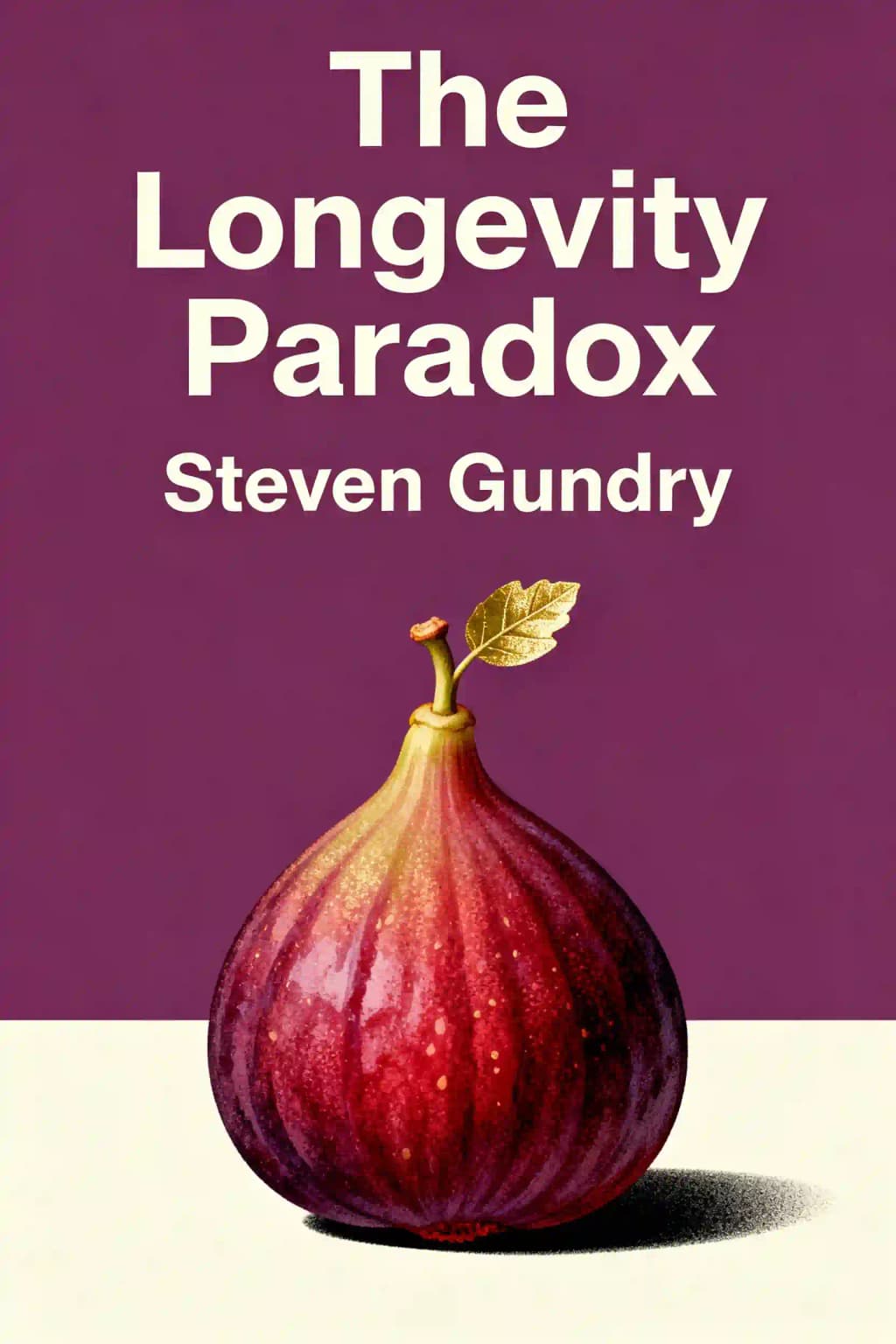
What if the secret to living a long, vibrant life isn't found in expensive creams, trendy diets, or cutting-edge medical procedures, but rather in the trillions of microscopic organisms living inside your digestive tract? In his groundbreaking book "The Longevity Paradox," renowned heart surgeon Dr. Steven Gundry presents a revolutionary perspective: chronological aging doesn't have to mean physical decline. The book has garnered praise from celebrities like Tony Robbins and become a favorite among health enthusiasts seeking evidence-based approaches to extending healthspan. Gundry introduces us to Edith Morrey, who at 95 walked into his office looking decades younger, exemplifying what he calls the "longevity paradox" - the ability to remain physically youthful and vital despite advancing years. This paradox, Gundry argues, hinges primarily on one factor: the health of your gut microbiome, which contains 360 times more bacterial genes than human genes and exerts astonishing control over everything from your food cravings to your immune function and even your thoughts.
第 2 章
Ancient Bacteria: The Hidden Controllers of Your Health
The trillions of microorganisms living in and on your body aren't just passive passengers-they're active participants in your health, influencing everything from digestion to brain function. This complex ecosystem, called your holobiome, contains 8 million unique bacterial genes compared to your mere 22,000 human genes. These microbes process information almost instantaneously, even influencing your thoughts and cravings.
When patients follow Gundry's Longevity Paradox program, they often find themselves craving salads instead of junk food-their new gut bacteria sending clear signals to protect their home. This relationship explains why we're not living better lives than our ancestors despite medical advances. While average life expectancy increased by about ten years between 1960 and 2013, this was largely due to reduced childhood mortality, not healthier aging. Now life expectancy has declined for three consecutive years in America.
The gut-health connection runs deeper than most realize. Your microbiome and mitochondria (your cells' energy factories) share a remarkable evolutionary link-both evolved from ancient bacteria. They communicate constantly through hormonal and chemical signals, with gut bacteria influencing mitochondrial function, affecting cell growth, death, and aging processes. Studies with roundworms show that compounds produced by gut bacteria can extend lifespan by promoting mitochondrial health.
This relationship explains why our modern diet causes so many problems. Our gut microbiome evolved over 40 million years as we developed as tree dwellers consuming primarily two-leafed plants and their fruits. When we began cultivating grains 10,000 years ago, our gut buddies weren't equipped to handle these new lectins-sticky proteins plants produce as defense mechanisms. The situation has worsened dramatically over the last fifty years as we've abandoned traditional food preparation methods while consuming more processed foods, GMO products, and chemicals that devastate our holobiome.
第 3 章
The Barrier That Determines Your Fate
Having beneficial gut bacteria is only half the solution-they must also stay on their side of the intestinal border. The intestinal lining, though only one cell thick, has a surface area equivalent to a tennis court with 60% of all immune cells concentrated along it. When functioning properly, only single molecules of digested nutrients pass through, while everything else remains outside. But when this barrier develops microscopic holes ("leaky gut"), compounds leak through, triggering immune responses.
This chronic inflammation accelerates aging-a phenomenon called "inflammaging." The real cause isn't inflammation itself but rather an imbalanced gut microbiome and compromised intestinal wall. Lectins are major culprits, prying apart tight junctions between mucosal cells and producing zonulin, which breaks down the gut barrier. Once foreign proteins cross this border, toll-like receptors trigger immune responses, creating constant inflammation.
Many common medications worsen this situation. Proton pump inhibitors don't just neutralize stomach acid-they paralyze proton pumps throughout the body, including those in mitochondria that generate energy. A 2017 study of 16,000 people found significant association between PPI use and dementia risk, while a German study showed 44% increased dementia risk among 75+ year-olds using these drugs. Without stomach acid, protein can't be broken down into absorbable amino acids, leading to muscle wasting despite adequate protein consumption.
Wheat germ agglutinin (WGA), a particularly troublesome lectin, is small enough to pass through an intact gut wall and cause inflammation, particularly in kidneys. WGA mimics insulin by locking onto cell insulin receptors, but unlike real insulin, it doesn't release. This causes fat cells to continuously store sugar while blocking muscle and nerve cells from receiving glucose for energy. Your brain, starved for energy, demands more food, but the sugar goes straight to fat cells while muscle and brain cells starve-leading to fat gain, muscle wasting, and eventually dementia.
第 4 章
Activating Your Longevity Mechanisms
Hormesis-the favorable response to low-dose stressors-activates longevity mechanisms through gut bacteria and mitochondria. Studies show mice exposed to low radiation lived 30% longer than unexposed siblings. Similarly, moderate alcohol consumption (two small servings daily) promotes longer life compared to abstinence or overindulgence.
Calorie restriction, another hormetic stressor, significantly extends lifespan across species by decreasing bacterial growth and lectin consumption, reducing inflammation. Most importantly, it promotes Akkermansia muciniphila bacteria, which eat intestinal mucus but signal cells to produce even more, creating a thicker protective barrier. These bacteria decrease inflammation and heart disease while preventing obesity and diabetes-explaining why the diabetes drug metformin works by increasing muciniphila abundance.
Autophagy, meaning "self-devouring," is your cells' recycling program that eliminates weak or dysfunctional cellular components. This natural process is triggered by certain food compounds and temporary cellular stress. When cells receive signals that tough times are coming, they develop an "only the strong survive" mentality, reinforcing the gut barrier against invaders. The result is reduced inflammation, less disease, and a longer, healthier life.
While many longevity researchers view stem cells as the holy grail, expensive extraction procedures aren't necessary since we already have plenty in our bodies. The key is activating them through temporary cellular stress. Fasting for 24 hours triggers ketosis, signaling stem cells to regenerate. Dr. Valter Longo's research shows that periodic calorie restriction or water-only fasting shifts stem cells from dormancy to self-renewal, particularly benefiting immune cells.
Our gut microbiome evolved to fluctuate seasonally, as demonstrated by the Hadza tribe whose gut bacteria change with available foods. Modern humans, with year-round access to any food, lack this natural cycle. We're designed for periods of growth (spring/summer) and regression (fall/winter), but now live in a perpetual growth cycle. Without periodic scarcity, we constantly process sugar, leading to insulin resistance, weight gain, and shortened lifespans.
第 5 章
Debunking Aging Myths That Are Making You Old
Many patients suffering from "normal" aging diseases are perplexed because they believe they're doing everything right, when in fact their habits may be accelerating aging. These deeply ingrained but incorrect theories about aging need debunking.
While Blue Zones (regions where people live extraordinarily long lives) offer valuable insights into longevity, many interpretations about their dietary patterns are misleading. Despite two Blue Zones being in Mediterranean regions, cereal grains are actually a negative component of their diets. The Blue Zone populations have dramatically different diets: Seventh-Day Adventists eat nuts and pressure-cooked soy; Nicoyans eat corn tortillas, beans and rice; mountain-dwelling Sardinians eat goat products and buckwheat bread; Ikarians consume olive oil and herbs; Okinawans eat mostly purple sweet potatoes; Kitavans smoke heavily while eating taro root and coconut; Acciarolesi consume anchovies, rosemary, and lentils but no bread or pasta.
What unites these diverse diets isn't what they include but what they exclude. None of these populations consumes significant animal protein, which studies show increases inflammatory markers compared to plant-based diets.
Animal protein, once rare and expensive, has become artificially cheap through government subsidies for animal feed, leading to dangerous overconsumption in Western societies. Studies of Seventh-Day Adventists reveal a clear longevity hierarchy: vegans live longest, followed by vegetarians who eat eggs but no dairy, then vegetarians who consume dairy, and finally those who occasionally eat chicken or fish.
The problem with animal protein lies in how it triggers the mammalian target of rapamycin (mTOR) pathway. When mTOR senses abundant energy-particularly from amino acids like methionine, cysteine, and isoleucine found predominantly in animal proteins-it activates insulin-like growth factor 1 (IGF-1), signaling cells to grow continuously. This prevents beneficial autophagy (cellular recycling) and creates conditions favorable for cancer cell proliferation.
Smaller animals of the same species typically live longer than their larger counterparts-miniature poodles live about twice as long as standard poodles despite having identical genes. Similarly, people in Blue Zones tend to be shorter than average. Our increasing height as a species is concerning from a longevity perspective. Average human height increased by four inches between the late 19th and early 20th centuries, coinciding with dietary shifts toward more animal protein and processed foods.
Contrary to popular belief, a high metabolic rate doesn't indicate efficient calorie burning-it's actually a sign of metabolic inefficiency. The naked mole rat, which seemingly never dies of old age, maintains an extraordinarily low metabolic rate. During stress, cells become more fuel efficient by generating new mitochondria-essentially turbocharging cellular engines. Your body aims for energy efficiency, recycling everything from gut mucus proteins to dead cell components through autophagy.
Contrary to conventional wisdom about "iron-poor blood," iron accumulation significantly accelerates aging. Studies of blood donors in Denmark and Sweden revealed that frequent donors lived significantly longer than infrequent donors because giving blood reduced their iron levels. This partially explains why women typically outlive men-they regularly lose iron through menstruation for half their lives.
Despite recent popular claims that our fear of animal fats is based on "fake news," saturated animal fats are not good for you. While Keys was later criticized for allegedly cherry-picking data, recent analyses confirm his findings still hold when including all countries studied. Follow-up studies have shown plant fats are negatively associated with heart disease while animal fats are positively correlated.
People in all Blue Zones consume little meat and favor goat or sheep milk products over cow's milk. About two thousand years ago, northern European cows underwent a mutation that changed their milk protein from casein A2 to casein A1. During digestion, casein A1 can transform into beta-casomorphin-7, an opioid peptide that triggers immune attacks on insulin-producing pancreatic cells, potentially causing type 1 diabetes.
第 6 章
Regenerating Your Body From The Inside Out
The decline we attribute to "normal" aging actually results from gut wall deterioration, microbiome disruption, and the Maillard reaction that glues together sugars and proteins inside our bodies. This decline isn't inevitable-treating your gut bacteria well can actually help you get younger as you age.
After decades of surgical experience, I've observed that heart disease is fundamentally an immune response. The breakthrough came when I noticed that heart transplant children developed similar inflammation patterns in their coronary arteries as my diabetic patients, suggesting an immune attack. The connection between diet and heart disease became clear when I learned about Neu5Ac, a sugar molecule that humans and elephants share that binds to lectins, triggering immune attacks on blood vessels.
Animal proteins from cows, pigs and lamb contain Neu5Gc, which is molecularly similar to our Neu5Ac. When we consume these meats, our immune system detects the foreign Neu5Gc but sometimes attacks our own Neu5Ac by mistake. Research shows people consuming more animal protein have 1.5 times higher risk of heart disease than those eating plant proteins. Even a single milkshake can trigger an immune response similar to a severe infection.
Despite conventional wisdom, cholesterol doesn't cause heart disease. Modern research, including the China Study and Framingham Heart Study, confirms no direct connection between cholesterol consumption and cardiovascular disease. Instead, triglyceride levels and omega-3 indexes are better predictors. Dr. Michael DeBakey recognized this in the 1950s, noting cholesterol was merely an innocent bystander caught in inflammatory reactions.
Unlike cholesterol, triglycerides pose genuine health concerns. Consuming sugar, simple starches, and even fruit raises triglyceride levels. Fructose, the main sugar in fruit, is actually a toxin that disrupts mitochondrial function and damages kidneys. While fruit was meant to be eaten seasonally during summer's natural growth cycle, year-round consumption accelerates aging.
Cancer follows the same pattern as other age-related diseases, stemming from gut damage and microbial imbalance. Research confirms our microbiome determines cancer development and treatment response. Cancer cells thrive on sugar, requiring eighteen times more sugar than normal cells, and are stimulated by insulin. Unlike healthy cells, cancer cells cannot utilize ketones for energy, making them vulnerable to starvation through dietary changes.
Animal proteins containing Neu5Gc trigger immune responses that inadvertently help cancer cells by producing vascular endothelial growth factor, attracting blood vessel growth to tumors. Studies show human tumors contain large amounts of Neu5Gc despite our inability to produce it, directly linking animal protein consumption to cancer development.
Several plant fats contain ketogenic properties that provide ideal fuel for mitochondria while starving cancer cells. Medium-chain triglycerides (MCTs) from sources like solid coconut oil (65% MCTs) and red palm oil (50% MCTs) convert efficiently to ketones. Tree nuts are perfect cancer-fighting foods that starve cancer cells while supercharging gut buddies and mitochondria.
第 7 章
Moving Your Way to Longevity
Dr. Gundry first noticed the connection between arthritis and heart disease while performing heart surgeries at Loma Linda University. Half of his stent or bypass patients would need joint replacements within five years, and vice versa. One patient in her forties with severe coronary disease and spinal arthritis followed his protocol religiously, and ten years later, an angiogram revealed both conditions had remarkably improved.
Contrary to the belief that arthritis results from simple "wear and tear" as we age, research confirms it's caused by gut inflammation. Bad gut bacteria create inflammation that damages joints, not aging itself. When mice with arthritis receive beneficial bacteria supplements, their inflammation decreases and cartilage breakdown slows. The process is straightforward: bad bugs and leaky gut release lectins and LPSs into the body. Lectins bind to joint surface sugar molecules (scialic acid), acting like splinters that trigger immune attacks and inflammation.
Chronic inflammation leads to bone deterioration, causing osteopenia and osteoporosis. This affects approximately 54 million Americans, with one in two women and one in four men over 50 experiencing osteoporosis-related fractures. The inflammatory diet affecting humans also impacts animals-LPSs produce osteoporosis in mice, while factory-farmed chickens develop severe bone defects from genetically modified corn diets.
Muscle loss often occurs invisibly with age. CAT scans comparing teenage and 40-year-old thighs show the same volume but dramatically different composition-the older thigh typically has half the muscle mass, replaced by fat. This happens because muscles become insulin-resistant, particularly when wheat germ agglutinin (WGA) mimics insulin and blocks receptors. Contrary to popular belief, aging doesn't cause fewer mitochondria-rather, fewer mitochondria cause aging. Mitochondria divide when gut bacteria signal them or when building muscle.
The sedentary lifestyle we consider normal for aging actually causes aging itself. People who continue exercising into old age live longer and healthier lives than those who stop moving. The centenarians in Blue Zones maintain their vitality by regularly walking up and down hills well into their later years, working against gravity to strengthen their muscles. Even downhill walking provides significant benefits-a Swiss study found hikers descending mountains gained the same muscle benefits as those climbing up, despite perceiving less effort.
Our ancestors primarily engaged in walking while foraging and carrying food back to camp, not running marathons. Blue Zone residents are hikers and walkers, not long-distance runners. Research confirms marathon running impairs immune function and has disastrous effects on longevity. Studies consistently show long-distance running causes myocardial fibrosis (progressive heart scarring), particularly in the right ventricle, leading to arrhythmias or congestive heart failure.
第 8 章
Keeping Your Brain Young
Cognitive decline is not an inevitable part of aging. From minor "senior moments" to serious conditions like Alzheimer's, all stem from neuroinflammation that begins in the gut. Research shows people can create new neurons (neurogenesis) at any age-studies found 79-year-olds have the same capacity to generate new brain cells as teenagers. Physical fitness particularly enhances language skills and memory retention in older adults, offering hope for maintaining mental sharpness throughout life-provided your gut microbiome remains healthy.
The gut-brain connection is so powerful that many scientists now call the gut the "second brain," though the author argues the gut should be considered primary since it actually controls the brain. Contrary to traditional understanding, for every nerve fiber leading from brain to gut, there are nine fibers sending signals in the opposite direction. The gut contains more neurons than the entire spinal cord, creating a genuine "sixth sense" that women often recognize as intuition.
When lectins and LPSs breach the gut barrier, they travel through the bloodstream and climb the vagus nerve to the brain, particularly affecting the substantia nigra (critical for motor planning). These invaders trigger glial cells to protect neurons by pruning dendritic structures, essentially calling troops back to the central fort and abandoning outposts. While well-intentioned, these glial cells ultimately surround neurons so completely that even nourishment can't reach them, causing neuronal death.
Amyloid proteins, once thought to originate in the brain, actually come from gut bacteria as "shed molecules" that penetrate the gut wall or climb the vagus nerve to the brain. These proteins stimulate the brain to produce more amyloid, becoming self-perpetuating and disrupting cellular communication. The key factor isn't merely the presence of amyloids (found even in healthy brains) but whether they're properly washed out.
The recently discovered glymphatic system allows cerebrospinal fluid to flow through brain tissue during deep sleep, cleaning out cellular debris. For this system to work effectively, cells actually shrink during deep sleep, allowing the cleaning process to work twenty times faster than during wakefulness. However, this critical brain-washing requires significant blood flow, which won't be available if you've eaten recently before bed, as blood will be diverted to digestion instead. To optimize this cleansing process, leave at least four hours between your last meal and bedtime.
Olive oil emerges as a brain-saving superfood that counteracts nearly all damage we've discussed. Rich in polyphenols, olive oil reduces inflammation, suppresses vessel-damaging TMAO compounds, and remarkably, kick-starts autophagy. Studies show mice fed olive oil diets perform better on memory tests and have reduced amyloid plaques in their brains. A four-year Spanish study found participants consuming 9-10 tablespoons of olive oil daily experienced significantly improved cognitive function compared to low-fat diet followers.
Small fish consumption, another Mediterranean diet component, significantly benefits brain health. A 16-year study of nearly 400,000 people showed those with highest fish and omega-3 intake had lower mortality rates, with women showing nearly 40% less Alzheimer's mortality. A major Tufts University study demonstrated that eating just one serving of leafy green vegetables daily slowed brain aging by eleven years compared to those who didn't consume greens.
Meditation and yoga benefit the brain through their effects on gut microbiota. Studies show meditation retreat participants had 30% higher telomerase activity than controls-the enzyme that activates telomeres, potential longevity markers. This happens because meditation makes gut buddies happy, signaling stem cells to increase telomerase production. Research with Indian Navy volunteers demonstrated that six months of yoga and meditation significantly increased glutathione activity-the principal intracellular antioxidant powered by butyrate from gut buddies.
第 9 章
The Visible Signs of Internal Health
The external appearance of your body directly reflects your internal health. While aging brings some inevitable changes, it's possible to maintain soft skin, reverse damage, lose weight and improve fitness with age. Your gut lining covers the surface area of a tennis court and functions like external skin-as it weakens with age, your visible skin thins correspondingly.
Research from the University of Chicago Medical Center reveals why we gain weight with age: bacteria in the upper gastrointestinal tract help rapidly digest and absorb high-fat foods, multiplying to keep pace with dietary fat intake. In studies with germ-free mice fed high-fat diets, those without these bacteria simply excreted the fat and maintained weight; when later exposed to these bacteria, they gained weight on the same diet. This confirms the principle that "you are not what you eat; you are what your gut buddies digest."
Hormone disruptors contribute significantly to the obesity epidemic by mimicking estrogen, which signals cells to store fat in preparation for pregnancy. Environmental toxins that mimic estrogen cause fat storage regardless of gender or reproductive capability, explaining early puberty in girls and "man boobs" in males. Unlike natural estrogen, which delivers its message and detaches from cell receptors, these compounds permanently attach, keeping fat cells switched on.
Your skin hosts trillions of beneficial bacteria (skin buddies) comprising over a thousand different species that protect and maintain your skin's health. Like gut bacteria, these skin flora defend against pathogens-some secrete antimicrobial substances, others use skin lipids to generate protective short-chain fatty acids, while others prevent inflammation by secreting lipoteichoic acid. Unfortunately, our obsession with antibacterial cleansers has decimated this protective ecosystem, leaving Americans with far less diverse skin microbiomes than people in countries that don't use these products.
Some skin bacteria even produce compounds that inhibit skin cancer growth-one strain produces 6-HAP, which kills cancer cells without harming healthy cells. Studies show that skin conditions like eczema correlate with disrupted skin flora, and restoring beneficial bacteria can reduce symptoms. When skin buddies are out of balance, it manifests as thinning skin, age spots, wrinkles, acne, and eczema-visible signs that your internal and external protective barriers have been compromised.
第 10 章
The Longevity Paradox Program
A life-and-death struggle constantly wages between the beneficial microbes in your holobiome that keep you young and the harmful ones that accelerate aging. Every choice you make-what and when you eat, how you exercise, what products you use, and what supplements you take-determines which side you're supporting.
The Longevity Paradox program incorporates intermittent calorie restriction without suffering by dividing each month into different types of days. Fast-Mimicking Days (five consecutive days monthly) eliminate animal protein and limit calories to 900 daily, providing the benefits of a full month of calorie restriction while dramatically improving gut bacteria composition. Research shows even a three-day cleanse increases beneficial bacteria like Akkermansia.
After completing the five-day fast-mimicking period, participants transition to "free days" where they can eat unlimited quantities of gut-friendly foods while maintaining the elimination of foods that feed harmful bacteria. Protein intake remains mindful, with Dr. Gundry recommending only 0.37 grams per kilogram of body weight daily-typically satisfied by a single three-ounce serving of animal protein.
Brain-Wash Days involve skipping dinner once weekly (or more often for those with degenerative disease) to allow the glymphatic system to thoroughly cleanse the brain during sleep. This practice prevents toxic amyloid buildup that can lead to neurodegeneration. The body needs at least four hours after the last meal before sleep for optimal brain washing.
The Longevity Paradox lifestyle program balances cellular stress with recovery through strategic exercise and relaxation techniques. Exercise provides beneficial hormesis by creating tiny muscle tears that repair stronger, while also benefiting gut bacteria-especially when working against gravity. Dr. Gundry recommends a simple five-minute exercise plan based on Jack LaLanne's principles that anyone can perform twice daily, regardless of fitness level.
High-intensity interval training (HIIT) delivers significant benefits in minimal time, burning more fat than traditional exercise without weakening the immune system. Just ten minutes three times weekly provides health benefits, especially for previously inactive people. HIIT increases happiness by triggering greater neurotransmitter release than moderate exercise, pleasing your gut buddies who produce serotonin precursors.
Heat-shock proteins protect cells against stress through hormesis. To stimulate heat-shock protein production weekly, try saunas, steam rooms, near-infrared or red-light saunas, hot yoga, or simply a hot bath-which studies show relieves mild depression better than medications. Cold exposure triggers cellular defense mechanisms similar to heat exposure, preparing the body for harsh conditions. Dr. Gundry recommends daily "Scottish showers"-starting warm and gradually cooling to cold water for the final minutes.
Sleep is vital for longevity-during deep sleep, the glymphatic system "washes" the brain of debris that can form Alzheimer's-causing amyloid plaques. Just one night of lost sleep increases amyloid by 5% in vulnerable brain regions. Sleep deprivation also causes weight gain by disrupting hunger hormones-after eight hours of sleep, subjects showed high leptin (fullness hormone) and low ghrelin (hunger hormone), while after six hours this reversed.
Social connections aren't just pleasant-they're essential for longevity. Many patients experience health declines immediately after retirement due to lost workplace social structures. Our culture's epidemic of loneliness directly impacts gut microbiome health and correlates with decreasing lifespans. The more people you contact, the more beneficial bacteria you share. This explains why people who live together often develop similar health problems-not from shared genes but shared microbiomes.
The paradox of longevity is simple: no one survives forever, but you can die young at a ripe old age by assembling the right team-trillions of microbes that want to preserve their beautiful home, plus supportive family, friends, and pets who provide emotional connection and keep you active. Through nutrition, lifestyle choices, community, and a positive yet realistic mindset, we can all enjoy vibrant lives until our time comes. Die young, dear reader, at a ripe old age!