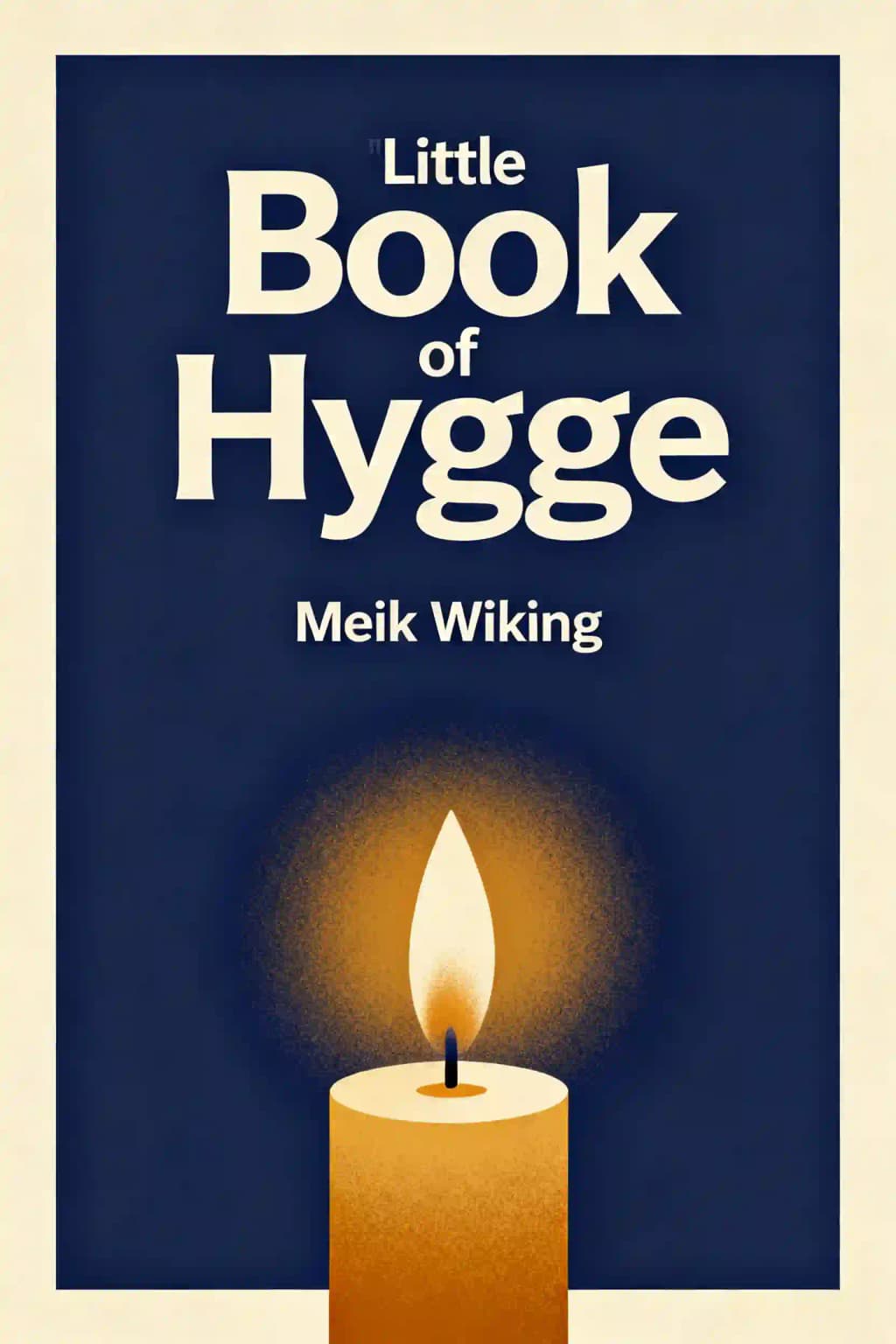
Discover why Denmark consistently ranks among the world's happiest nations in this New York Times bestseller. Wiking, CEO of Copenhagen's Happiness Research Institute, reveals the secrets of "hygge" - that cozy contentment transforming global lifestyles. What's your happiness missing?
Meik Wiking, New York Times bestselling author of The Little Book of Hygge: Danish Secrets to Happy Living, is CEO of Copenhagen’s Happiness Research Institute and a globally recognized expert on well-being and quality of life. Blending research-backed insights with Danish cultural philosophy, his work explores how simple joys—like cozy gatherings, candlelit spaces, and mindful togetherness—enhance daily happiness. A former director at think tank Monday Morning and advisor to international policy groups, Wiking bridges academic rigor with accessible storytelling.
His companion books, The Little Book of Lykke and The Art of Making Memories, further examine global happiness strategies and the science of meaningful experiences. A frequent speaker at international conferences, Wiking’s research has informed wellbeing initiatives worldwide. The Little Book of Hygge has sold over 1 million copies and been translated into 31 languages, solidifying its status as a modern guide to cultivating comfort and contentment.
The Little Book of Hygge explores the Danish concept of "hygge" (pronounced hoo-ga), a cultural philosophy centered on creating warmth, comfort, and togetherness. Meik Wiking, CEO of Copenhagen’s Happiness Research Institute, explains how practices like candlelit gatherings, cozy interiors, and mindful simplicity contribute to Denmark’s reputation as one of the world’s happiest nations.
This book suits anyone seeking actionable strategies to cultivate contentment, reduce stress, or embrace mindfulness. It’s particularly valuable for fans of Scandinavian lifestyle trends, interior design enthusiasts, and individuals interested in well-being research.
Yes—it combines research-backed insights with charming anecdotes about Danish culture. While some find its focus on coziness repetitive, readers praise its practical tips for creating inviting spaces and fostering meaningful connections.
Hygge emphasizes:
Denmark consistently ranks among the happiest countries globally, and Wiking attributes this to hygge’s role in building social trust and resilience. Shared hygge rituals—like Friday night board games or communal meals—strengthen community bonds.
Wiking acknowledges that hygge’s emphasis on simplicity can feel exclusionary or materialistic. However, he clarifies that true hygge prioritizes emotional richness over expensive decor—for example, favoring handmade crafts over luxury items.
Unlike prescriptive self-help books, this guide focuses on low-effort joy through sensory experiences. It’s often paired with Marie Kondo’s tidying methods or Ikigai’s purpose-driven philosophy for a holistic approach to happiness.
Comfort foods like cinnamon buns, hot chocolate, and slow-cooked stews are hygge staples. The act of baking or cooking together is valued as much as the meal itself.
Meik Wiking leads Copenhagen’s Happiness Research Institute, advises governments on well-being policies, and authored multiple New York Times bestsellers. His work combines global survey data with anthropological observations of Danish culture.
Yes—solitary hygge activities include reading by a fireplace, journaling, or enjoying tea while watching rain. Wiking stresses that self-care rituals are foundational to personal well-being.
Textures like chunky knit throws, wooden furniture, and ceramic mugs engage the sense of touch, which Wiking links to emotional grounding. Danish design often prioritizes tactile warmth over minimalist aesthetics.
通过作者的声音感受这本书
将知识转化为引人入胜、富含实例的见解
快速捕捉核心观点,高效学习
以有趣互动的方式享受这本书
Hygge is about giving ourselves a break from the demands of healthy living.
Prioritizing comfort might be the secret to sustainable happiness.
Lighting creates atmosphere, and atmosphere is essential to hygge.
Hygge is deeply social.
将《Little Book of Hygge》的核心观点拆解为易于理解的要点,了解创新团队如何创造、协作和成长。
将《Little Book of Hygge》提炼为快速记忆要点,突出坦诚、团队合作和创造力的关键原则。

通过生动的故事体验《Little Book of Hygge》,将创新经验转化为令人难忘且可应用的精彩时刻。
随心提问,选择声音,共同创造真正与你产生共鸣的见解。

"Instead of endless scrolling, I just hit play on BeFreed. It saves me so much time."
"I never knew where to start with nonfiction—BeFreed’s book lists turned into podcasts gave me a clear path."
"Perfect balance between learning and entertainment. Finished ‘Thinking, Fast and Slow’ on my commute this week."
"Crazy how much I learned while walking the dog. BeFreed = small habits → big gains."
"Reading used to feel like a chore. Now it’s just part of my lifestyle."
"Feels effortless compared to reading. I’ve finished 6 books this month already."
"BeFreed turned my guilty doomscrolling into something that feels productive and inspiring."
"BeFreed turned my commute into learning time. 20-min podcasts are perfect for finishing books I never had time for."
"BeFreed replaced my podcast queue. Imagine Spotify for books — that’s it. 🙌"
"It is great for me to learn something from the book without reading it."
"The themed book list podcasts help me connect ideas across authors—like a guided audio journey."
"Makes me feel smarter every time before going to work"

免费获取《Little Book of Hygge》摘要的 PDF 或 EPUB 版本。可打印或随时离线阅读。
Imagine a world where the measure of a good life isn't how much you accomplish but how content you feel. This is the world of hygge (pronounced "hoo-ga"), Denmark's gift to our overworked, overstimulated society. In a country that experiences up to 17 hours of darkness during winter days, the Danes have mastered the art of creating warmth and intimacy in everyday moments. Perhaps this explains why Denmark consistently ranks among the world's happiest countries despite its challenging climate. Hygge isn't just a decorating trend or lifestyle hack-it's a fundamental approach to living that prioritizes comfort, connection, and contentment over competition and consumption. What if the antidote to our collective burnout isn't more productivity apps or life hacks, but rather learning to create pockets of coziness and connection in our daily lives?