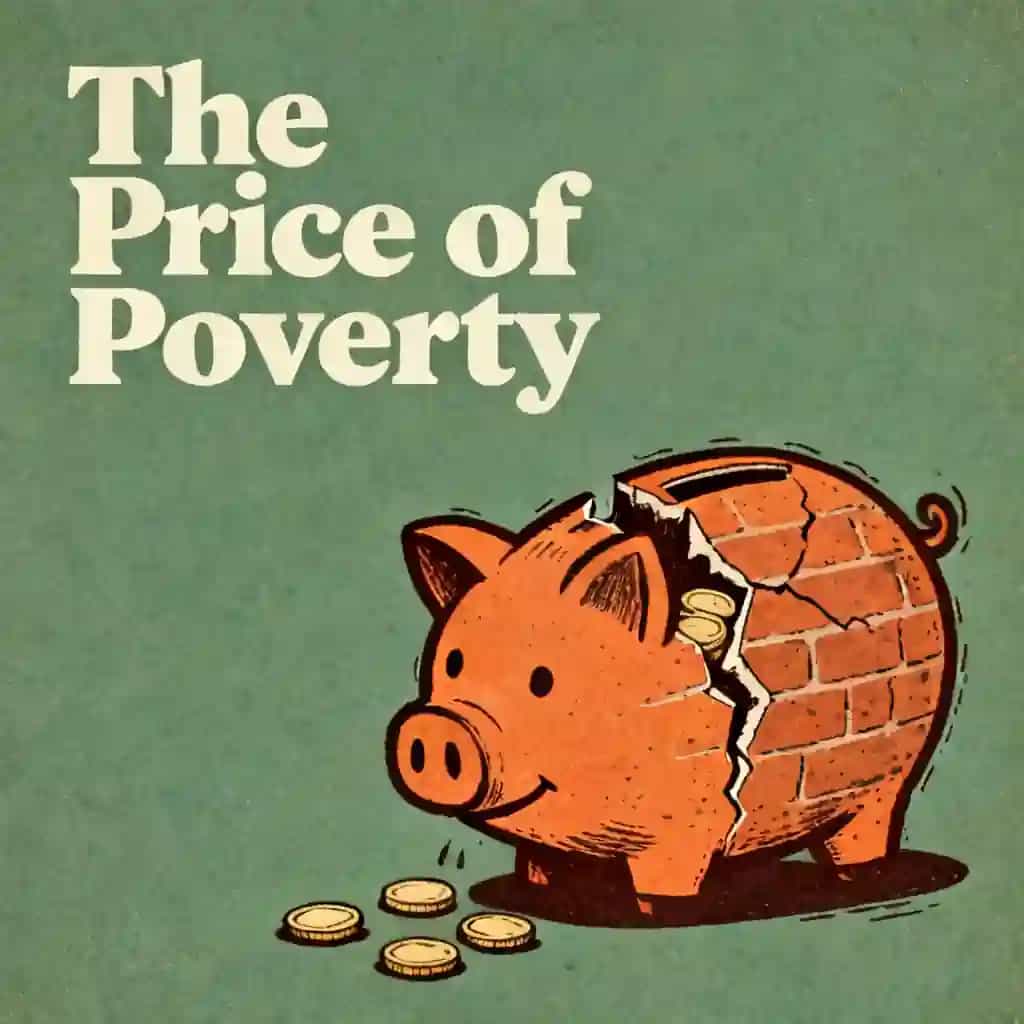
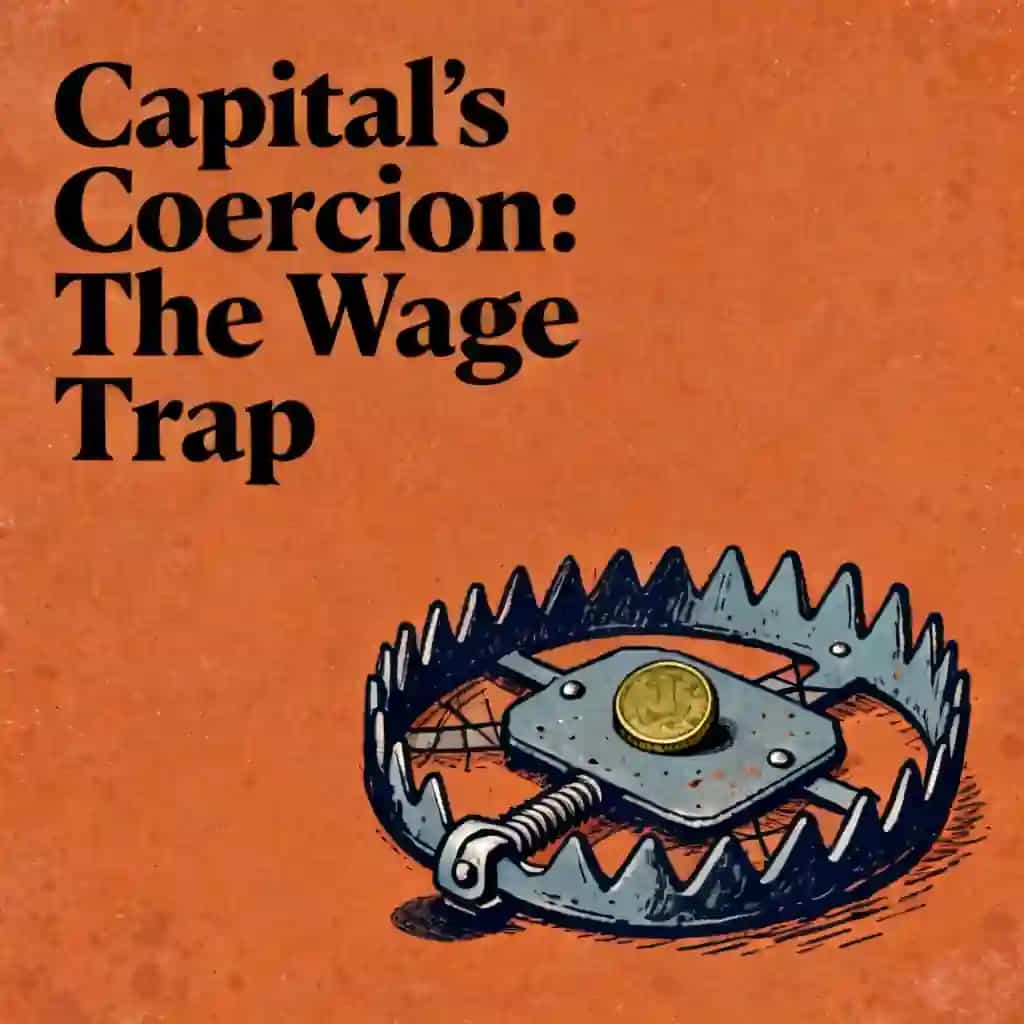
《The human cost of welfare》概述
"The Human Cost of Welfare" exposes how America's welfare system traps recipients in dependency. Endorsed by former governor Gary Johnson, this eye-opening investigation features stories from 100+ welfare recipients, revealing counterintuitive truths about programs designed to help but often harm those most vulnerable.
- Welfare cliffs punish low-income workers for earning higher salaries.
- Complex benefit rules force recipients to prioritize aid over careers.
- Phil Harvey exposes how Medicaid and SNAP create income calculation risks.
- Anti-work incentives trap families in dependency cycles instead of empowerment.
- The welfare system’s hidden toll includes lost happiness and self-sufficiency.
- Earning slightly more can trigger sudden loss of housing or healthcare.
- Welfare rules destabilize family units by penalizing marriage and shared income.
- Phil Harvey’s case studies prove bureaucracy often overrides human dignity.
- Work disincentives perpetuate poverty more effectively than systemic underfunding.
- True safety nets require smarter phase-outs, not abrupt benefit cutoffs.
《The human cost of welfare》作者介绍
Phil Harvey (1938–2021) was a libertarian entrepreneur and the author of The Human Cost of Welfare. He dedicated his career to advocating for individual autonomy and challenging government overreach.
A Harvard-educated philanthropist, Harvey co-founded Population Services International and DKT International. These organizations delivered family planning resources across more than 70 countries. His work, blending social impact with market-driven solutions, informs the book’s critique of welfare systems and emphasis on personal agency.
Harvey's controversial 2001 memoir, The Government vs. Erotica, detailed his eight-year legal battle defending free expression through his mail-order business Adam & Eve. It was later adapted into documentaries like Can We Take a Joke? A Pushcart Prize-nominated author, his fiction collections Wisdom of Fools and Devotional explore human motivation through unflinching narratives.
Harvey’s organizations now impact more than 50 million people annually, cementing his legacy as a disruptor of restrictive systems.
关于《The human cost of welfare》的常见问题
What is The Human Cost of Welfare by Phil Harvey about?
The Human Cost of Welfare critiques traditional welfare systems through a libertarian lens, arguing they often perpetuate dependency and bureaucratic inefficiency. Harvey examines unintended consequences like reduced personal agency and economic stagnation, advocating for market-driven solutions that prioritize individual empowerment over state control. The book combines empirical analysis with case studies to challenge assumptions about poverty alleviation.
Who should read The Human Cost of Welfare?
Policymakers, economists, and readers interested in libertarian critiques of social systems will find this book provocative. It’s also relevant for advocates of welfare reform or those studying the intersection of government programs and individual freedom. Harvey’s accessible style makes complex socioeconomic concepts approachable for general audiences.
Is The Human Cost of Welfare worth reading?
Yes, for its bold exploration of welfare’s unintended harms and alternatives like decentralized aid models. While controversial, Harvey’s data-driven approach and decades of philanthropic experience lend credibility. Critics argue it oversimplifies systemic inequality, but the book sparks critical dialogue about balancing compassion and self-reliance.
What are the main arguments in The Human Cost of Welfare?
- Dependency Cycle: Prolonged welfare eligibility discourages workforce participation.
- Bureaucratic Waste: Administrative costs dilute aid effectiveness.
- Market Solutions: Tax incentives and private charities outperform state programs.
- Human Dignity: Top-down systems undermine personal accountability and resilience.
How does The Human Cost of Welfare use real-world examples?
Harvey analyzes failed welfare expansions in 1980s India and post-2008 U.S. stimulus packages to show how poorly designed aid exacerbates poverty. He contrasts these with successful microfinance initiatives in Bangladesh and Chile, emphasizing localized, conditional support.
What solutions does Phil Harvey propose in The Human Cost of Welfare?
- Replace universal entitlements with means-tested vouchers
- Expand tax credits for low-income workers
- Deregulate nonprofit sectors to boost charitable innovation
- Implement time limits on benefits to incentivize self-sufficiency
How does The Human Cost of Welfare compare to other libertarian books?
Unlike Murray’s Losing Ground (focused on cultural factors), Harvey stresses institutional redesign. It aligns with Sowell’s Basic Economics on market efficiency but adds firsthand philanthropic insights from Harvey’s CARE and DKT International work.
What are common criticisms of The Human Cost of Welfare?
Progressives argue it underestimates structural barriers like racism and wage stagnation. Others claim Harvey’s corporate philanthropy background (e.g., Adam & Eve) conflicts with his anti-statist stance. The book’s narrow focus on economic metrics also draws fire for neglecting emotional safety nets.
Why is The Human Cost of Welfare relevant in 2025?
With AI displacing low-wage jobs and universal basic income debates intensifying, Harvey’s warnings about perverse incentives resonate. The book’s framework helps evaluate emerging policies like gig-worker protections or conditional cryptocurrency aid programs.
What key quotes define The Human Cost of Welfare?
- “Aid should be a ladder, not a hammock”.
- “Systems that distrust human ingenuity inevitably fail humans”.
- “The state’s compassion is often just thinly veiled control”.
How does Phil Harvey’s background influence The Human Cost of Welfare?
Harvey’s leadership at Population Services International and DKT International shaped his focus on scalable, dignity-preserving aid. His libertarian advocacy against censorship (via Adam & Eve’s legal battles) mirrors his distrust of centralized power.
What books pair well with The Human Cost of Welfare?
- Matthew Desmond’s Poverty, By America (pro-welfare expansion counterpoint)
- Charles Murray’s By the People (libertarian governance principles)
- Esther Duflo’s Good Economics for Hard Times (empirical policy analysis)
通过作者的声音感受这本书
将知识转化为引人入胜、富含实例的见解
快速捕捉核心观点,高效学习
以有趣互动的方式享受这本书
《The human cost of welfare》主要人物
- Phil HarveyCo-author and researcher of welfare policy
- Lisa ConyersCo-author who interviewed welfare recipients
- CoraTeacher on the Pine Ridge Reservation
- MartaHomeless woman in Brooklyn working informally
- TerryResident of a Seattle homeless encampment
《The human cost of welfare》核心主题
- welfare trap
- work disincentives
- government dependency
- psychology of work
- poverty cliff
《The human cost of welfare》经典语录
I have to work or I'd go crazy.
The money doesn't go to the kid.
Washington State has better benefits so I moved here.
I would much rather be working, at any job, than living the way I live right now.
We effectively pay people to stay poor.
探索你的学习方式
 快速摘要模式
10分钟阅读或收听《The human cost of welfare》摘要
将《The human cost of welfare》的核心观点拆解为易于理解的要点,了解创新团队如何创造、协作和成长。

 趣味模式
趣味模式
《The human cost of welfare》的启示 - 21分钟故事
通过生动的故事体验《The human cost of welfare》,将创新经验转化为令人难忘且可应用的精彩时刻。
 个性化模式
个性化模式
用你自己的学习方式体验《The human cost of welfare》
随时提问,选择你的学习方式,共创真正适合你的洞察。

"Instead of endless scrolling, I just hit play on BeFreed. It saves me so much time."


"I never knew where to start with nonfiction—BeFreed’s book lists turned into podcasts gave me a clear path."


"Perfect balance between learning and entertainment. Finished ‘Thinking, Fast and Slow’ on my commute this week."
"Crazy how much I learned while walking the dog. BeFreed = small habits → big gains."
"Reading used to feel like a chore. Now it’s just part of my lifestyle."

"Feels effortless compared to reading. I’ve finished 6 books this month already."
"BeFreed turned my guilty doomscrolling into something that feels productive and inspiring."

"BeFreed turned my commute into learning time. 20-min podcasts are perfect for finishing books I never had time for."
"BeFreed replaced my podcast queue. Imagine Spotify for books — that’s it. 🙌"

"It is great for me to learn something from the book without reading it."
"The themed book list podcasts help me connect ideas across authors—like a guided audio journey."
"Makes me feel smarter every time before going to work"
"Instead of endless scrolling, I just hit play on BeFreed. It saves me so much time."
"I never knew where to start with nonfiction—BeFreed’s book lists turned into podcasts gave me a clear path."
"Perfect balance between learning and entertainment. Finished ‘Thinking, Fast and Slow’ on my commute this week."
"Crazy how much I learned while walking the dog. BeFreed = small habits → big gains."
"Reading used to feel like a chore. Now it’s just part of my lifestyle."
"Feels effortless compared to reading. I’ve finished 6 books this month already."
"BeFreed turned my guilty doomscrolling into something that feels productive and inspiring."
"BeFreed turned my commute into learning time. 20-min podcasts are perfect for finishing books I never had time for."
"BeFreed replaced my podcast queue. Imagine Spotify for books — that’s it. 🙌"
"It is great for me to learn something from the book without reading it."
"The themed book list podcasts help me connect ideas across authors—like a guided audio journey."
"Makes me feel smarter every time before going to work"
"Instead of endless scrolling, I just hit play on BeFreed. It saves me so much time."
"I never knew where to start with nonfiction—BeFreed’s book lists turned into podcasts gave me a clear path."
"Perfect balance between learning and entertainment. Finished ‘Thinking, Fast and Slow’ on my commute this week."
"Crazy how much I learned while walking the dog. BeFreed = small habits → big gains."
"Reading used to feel like a chore. Now it’s just part of my lifestyle."
"Feels effortless compared to reading. I’ve finished 6 books this month already."
"BeFreed turned my guilty doomscrolling into something that feels productive and inspiring."
"BeFreed turned my commute into learning time. 20-min podcasts are perfect for finishing books I never had time for."
"BeFreed replaced my podcast queue. Imagine Spotify for books — that’s it. 🙌"
"It is great for me to learn something from the book without reading it."
"The themed book list podcasts help me connect ideas across authors—like a guided audio journey."
"Makes me feel smarter every time before going to work"
"Instead of endless scrolling, I just hit play on BeFreed. It saves me so much time."
"I never knew where to start with nonfiction—BeFreed’s book lists turned into podcasts gave me a clear path."
"Perfect balance between learning and entertainment. Finished ‘Thinking, Fast and Slow’ on my commute this week."
"Crazy how much I learned while walking the dog. BeFreed = small habits → big gains."
"Reading used to feel like a chore. Now it’s just part of my lifestyle."
"Feels effortless compared to reading. I’ve finished 6 books this month already."
"BeFreed turned my guilty doomscrolling into something that feels productive and inspiring."
"BeFreed turned my commute into learning time. 20-min podcasts are perfect for finishing books I never had time for."
"BeFreed replaced my podcast queue. Imagine Spotify for books — that’s it. 🙌"
"It is great for me to learn something from the book without reading it."
"The themed book list podcasts help me connect ideas across authors—like a guided audio journey."
"Makes me feel smarter every time before going to work"

下载《The human cost of welfare》摘要
免费获取《The human cost of welfare》摘要的 PDF 或 EPUB 版本。可打印或随时离线阅读。