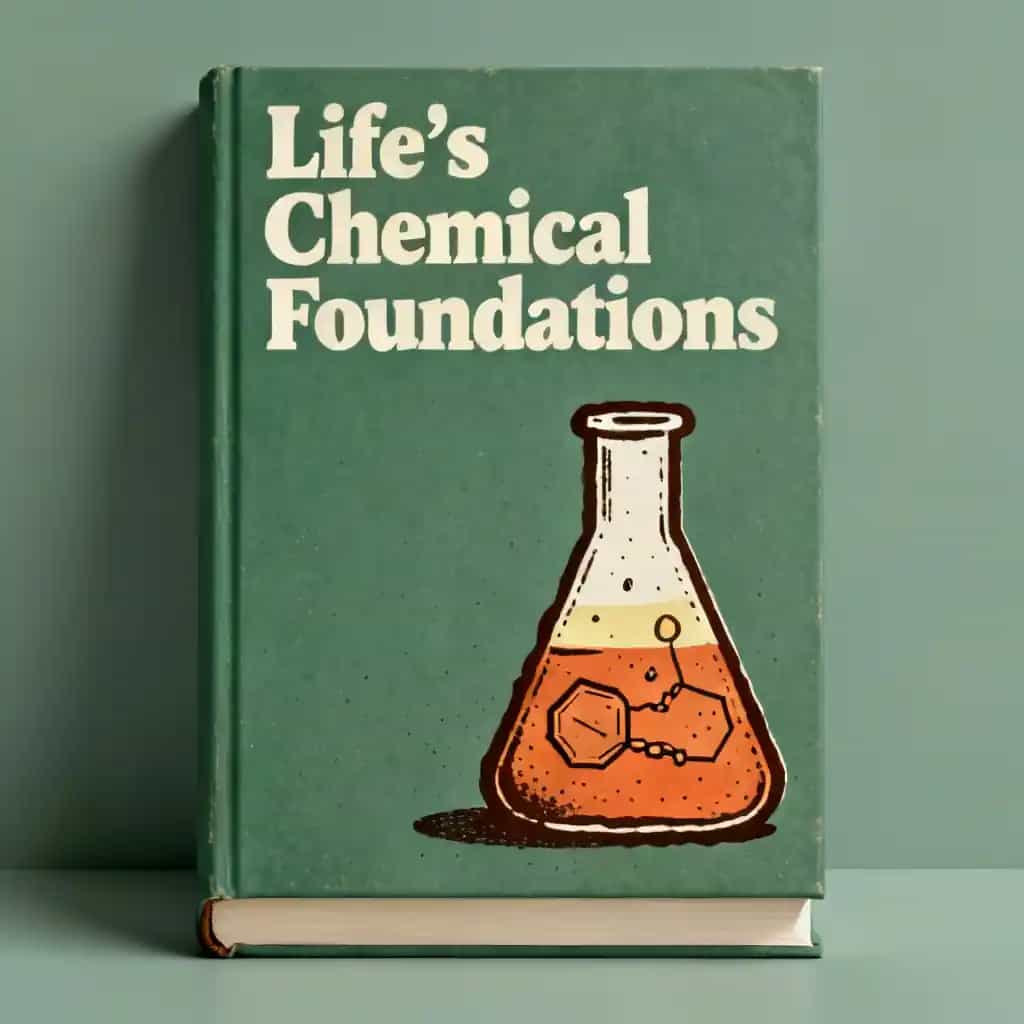
Journey through 250 chemical milestones that shaped our world, from gunpowder to graphene. Derek Lowe's accessible storytelling makes complex science fascinating for everyone. Did you know this 528-page treasure addresses both triumphs and tragedies - including the Bhopal disaster's sobering lessons?
通过作者的声音感受这本书
将知识转化为引人入胜、富含实例的见解
快速捕捉核心观点,高效学习
以有趣互动的方式享受这本书
Imagine a world without synthetic fabrics, lifesaving medications, or the smartphone in your pocket. This isn't just a thought experiment - it's what our reality would look like without chemistry's quiet revolution. Chemistry is the detective story of humanity, spanning millennia as we've learned to manipulate matter at its most fundamental level. What began with our ancestors' experiments with fire and pigments has evolved into the science that bridges physics and biology, enabling countless innovations we now take for granted. Long before we had words for atoms or molecules, humans were practicing chemistry. The magnificent forty-foot calcium sulfate formations in Mexico's Cave of Crystals demonstrate nature's patient chemistry at work over hundreds of thousands of years. These natural wonders sparked humanity's curiosity about transformation and laid the groundwork for systematic investigation of materials. The Bronze Age marked our first deliberate manipulation of matter to create something entirely new. Around 3300 BCE, Mesopotamian metallurgists discovered that combining copper with tin produced a harder, more durable alloy. This wasn't merely technological advancement - it required sophisticated trade networks since tin and copper ores rarely occurred together. The precise ratio of copper to tin (roughly 88:12) demonstrates an early understanding of chemical proportions. Our earliest recorded chemical preparation comes from Sumerian tablets describing soap-making around 2800 BCE. The basic formula - combining water, alkali from ashes, and oil - remains effective today. This process, creating molecules with water-soluble ends and oil-soluble chains, demonstrates a fundamental principle that would later prove crucial to understanding cell membranes. Iron smelting transformed human civilization around 1300 BCE. When Mediterranean trade disruptions affected bronze production, metalworkers developed techniques requiring higher-temperature furnaces. The varying properties of iron with different carbon contents - from soft wrought iron to the perfect balance of steel - show how subtle chemical differences dramatically alter material properties.
将《The Chemistry Book》的核心观点拆解为易于理解的要点,了解创新团队如何创造、协作和成长。
将《The Chemistry Book》提炼为快速记忆要点,突出坦诚、团队合作和创造力的关键原则。

通过生动的故事体验《The Chemistry Book》,将创新经验转化为令人难忘且可应用的精彩时刻。
随心提问,选择声音,共同创造真正与你产生共鸣的见解。

"Instead of endless scrolling, I just hit play on BeFreed. It saves me so much time."
"I never knew where to start with nonfiction—BeFreed’s book lists turned into podcasts gave me a clear path."
"Perfect balance between learning and entertainment. Finished ‘Thinking, Fast and Slow’ on my commute this week."
"Crazy how much I learned while walking the dog. BeFreed = small habits → big gains."
"Reading used to feel like a chore. Now it’s just part of my lifestyle."
"Feels effortless compared to reading. I’ve finished 6 books this month already."
"BeFreed turned my guilty doomscrolling into something that feels productive and inspiring."
"BeFreed turned my commute into learning time. 20-min podcasts are perfect for finishing books I never had time for."
"BeFreed replaced my podcast queue. Imagine Spotify for books — that’s it. 🙌"
"It is great for me to learn something from the book without reading it."
"The themed book list podcasts help me connect ideas across authors—like a guided audio journey."
"Makes me feel smarter every time before going to work"

免费获取《The Chemistry Book》摘要的 PDF 或 EPUB 版本。可打印或随时离线阅读。