第 1 章
Living on the Edge: Understanding the Emotional Rollercoaster of BPD
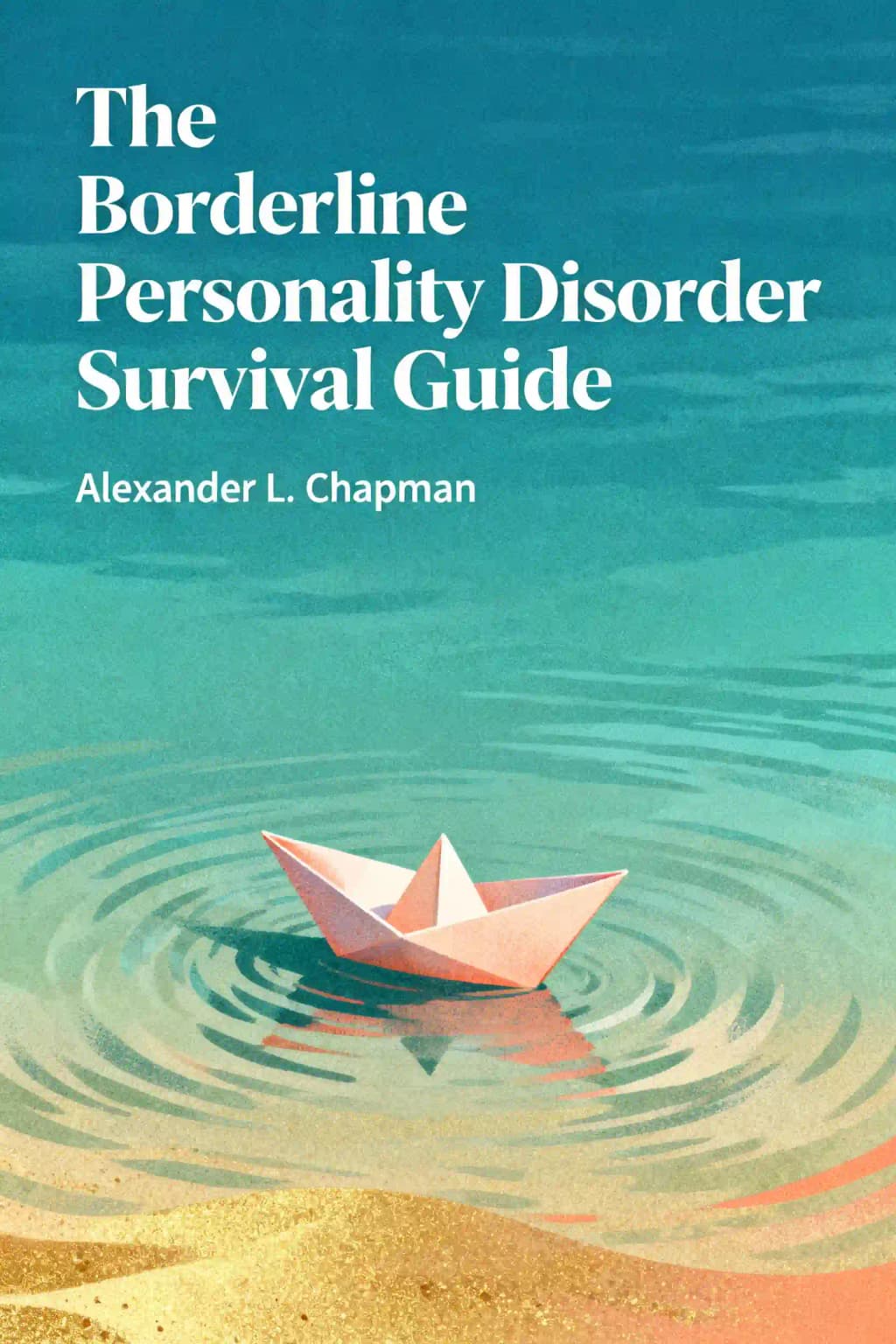
When intense emotions feel like third-degree burns on your psyche and relationships seem to explode at the slightest spark, you might be experiencing what millions of others with Borderline Personality Disorder face daily. This groundbreaking guide by Alexander Chapman and Kim Gratz has become a lifeline for those navigating the turbulent waters of BPD since its publication. Endorsed by leading mental health professionals and embraced by celebrities like Pete Davidson and Brandon Marshall who have spoken openly about their BPD diagnoses, this book cuts through misconceptions with compassion and clarity. In a mental health landscape where BPD was once considered untreatable, Chapman and Gratz's work represents a paradigm shift, offering not just understanding but genuine hope for recovery-a message that continues to resonate across social media platforms where #BPDawareness has garnered millions of views from those seeking to understand this complex condition.
第 2 章
The BPD Experience: Walking Through Emotional Fire
Imagine feeling emotions so intensely that they seem to physically burn you from the inside out. This is the reality for people with Borderline Personality Disorder, who experience what experts describe as emotional "third-degree burns." Their emotions flare with extraordinary intensity, yet paradoxically, they often fear these same emotions. This challenging combination leads many to adopt harmful coping strategies like self-harm, substance abuse, or relationship sabotage that provide momentary relief but ultimately worsen their suffering.
BPD affects approximately 1-2% of the population-millions of people worldwide-who struggle with emotional instability, identity confusion, relationship difficulties, and impulsive behaviors. Despite its prevalence and the immense suffering it causes, BPD has only recently gained mainstream attention through research breakthroughs and media coverage.
The condition's impact extends beyond the individual to affect loved ones who feel helpless watching someone they care about struggle with suicidal thoughts, emotional volatility, and relationship chaos. Many describe the experience as watching someone they love suffer while being unable to reach them through conventional means of support and reassurance.
What makes BPD particularly challenging is that it manifests differently in each person. With nine diagnostic criteria of which only five are needed for diagnosis, there are 151 possible symptom combinations. This means two people with the same diagnosis might present very differently, though they share core struggles with emotional regulation, relationship stability, and sense of self.
Understanding BPD requires recognizing that it's not about being "crazy" or "manipulative"-terms that have unfairly stigmatized those with the disorder. Rather, it's about experiencing emotions with an intensity most people can't comprehend and struggling to develop effective ways to manage those emotions without self-destruction.
第 3 章
Breaking the Stigma: Dispelling Dangerous BPD Myths
Despite growing awareness about mental health conditions, BPD remains heavily stigmatized, perhaps more so than any other psychiatric disorder. This stigma stems partly from the dramatic, sometimes shocking behaviors associated with the condition-like self-harm or intense emotional outbursts-that can frighten or confuse others. Media portrayals further contribute to misunderstandings, often depicting people with BPD as dangerous or manipulative for dramatic effect rather than showing the full humanity behind the disorder.
Perhaps the most damaging myth is that people with BPD are manipulative attention-seekers who harm themselves to control others. This misconception likely developed as people tried to make sense of behaviors like self-harm that seem incomprehensible. When someone engages in life-threatening behavior and others rush to help, observers might incorrectly assume the behavior was calculated to elicit that response. However, research clearly shows that influencing others is rarely the primary motivation. People with BPD typically harm themselves to escape overwhelming emotional pain, not to manipulate others.
Another persistent myth suggests that people with BPD are violent and dangerous to others. In reality, they're far more likely to hurt themselves than anyone else. Many actually go to extraordinary lengths to avoid harming others, often sacrificing their own needs to make others happy. Unlike those with antisocial personality disorder, who may direct anger outward, people with BPD typically internalize their anger, directing it against themselves through self-destructive behaviors.
Until recently, BPD was considered a "life sentence"-an incurable condition that some clinicians avoided diagnosing to spare patients the burden of an "untreatable" label. We now know this is dramatically false. Research shows that BPD actually has a better prognosis than many other psychiatric conditions, including bipolar disorder. Most people with BPD recover over time, particularly with appropriate treatment.
The myth that BPD is caused by "bad parenting" has also caused tremendous harm. While childhood experiences certainly play a role in development, BPD results from complex interactions between biological vulnerabilities and environmental factors. Many families of people with BPD work incredibly hard to help their loved ones who may simply have been born more sensitive and emotional than others.
Perhaps most fundamentally, we need to dispel the notion that people with BPD are irrational or crazy. Their behaviors, even self-destructive ones, serve important purposes-primarily to escape overwhelming emotional pain. These behaviors are understandable attempts to cope with extraordinary distress, even if they have serious long-term consequences.
第 4 章
The Perfect Storm: What Causes BPD?
Borderline Personality Disorder emerges from a complex interplay of biological vulnerabilities and environmental stressors-a perfect storm where nature meets nurture. Research increasingly points to a strong genetic component. Twin studies reveal that identical twins have a 35% chance of sharing the diagnosis compared to just 7% for fraternal twins, suggesting about 50% heritability. First-degree relatives of people with BPD are twelve times more likely to have the disorder than the general population.
These genetic factors likely create vulnerability rather than directly causing BPD. People with the disorder often score higher on neuroticism-the tendency to experience negative emotions intensely-which has genetic underpinnings linked to serotonin activity in the brain. This predisposition makes them more sensitive to environmental stressors that might not significantly affect others.
Brain differences also play a crucial role. People with BPD typically have smaller amygdalas (the brain's emotional center) that paradoxically show heightened reactivity to emotional stimuli. Their prefrontal cortex, which helps regulate emotions, shows reduced activity during stressful situations. This combination-an overactive emotional alarm system with an underactive regulatory system-helps explain why emotions can spiral out of control when they're stressed.
The body's stress response system, the hypothalamic-pituitary-adrenal (HPA) axis, often functions differently in people with BPD. Their bodies produce exaggerated cortisol responses to stress, making even minor stressors feel overwhelming. This heightened physiological reaction may explain why spilling coffee or experiencing computer problems can trigger intense emotional responses that seem disproportionate to others.
Environmental factors, particularly childhood experiences, interact with these biological vulnerabilities. About half of people with BPD report childhood sexual abuse, with more severe abuse correlating with more severe symptoms. However, as researcher Mary Zanarini notes, childhood sexual abuse is "neither necessary nor sufficient" for developing BPD-many people with the disorder don't have abuse histories.
Perhaps more universally significant is the experience of invalidation-environments where emotions are consistently dismissed, punished, or ignored. When children's feelings are treated as wrong, inappropriate, or overreactive, they learn to distrust their own emotional experiences. This creates a vicious cycle: invalidation makes emotions feel more chaotic, leading to either emotional suppression or explosive expression, which in turn elicits more invalidation.
Attachment problems-difficulties forming healthy emotional bonds with caregivers-also contribute significantly. People with BPD often develop what psychologists call "disorganized attachment," characterized by conflicting impulses to both seek and avoid closeness. This pattern mirrors the relationship instability seen in BPD, where individuals alternate between idealizing and devaluing close relationships.
Once established, BPD is maintained through ongoing adverse life events and reinforcement of problematic behaviors. People with BPD often experience what Marsha Linehan calls "unrelenting crisis"-an overwhelming number of stressful events occurring in rapid succession without recovery time. Their harmful coping mechanisms persist because they provide immediate relief, creating a vicious cycle where short-term emotional regulation comes at the cost of long-term well-being.
第 5 章
The Recovery Journey: BPD's Surprising Prognosis
Contrary to outdated beliefs that personality disorders are permanent, research now shows that most people diagnosed with BPD will not have the condition forever. This represents one of the most hopeful findings in modern psychiatric research. Studies tracking hospitalized BPD patients found that 74% no longer met criteria for the disorder within six years, with many experiencing remission in just two years. Even more remarkably, 94% of those who recover don't relapse.
This recovery happens even without specialized BPD treatments, suggesting the disorder naturally tends to improve over time. Unlike conditions such as depression or bipolar disorder that tend to recur throughout life, BPD often resolves permanently once recovery occurs. Some researchers have found that 10% of patients stopped meeting BPD criteria within just six months, and over 25% reported almost no symptoms for more than a year, indicating complete recovery.
However, not all symptoms improve at the same rate. Behavioral symptoms like self-harm and suicidal behavior show the most dramatic improvement-dropping from 80% to just 25% of patients after six years. Substance abuse similarly decreases from 50% to 25%. These behavioral symptoms respond particularly well to treatment interventions.
In contrast, emotional symptoms like intense depression, hopelessness, guilt, anger, and anxiety often persist even after patients no longer meet full BPD criteria. This may reflect an inherent emotional intensity that's part of one's temperament rather than the disorder itself. Rather than trying to eliminate emotions (which is impossible), treatment is more effective when focused on changing how you cope with feelings and problems.
Several factors can slow recovery from BPD. Having additional psychiatric disorders-particularly substance use disorders, PTSD, depression, or anxiety-makes recovery more challenging. People without substance problems are four times more likely to achieve BPD remission, likely because substance abuse creates many of the same problems BPD sufferers already struggle with: risky behavior, emotional instability, and relationship difficulties.
PTSD frequently accompanies BPD and complicates recovery by creating a "double dose" of similar problems-especially emotional dysregulation and avoidance behaviors. While BPD sufferers tend to avoid emotions, PTSD sufferers avoid trauma reminders. This combined avoidance prevents the active problem-solving necessary for recovery.
Personality traits also influence recovery. People with naturally anxious-fearful temperaments-those who tend to be cautious and shy in new situations-may find recovery more challenging because improvement requires taking risks and actively seeking support. However, this doesn't mean recovery is impossible-it just means they may need to push themselves harder.
Relationships significantly impact recovery trajectory. When people learn healthier coping mechanisms than self-harm, their relationships typically improve. Conversely, stable, supportive relationships can accelerate recovery. Some researchers believe relationship quality dramatically influences BPD symptoms and course, with significant improvements sometimes occurring shortly after ending stressful relationships or developing supportive ones.
第 6 章
When Problems Multiply: BPD and Co-occurring Conditions
People with BPD rarely struggle with that disorder alone. Most contend with additional psychiatric conditions that further complicate their lives and treatment. Understanding these co-occurring disorders is essential for developing effective treatment strategies and recognizing that recovery often requires addressing multiple interconnected issues simultaneously.
Substance use disorders affect about two-thirds of people with BPD, creating perhaps the biggest obstacle to recovery. This connection exists largely because substances provide temporary escape from emotional pain. When experiencing intense emotions, people naturally seek relief. While most use healthy coping strategies like calling friends or taking deep breaths, those with BPD often need something stronger due to their more intense emotions.
Unfortunately, substance use creates a vicious cycle-the relief is temporary, tolerance builds requiring more of the substance, and withdrawal symptoms develop. Despite these consequences, the immediate relief substances provide can be so powerful that people in extreme emotional pain accept the long-term risks. The good news is that treatments like DBT effectively address both BPD and substance use by teaching healthier ways to cope with emotional pain.
Eating disorders like anorexia and bulimia affect up to 50 percent of people with BPD. Similar to substance use, eating disorders often serve as ways to cope with emotional distress. Binge eating temporarily relieves negative emotions-certain foods actually trigger dopamine release in the brain's pleasure center, creating comfort and calmness. Additionally, eating disorders can provide a sense of control when emotions and relationships feel chaotic. Although this control is ultimately an illusion, the ability to restrict food intake can temporarily satisfy the need for control in at least one area of life.
Depression is extremely common among people with BPD, with studies showing 41 to 87 percent of BPD sufferers also struggle with depression. The symptoms of BPD often lead to depression-difficult relationships, fears of abandonment, intense negative emotions, identity confusion, and the painful treatment process itself can all contribute to feelings of hopelessness and isolation. Research shows that as BPD symptoms improve over time, depression typically decreases as well, supporting the idea that depression stems from the painful symptoms of BPD rather than the other way around.
About 10 percent of people with BPD also have bipolar disorder, characterized by extreme mood fluctuations. While both conditions involve mood instability, the patterns differ significantly. Bipolar mood shifts typically last days or weeks, while BPD mood changes can occur within minutes or hours. Misdiagnosis is common due to these similarities, with many people incorrectly diagnosed with bipolar disorder when they actually have BPD.
Anxiety disorders frequently accompany BPD, with social anxiety disorder, panic disorder, and PTSD being most common. These high rates may stem from the invalidating experiences, relationship difficulties, and emotional dysregulation that characterize BPD. The heightened stress levels and difficulty managing emotions in BPD can trigger panic attacks, while shared risk factors like childhood trauma explain the high comorbidity with PTSD.
The good news is that comprehensive BPD treatments like Dialectical Behavior Therapy often address these co-occurring conditions simultaneously, meaning separate treatments for each disorder may not be necessary. For some conditions like depression, symptoms typically improve as BPD treatment progresses.
第 7 章
Understanding Self-Harm and Suicidal Behavior in BPD
Self-harm and suicidal behaviors represent some of the most serious and misunderstood aspects of BPD. While approximately 75% of people with BPD report having made a suicide attempt, and between 5-10% eventually die by suicide, it's crucial to understand that these behaviors serve specific functions and can be addressed through effective treatment.
First, it's important to distinguish between different behaviors. A suicide attempt specifically means deliberately hurting yourself with the clear intent to end your life. Deliberate self-harm, by contrast, involves hurting yourself without wanting to die. Some people experience ambivalence about dying, partly wanting to die while partly wanting to live. Understanding these distinctions is crucial for appropriate treatment responses.
People with BPD harm themselves for several key reasons. The most common is to escape overwhelming emotional pain-96% of women with BPD report using self-harm and 86% report suicide attempts for emotional relief. The intense emotions of BPD combined with poor emotion regulation skills create situations where self-harm provides immediate, though harmful, relief. Studies show people with BPD actually report feeling better emotionally after self-harm, and physiological studies confirm lower emotional arousal when they imagine harming themselves.
Self-punishment is another common motivation, especially for self-harm (63% report this reason) compared to suicide attempts (38%). For those raised in invalidating environments where emotions were punished or criticized, self-punishment becomes internalized. This behavior ultimately worsens self-esteem and solves nothing, yet persists because it's familiar and provides a sense of control.
Many people with BPD experience emptiness, numbness, or dissociation. Self-harm provides a way to feel something-anything-even if it's physical pain. Research shows 54% of women with BPD use self-harm to generate feelings when experiencing emotional numbness.
Some attempt suicide believing they're reducing their burden on others. In one study, 31% of women with BPD reported suicide attempts to "make others better off." This thinking is dangerously flawed-suicide devastates survivors and increases suicide risk among family members, especially children.
People with BPD often struggle with relationship conflicts and assertiveness. When conventional communication fails, self-harm or suicide attempts may become a way to express distress. Approximately 60% of people with BPD report using self-harm and 45% report suicide attempts as communication methods.
Understanding your reasons for self-harm is the first step toward stopping. Though difficult-comparable to quitting smoking-many people successfully stop these behaviors. When urges arise, pause to identify what you're seeking from the behavior, then consider healthier alternatives. Questions to ask yourself include: How else can I feel better? Can I ride out these emotions? What can I do to feel something intensely without harming myself? How can I reduce feeling like a burden? What am I punishing myself for?
第 8 章
Treatment Pathways: Finding the Right Help for BPD
Finding appropriate help for BPD can feel overwhelming, but effective treatments exist. The first step is gathering accurate information from reliable sources. Recommended websites include TARA NAPD (Treatment and Research Advancements National Association for Personality Disorder), NEA-BPD (National Education Alliance for BPD), The Borderline Sanctuary, BPD Central, and Behavioral Tech LLC, founded by Dr. Marsha Linehan.
BPD treatment generally falls into two categories: psychological treatments and medication. Psychological treatments include cognitive behavioral therapy (CBT), dialectical behavior therapy (DBT), and psychodynamic therapy. Experts recommend choosing the least-intensive treatment that can be integrated into your real life. Medication treatments are best used in combination with psychological treatments, not alone.
When seeking help, start by locating mental health professionals with specialized BPD training through online resources or referrals from hospitals, universities, or community directories. Get a thorough professional assessment rather than self-diagnosing. Once diagnosed, discuss treatment recommendations thoroughly, asking about credentials, experience with BPD, treatment approaches, duration, expectations, and costs.
When interviewing potential therapists, ask key questions about their treatment approach, expected changes, research support, risks, meeting frequency, duration, termination criteria, emergency policies, phone availability, and protocols for self-harm situations. Consider whether you prefer problem-solving approaches like CBT, group support, or specific therapist qualities. Meet potential therapists to assess compatibility before committing to treatment.
Dialectical Behavior Therapy (DBT) is one of the most effective treatments for BPD. Developed by Dr. Marsha Linehan in the 1970s and early 1980s, DBT was initially created to help suicidal women but evolved into a specialized treatment for BPD. Rather than simply focusing on stopping suicide attempts, DBT helps people develop lives worth living.
DBT is based on the biosocial theory, which explains that BPD develops from the interaction between biological factors (emotional vulnerability) and social/environmental factors (invalidation). The treatment balances acceptance and validation with practical problem-solving approaches. Standard DBT includes weekly individual therapy, skills training groups, telephone consultation, and a therapist consultation team.
Skills training occurs in structured group settings where clients learn mindfulness, interpersonal effectiveness, emotion regulation, and distress tolerance skills. Mindfulness helps clients pay attention to the present moment without judgment. Interpersonal effectiveness skills help navigate relationships by keeping goals in mind and asking for things effectively. Emotion regulation skills help manage emotions through observation, acceptance, and change strategies. Distress tolerance skills teach clients to get through difficult situations without making things worse.
Eight published randomized clinical trials demonstrate DBT's effectiveness at reducing suicide attempts, self-harm, anger problems, and hospital visits while improving social functioning. Research also shows DBT works for related problems that often accompany BPD, including substance use and eating disorders.
Mentalization-Based Treatment (MBT) is another promising approach. Developed by Dr. Anthony Bateman and Dr. Peter Fonagy in England, MBT focuses on strengthening the person's sense of self rather than primarily targeting emotional regulation. The treatment helps clients understand that behaviors arise from internal mental states like thoughts, feelings, and desires-a capacity called "mentalization" that often develops inadequately in people with BPD.
第 9 章
Living with BPD: Practical Skills for Daily Life
While professional treatment is essential for BPD recovery, certain practical skills can help manage overwhelming emotions and suicidal thoughts in daily life. These techniques aren't substitutes for therapy but can provide crucial support between sessions.
When experiencing suicidal thoughts, the first step is removing yourself from "lethal means"-anything you might use to harm yourself like medications, sharp objects, or places to purchase harmful items. Then examine what you truly want-is it death, or relief from problems and emotional pain? Recognizing that suicidal thoughts signal an underlying problem helps redirect focus to identifying and addressing that problem.
Simply changing your environment can make a tremendous difference when feeling suicidal. Leave your current location and go somewhere with other people around-a restaurant, coffee shop, mall, or library. Once there, focus on your surroundings rather than staying trapped in your thoughts. Pay attention to sights, sounds, smells and tastes to experience the world from a different perspective.
Identifying important reasons not to kill yourself can be lifesaving. These might include beliefs that you can eventually solve your problems, concerns about hurting family or loved ones, fears about dying or failed attempts resulting in permanent disability, moral or religious objections, and fears of disapproval. Create your own personalized list of reasons for living and review it when thoughts of suicide arise.
For managing overwhelming emotions, acceptance is a powerful first step. Acceptance means letting emotions exist as they are without struggling to change, avoid, or suppress them. This doesn't mean liking your emotions or surrendering to hopelessness-it simply means acknowledging reality before taking steps to change it. You can practice acceptance by watching physical sensations without judgment, saying "I accept that I feel _____ right now," acknowledging difficult events, or using mindful breathing techniques.
When emotions become overwhelming, distraction techniques can provide temporary relief. These include mental exercises (counting backward, solving puzzles), engaging in work or chores with complete focus, doing enjoyable activities, using imagination to visualize pleasant scenes, listening to mood-shifting music, watching engaging shows, getting active socially, or stimulating your senses with strong tastes, temperatures, smells, sounds, or textures.
Relaxation techniques help manage not just anxiety but other intense emotions like anger. Progressive muscle relaxation involves systematically tensing muscle groups to about 75-80% capacity for 5-10 seconds before releasing them, working from toes to head (or vice versa). This helps you distinguish between tension and relaxation while significantly reducing anxiety. Diaphragmatic breathing involves breathing slowly through your abdomen rather than your chest, which brings more oxygen into your lungs and helps calm your mind.
With practice, these skills can become part of a personal emotional regulation plan. For example, one client developed a sequence: first slowing her breathing and focusing on the present moment, then practicing acceptance of her situation and feelings, using distraction when needed, and finally addressing her situation once calmer. While these techniques won't cure BPD, they can provide crucial support while pursuing professional treatment.
第 10 章
The Medication Question: Understanding Pharmacological Options
Many people with BPD try medications to manage their emotional intensity. Unlike psychological treatments that work through talking and behavior change, medications alter body and brain chemistry by targeting neurotransmitters-chemicals like serotonin and dopamine that transmit signals between neurons.
The most common medications for BPD include antidepressants, mood stabilizers, and antipsychotics. Antidepressants like SSRIs (Prozac, Zoloft, Lexapro) prevent serotonin from being reabsorbed too quickly, allowing more to reach neighboring neurons. These medications typically take 2-4 weeks to become effective and may help reduce depression, anxiety, and mood shifts in BPD patients.
Mood stabilizers like lithium carbonate and anticonvulsants (carbamazepine, valproate, lamotrigine) can help with mood instability. Lithium works by altering electrolyte and fluid balance, while anticonvulsants either increase GABA (an inhibitory neurotransmitter) or block glutamate (an excitatory neurotransmitter). These medications may help reduce irritability and anger in some BPD patients.
Antipsychotic medications like olanzapine and risperidone are sometimes used for BPD despite it not being a psychotic disorder. They primarily work by blocking dopamine receptors in the brain and may help with some BPD symptoms, though their effectiveness varies and side effects can be substantial.
Different medications can have surprisingly similar effects on BPD symptoms regardless of their original purpose. Mood stabilizers, antipsychotics, and antidepressants all tend to help with emotional instability and anger. However, there's no "anti-BPD" medication that treats the entire disorder. As Dr. Joel Paris notes, medications may help with specific symptoms but are unlikely to lead to complete recovery. Most experts recommend combining medication with psychological treatment for maximum benefit.
When considering medication, gather comprehensive information from your psychiatrist about available options, their advantages and disadvantages, potential side effects, and what to expect during treatment. After gathering information, carefully weigh the pros and cons before rushing to fill a prescription. Consider factors like medication benefits versus side effects, availability of competent providers, lifestyle compatibility, relapse potential after stopping, cost and insurance coverage, consequences of missed doses, time until effectiveness, and whether you can tolerate the side effects.
To monitor medication effectiveness during brief monthly appointments, use a self-monitoring log to track emotions, thoughts, behaviors, and symptoms daily. Start using the log before beginning medication to establish a baseline, note when you start medication, and maintain consistent daily tracking at the same time each day.
The journey through BPD is challenging, but with appropriate treatment-whether psychological approaches like DBT or MBT, medication, or a combination-recovery is not just possible but likely. The key is finding the right help, developing effective coping strategies, and maintaining hope even through the most difficult periods. With time and proper support, most people with BPD find their way to lives worth living.