
La historia de Airbnb / The Airbnb Story: How Three Ordinary Guys Disrupted an Industry, Made Billions . . . and Created Plenty of Controversy

《La historia de Airbnb / The Airbnb Story》概述
How three ordinary guys turned air mattresses into a $31 billion empire that disrupted the hotel industry. Leigh Gallagher's fast-moving account reveals Airbnb's meteoric rise alongside its controversial impact on neighborhoods, safety regulations, and racial discrimination battles.
- Airbnb’s founders turned cereal sales into seed funding during the 2008 election to bootstrap their startup.
- Pivoting from air mattresses to global home-sharing required relentless iteration on their original “Air Bed & Breakfast” concept.
- Y Combinator’s mentorship transformed Airbnb’s trajectory by refining its community-driven hospitality model.
- Early growth hacks targeted saturated events like political conventions and design conferences to prove demand.
- Brian Chesky’s design-first philosophy embedded “artisanal travel experiences” into Airbnb’s brand identity.
- Surviving investor skepticism required framing home-sharing as a millennial-driven shift from impersonal hotels.
- Airbnb’s 2011 London launch marked its strategic pivot from U.S. lodging to global cultural immersion.
- The “host guarantee” program addressed safety concerns that initially stalled mainstream adoption.
- Nathan Blecharczyk’s engineering rigor scaled Airbnb’s platform while preserving its localized, community feel.
- Acquiring niche startups like Accoleo accelerated international expansion without diluting brand authenticity.
- Airbnb’s crisis management during early regulatory battles shaped its proactive policy engagement strategy.
- Leigh Gallagher frames Airbnb as a case study in ethical scaling of disruptive innovation.
《La historia de Airbnb / The Airbnb Story》作者介绍
Leigh Gallagher is the bestselling author of The Airbnb Story and an acclaimed business journalist known for her incisive analysis of modern economic trends. A graduate of the University of Michigan’s Helen Zell Writers’ Program, Gallagher combines narrative depth with rigorous reporting to explore themes of technological disruption, urban evolution, and innovation.
Her previous work, The End of the Suburbs, sparked national debates about housing and community dynamics, earning praise as a “first-rate social history” and “prophetic” examination of American life.
Gallagher’s expertise is amplified by her regular appearances on major media platforms, including MSNBC’s Morning Joe, CBS This Morning, and NPR’s Marketplace, where she dissects business and economic developments. As a Senior Managing Director at Teneo and former Google executive, she brings insider perspectives to her writing. Her debut novel, Who You Might Be, further showcases her versatility in weaving interconnected stories across genres.
The End of the Suburbs remains a touchstone in urban studies, translated into multiple languages and cited in academic and policy discussions. Gallagher’s work continues to shape conversations about the future of work, travel, and community in the digital age.
关于《La historia de Airbnb / The Airbnb Story》的常见问题
What is The Airbnb Story by Leigh Gallagher about?
The Airbnb Story chronicles how Brian Chesky, Joe Gebbia, and Nathan Blecharczyk transformed a rent-paying hack—renting air mattresses during a design conference—into a $30 billion global hospitality disruptor. It explores Airbnb’s core values of human connection and trust, its rapid growth, and controversies like racial discrimination and legal battles with cities. Gallagher highlights how the platform redefined travel by emphasizing unique stays and community over traditional hotels.
Who should read The Airbnb Story?
Aspiring entrepreneurs, startup enthusiasts, and business leaders seeking insights into disruptive innovation and scaling a platform business. The book appeals to readers interested in real-world case studies of community-driven growth, crisis management, and ethical challenges in the sharing economy. It’s also valuable for those analyzing modern tech giants’ societal impact.
Is The Airbnb Story worth reading?
Yes, for its gripping narrative of Airbnb’s meteoric rise and unvarnished look at its controversies. Gallagher balances entrepreneurial inspiration with critical analysis of issues like housing shortages and discrimination, offering lessons in adaptability and ethical leadership. The book’s blend of business strategy and human-driven storytelling makes it a standout in tech entrepreneurship literature.
What are the key ideas in The Airbnb Story?
- Human-centric design: Airbnb prioritized personal touches (e.g., handwritten notes) to foster trust between hosts and guests.
- Growth hacks: Early strategies included targeting events like SXSW and leveraging press coverage during the 2008 DNC.
- Community building: Host meetups and professional photography services strengthened platform loyalty.
- Crisis navigation: Addressing safety concerns and regulatory clashes shaped Airbnb’s policies.
How did Airbnb’s founders overcome early challenges?
Chesky and Gebbia funded their startup by selling politically themed cereals (Obama O’s, Capitol B’s) during the 2008 election. They pivoted from air mattresses to entire homes after user feedback and recruited engineer Nathan Blecharczyk to scale the platform. Persistent grassroots marketing, like targeted blog ads, helped build their initial host network.
What controversies does The Airbnb Story address?
- Discrimination: Studies revealed racial bias in booking approvals, prompting Airbnb’s “Community Commitment” anti-bias policy.
- Legal battles: Cities like New York and Barcelona sued Airbnb over zoning laws and housing shortages.
- Safety incidents: High-profile cases led to verified ID requirements and a 24/7 support hotline.
How does Airbnb’s business model differ from traditional hotels?
Airbnb leverages underutilized private spaces, offering cost-effective stays with localized experiences. Unlike hotels, it empowers hosts as micro-entrepreneurs and uses algorithmic pricing tools for competitive rates. The platform’s asset-light approach avoids real estate costs but faces regulatory scrutiny over tax compliance and housing impacts.
What leadership lessons does Brian Chesky exemplify in the book?
Chesky’s focus on mission-driven decisions (e.g., prioritizing host-guest connections over rapid monetization) and hands-on crisis management (e.g., personally responding to safety incidents) underscore his adaptive leadership. Gallagher also critiques his initial reluctance to address discrimination, highlighting the need for proactive corporate responsibility.
How does The Airbnb Story relate to current gig economy trends?
The book foreshadows debates about gig workers’ rights, remote work’s impact on urban housing, and platform accountability—issues central to today’s discussions about Uber and DoorDash. Airbnb’s “Live Anywhere” program (2021) and pandemic-driven pivot to long-term rentals mirror its adaptability in shifting markets.
What criticisms does The Airbnb Story face?
Critics argue Gallagher understates Airbnb’s role in housing affordability crises and gives insufficient attention to exploited cleaners/hosts. Some readers desire deeper analysis of the founders’ conflicts or the psychological toll of scaling a startup. However, the book is praised for its accessible storytelling and balanced reporting.
How can entrepreneurs apply lessons from The Airbnb Story?
- Validate through iteration: Test ideas in real-world scenarios (e.g., conference-based launches).
- Build trust systems: Implement reviews, verifications, and insurance to ease user hesitations.
- Leverage community: Turn users into brand ambassadors through meetups and incentive programs.
- Anticipate regulation: Engage policymakers early to shape favorable legislation.
Why is The Airbnb Story relevant in 2025?
With remote work and experiential travel rising, Airbnb’s focus on flexible living and authentic local experiences remains pivotal. The book’s lessons on resilience (e.g., pandemic recovery strategies) and ethical scaling inform debates about Web3 platforms and AI-driven marketplaces. Its case study on trust-building is critical for decentralized business models.
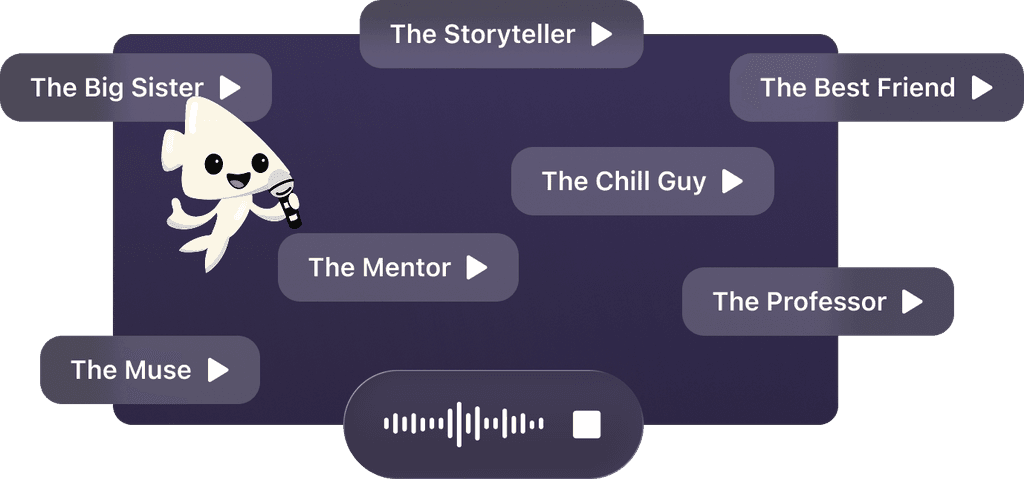
通过作者的声音感受这本书
将知识转化为引人入胜、富含实例的见解
快速捕捉核心观点,高效学习
以有趣互动的方式享受这本书
《La historia de Airbnb / The Airbnb Story》主要人物
- Brian CheskyCo-founder and CEO of Airbnb
- Joe GebbiaCo-founder of Airbnb and RISD graduate
- Nathan BlecharczykCo-founder and the technical programmer
- Amol SurveThe first guest to stay at the founders' apartment
- Michael SeibelEarly mentor and supporter from Justin.tv
《La historia de Airbnb / The Airbnb Story》核心主题
- sharing economy
- disruptive innovation
- startup hustle
- hospitality industry transformation
- design thinking
《La historia de Airbnb / The Airbnb Story》经典语录
Design could change the world.
Free ways to grow.
They prioritized understanding their users better.
探索你的学习方式
 快速摘要模式
8分钟阅读或收听《La historia de Airbnb / The Airbnb Story》摘要
将《La historia de Airbnb / The Airbnb Story》的核心观点拆解为易于理解的要点,了解创新团队如何创造、协作和成长。

 趣味模式
趣味模式
《La historia de Airbnb / The Airbnb Story》的启示 - 19分钟故事
通过生动的故事体验《La historia de Airbnb / The Airbnb Story》,将创新经验转化为令人难忘且可应用的精彩时刻。
 个性化模式
个性化模式
用你自己的学习方式体验《La historia de Airbnb / The Airbnb Story》
随时提问,选择你的学习方式,共创真正适合你的洞察。
"Instead of endless scrolling, I just hit play on BeFreed. It saves me so much time."


"I never knew where to start with nonfiction—BeFreed’s book lists turned into podcasts gave me a clear path."


"Perfect balance between learning and entertainment. Finished ‘Thinking, Fast and Slow’ on my commute this week."
"Crazy how much I learned while walking the dog. BeFreed = small habits → big gains."
"Reading used to feel like a chore. Now it’s just part of my lifestyle."

"Feels effortless compared to reading. I’ve finished 6 books this month already."
"BeFreed turned my guilty doomscrolling into something that feels productive and inspiring."

"BeFreed turned my commute into learning time. 20-min podcasts are perfect for finishing books I never had time for."
"BeFreed replaced my podcast queue. Imagine Spotify for books — that’s it. 🙌"

"It is great for me to learn something from the book without reading it."
"The themed book list podcasts help me connect ideas across authors—like a guided audio journey."
"Makes me feel smarter every time before going to work"
"Instead of endless scrolling, I just hit play on BeFreed. It saves me so much time."
"I never knew where to start with nonfiction—BeFreed’s book lists turned into podcasts gave me a clear path."
"Perfect balance between learning and entertainment. Finished ‘Thinking, Fast and Slow’ on my commute this week."
"Crazy how much I learned while walking the dog. BeFreed = small habits → big gains."
"Reading used to feel like a chore. Now it’s just part of my lifestyle."
"Feels effortless compared to reading. I’ve finished 6 books this month already."
"BeFreed turned my guilty doomscrolling into something that feels productive and inspiring."
"BeFreed turned my commute into learning time. 20-min podcasts are perfect for finishing books I never had time for."
"BeFreed replaced my podcast queue. Imagine Spotify for books — that’s it. 🙌"
"It is great for me to learn something from the book without reading it."
"The themed book list podcasts help me connect ideas across authors—like a guided audio journey."
"Makes me feel smarter every time before going to work"
"Instead of endless scrolling, I just hit play on BeFreed. It saves me so much time."
"I never knew where to start with nonfiction—BeFreed’s book lists turned into podcasts gave me a clear path."
"Perfect balance between learning and entertainment. Finished ‘Thinking, Fast and Slow’ on my commute this week."
"Crazy how much I learned while walking the dog. BeFreed = small habits → big gains."
"Reading used to feel like a chore. Now it’s just part of my lifestyle."
"Feels effortless compared to reading. I’ve finished 6 books this month already."
"BeFreed turned my guilty doomscrolling into something that feels productive and inspiring."
"BeFreed turned my commute into learning time. 20-min podcasts are perfect for finishing books I never had time for."
"BeFreed replaced my podcast queue. Imagine Spotify for books — that’s it. 🙌"
"It is great for me to learn something from the book without reading it."
"The themed book list podcasts help me connect ideas across authors—like a guided audio journey."
"Makes me feel smarter every time before going to work"
"Instead of endless scrolling, I just hit play on BeFreed. It saves me so much time."
"I never knew where to start with nonfiction—BeFreed’s book lists turned into podcasts gave me a clear path."
"Perfect balance between learning and entertainment. Finished ‘Thinking, Fast and Slow’ on my commute this week."
"Crazy how much I learned while walking the dog. BeFreed = small habits → big gains."
"Reading used to feel like a chore. Now it’s just part of my lifestyle."
"Feels effortless compared to reading. I’ve finished 6 books this month already."
"BeFreed turned my guilty doomscrolling into something that feels productive and inspiring."
"BeFreed turned my commute into learning time. 20-min podcasts are perfect for finishing books I never had time for."
"BeFreed replaced my podcast queue. Imagine Spotify for books — that’s it. 🙌"
"It is great for me to learn something from the book without reading it."
"The themed book list podcasts help me connect ideas across authors—like a guided audio journey."
"Makes me feel smarter every time before going to work"

下载《La historia de Airbnb / The Airbnb Story》摘要
免费获取《La historia de Airbnb / The Airbnb Story》摘要的 PDF 或 EPUB 版本。可打印或随时离线阅读。


