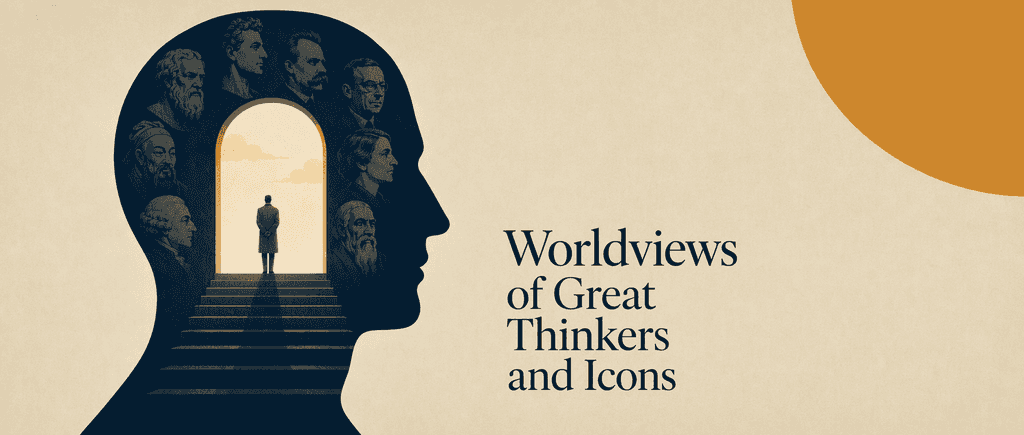
《Sophie's World》概述
A philosophy novel that became a global phenomenon, selling 40 million copies in 59 languages. "Sophie's World" transforms complex ideas into an adventure that captivated readers worldwide. Even inspired a prestigious environmental prize and influenced Spiritualized's iconic album title.
- Sophie's World turns Western philosophy into a page-turning existential mystery
- Jostein Gaarder blends philosophy with a mind-bending story within a story
- The novel frames philosophy as lifelong questioning rather than fixed answers
- Alberto Knox teaches that wonder is philosophy's true starting point
- Free will versus determinism drives the book's meta-fictional twist
- Sophie's journey mirrors Plato's cave allegory in modern storytelling form
- The Hilde subplot reveals how stories shape our perceived reality
- Gaarder makes Descartes and Kant accessible through teenage curiosity
- Philosophy emerges as a tool to escape fictional constraints
- The book challenges readers to examine their own existential "white rabbit"
- Every philosophical era reflects humanity's evolving search for meaning
- Sophie's World proves complex ideas thrive in narrative suspense
《Sophie's World》作者介绍
Jostein Gaarder, the bestselling Norwegian author of Sophie’s World: A Novel About the History of Philosophy, is renowned for blending philosophical inquiry with imaginative storytelling.
A former high school philosophy teacher with a background in Scandinavian languages and theology from the University of Oslo, Gaarder crafts works that explore existential questions, metaphysics, and the human condition. His breakthrough novel, Sophie’s World, seamlessly intertwines a coming-of-age mystery with a survey of Western philosophy, reflecting his decade-long experience teaching the subject.
Gaarder’s acclaimed works include The Solitaire Mystery, a fantasy-driven exploration of identity, and The Orange Girl, a lyrical meditation on love and destiny. His books have been translated into over 60 languages, with Sophie’s World alone selling more than 40 million copies worldwide and becoming a staple in philosophy curricula.
A recipient of the Norwegian Literary Critics’ Award and the Ministry of Cultural and Scientific Affairs’ Literary Prize, Gaarder continues to inspire readers with his ability to make complex ideas accessible through narrative. The novel has been a #1 bestseller in dozens of countries, cementing its status as a modern classic.
关于《Sophie's World》的常见问题
What is Sophie's World by Jostein Gaarder about?
Sophie's World follows 14-year-old Sophie Amundsen as she unravels mysteries about existence while studying philosophy through letters from an enigmatic mentor. Blending fiction with a crash course in Western philosophy, the novel explores ideas from Socrates to Sartre, framed by a meta-narrative where Sophie discovers she’s a character in a book written for another teenager.
Who should read Sophie's World?
This book is ideal for young adults, philosophy newcomers, and educators seeking an engaging introduction to philosophical concepts. Its accessible style suits readers aged 14+ curious about existential questions, while educators use it as a textbook for introductory philosophy courses.
Is Sophie's World worth reading?
Yes—it’s a global bestseller translated into 60+ languages, praised for making 2,000 years of philosophy digestible through a gripping story. Critics highlight its unique blend of mystery and education, though some find the layered narrative challenging.
What philosophical concepts are covered in Sophie's World?
The book spans ancient Greek thought (Democritus, Plato), medieval theology, Enlightenment rationalism (Kant, Hegel), and modern existentialism (Sartre). Key themes include free will, reality vs. illusion, and the purpose of existence, presented through dialogues and thought experiments.
How does Sophie's World use its fictional framework to teach philosophy?
Sophie’s lessons arrive via letters from philosopher Alberto Knox, while meta-narrative twists—like her discovery that she’s a fictional character—mirror philosophical questions about perception and reality. This structure lets readers learn alongside Sophie, grounding abstract ideas in her personal journey.
What are the most famous quotes from Sophie's World?
- “Who are you?” and “Where does the world come from?”—opening questions that frame Sophie’s philosophical quest.
- “The only thing we require to be good philosophers is the faculty of wonder”—underscores curiosity’s role in philosophy.
How does Jostein Gaarder’s teaching background influence the book?
Gaarder’s 11 years as a high school philosophy teacher shaped the book’s clarity and pacing. He avoids dry lectures by embedding lessons in Sophie’s relatable experiences, using analogies like Plato’s cave allegory simplified for teens.
What critiques exist about Sophie's World?
Some argue the plot’s complexity distracts from philosophical content, while others find the ending abrupt. However, most praise its ambition in marrying narrative with pedagogy, calling it a “gateway to philosophy”.
How does Sophie’s World explore reality versus illusion?
Sophie’s realization that she’s a fictional character parallels philosophical debates about existence (e.g., Descartes’ skepticism, Berkeley’s idealism). The novel’s nested stories challenge readers to question their own perceptions of reality.
What symbolic elements appear in Sophie’s World?
- The mirror: Represents self-discovery and duality.
- Hilde’s father: Symbolizes a creator figure, echoing theological debates.
- The banana message: A playful nod to how philosophy hides in everyday objects.
Can Sophie’s World help students studying philosophy?
Yes—it’s widely used in classrooms for its structured chapters on individual philosophers and jargon-free explanations. Educators appreciate its narrative hooks, which make concepts like existentialism memorable for teens.
Why does Sophie’s World remain relevant today?
Its themes—questioning authority, navigating identity, and discerning truth in a digital age—resonate with modern readers. The rise of AI and virtual reality has renewed interest in its exploration of simulated realities.
通过作者的声音感受这本书
将知识转化为引人入胜、富含实例的见解
快速捕捉核心观点,高效学习
以有趣互动的方式享受这本书
《Sophie's World》主要人物
- Sophie AmundsenA fourteen-year-old girl who receives letters
- Alberto KnoxA mysterious philosophy teacher
- Hilde Møller KnagThe unknown recipient of a birthday postcard
- Thales of MiletusThe first known philosopher
- AnaximanderA philosopher who proposed 'the boundless'
《Sophie's World》核心主题
- western philosophy history
- existential questioning
- metaphysical mystery
- nature of reality
- intellectual awakening
《Sophie's World》经典语录
What is the world, and how did it come into being?
The most subversive question anyone can ask is: Why is?
A philosopher knows that he knows very little, and is for that very reason wiser than those who think they know it all.
The only thing we require to be good philosophers is the ability to wonder.
Philosophy begins with wonder.
探索你的学习方式
 快速摘要模式
10分钟阅读或收听《Sophie's World》摘要
将《Sophie's World》的核心观点拆解为易于理解的要点,了解创新团队如何创造、协作和成长。

 趣味模式
趣味模式
《Sophie's World》的启示 - 26分钟故事
通过生动的故事体验《Sophie's World》,将创新经验转化为令人难忘且可应用的精彩时刻。
 个性化模式
个性化模式
用你自己的学习方式体验《Sophie's World》
随时提问,选择你的学习方式,共创真正适合你的洞察。

"Instead of endless scrolling, I just hit play on BeFreed. It saves me so much time."


"I never knew where to start with nonfiction—BeFreed’s book lists turned into podcasts gave me a clear path."


"Perfect balance between learning and entertainment. Finished ‘Thinking, Fast and Slow’ on my commute this week."
"Crazy how much I learned while walking the dog. BeFreed = small habits → big gains."
"Reading used to feel like a chore. Now it’s just part of my lifestyle."

"Feels effortless compared to reading. I’ve finished 6 books this month already."
"BeFreed turned my guilty doomscrolling into something that feels productive and inspiring."

"BeFreed turned my commute into learning time. 20-min podcasts are perfect for finishing books I never had time for."
"BeFreed replaced my podcast queue. Imagine Spotify for books — that’s it. 🙌"

"It is great for me to learn something from the book without reading it."
"The themed book list podcasts help me connect ideas across authors—like a guided audio journey."
"Makes me feel smarter every time before going to work"
"Instead of endless scrolling, I just hit play on BeFreed. It saves me so much time."
"I never knew where to start with nonfiction—BeFreed’s book lists turned into podcasts gave me a clear path."
"Perfect balance between learning and entertainment. Finished ‘Thinking, Fast and Slow’ on my commute this week."
"Crazy how much I learned while walking the dog. BeFreed = small habits → big gains."
"Reading used to feel like a chore. Now it’s just part of my lifestyle."
"Feels effortless compared to reading. I’ve finished 6 books this month already."
"BeFreed turned my guilty doomscrolling into something that feels productive and inspiring."
"BeFreed turned my commute into learning time. 20-min podcasts are perfect for finishing books I never had time for."
"BeFreed replaced my podcast queue. Imagine Spotify for books — that’s it. 🙌"
"It is great for me to learn something from the book without reading it."
"The themed book list podcasts help me connect ideas across authors—like a guided audio journey."
"Makes me feel smarter every time before going to work"
"Instead of endless scrolling, I just hit play on BeFreed. It saves me so much time."
"I never knew where to start with nonfiction—BeFreed’s book lists turned into podcasts gave me a clear path."
"Perfect balance between learning and entertainment. Finished ‘Thinking, Fast and Slow’ on my commute this week."
"Crazy how much I learned while walking the dog. BeFreed = small habits → big gains."
"Reading used to feel like a chore. Now it’s just part of my lifestyle."
"Feels effortless compared to reading. I’ve finished 6 books this month already."
"BeFreed turned my guilty doomscrolling into something that feels productive and inspiring."
"BeFreed turned my commute into learning time. 20-min podcasts are perfect for finishing books I never had time for."
"BeFreed replaced my podcast queue. Imagine Spotify for books — that’s it. 🙌"
"It is great for me to learn something from the book without reading it."
"The themed book list podcasts help me connect ideas across authors—like a guided audio journey."
"Makes me feel smarter every time before going to work"
"Instead of endless scrolling, I just hit play on BeFreed. It saves me so much time."
"I never knew where to start with nonfiction—BeFreed’s book lists turned into podcasts gave me a clear path."
"Perfect balance between learning and entertainment. Finished ‘Thinking, Fast and Slow’ on my commute this week."
"Crazy how much I learned while walking the dog. BeFreed = small habits → big gains."
"Reading used to feel like a chore. Now it’s just part of my lifestyle."
"Feels effortless compared to reading. I’ve finished 6 books this month already."
"BeFreed turned my guilty doomscrolling into something that feels productive and inspiring."
"BeFreed turned my commute into learning time. 20-min podcasts are perfect for finishing books I never had time for."
"BeFreed replaced my podcast queue. Imagine Spotify for books — that’s it. 🙌"
"It is great for me to learn something from the book without reading it."
"The themed book list podcasts help me connect ideas across authors—like a guided audio journey."
"Makes me feel smarter every time before going to work"

下载《Sophie's World》摘要
免费获取《Sophie's World》摘要的 PDF 或 EPUB 版本。可打印或随时离线阅读。