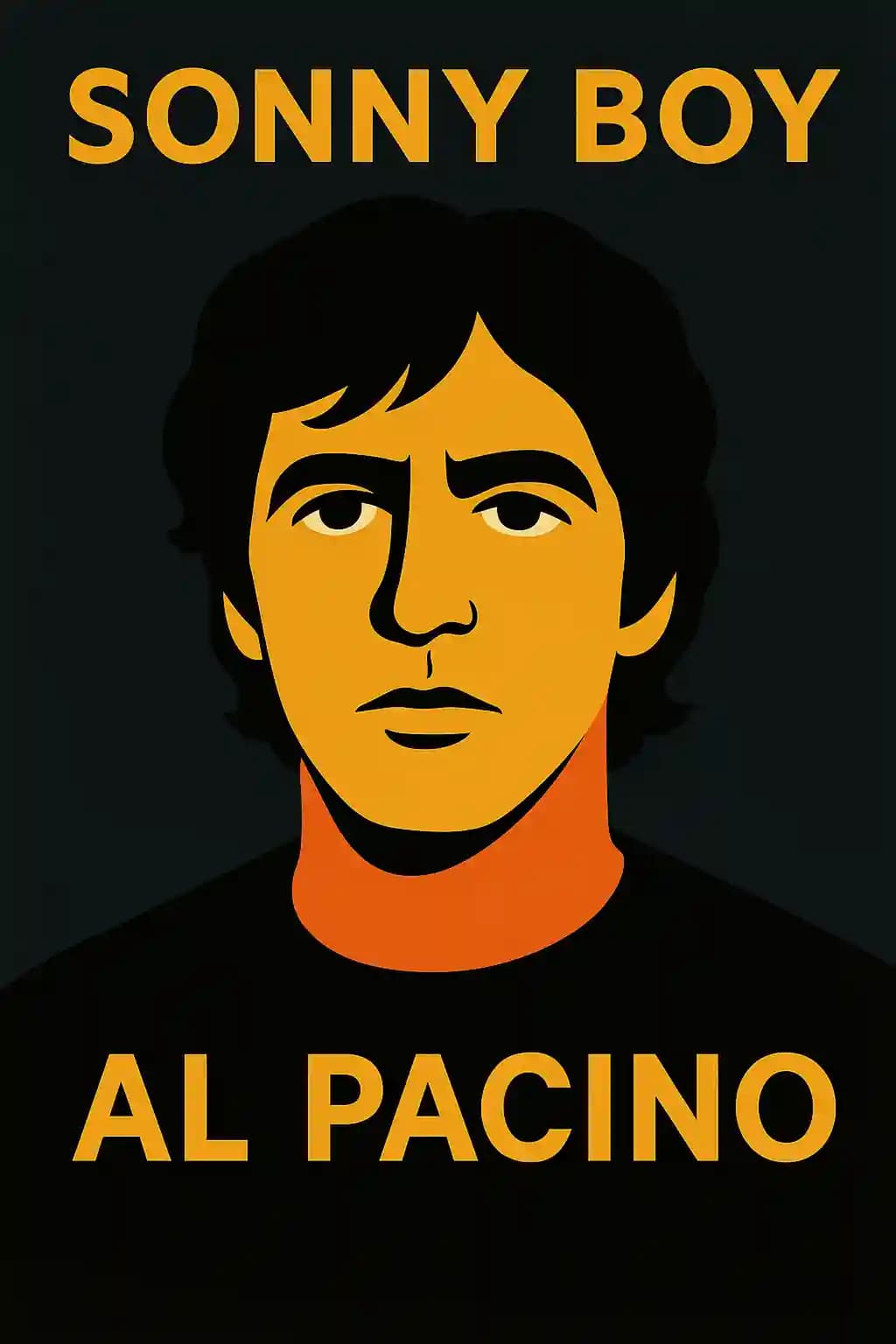
Sonny Boy
A Memoir
《Sonny Boy》概述
Al Pacino's "Sonny Boy" unveils the raw journey from poverty to Hollywood legend. Oscar winner Javier Bardem claims, "I don't believe in God; I believe in Al Pacino." Discover why Pacino really skipped the 1973 Oscars - it wasn't what Hollywood gossip claimed.

《Sonny Boy》核心主题
- method acting craft
- bronx street survival
- artistic integrity
- mentorship in theater
- sicilian heritage
《Sonny Boy》经典语录
Pacino "doesn't just act; he inhabits another person's soul."
Years later I understood she had saved my life.
When I was six, he taught me never to be a "rat"
I don't want to finish the pages, I like it here too much.
《Sonny Boy》主要人物
- Al PacinoThe author and legendary American actor
- CliffyThe author's intellectual childhood gang leader
- Charlie LaughtonThe author's acting mentor at HB Studio
- Rose PacinoThe author's mother who raised him in the Bronx
关于作者
《Sonny Boy》作者介绍
Alfredo James Pacino, acclaimed actor and eight-time Academy Award nominee, unveils his journey in the memoir Sonny Boy, blending raw reflection with the grit of his New York upbringing.
Born in East Harlem and raised in the South Bronx, Pacino’s early life—marked by poverty, loss, and a transformative passion for acting—shapes this candid exploration of survival, artistry, and fame.
Best known for iconic roles in The Godfather, Scarface, and Scent of a Woman (for which he won an Oscar), his career spans over five decades, earning him two Tony Awards, four Golden Globes, and the Kennedy Center Honors.
The memoir delves into themes of identity and resilience, anchored by his Bronx roots and the haunting memories of friends lost to addiction. A recipient of the AFI Life Achievement Award, Pacino’s work continues to resonate globally. Sonny Boy offers an unflinching look at the man behind the legend, released to critical acclaim in 2024.
下载《Sonny Boy》摘要
免费获取《Sonny Boy》摘要的 PDF 或 EPUB 版本。可打印或随时离线阅读。
关于本书的常见问题
Sonny Boy chronicles Al Pacino’s journey from a gritty South Bronx upbringing to Hollywood stardom, blending personal reflections on family, loss, and artistic passion. The memoir delves into his iconic roles (like The Godfather and Scarface), collaborations with directors such as Francis Ford Coppola, and the existential tension between artistry and fame. Themes of resilience and self-discovery anchor his candid storytelling.
Film enthusiasts, aspiring actors, and memoir lovers will find value in Pacino’s introspective narrative. Fans of Hollywood’s New Wave era gain behind-the-scenes insights into classics like Dog Day Afternoon and Serpico, while readers seeking vulnerability from a private icon will appreciate his reflections on childhood trauma and creative purpose.
Yes—Pacino’s raw honesty about his insecurities, career missteps, and triumphs offers a rare glimpse into the psyche of a legendary actor. The book balances poignant anecdotes (e.g., friendships lost to addiction) with sharp industry commentary, making it both a humanizing portrait and a masterclass in perseverance.
Pacino emphasizes immersion and emotional authenticity, recounting how he prepared for roles like Michael Corleone by studying mob psychology. He critiques method acting extremes and praises collaborators like Lee Strasberg, while dissecting challenges of maintaining artistic integrity in commercial Hollywood.
The memoir vividly depicts his 1940s-50s Bronx youth—raised by a single mother, surrounded by poverty and street gangs. Pacino credits his survival to humor, curiosity, and early exposure to theater (like a life-changing Seagull performance), which ignited his acting passion.
Pacino details near-firing fears during filming, Marlon Brando’s mentorship, and clashes with studio execs over Michael Corleone’s muted intensity. He reflects on the role’s career-altering impact and the burden of typecasting post-fame.
- Identity: Struggling with fame vs. artistic purpose.
- Loss: Grieving friends lost to drugs and familial fractures.
- Art as salvation: How theater and film provided escape and meaning.
He describes fame as a “double-edged sword,” critiquing its distractions from craft. Pacino admits discomfort with celebrity culture, preferring the anonymity of rehearsals over red carpets, yet acknowledges its role in amplifying his creative reach.
Some reviewers note fragmented pacing and omissions (e.g., scant details on Glengarry Glen Ross). However, most praise its lyrical prose and unflinching self-awareness, framing eccentricities as reflections of Pacino’s unique worldview.
Unlike chronological autobiographies, Pacino’s memoir favors thematic depth over event-by-event recaps. It shares The Ragman’s Son’s grit (Kirk Douglas) but distinguishes itself with poetic musings on mortality and legacy.
Its exploration of art’s transformative power resonates amid modern AI-driven entertainment. Pacino’s journey—prioritizing craft over algorithms—offers a timely counterpoint to today’s content-driven industry.
- On acting: “A craft you fall in love with before understanding its price.”
- On survival: “I was a cat with many more than nine lives.”
- On legacy: “The same lights that shine bright can also dim”