《Jenseits des Ozeans》概述
In "Somewhere Beyond the Sea," TJ Klune's Goodreads Award-winning sequel delivers a heart-wrenching continuation where Arthur fights for magical children's rights. What makes 123,678+ readers weep at the final chapter? Discover why Klune proudly calls himself "the anti-JK-Rowling" in this resistance tale.
- Found family connections matter more than biological ties ultimately.
- TJ Klune shows acceptance transforms both individuals and entire communities.
- Somewhere Beyond the Sea teaches joy exists alongside fighting injustice.
- Children possess wisdom about identity that adults often overlook.
- The sequel expands The House in the Cerulean Sea's themes.
- Marginalized voices deserve celebration not just tolerance or acceptance.
- Love requires courage to break free from society's rigid expectations.
- Klune demonstrates fantasy settings reveal truths about real-world bigotry.
- Character growth happens through relationships more than individual heroism.
- LGBTQ+ stories centered on joy challenge narratives focused on suffering.
- Belonging means being fully seen and accepted for who you are.
- Social change begins with seeing humanity in those society marginalizes.
《Jenseits des Ozeans》作者介绍
Travis John Klune is the #1 New York Times and USA Today bestselling author of Somewhere Beyond the Sea, a celebrated fantasy writer known for his heartfelt LGBTQ+ fiction. Born in Oregon in 1982, Klune crafts stories that champion found family, queer representation, and the power of acceptance.
As a queer author with ADHD, he draws from his own experiences to create authentic, diverse characters in richly imagined worlds.
Somewhere Beyond the Sea is the highly anticipated sequel to his acclaimed The House in the Cerulean Sea, which won the 2021 Alex and Mythopoeic Awards. Klune is also the Lambda Literary Award-winning author of Into This River I Drown and the creator of beloved series including Green Creek, The Extraordinaries, and Tales from Verania.
Described as "gentle fantasy," his work has earned legions of devoted readers worldwide. The House in the Cerulean Sea became a New York Times bestseller and was named one of 2020's best feel-good reads by The Washington Post.
关于《Jenseits des Ozeans》的常见问题
What is Somewhere Beyond the Sea by TJ Klune about?
Somewhere Beyond the Sea is the highly anticipated sequel to The House in the Cerulean Sea, continuing the story of Linus Baker, Arthur Parnassus, and the magical children of Marsyas Island. This 2024 fantasy novel explores themes of found family, LGBTQ+ love, and fighting systemic oppression as the characters work to protect magical children from discrimination. The book deepens the whimsical yet politically charged world where magical beings seek acceptance and safety.
Who is TJ Klune and why is he significant?
TJ Klune is a #1 New York Times and USA Today bestselling author who writes fantasy and romantic fiction featuring gay and LGBTQ+ characters. He won the Lambda Literary Award for Gay Romance and multiple awards for The House in the Cerulean Sea, including the Alex Award and Mythopoeic Fantasy Award. As an openly queer author with ADHD, Klune champions accurate, positive representation of LGBTQ+ and neurodiverse characters in literature.
Who should read Somewhere Beyond the Sea?
Somewhere Beyond the Sea appeals to readers who loved The House in the Cerulean Sea and seek heartwarming fantasy with meaningful social commentary. This book resonates with LGBTQ+ readers seeking positive representation, fans of found family narratives, and anyone interested in stories about marginalized communities fighting for justice. It's ideal for readers who appreciate whimsical storytelling paired with deeper themes about acceptance, love, and systemic change.
Is Somewhere Beyond the Sea worth reading?
Somewhere Beyond the Sea is worth reading for fans of the Cerulean Chronicles and TJ Klune's signature blend of fantasy, humor, and heartfelt emotion. As the sequel to a New York Times bestseller that won multiple awards, this book promises the same quality storytelling with expanded world-building and character development. Readers seeking feel-good fantasy with LGBTQ+ representation and social relevance will find significant value in this continuation of Linus and Arthur's story.
How does Somewhere Beyond the Sea connect to The House in the Cerulean Sea?
Somewhere Beyond the Sea directly continues the narrative established in The House in the Cerulean Sea, following Linus Baker and the magical children after the events of the first book. While the original introduced readers to Marsyas Island and its inhabitants, including Lucy (the son of the Devil), the sequel explores the consequences of their actions and the ongoing fight for magical children's rights. Both books form the Cerulean Chronicles series, creating an interconnected story about love, family, and resistance.
What are the main themes in Somewhere Beyond the Sea?
Somewhere Beyond the Sea explores themes of found family, LGBTQ+ love and acceptance, and fighting systemic discrimination against marginalized communities. Building on the first book's inspiration from the Sixties Scoop—when Indigenous children were removed from their homes—the sequel examines ongoing struggles for justice and protection. The novel celebrates differences while addressing serious social issues through fantasy elements, creating a story that's both entertaining and politically meaningful.
What makes TJ Klune's writing style unique in Somewhere Beyond the Sea?
TJ Klune's writing style in Somewhere Beyond the Sea combines whimsical fantasy with "Orwellian" social commentary, creating what Publishers Weekly called "thought-provoking" storytelling. His approach features enduring characters, positive LGBTQ+ representation free from stereotypes, and humor balanced with emotional depth. Klune's personal experiences as a queer person with ADHD inform his authentic character development, making magical narratives feel grounded and relatable while addressing real-world discrimination.
How does Somewhere Beyond the Sea address LGBTQ+ representation?
Somewhere Beyond the Sea features prominent LGBTQ+ characters and relationships, continuing TJ Klune's commitment to accurate, positive queer representation. The novel centers the relationship between Linus Baker and Arthur Parnassus while showcasing diverse magical children finding acceptance. Klune deliberately avoids offensive stereotypes and creates relatable characters that reflect real queer experiences, making the book an important contribution to LGBTQ+ fantasy literature that celebrates rather than marginalizes queer identities.
What is the significance of the magical children in Somewhere Beyond the Sea?
The magical children in Somewhere Beyond the Sea represent marginalized communities facing systemic discrimination and removal from their homes, inspired by real events like the Sixties Scoop. These characters—including Lucy, the son of the Devil—symbolize how society fears and oppresses those who are different. Through their stories, Klune demonstrates the positive effects of providing children with safe, supportive environments while critiquing systems that harm vulnerable populations.
Why does Somewhere Beyond the Sea resonate with readers in 2024?
Somewhere Beyond the Sea resonates because it addresses contemporary issues of discrimination, marginalization, and government overreach through accessible fantasy storytelling. Published in 2024, the book reflects ongoing struggles for LGBTQ+ rights, immigration justice, and protection of vulnerable children. Klune's ability to create "feel-good" narratives that tackle serious social themes makes the story both comforting and relevant, offering hope while acknowledging real-world challenges facing marginalized communities.
What can readers expect from the sequel compared to The House in the Cerulean Sea?
Readers can expect Somewhere Beyond the Sea to expand the world-building and deepen character relationships established in The House in the Cerulean Sea. While the first book focused on Linus discovering Marsyas Island and falling in love with Arthur, the sequel likely explores the consequences of their choices and escalating conflicts with the Department in Charge of Magical Youth. The narrative promises more political tension, higher stakes for the magical children, and continued exploration of found family dynamics.
How does Somewhere Beyond the Sea balance whimsy with serious themes?
Somewhere Beyond the Sea balances whimsical fantasy elements—magical children, enchanted islands, and heartwarming romance—with serious explorations of systemic oppression and discrimination. TJ Klune's approach, praised in The House in the Cerulean Sea as creating "feel-good reads" with thought-provoking commentary, uses humor and charm to make difficult topics accessible. This balance allows readers to engage with social justice themes without feeling overwhelmed, creating stories that are both entertaining and meaningful.
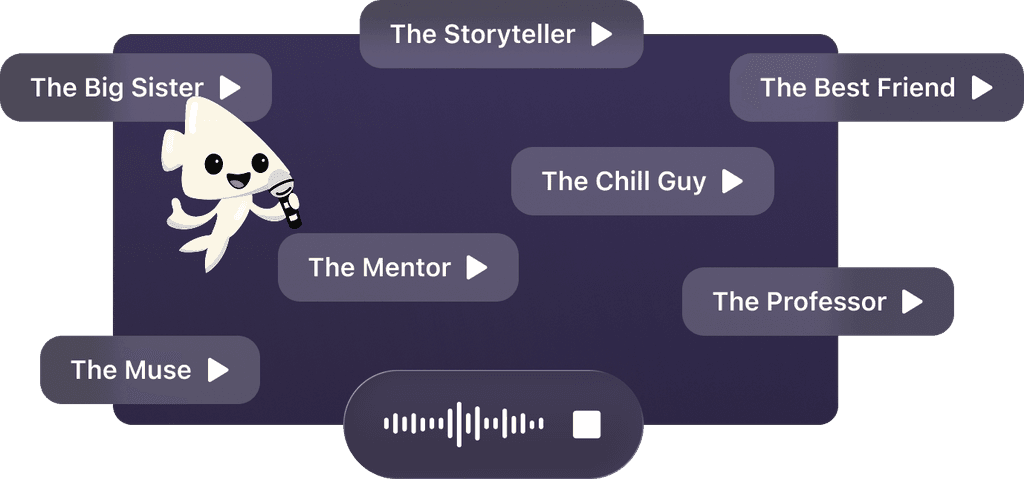
通过作者的声音感受这本书
将知识转化为引人入胜、富含实例的见解
快速捕捉核心观点,高效学习
以有趣互动的方式享受这本书
《Jenseits des Ozeans》主要人物
- Arthur ParnassusA phoenix and headmaster of the magical orphanage
- Linus BakerFormer caseworker and Arthur's partner
- Zoe ChapelwhiteA fairy-like being who helps restore the island
- SalA shy teenager and were-Pomeranian
《Jenseits des Ozeans》核心主题
- found family
- systemic discrimination
- healing from trauma
- magical orphanages
- queer parenting
《Jenseits des Ozeans》经典语录
What happens when those deemed 'monsters' prove to be more humane than the institutions meant to protect us?
Hiding from it won't make it go away.
Protection without freedom can become another form of imprisonment.
探索你的学习方式
 快速摘要模式
8分钟阅读或收听《Jenseits des Ozeans》摘要
将《Jenseits des Ozeans》的核心观点拆解为易于理解的要点,了解创新团队如何创造、协作和成长。

 趣味模式
趣味模式
《Jenseits des Ozeans》的启示 - 21分钟故事
通过生动的故事体验《Jenseits des Ozeans》,将创新经验转化为令人难忘且可应用的精彩时刻。
 个性化模式
个性化模式
用你自己的学习方式体验《Jenseits des Ozeans》
随时提问,选择你的学习方式,共创真正适合你的洞察。
"Instead of endless scrolling, I just hit play on BeFreed. It saves me so much time."


"I never knew where to start with nonfiction—BeFreed’s book lists turned into podcasts gave me a clear path."


"Perfect balance between learning and entertainment. Finished ‘Thinking, Fast and Slow’ on my commute this week."
"Crazy how much I learned while walking the dog. BeFreed = small habits → big gains."
"Reading used to feel like a chore. Now it’s just part of my lifestyle."

"Feels effortless compared to reading. I’ve finished 6 books this month already."
"BeFreed turned my guilty doomscrolling into something that feels productive and inspiring."

"BeFreed turned my commute into learning time. 20-min podcasts are perfect for finishing books I never had time for."
"BeFreed replaced my podcast queue. Imagine Spotify for books — that’s it. 🙌"

"It is great for me to learn something from the book without reading it."
"The themed book list podcasts help me connect ideas across authors—like a guided audio journey."
"Makes me feel smarter every time before going to work"
"Instead of endless scrolling, I just hit play on BeFreed. It saves me so much time."
"I never knew where to start with nonfiction—BeFreed’s book lists turned into podcasts gave me a clear path."
"Perfect balance between learning and entertainment. Finished ‘Thinking, Fast and Slow’ on my commute this week."
"Crazy how much I learned while walking the dog. BeFreed = small habits → big gains."
"Reading used to feel like a chore. Now it’s just part of my lifestyle."
"Feels effortless compared to reading. I’ve finished 6 books this month already."
"BeFreed turned my guilty doomscrolling into something that feels productive and inspiring."
"BeFreed turned my commute into learning time. 20-min podcasts are perfect for finishing books I never had time for."
"BeFreed replaced my podcast queue. Imagine Spotify for books — that’s it. 🙌"
"It is great for me to learn something from the book without reading it."
"The themed book list podcasts help me connect ideas across authors—like a guided audio journey."
"Makes me feel smarter every time before going to work"
"Instead of endless scrolling, I just hit play on BeFreed. It saves me so much time."
"I never knew where to start with nonfiction—BeFreed’s book lists turned into podcasts gave me a clear path."
"Perfect balance between learning and entertainment. Finished ‘Thinking, Fast and Slow’ on my commute this week."
"Crazy how much I learned while walking the dog. BeFreed = small habits → big gains."
"Reading used to feel like a chore. Now it’s just part of my lifestyle."
"Feels effortless compared to reading. I’ve finished 6 books this month already."
"BeFreed turned my guilty doomscrolling into something that feels productive and inspiring."
"BeFreed turned my commute into learning time. 20-min podcasts are perfect for finishing books I never had time for."
"BeFreed replaced my podcast queue. Imagine Spotify for books — that’s it. 🙌"
"It is great for me to learn something from the book without reading it."
"The themed book list podcasts help me connect ideas across authors—like a guided audio journey."
"Makes me feel smarter every time before going to work"
"Instead of endless scrolling, I just hit play on BeFreed. It saves me so much time."
"I never knew where to start with nonfiction—BeFreed’s book lists turned into podcasts gave me a clear path."
"Perfect balance between learning and entertainment. Finished ‘Thinking, Fast and Slow’ on my commute this week."
"Crazy how much I learned while walking the dog. BeFreed = small habits → big gains."
"Reading used to feel like a chore. Now it’s just part of my lifestyle."
"Feels effortless compared to reading. I’ve finished 6 books this month already."
"BeFreed turned my guilty doomscrolling into something that feels productive and inspiring."
"BeFreed turned my commute into learning time. 20-min podcasts are perfect for finishing books I never had time for."
"BeFreed replaced my podcast queue. Imagine Spotify for books — that’s it. 🙌"
"It is great for me to learn something from the book without reading it."
"The themed book list podcasts help me connect ideas across authors—like a guided audio journey."
"Makes me feel smarter every time before going to work"

下载《Jenseits des Ozeans》摘要
免费获取《Jenseits des Ozeans》摘要的 PDF 或 EPUB 版本。可打印或随时离线阅读。