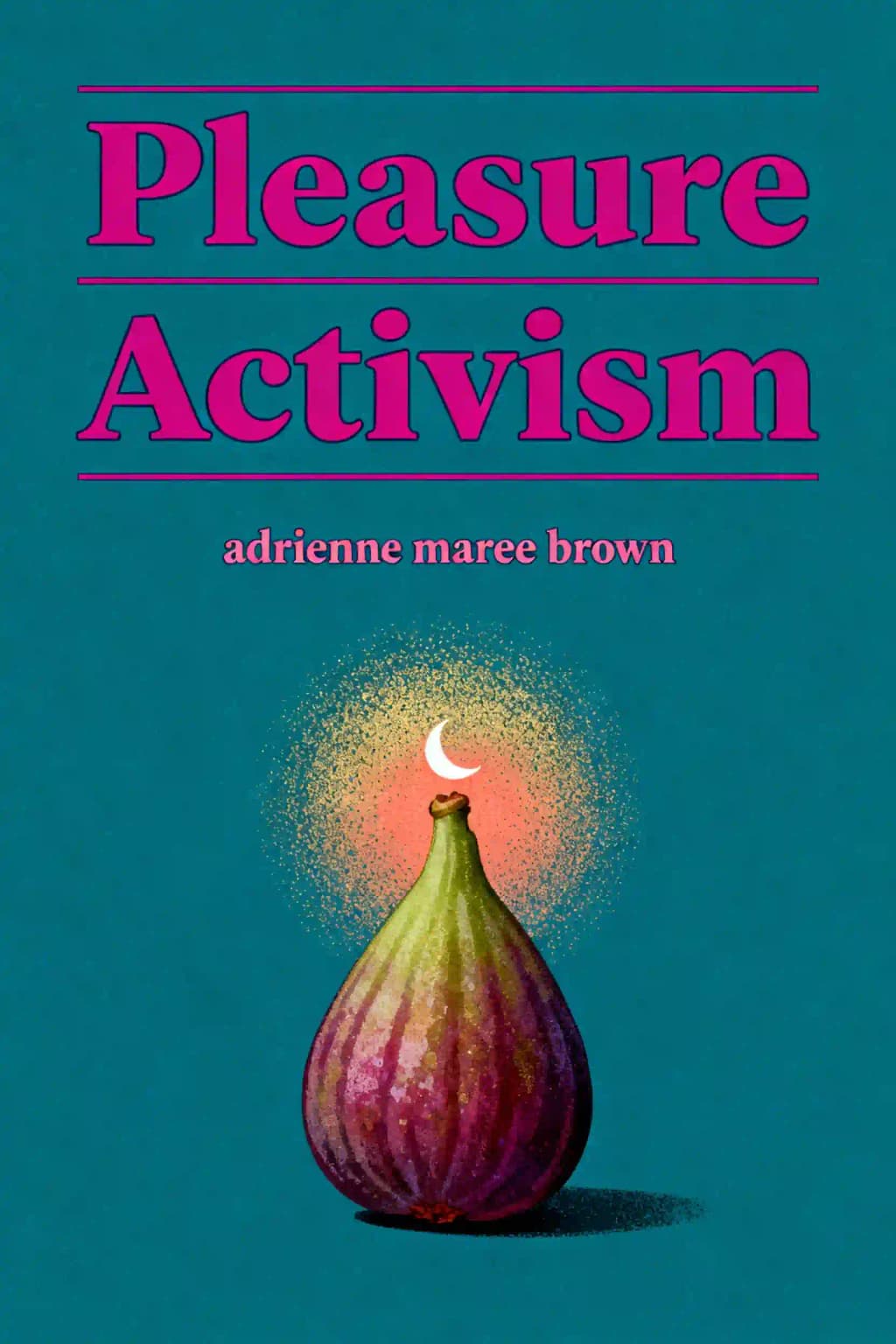
Pleasure Activism
The Politics of Feeling Good
《Pleasure Activism》概述
"Pleasure Activism" reimagines social justice through joy and healing. Adrienne Maree Brown's groundbreaking work challenges burnout culture, inspiring a movement where self-care fuels revolution. What if pleasure isn't selfish, but our most powerful tool for sustainable change?

《Pleasure Activism》核心主题
- joy as resistance
- erotic power
- sustainable activism
- collective liberation
- somatic healing
《Pleasure Activism》经典语录
Pleasure is not a luxury, but a critical pathway to liberation.
I believe that we are in an imagination battle.
What do we long for?
Smashing patriarchy requires examining not just rape culture but our culture of desire.
《Pleasure Activism》主要人物
- adrienne maree brownAuthor, facilitator, and community organizer
- Audre LordeWriter who defined the erotic as a source of power
- Octavia ButlerScience fiction author and pleasure lineage mentor
- Toni Cade BambaraAuthor who taught how to make revolution joyful
- Cara PageActivist who discusses erotic power in organizing
关于作者
《Pleasure Activism》作者介绍
Adrienne Maree Brown is the New York Times-bestselling author of Pleasure Activism: The Politics of Feeling Good and a visionary activist, facilitator, and thought leader in social justice and emergent strategy.
Rooted in Black feminist and transformative justice frameworks, her work explores themes of healing, pleasure-centered activism, and systemic change through a blend of personal narrative, inclusive feminism, and insights from movements like Black Lives Matter and prison abolition.
A co-editor of the influential anthology Octavia’s Brood: Science Fiction from Social Justice Movements and author of Emergent Strategy: Shaping Change, Changing Worlds, Brown’s interdisciplinary approach bridges speculative fiction, grassroots organizing, and somatic practices. She co-hosts the How to Survive the End of the World podcast and has served as executive director of the Ruckus Society.
Pleasure Activism has become a cornerstone text in contemporary social justice education, widely taught in academic and activist circles for its radical reimagining of joy as a tool for liberation.
下载《Pleasure Activism》摘要
免费获取《Pleasure Activism》摘要的 PDF 或 EPUB 版本。可打印或随时离线阅读。
关于本书的常见问题
Pleasure Activism reimagines social justice through the lens of joy and liberation, arguing that pleasure is a vital measure of freedom. Drawing on Black feminist traditions, Adrienne Maree Brown interweaves essays, interviews, and poetry to explore topics like sex work, climate justice, and queer identity, showing how activism can feel nourishing rather than sacrificial.
This book is essential for activists, social justice advocates, and anyone seeking to integrate joy into resistance. It resonates with Black feminists, LGBTQ+ communities, and individuals exploring healing from systemic oppression. Educators, organizers, and those interested in transformative justice will find actionable frameworks for merging personal fulfillment with political change.
A New York Times bestseller, Pleasure Activism is praised for its revolutionary approach to blending pleasure and politics. Critics like Annie Sprinkle call it “so cool, and so hot,” while readers value its practical strategies for reducing shame and fostering collective healing. Its relevance persists in 2025, particularly for discussions on burnout and sustainable activism.
Key ideas include:
- Emergent Strategy: Adapting to change through small, intentional actions.
- Radical Imagination: Envisioning liberated futures beyond oppression.
- Loving Corrections: Addressing harm through accountability, not punishment.
- Body Sovereignty: Reclaiming autonomy over one’s physical and erotic self.
Brown posits that pleasure is a political act—prioritizing joy disrupts systems that thrive on trauma. By centering marginalized voices, the book reframes activism as a practice rooted in desire, intimacy, and collective care, rather than guilt or obligation.
- “An orgasm a day keeps the doctor away” – emphasizing pleasure as health practice.
- “The erotic is a measure of freedom” – adapting Audre Lorde’s philosophy to modern movements.
The book intentionally disrupts the gender binary, using inclusive language for women, men, and nonbinary individuals. It celebrates queer identities, sex positivity, and the politics of consent, framing sexuality as a site of empowerment and resistance.
Some argue the book’s focus on individual pleasure risks overshadowing structural change. Others note its abstract concepts require practical supplementation. However, proponents praise its balance of theory and personal storytelling.
Unlike Emergent Strategy’s organizational focus, Pleasure Activism delves into personal and erotic liberation. It expands on themes in Holding Change, which details facilitation techniques, and aligns with her fiction trilogy’s exploration of grief and transformation.
Yes. The book offers tools to combat activist fatigue by prioritizing self-care, communal joy, and somatic practices. It encourages redefining productivity to include rest and pleasure as revolutionary acts.
Inspired by Octavia E. Butler, Brown uses speculative fiction to imagine liberated futures. This aligns with her co-edited anthology Octavia’s Brood, bridging sci-fi storytelling with social justice praxis.
Amid global crises, the book’s emphasis on joy as resistance offers a blueprint for sustainable advocacy. Its insights into climate grief, digital activism, and transformative justice remain critical for navigating post-pandemic realities.