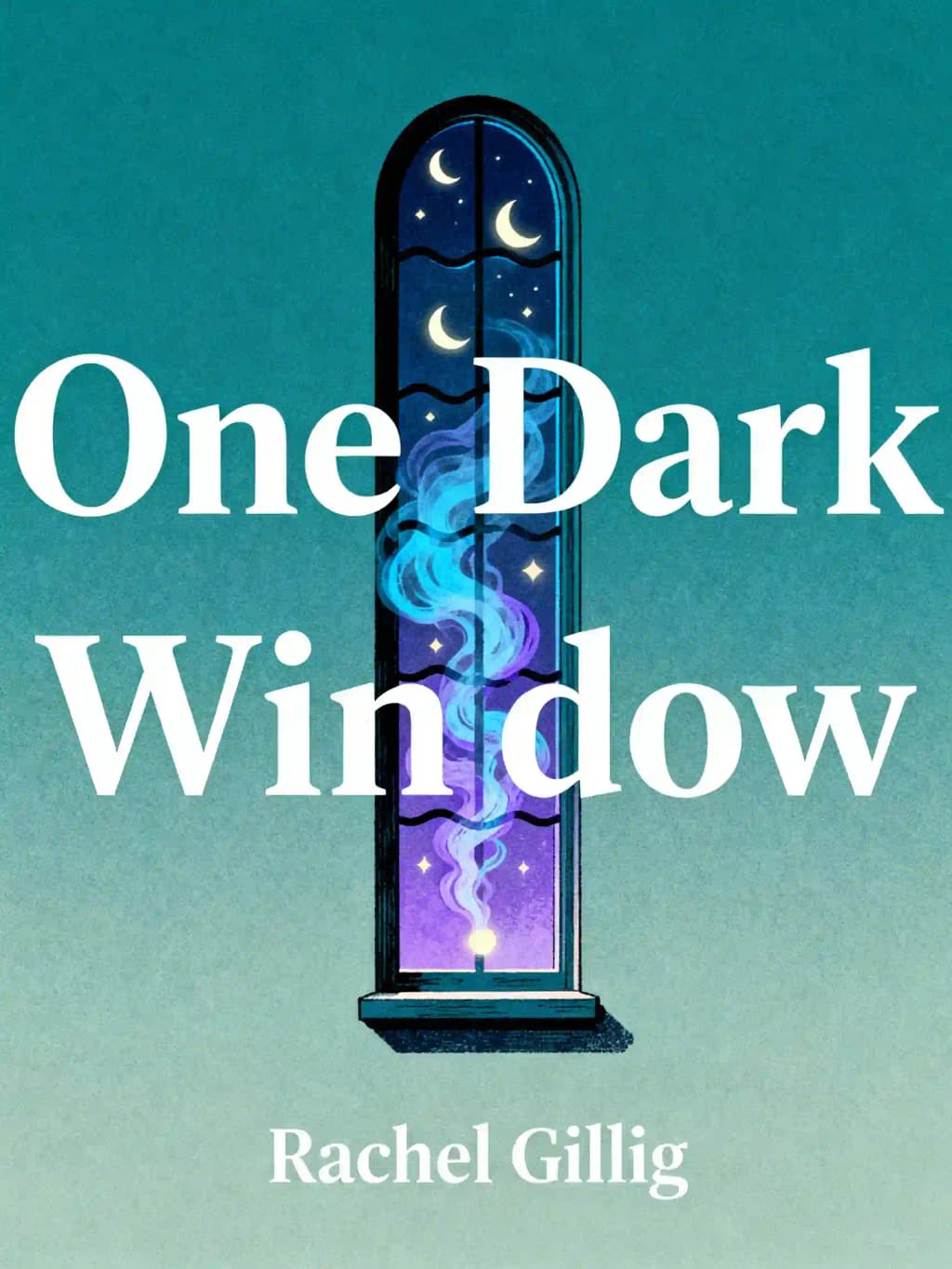
One Dark Window
Maiden. Monster. Martyr.
《One Dark Window》概述
In "One Dark Window," a plague-ridden kingdom meets gothic romance as Elspeth harbors a demon in her mind. This BookTok sensation captivated fantasy readers with its atmospheric magic system and steamy subplot, earning 4.32 stars on Goodreads. What dark price would you pay for power?

《One Dark Window》核心主题
- forbidden magic
- shared consciousness
- gothic atmosphere
- supernatural infection
- ancient prophecies
《One Dark Window》经典语录
The Providence Cards themselves become characters.
The kingdom of Blunder exists in perpetual twilight.
Elspeth carries a deadly secret.
Each Card grants a specific ability but exacts a terrible cost.
The mist brings with it a deadly fever.
《One Dark Window》主要人物
- Elspeth SpindleA young woman hiding a monster in her mind
- The NightmareThe ancient soul trapped inside Elspeth's head
- Ravyn YewThe kingdom's head Destrier and elite warrior
- The Shepherd KingLegendary figure who created the Providence Cards
- Emory YewRavyn's brother who suffers from degeneration
下载《One Dark Window》摘要
免费获取《One Dark Window》摘要的 PDF 或 EPUB 版本。可打印或随时离线阅读。
关于本书的常见问题
One Dark Window follows Elspeth Spindle, a woman infected by magical mist as a child, now bound to an ancient spirit known as the Nightmare. In a kingdom where magic is punishable by death, she joins a treasonous group led by Ravyn Yew—the King’s nephew—to collect twelve mystical Providence Cards and end the curse plaguing their world. The novel blends dark fantasy, gothic romance, and moral complexity within a mist-shrouded, card-based magic system.
Fans of atmospheric gothic fantasy, enemies-to-lovers romance, and unique magic systems will enjoy this book. Ideal for readers who appreciate morally gray characters (like Six of Crows) or eerie settings reminiscent of Uprooted. The story’s fast pace and romantic tension also appeal to Romantasy and YA audiences.
Yes—it’s praised for its lush prose, suspenseful plot, and imaginative worldbuilding. Reviewers highlight the Nightmare’s witty dialogue, the slow-burn romance with Ravyn, and the card-collection quest’s video-game-like appeal. However, some note pacing inconsistencies in early chapters.
The Nightmare is a mercurial ancient spirit trapped in Elspeth’s mind after her magical infection. It grants her enhanced perception and power but slowly erodes her humanity. Their symbiotic relationship drives key plot twists, blending dark humor and existential stakes.
Twelve magical cards—each with distinct abilities like enhanced strength or truth-compulsion—are central to Blunder’s monarchy. Collecting them becomes a high-stakes quest, as completing the deck could cure the kingdom’s cursed mist. Cards like the Maiden and Nightmare have sentient traits, adding strategic depth.
Themes include identity (Elspeth’s battle for autonomy), sacrifice (weighing personal cost against societal good), and corrupted power (the monarchy’s control over magic). Gillig explores trust through fraught alliances and the blurred line between monster and hero.
Ravyn is the King’s nephew and Captain of the Destriers—royal guards tasked with hunting magic users. A morally complex figure, he leads a secret rebellion while hiding his own magical affliction. His evolving relationship with Elspeth balances romance and shared survival instincts.
Some readers found early pacing slow and perceived a YA tone despite adult themes. Others praised its originality but noted familiar tropes (e.g., fake dating). The closed-world setting divides opinion—some appreciate its focus, others desire broader exploration.
(Spoiler alert) Elspeth confronts the Nightmare’s influence, choosing self-preservation over surrender. The cliffhanger reveals deeper layers to the mist’s curse, setting up political intrigue and personal stakes for the sequel, Two Twisted Crowns.
Yes—it’s the first in The Shepherd King duology. The sequel, Two Twisted Crowns (2023), concludes Elspeth’s story. Both books are standalone but interconnected, with the second installment expanding on secondary characters and worldbuilding.
Elspeth and Ravyn’s relationship evolves from distrust to partnership, avoiding instalove clichés. Their bond is forged through shared trauma and witty banter, with the Nightmare serving as a third-party commentator. The romance enhances rather than overshadows the plot.
Gillig’s degree in literary theory informs the book’s thematic depth and symbolic use of cards/mist. Her coastal upbringing echoes in Blunder’s eerie landscapes. The Nightmare’s duality reflects academic interests in Freudian id/ego dynamics.