第 1 章
Rewriting Masculinity: The Courage to Be Vulnerable
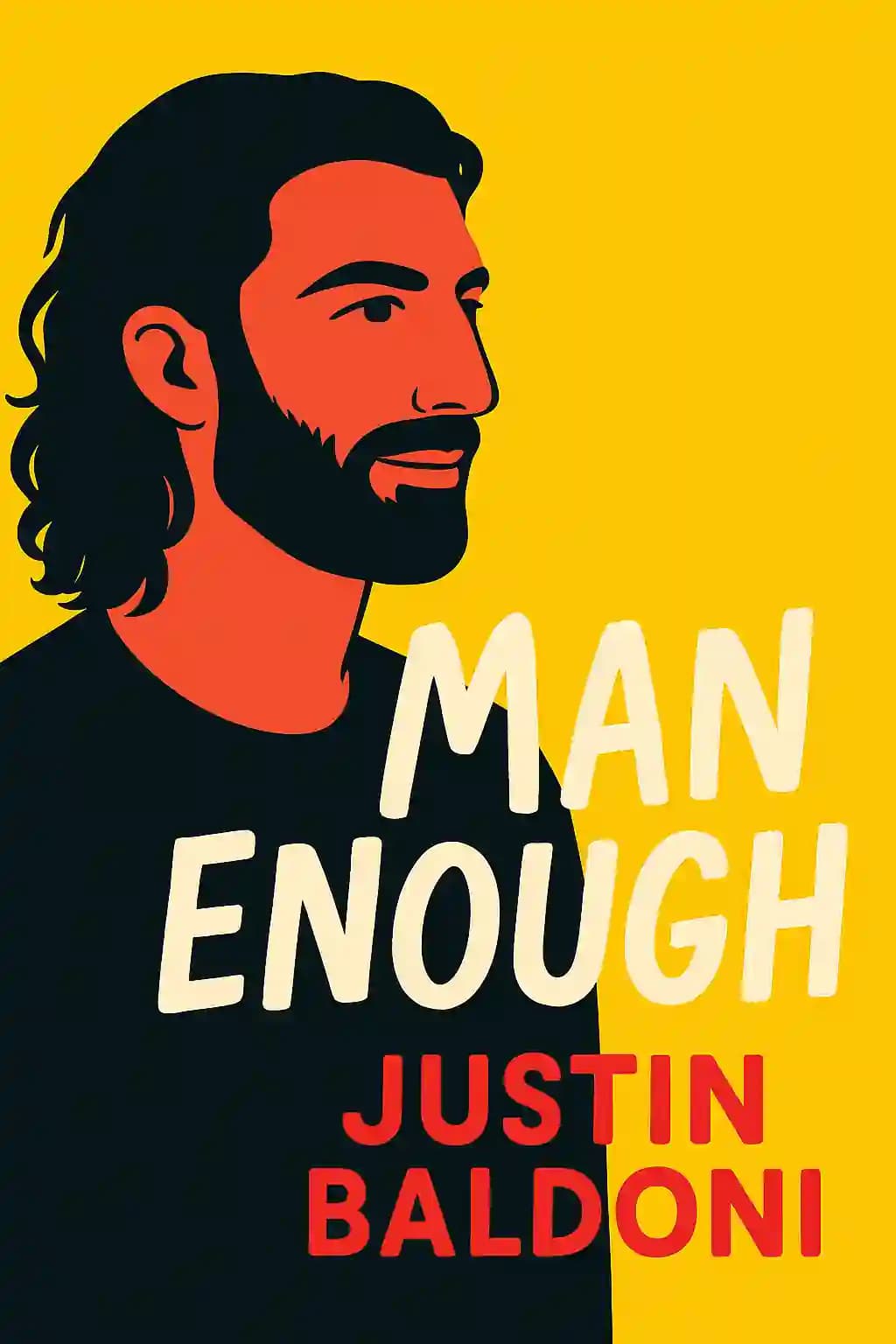
What if the strength you've been chasing is actually killing you? Justin Baldoni, the heartthrob director from "Jane the Virgin" who once graced People's "Sexiest Men Alive" list, delivers a raw confession: traditional masculinity nearly destroyed him. In "Man Enough," Baldoni doesn't just question toxic masculinity - he dismantles it from the inside, having sparked over 250 million views with his viral TED Talk on the same subject.
This isn't another celebrity memoir - it's a lifeline for men drowning in impossible standards. Baldoni weaves personal struggles with cultural analysis, revealing how performative strength creates epidemic levels of isolation, depression, and disconnection among men. His vulnerability revolution offers readers practical tools to embrace authentic emotions without sacrificing true strength.
The book arrives at a cultural inflection point, as male suicide rates reach alarming heights while conversations about masculine identity evolve. Whether you're questioning your own relationship with masculinity or simply want to understand the men in your life better, Baldoni's journey provides both mirror and roadmap for a more honest, connected way of being human.
第 2 章
The Courage to Be Vulnerable in a World That Demands Strength
Picture this: hanging twenty feet above a raging river, gripped not just by fear of falling, but by the terror of being labeled a "pussy" by your peers. This is the poisonous dance with masculinity that Baldoni describes-where bravery isn't measured by the leap itself but by the ability to defy the fear of judgment. From childhood, boys are inducted into a culture where feminine traits become shorthand for weakness, creating a lifetime's silent struggle of suppressing genuine emotions to win elusive acceptance.
The etymology of "courage" reveals a fascinating journey-from the Latin "cor" meaning heart, to our modern understanding of heroism. This evolution shows how we've moved away from courage as "speaking one's mind by telling all one's heart" to a more physical, danger-facing concept. While we rightfully celebrate the courage of those in life-threatening professions, we often overlook the bravery required to risk one's heart rather than body.
As scholars like Brene Brown and bell hooks have articulated, true valor for men often becomes a form of self-erasure-burying emotions and vulnerabilities beneath a stoic exterior. Patriarchy commands men to compartmentalize their feelings, creating an invisible prison of expectations. The challenge becomes redefining bravery itself, moving from performative masculinity toward heartfelt integrity and emotional honesty.
The socialization that shapes boys happens in specific environments-schoolyards, locker rooms, family gatherings-where tacit gender norms are taught not through textbooks but through subtle interactions and expectations. Boys absorb these ideals through the silent curriculum of peer pressure and family dynamics, learning to perform masculinity rather than authentically express themselves.
第 3 章
Body Image: The Silent Struggle of Men
In exploring social hierarchies, we see the complexity of alpha and beta dynamics across different contexts-from MMA champions to Maasai hunters. The concept of an "alpha male," borrowed from animal kingdom observations, has been largely debunked even in wolf packs, yet humans cling to these convenient narratives to structure our understanding of masculinity.
The pressure on male bodies has intensified dramatically in recent decades. Consider the evolution of G.I. Joe's physique from 1974 to 2002-a transformation that epitomizes society's increasingly unrealistic muscular ideals. Media and culture indoctrinate boys early, equating muscles with masculinity and setting physical perfection as the standard. These messages create a lifetime struggle with self-worth, where perceived physical shortcomings translate into feelings of inadequacy.
Dr. Roberto Olivardia explains that body image extends beyond physical appearance-it's shaped by perceptions and societal feedback. This concept, largely underexplored in men until the 1980s, reveals that even those with seemingly ideal physiques often struggle with negative self-perception. The influence of iconic advertisements and Hollywood's increasingly muscular leading men has amplified muscularity as the male ideal, challenging our acceptance of natural body diversity.
The messaging drilled into men equates muscles and strength with the ability to protect, creating an expectation to shield loved ones, especially women, from harm. Yet as Dr. Susan Brison's story powerfully illustrates, what's needed isn't stronger male protectors but a systemic change in how men perceive and enact their roles in society. The desire to protect often stems from a reaction to societal violence rather than addressing its root causes.
第 4 章
Intelligence: Redefining What It Means to Be Smart
The complexities of male intellect are dissected through cultural and educational lenses, challenging traditional notions that prioritize physical prowess over intellectual capabilities. Childhood memories from school playgrounds to classroom dynamics illustrate how societal expectations often favor the athletic over the intellectual, leaving lasting impressions of inadequacy on boys who don't fit the physical ideal. This manifests in various ways: from the celebration of sports achievements in school assemblies to the subtle dismissal of academic accomplishments as somehow less masculine. The impact of these early experiences shapes how men view their worth and potential well into adulthood.
The phenomenon of mansplaining exemplifies the deeper societal tendency to equate maleness with innate intelligence-a privilege that conditions men to believe in an inherent intellectual advantage. This mindset complicates gender dynamics in professional and personal settings, creating barriers to genuine dialogue and mutual respect. For instance, in workplace meetings, men often interrupt or over-explain concepts to female colleagues, regardless of expertise levels. Through examples of high-achieving athletes who challenge these stereotypes by openly embracing intellectual pursuits, and personal anecdotes of men breaking free from these constraints, we see the urgent need to shift perspectives and embrace diverse forms of intelligence. This includes recognizing emotional intelligence, creative thinking, and collaborative problem-solving as equally valuable forms of cognitive capability.
Society has perpetuated the myth that men must possess inbuilt resourcefulness, akin to fictional characters like MacGyver and James Bond - figures who seemingly possess unlimited knowledge and capability. This message, reinforced through media representations, advertising, and personal histories, encourages men to solve problems independently, equating self-sufficiency with masculine value. However, this pressure leads to profound isolation and disconnection, as men struggle to reconcile the idealized image of the all-knowing male with their actual capabilities and limitations. The impact is particularly evident in professional settings, where men often avoid asking questions or seeking clarification, fearing it might diminish their perceived competence.
Cultural expectations have created a complex web of behaviors that discourage men from seeking help, most visibly demonstrated in the stereotypical reluctance to ask for directions - a seemingly minor issue that represents a broader pattern of avoiding vulnerability. This behavior extends to more serious contexts, such as healthcare decisions, career guidance, and emotional support, fostering a deep-seated fear of judgment and feelings of inadequacy. What if we reimagined masculine intelligence to embrace vulnerability and mutual support? This transformation could redefine masculine strength, turning perceived weaknesses into sources of empowerment and connection. Examples of successful men who openly discuss their learning journeys, mentorship experiences, and collaborative approaches demonstrate how this shift can lead to both personal growth and professional success.
The path forward requires acknowledging that true intelligence encompasses not just knowledge acquisition but also the wisdom to recognize one's limitations and the courage to seek support when needed. By broadening our definition of masculine intelligence to include emotional awareness, collaborative capability, and the ability to learn from others, we can create a more inclusive and realistic model of male intellectual development.
第 5 章
Confidence: The Mask That Hides Insecurity
In high school hallways across America, a facade of confidence masks deep-seated insecurities that shape young men's developmental experiences. What appears as overconfidence often camouflages the internal struggle of feeling inadequate, manifesting in various behaviors from excessive bragging to aggressive posturing. Young men meticulously mimic popular peers, studying and adopting their mannerisms, speech patterns, and even their walking style, while carefully hiding vulnerabilities to create a performative persona that feels safe in the harsh social environment. This mimicry extends to social media, where carefully curated images project an idealized version of masculinity.
From a young age, boys learn to project self-reliance and stoicism, suppressing emotions to fit rigid masculine paradigms that society reinforces through media, family expectations, and peer pressure. This expectation, deeply embedded in male culture, requires a performance of confidence that's often unattainable yet demanded. Teachers and parents frequently reinforce these expectations with phrases like "man up" or "boys don't cry," creating a psychological framework where emotional expression equals weakness. The disconnect between natural sensitivity and required assertiveness shapes societal values, promoting a harmful gap between authentic inclinations and performed roles that can lead to anxiety, depression, and social isolation.
The "boys' club" represents a pervasive, invisible culture where behaviors are learned through observing and echoing dominant male figures, whether they're peers, older students, or media personalities. An unspoken code exists, masking the insecurity of identities deeply tied to masculine conformance. This manifests in specific rituals and behaviors: the casual dismissal of academic achievement, the celebration of risk-taking behavior, and the collective minimization of emotional expression. Understanding and transforming these ingrained behaviors requires a shift from valuing power and dominance to fostering genuine connection and human empathy. This transformation often begins with individual men willing to break the cycle and model authentic behavior.
Among young men, silence and allegiance to masculine norms override moral instincts, creating a culture of complicity in problematic behaviors. Social acceptance dictates a stifling of authentic reactions, fostering environments where bullying, harassment, and objectification flourish unchecked. Boys' socialization teaches that value is rooted in solidarity with the group rather than moral fortitude, leading to situations where witnesses remain silent despite recognizing wrong behavior. The pressure to maintain this facade is particularly intense during adolescence, when peer acceptance feels crucial to survival. Breaking free from this script calls for men to listen and act upon internal moral compasses, nurturing vulnerability over performative masculinity. This involves creating safe spaces where young men can express emotions without judgment, developing programs that celebrate diverse expressions of masculinity, and encouraging mentor relationships that model healthy emotional expression.
The impact of this masked existence extends beyond high school into professional and personal relationships, affecting how men approach intimacy, friendship, and self-expression throughout their lives. Recognition of these patterns is the first step toward creating healthier models of masculinity that allow for authentic self-expression and emotional growth.
第 6 章
Privilege: Acknowledging the Invisible Advantages
White privilege, like male privilege, often goes unseen and unacknowledged by those who possess it, yet it grants unearned advantages that others don't receive. Upon examining these privileges, discomfort naturally arises, reflecting the ingrained inequities of our society. Despite good intentions, acknowledging privilege is vital in addressing systemic issues. Privilege isn't the absence of effort but the absence of specific hurdles that others must face.
Integral to understanding masculinity is embracing the concept of intersectionality-where racial, gender, and class biases collide. Recognizing how both sexism and racism have benefited certain groups at others' expense is crucial. The realization is that learning is an ongoing process, with an emphasis on the need to address racial issues within the context of privilege and masculinity.
The inadequacy of claiming color blindness is highlighted through a poignant interaction at a wedding, where an insensitive gesture starkly unveils racial obliviousness. This demonstrates how the denial of racial differences leads to the erasure of cultural identity-a painful experience for those whose identity is being negated. The journey of realization involves acknowledging and addressing the harm inflicted by ignoring race, embracing diversity as an essential component of humanity.
An early acting experience revealed the entertainment industry's narrow definitions of whiteness, hindering roles for those not fitting this mold. Conflicted by being rejected for white roles yet cast as non-white characters, memories of being denied parts for ambiguous features surfaced. Despite unintentional or overlooked privilege, recognizing the need for accurate, diverse representation became crucial. The importance of inclusive storytelling-not tokenizing diversity but genuinely amplifying it-emerges as a central theme.
第 7 章
Success: Beyond Material Wealth and Status
Success, rooted deeply in masculine norms, pressures men to provide and be recognized for their achievements. Men's self-worth becomes entwined with external validations, making it difficult to escape societal assessment. For those not adhering to these roles, like stay-at-home dads, this can lead to feelings of exclusion and inadequacy.
The quest for success is pervasive, driven by societal standards that equate material wealth with happiness. The illusion persists, even when wealth does not guarantee contentment or fulfillment. Facades of success built on material gain and societal perception rapidly give way to instability, as illustrated by the story of receiving a substantial paycheck, immediately feeling exuberant and worthy, yet quickly spiraling into financial ruin.
During these highs and lows, glamorous purchases-like a flashy Bronco-symbolize deeper insecurity and the fragility of perceived success. Money spent generously in hopes of bridging emotional gaps eventually leads to financial decisions emerging from a place of lack and fear that backfire. True success is realized not by maintaining the illusion but by embracing true value and seeking guidance.
Rock-bottom teaches how invaluable genuine relationships are when one is truthfully broken. After painful breakups and career setbacks, relying on friends for support reveals the emptiness of superficial, perception-driven success. The 2019 Success Index study confirms this shift in mindset, unveiling that people value relationships over money or fame for authentic fulfillment.
第 8 章
Sexuality: Breaking the Silence Around Male Intimacy
The myth that men must be perpetually prepared for sex fuels significant insecurity. Societal norms suggest being sexually proficient equates to real manhood. Yet, many are left anxious, struggling without adequate sexual education, finding solace in flawed sources like pornography. This narrative highlights a need for honest dialogue around sexual confidence and the burdens it carries.
Childhood experiences underscore the pressures boys face to meet unrealistic expectations, further compounded by a lack of open conversations, perpetuating a harmful cycle. Curiosity about pornography emerges at a young age, magnified by the accessibility of the internet. The mysterious allure of hidden images evolves into habitual consumption, becoming a substitute for sexual education. This pattern lays the groundwork for skewed perceptions of sex, self-worth, and female bodies.
Amidst religious teachings and societal constraints, pornography offers an escape from emotions and insecurities, yet it lacks the foundation of healthy, open discussions about sexuality. The complexities of real sexual relationships contrast starkly with the deceptive simplicity of porn. Pornography offers a quick dopamine hit, masking loneliness and insecurity, carving deep neurological pathways that link satisfaction to digital fantasies. This addiction fosters a cycle of depression and detachment, undermining genuine human connection.
Healing begins by understanding and confronting this insidious pattern, redefining sex beyond mere physicality to encompass broader aspects of connection, embracing inclusivity and emotional understanding. By valuing gestures of intimacy as part of sex, the focus shifts from physical satisfaction to emotional bonding, fostering unity through genuine human connection.
第 9 章
Love and Marriage: Beyond the Fairy Tale
Embracing the "fuck the fairy tale" mindset challenges traditional notions of romantic relationships. The excitement of big gestures and elaborate weddings can obscure the reality of marriage, leading to unrealistic expectations. Justin reflects on his experiences with Emily, his now-wife, where he learned that real love is built on honesty and mutual understanding, not grand gestures.
Real love requires recognizing what's true for both partners and navigating life beyond the scripted fantasies. Through embracing each other's full human experiences and addressing the inherent difficulties of marriage, bonds become stronger. The essence of marriage lies in continually choosing reality over illusion, nurturing a grounded partnership over fantastical narratives.
Buyer's remorse extends beyond material purchases and into the realm of relationships, acting as a reflection of societal pressures and expectations. This feeling emerges in men both before and after the proposal stage, manifesting as cold feet when faced with lifelong commitments. Suddenly, overwhelming fears and doubts about the future arise. Choices are questioned, and alternatives seem appealing.
Marrying Emily shines a relentless mirror on the self, demanding an unvarnished reflection of strengths and flaws alike. This reflection reveals vulnerabilities, like defensiveness and stress-induced behaviors, necessitating ongoing self-work to sustain and nurture the relationship. Marriage, akin to a fortress, necessitates constant construction and reconstruction from within, defending against both internal and external adversities.
第 10 章
Fatherhood: The Ultimate Test of Manhood
Faced with the legacy of a father gone too soon, becoming a father without a guide shines a light on the solitude of wandering into parenthood unanchored. Like masculinity, fatherhood defies a singular roadmap, embracing varied approaches and stages of preparedness. Conversations with family and friends illuminate the complexity and diverse experiences underpinning the transformation into fatherhood, transcending preconceived societal benchmarks of readiness.
Conceiving a child delivers a seismic shift, redirecting life suddenly through the uncharted and overwhelming territory of impending parenthood. Despite longstanding aspirations toward fatherhood, financial uncertainties and career aspirations often delay the readiness for such a milestone. The surprise positive test redefines priorities, demanding recalibration of life, marriage, and career paths.
In viewing fatherhood through the lens of personal history, reflections on a father's touch reveal years of emotional closeness tempered by an invisible barrier. Intimate moments like nightly cuddles and dutiful presence at soccer games craft a magical yet deeply human bond, later strained by an unspoken code of masculinity and societal expectations. The drive to build bridges, rather than walls, becomes a personal mission to heal relationships, both with one's own father and for oneself.
Birth preparation mirrors the run-up to a marathon or a game. The narrative deconstructs cinematic depictions of childbirth by inviting men to partake actively, well beyond being a passive presence. Engagement at prenatal appointments amplifies this shift, as does adopting a proactive role during labor. Fathers-to-be are urged to extend beyond mere support to embrace active service, aligning prenatal experiences to the everyday responsibilities of fatherhood.
第 11 章
Enough: The Final Surrender
Surrender becomes an act of profound courage, not weakness, fundamentally challenging the deeply ingrained societal norms of constant proving and performance. This transformation requires confronting decades of cultural conditioning that equates surrender with defeat. Accepting "enough" allows for the gradual shedding of outdated messages of masculinity - messages that have defined strength through dominance, stoicism, and emotional restraint. Beneath these layers of striving to be "man enough" lies a simple yet profound truth: the fundamental human need to belong and be accepted. This unveiling reveals an innate worthiness that has always existed, independent of achievements or external validation.
The journey toward surrender can be understood through the metaphorical lens of "The Knight in Rusty Armor," where the protagonist must identify and remove layers of protective armor piece by piece. This armor - built from childhood experiences, societal expectations, and personal fears - often becomes so familiar that it feels like part of our identity. The process of removal involves several crucial steps: confronting deep-seated fears of inadequacy, seeking guidance from mentors and therapists who can provide perspective, and learning to embrace vulnerability as a source of strength. Practical tools for this journey include regular therapy sessions, daily affirmations, mindfulness practices, and honest self-reflection exercises. These practices help maintain awareness of self-worth while navigating life's challenges.
Children serve as powerful teachers in this journey, demonstrating through their uninhibited play and authentic expression what it means to exist without the burden of societal constraints. Their natural ability to live in the present moment, express emotions freely, and find joy in simple experiences reflects an unlearned state of being that adults often struggle to reclaim. When we encourage children's sense of self-acceptance, we're not only nurturing their development but also holding up a mirror to our own need for self-acceptance. This recognition often reveals how many adults carry unmet needs for parental validation well into adulthood, creating patterns of seeking external approval that can persist for decades. By acknowledging and embracing our own "enoughness," we can begin to break these generational cycles of perceived inadequacy.
The journey culminates in a profound understanding that life's worth is inherent and unchangeable, existing independently of external achievements, social status, or others' opinions. This realization often comes gradually, through moments of quiet reflection, meaningful connections, and sometimes through crisis points that force reevaluation of life's priorities. The ultimate truth emerges: we are enough not because we've proven it through accomplishments or others' approval, but because we've always been enough, just as we are. This understanding transforms the internal battlefield of self-doubt into a garden of self-acceptance, where worth is recognized as an inherent quality rather than an earned status. The practice becomes one of remembering rather than achieving, of returning to a truth that was never actually lost.
This shift in perspective allows for a more authentic way of living, where actions arise from genuine desire rather than compulsive proving, and relationships deepen through honest expression rather than performance. It creates space for both strength and vulnerability, achievement and rest, leading and following - all held within the understanding that none of these states affects our fundamental worth.