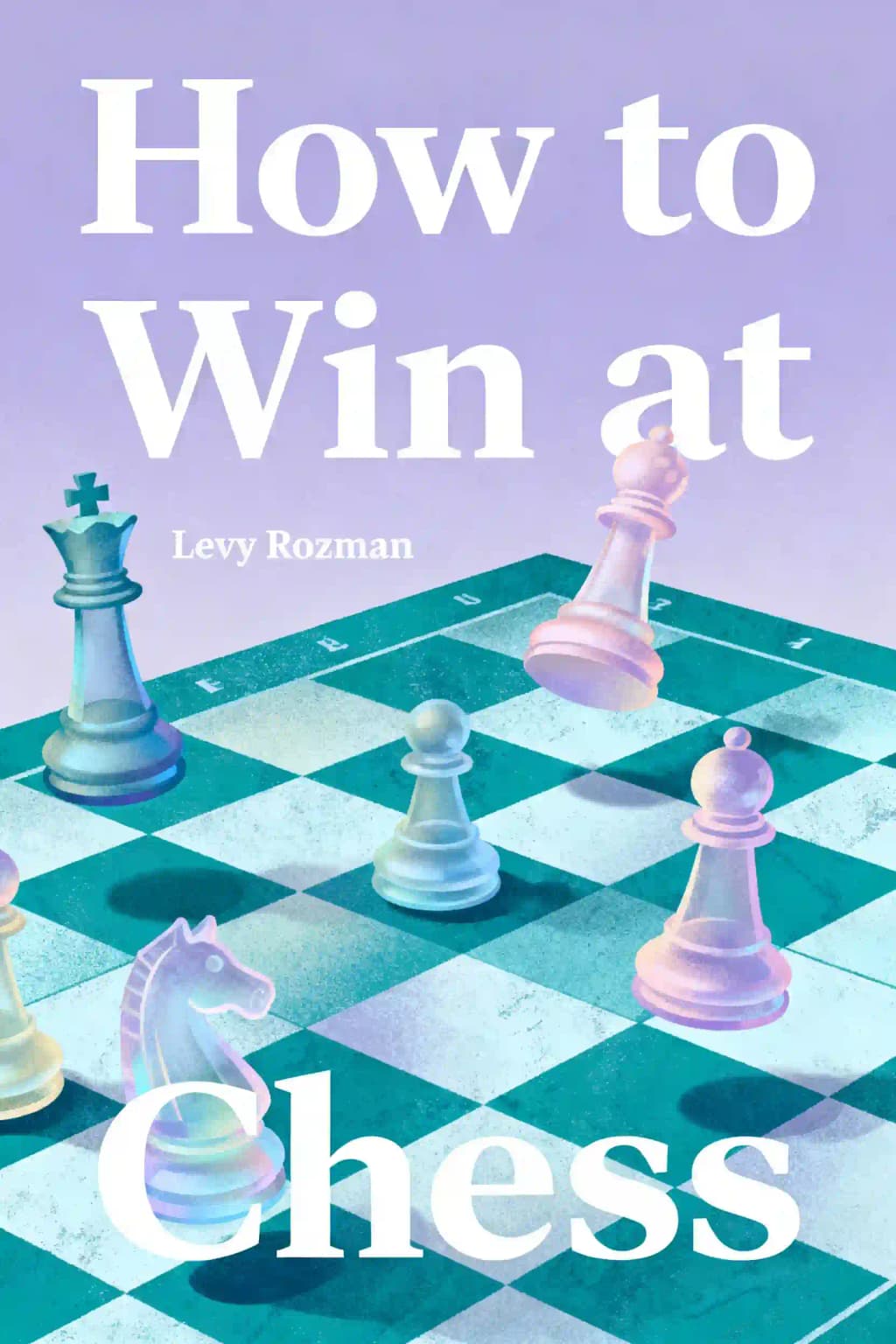
International Master GothamChess reveals chess secrets for beginners to 1200-rated players. This New York Times bestseller includes 500+ diagrams and QR codes linking to exclusive content. Discover why YouTube's largest chess channel creator makes complex strategies surprisingly accessible.
通过作者的声音感受这本书
将知识转化为引人入胜、富含实例的见解
快速捕捉核心观点,高效学习
以有趣互动的方式享受这本书
Magnus Carlsen and Fabiano Caruana sat across from each other in London, 2018, locked in the World Chess Championship. After twelve grueling classical games-each lasting hours-the score remained tied at 6-6. Not a single decisive game. Then came the rapid tiebreaks, and suddenly everything changed. Carlsen won all three games in devastating fashion. What separated the world's top two players in those critical moments? It wasn't some secret opening or supernatural calculation ability. It was systematic thinking, pattern recognition, and the ability to convert small advantages into victory. This is precisely what separates chess players who plateau from those who continuously improve-and it's entirely learnable. Every chess game concludes in one of four ways, and understanding each shapes how you approach every position. Checkmate remains the ultimate goal-trapping the enemy king with no escape. Here's something counterintuitive: learning checkmate is actually easier with fewer pieces on the board. Start with just three pieces and you'll grasp the fundamental concept faster than trying to navigate the chaos of all thirty-two pieces at once. But most games don't end in checkmate. Resignation is far more common, especially as you improve and face stronger opponents. During that 2014 World Championship, Viswanathan Anand resigned against Carlsen when defeat became inevitable-a sign of respect at the highest levels. Yet for everyone below master level, resignation is often premature. Your opponent might blunder. They usually do. Then there's the clock. Run out of time and you lose, even if you're completely winning on the board. Unless-and this is crucial-your opponent lacks enough material to ever deliver checkmate. The fourth way is abandonment, more common online but occasionally happening even in serious tournaments. The most famous example dates to 1895 when Curt von Bardeleben became so disgusted with his position against world champion Wilhelm Steinitz that he simply left the tournament hall.
将《How to Win at Chess》的核心观点拆解为易于理解的要点,了解创新团队如何创造、协作和成长。
将《How to Win at Chess》提炼为快速记忆要点,突出坦诚、团队合作和创造力的关键原则。

通过生动的故事体验《How to Win at Chess》,将创新经验转化为令人难忘且可应用的精彩时刻。
随心提问,选择声音,共同创造真正与你产生共鸣的见解。

"Instead of endless scrolling, I just hit play on BeFreed. It saves me so much time."
"I never knew where to start with nonfiction—BeFreed’s book lists turned into podcasts gave me a clear path."
"Perfect balance between learning and entertainment. Finished ‘Thinking, Fast and Slow’ on my commute this week."
"Crazy how much I learned while walking the dog. BeFreed = small habits → big gains."
"Reading used to feel like a chore. Now it’s just part of my lifestyle."
"Feels effortless compared to reading. I’ve finished 6 books this month already."
"BeFreed turned my guilty doomscrolling into something that feels productive and inspiring."
"BeFreed turned my commute into learning time. 20-min podcasts are perfect for finishing books I never had time for."
"BeFreed replaced my podcast queue. Imagine Spotify for books — that’s it. 🙌"
"It is great for me to learn something from the book without reading it."
"The themed book list podcasts help me connect ideas across authors—like a guided audio journey."
"Makes me feel smarter every time before going to work"

免费获取《How to Win at Chess》摘要的 PDF 或 EPUB 版本。可打印或随时离线阅读。