第 4 章
Blood Bonds: The Brotherhood's Sacred Connections
The Black Dagger Brotherhood forms the emotional core of the novel, with their fierce loyalty and complex relationships providing depth beyond the central romance. Each brother possesses unique strengths and devastating personal curses, creating a fascinating ensemble of damaged warriors bound by honor and shared purpose.
Tohrment, the steady and reliable brother, is the only one in a stable relationship with his shellan Wellsie. Their loving partnership stands in stark contrast to the loneliness plaguing the other brothers. Rhage, devastatingly handsome with Hollywood good looks, carries a terrible curse - a beast that emerges when he's provoked, causing everyone, even his brothers, to seek shelter. Despite his legendary status as a lover, this curse isolates him emotionally.
The twins Phury and Zsadist represent opposite sides of sacrifice and suffering. Phury, with his multicolored hair and prosthetic leg, maintains a vow of celibacy while consumed by unrequited love. Zsadist, scarred physically and emotionally from years as a blood slave, is the most dangerous and unpredictable brother, his hatred of females a response to brutal torture in his past. Vishous, with his tattooed hand and prophetic visions, provides intellectual guidance to the group.
When Beth enters their world, she disrupts their dynamics in unexpected ways. Initially viewed with suspicion as a half-human, she gradually earns their respect through her courage and devotion to Wrath. The brotherhood's acceptance of Beth becomes a powerful turning point, symbolized when they kneel before her with drawn daggers in a ritual of loyalty and protection.
The novel explores how these warriors, accustomed to violence and loss, form family bonds stronger than blood. Their shared meals, playful banter, and willingness to die for each other create moments of surprising tenderness amid the brutality of their existence. As one brother observes, they may be cursed individually, but together they form an unbreakable unit.
第 5 章
The Lessening Society: A Shadow Organization of Hunters
The Lessening Society serves as the primary antagonistic force in the novel, providing a deadly counterpoint to the Brotherhood. These de-souled humans have been recruited by the Omega, a malevolent supernatural entity, to hunt and kill vampires. Once inducted into the society, lessers lose their souls, their hearts are removed, and they gradually lose their human coloring, with their hair, skin, and eyes fading to pale ash over time.
Mr. X emerges as the novel's primary villain when he's promoted to Fore-lesser, the leader of the society, after successfully killing Darius with a car bomb. A martial arts instructor by day, he uses his academy to recruit angry young men with violent tendencies into the society. His strategic mind elevates the threat level as he reorganizes the lessers into coordinated squadrons focused on eliminating the Brotherhood rather than just reducing civilian vampire numbers.
The lessers' tactics evolve throughout the novel, from random attacks to sophisticated information gathering. Mr. X attempts to capture vampires for interrogation, hoping to locate the Brotherhood's headquarters. Their signature scent of baby powder (used to mask the smell of decay) becomes a warning sign that triggers immediate responses from the Brotherhood.
The conflict between the Brotherhood and the Lessening Society represents an eternal war, with neither side capable of complete victory. For every lesser killed (they disintegrate when stabbed through the chest), the Omega can recruit more. And while vampires can be killed, their race continues. This perpetual struggle forms the backdrop against which the personal stories unfold, adding urgency to Wrath's eventual decision to rebuild vampire society by taking his rightful place as king.
第 6 章
Transformation: From Human to Vampire, From Warrior to King
Physical and psychological transformation drives the narrative forward, with Beth's transition from human to vampire serving as the most dramatic example. Her transformation begins with subtle symptoms-increased appetite, sensitivity to light, joint pain-before culminating in a painful physical metamorphosis that requires Wrath's blood to survive. The process is depicted in vivid detail, from the excruciating bone restructuring to the enhancement of her senses, particularly her night vision and hearing. This process mirrors Wrath's own traumatic transition centuries earlier, creating a bond of shared experience between them. The physical changes are accompanied by an awakening of vampire instincts, including a primal need for blood and an inexplicable draw toward Wrath.
The novel's most profound transformations are emotional rather than physical. Wrath's journey from isolated warrior to connected lover and reluctant king forms the emotional core of the story. Having avoided his royal responsibilities for centuries, preferring vengeance to leadership, he gradually accepts his duty to his people. His initial resistance stems from deep-seated trauma-witnessing his parents' brutal murder left him distrustful of connection and unwilling to assume the throne they died protecting. This evolution is directly tied to his relationship with Beth, whose love helps him confront his past traumas and envision a different future. Through their bond, he learns to balance his warrior nature with the diplomatic skills required of a king.
Beth undergoes her own psychological transformation as she discovers her vampire heritage and adapts to a world she never knew existed. Her resilience in the face of these revelations demonstrates her inner strength. Rather than being overwhelmed by her new reality, she embraces it, finding purpose and belonging she never experienced in the human world. Her journalism background proves unexpectedly valuable, as her investigative skills help her understand vampire society and its complex traditions. She challenges outdated customs while respecting the culture's core values, becoming a bridge between old ways and new possibilities.
Secondary characters experience significant transformations as well. Marissa, initially introduced as Wrath's neglected shellan, finds her voice and independence when she breaks their covenant. After centuries of passive acceptance, she confronts both Wrath and her controlling brother Havers, beginning a journey toward self-determination. Her transformation from decorative aristocrat to autonomous individual challenges vampire society's patriarchal structures. Even Butch O'Neal, the human detective drawn into the vampire world, undergoes a transformation as he leaves his human life behind, finding unexpected connection with Marissa and acceptance among the Brotherhood. His police instincts and street smarts bring a fresh perspective to the Brotherhood's traditional fighting methods, demonstrating how change can strengthen rather than threaten their society.
These interconnected transformations reflect the novel's broader themes about identity, belonging, and the courage required to embrace change. Each character's journey illuminates different aspects of personal growth and the power of connection to facilitate transformation.
第 7 章
Forbidden Desire: When Blood Meets Passion
The novel's exploration of desire transcends typical romance tropes, examining how passion can transform even the most damaged individuals. The central relationship between Wrath and Beth ignites with explosive physical chemistry but evolves into something deeper and more meaningful. Their connection is portrayed as both healing and dangerous - Wrath's bloodlust becomes entangled with his sexual desire for Beth, creating moments of exquisite tension.
Ward doesn't shy away from explicit sexual content, but these scenes reveal character and advance the plot rather than existing solely for titillation. When Wrath and Beth first make love, his control shatters, revealing the depth of his loneliness and need beneath his cold exterior. Their physical connection becomes a gateway to emotional vulnerability neither expected.
The novel also explores desire through contrasting relationships. Tohrment and Wellsie's established bond provides a model of healthy vampire partnership. Marissa's unrequited love for Wrath, followed by her unexpected attraction to Butch, demonstrates how desire can both wound and heal. Even Zsadist's hatred of females is revealed to be a complex response to sexual trauma, suggesting future redemption.
Vampire physiology adds unique dimensions to these relationships. The concept of the "needing" - a rare fertile period for female vampires that triggers intense responses in males - introduces biological imperatives that complicate emotional connections. The ritual of feeding directly from another vampire's vein carries intimate connotations, creating jealousy when partners feed from others.
Perhaps most poignantly, desire in the novel is often tied to loss and sacrifice. Characters must risk vulnerability to experience connection, knowing their long lifespans guarantee eventual heartbreak. This awareness adds depth to their choices, making each decision to love an act of courage.
第 8 章
Honor, Sacrifice, and Redemption
Beneath the novel's supernatural elements and romantic storyline lies a deeper exploration of honor, sacrifice, and the possibility of redemption. The Brotherhood operates according to a strict warrior code that values loyalty above all else. When Wrath insults Tohrment during an argument, he later offers a rythe - a ritual free shot with any weapon to restore honor between them - demonstrating the importance of maintaining trust among the brothers.
Sacrifice emerges as a central theme through multiple characters. Darius sacrifices his life protecting his daughter. Phury sacrificed his leg rescuing his twin Zsadist from slavery, then maintained a vow of celibacy out of love for someone he can't have. The mating ceremony between Wrath and Beth includes a ritual where Wrath allows the brothers to carve Beth's name across his back, symbolically offering his body to her through pain.
The possibility of redemption hovers throughout the narrative, particularly for the most damaged characters. Wrath's acceptance of his royal responsibilities represents a form of redemption for his centuries of neglecting his people. Even Havers, who betrays Wrath out of misguided protection for his sister, is offered redemption through Wrath's mercy. The novel suggests that no one is beyond salvation if they're willing to change.
This theme reaches its most powerful expression in the epilogue, when Darius is offered a second chance at life by the Scribe Virgin. Though he must sacrifice his memories and current form, he accepts immediately for the possibility of knowing his daughter. This final sacrifice completes the circle of the narrative, suggesting that love - parental, romantic, or fraternal - provides the motivation for the greatest sacrifices.
第 9 章
The Weight of Legacy and the Promise of Future
Legacy and inheritance - both genetic and cultural - profoundly shape the characters' choices throughout the novel. As the last purebred vampire, Wrath carries not only the weight of his species' future but also centuries of royal tradition. His reluctance to accept his royal birthright stems from a complex web of trauma and self-doubt, particularly after witnessing his parents' brutal murders at the hands of lessers. The ornate throne room, with its ancient tapestries and ceremonial artifacts, stands as a constant reminder of what he both fears and desires. When he finally accepts the throne, he does so not just for himself but to honor generations of vampire kings before him and to forge a path forward for his dwindling race.
Beth's discovery of her vampire heritage forces her to completely reconstruct her understanding of self. Having grown up believing she was an ordinary human, abandoned and alone, she must now integrate an entirely new identity. The revelation about Darius proves especially powerful - his secret vigil over her life manifested in carefully preserved photographs, birthday cards never sent, and a meticulously maintained room in his mansion that tells the story of a father's love from afar. These tangible pieces of her history provide Beth with the family connection she desperately sought throughout her life. Her gradual acceptance of her dual nature - human and vampire - positions her uniquely to bridge both worlds, offering hope for future cooperation between species.
The Brotherhood's decision to consolidate their living arrangements at the mansion represents more than mere convenience - it marks a return to ancient vampire traditions of communal living and mutual protection. This choice carries particular significance given their typically solitary natures and the increasing threats they face. The mansion itself becomes a symbol of renewal, its halls once again filled with warrior voices and purpose. Even Butch's unprecedented inclusion in their world suggests expanding possibilities for vampire society, challenging centuries-old conventions about the separation between humans and vampires.
The novel's conclusion weaves together multiple threads of renewal. Wrath's ascension to the throne, with Beth as his queen, promises not just political leadership but spiritual revival for a race teetering on extinction. Their union represents the perfect balance of old and new - pure vampire bloodlines merged with hybrid vigor. Most poignantly, the epilogue's hint at Darius's potential rebirth adds a mystical dimension to the cycle of regeneration. This suggestion of reincarnation reinforces vampire culture's deep connection to ancient spiritual traditions while offering hope that death itself may not be final. Through these various elements, the novel ultimately argues that love - romantic, familial, and fraternal - holds the power to transcend death, heal ancient wounds, and create new possibilities even in a world shadowed by violence and loss.
第 10 章
A Dance of Darkness and Light
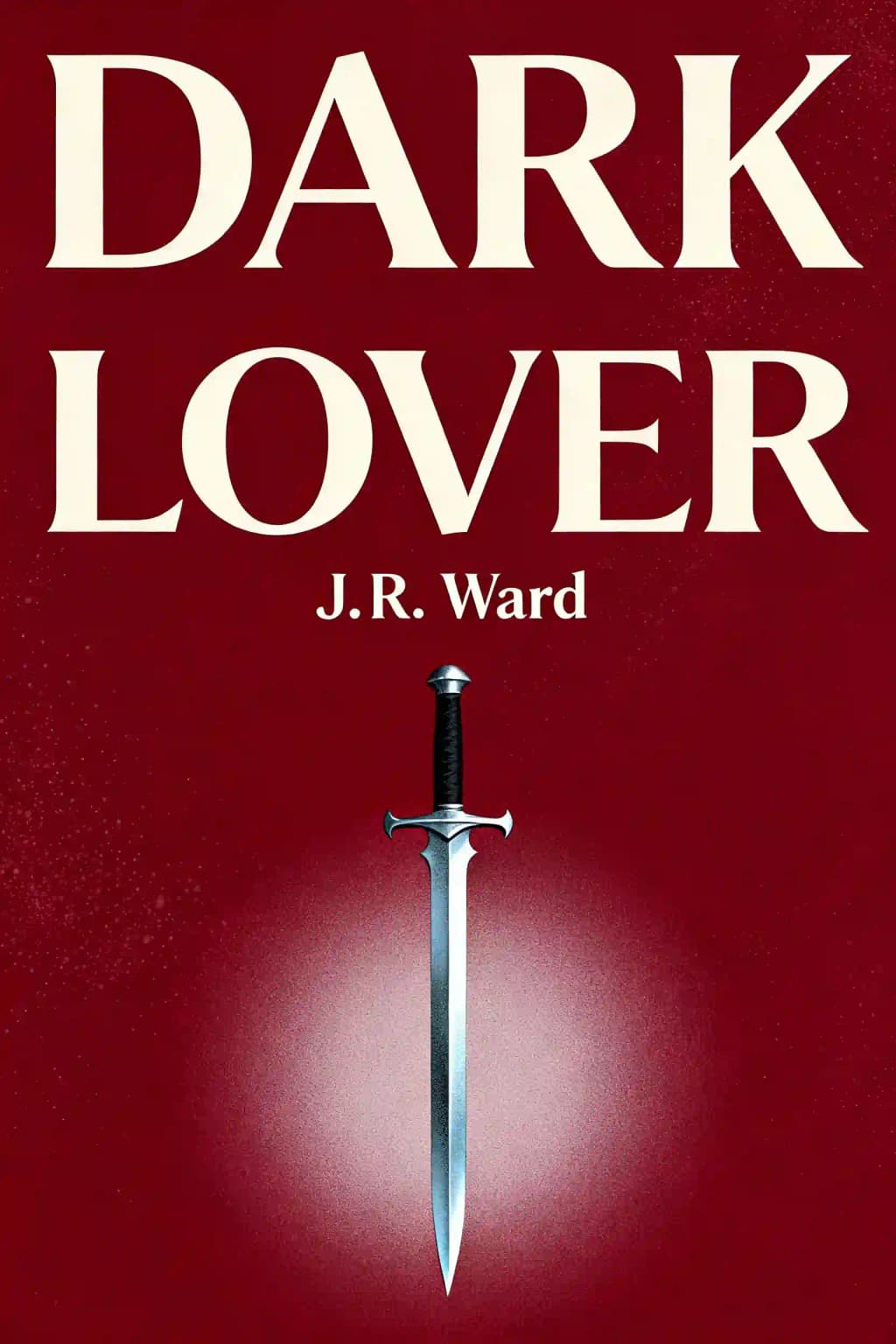
"Dark Lover" masterfully balances elements of darkness and light, creating a world where violence coexists with tenderness and ancient traditions meet modern sensibilities. The novel doesn't shy away from brutality - the lessers' torture methods are depicted in graphic detail, from their clinical dismemberment of victims to their psychological warfare. Zsadist's traumatic past as a blood slave haunts every scene he appears in, manifested in his scarred face and empty eyes. The Brotherhood's violent battles paint the streets of Caldwell red, with visceral descriptions of hand-to-hand combat and supernatural warfare that feel almost cinematically choreographed.
Yet amid this darkness, moments of unexpected beauty emerge with stunning clarity. Zsadist's angelic singing during the mating ceremony reveals a hidden gentleness beneath his scarred exterior, his voice carrying centuries of emotion. Wrath's tears when he awakens to find Beth still by his side - despite his blindness and vulnerability - showcase the warrior king's deeply buried humanity. The brothers' playful banter during shared meals in the mansion's dining room offers glimpses of normalcy and family bonds, complete with good-natured ribbing and inside jokes that span centuries.
This contrast extends beyond simple moments to the central relationship between Wrath and Beth. His darkness manifests in centuries of isolation, relentless vengeance, and deep-seated self-loathing about his royal heritage and perceived weaknesses. Beth's light shines through her unwavering compassion, remarkable adaptability to the vampire world, and fierce courage in facing both human and supernatural threats. Their connection doesn't attempt to erase the darkness but makes it bearable - suggesting that love doesn't require perfection but rather acceptance of another's shadows and scars.
The novel's setting in Caldwell reinforces this duality with meticulous detail. Elegant vampire mansions with their centuries-old artwork and security systems exist alongside gritty urban streets where drug deals and violence are commonplace. The Brotherhood's compound represents this fusion perfectly - state-of-the-art technology housed within ancient stone walls. Characters move between these worlds with fluid grace, finding their place in the margins between human and vampire society, between ancient traditions like the blood ritual and contemporary reality with its cell phones and surveillance cameras.
By the story's conclusion, neither darkness nor light has completely triumphed. The war with the lessers continues unabated, their numbers seemingly endless. New challenges await the newly crowned king and queen - from modernizing vampire society to protecting their race from extinction. But the balance has shifted significantly, with connections formed between unlikely allies and possibilities opened that didn't exist before. Through Beth and Wrath's relationship, Ward demonstrates that in this world of eternal night, love - whether romantic, fraternal, or familial - provides the most enduring light, capable of illuminating even the darkest corners of immortal existence.