第 1 章
The Inevitable Journey: A Bestseller That Changed Medicine
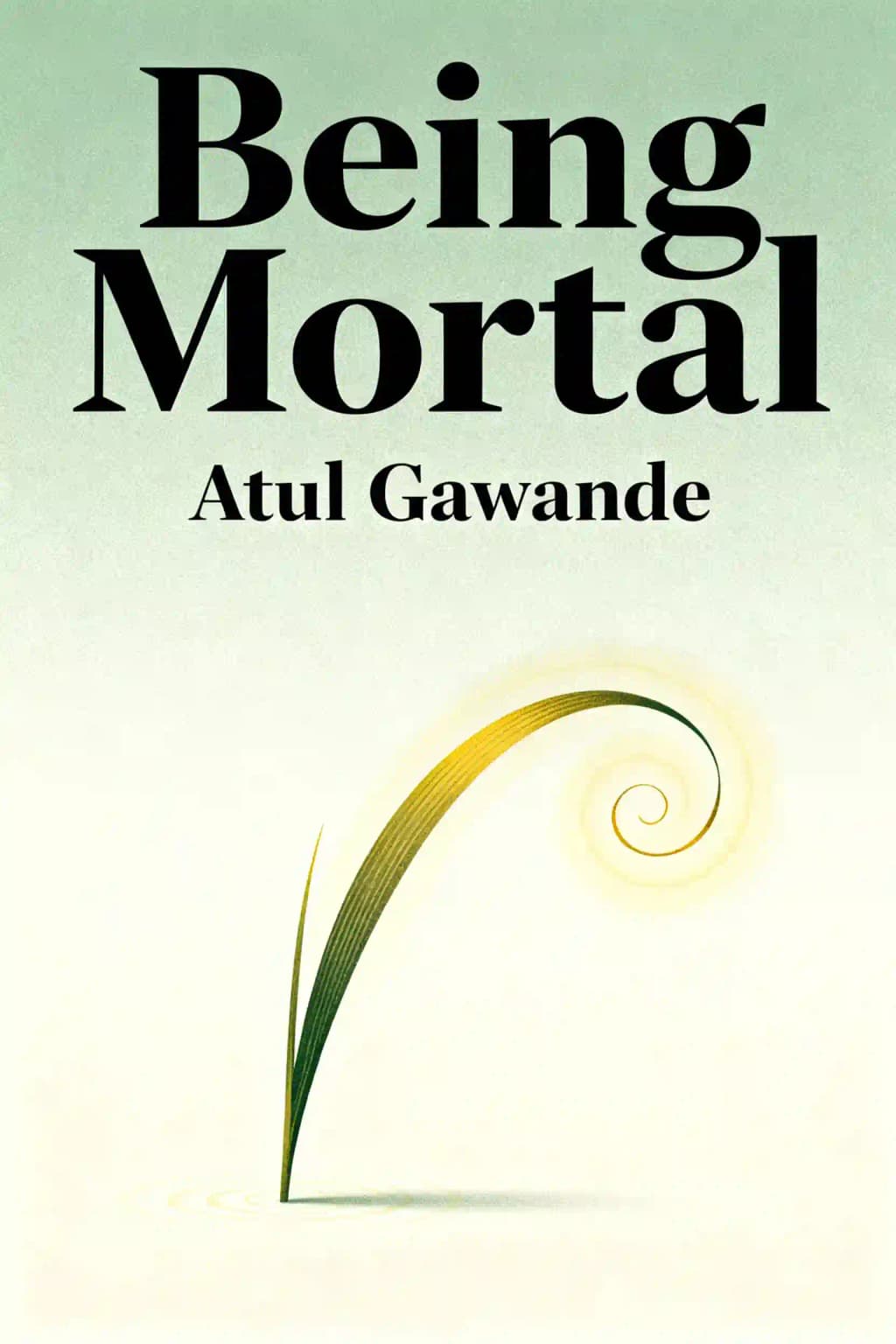
Being Mortal isn't just another medical book. It's a profound exploration of life's final chapter that has transformed how we approach aging and end-of-life care. Since its publication in 2014, Atul Gawande's masterpiece has sold millions of copies worldwide, becoming a fixture on The New York Times bestseller list for over 85 weeks. The book resonated so deeply with readers that it was adapted into a PBS Frontline documentary and has been incorporated into medical school curricula across the country.
What makes this book extraordinary is Gawande's ability to blend rigorous medical insight with deeply personal storytelling. As both a practicing surgeon and the son of aging parents, he brings unique perspective to this universal journey. The book has found fans in unexpected places - Bill Gates called it "one of the most important books I've read," while Oprah Winfrey featured it in her influential book club, noting how it changed her perspective on mortality.
In a culture that often avoids discussions of death, Being Mortal has opened a national conversation about how we live our final days. Through intimate stories and compelling research, Gawande challenges us to confront the uncomfortable truth that we are all mortal - and asks us to consider what truly matters in the end.
第 2 章
When Medicine Meets Mortality
Medical education excels at teaching how to save lives but falls remarkably short when it comes to addressing mortality's inevitable conclusion. Despite the intimate exposure to human anatomy through cadaver dissections, medical students learn surprisingly little about the natural processes of aging and dying. This gap in education becomes painfully apparent when practitioners face patients confronting their mortality.
Consider Joseph Lazaroff's case - a patient with metastatic cancer who underwent a risky spinal operation despite minimal chances of meaningful recovery. His story exemplifies how modern medicine's technological capabilities often clash with humane approaches to inevitable death. The medical team, trained to intervene at all costs, offered treatments that promised false hope rather than comfort and dignity.
This disconnect stems from medicine's fundamental orientation toward problem-solving and life extension. While these goals are noble, they create a blind spot around the human experience of aging and dying. Physicians become experts at managing diseases but remain novices at guiding patients through life's final transition with grace and meaning.
What's particularly troubling is how this approach can inadvertently increase suffering. Aggressive interventions near life's end frequently result in pain, confusion, and isolation - precisely when patients most need comfort and connection. The medical system, designed to combat acute illness, struggles to adapt to the gradual, inevitable decline that characterizes aging.
"Why didn't anyone tell us this was coming?" families often ask, bewildered by the cascade of complications that accompany aging. The answer lies in medicine's reluctance to acknowledge its limitations and society's discomfort with confronting mortality. This silence leaves patients and families unprepared for navigating life's most challenging transition.
第 3 章
The Changing Landscape of Aging
Meeting Alice Hobson revealed a striking portrait of modern aging in America. At seventy-seven, she embodied independence and vitality, maintaining her own home and active social life. Her self-sufficiency wasn't just impressive - it represented a profound cultural shift in how we experience old age. Alice's life told a story of resilience, from weathering the Great Depression to managing a household alone after her husband's death.
This reality contrasted sharply with traditional expectations like those in Indian culture, where elders remain integrated within family structures. Sitaram Gawande, living past a hundred in India, exemplified this alternative model - surrounded by family members who provided care while still honoring his wisdom and authority. Despite reduced physical independence, he maintained dignity and influence within his community.
What explains this divergence? The answer lies in how modernization has fundamentally altered the role and status of older adults. Throughout most of human history, reaching old age was relatively rare, conferring special status on those who achieved it. Elders served as repositories of knowledge and tradition in societies without written records or formal education systems.
However, several forces disrupted this pattern. Increased longevity diminished the rarity value of reaching old age. Technological advances, particularly in information storage and retrieval, reduced dependence on elders as knowledge keepers. Economic shifts enabled younger generations to establish independent households, creating what sociologists call "intimacy at a distance" - emotional closeness without physical proximity.
This transformation wasn't one-sided. Many older adults, like Alice, cherished their autonomy and privacy. The freedom to maintain control over daily routines and personal spaces became a hallmark of successful aging in Western societies. Yet this model contains an inherent contradiction - it works beautifully until it doesn't.
The limitations of independence become apparent when illness or infirmity inevitably arrive. Alice's increasing unsteadiness and memory lapses signaled this turning point. Despite lifelong efforts to remain self-sufficient, she faced the universal reality that autonomy has biological limits. When these limits appear, our cultural emphasis on independence leaves many older adults and their families without adequate frameworks for navigating the transition to greater dependence.
第 4 章
The Biology of Decline
Medicine has dramatically altered our life trajectory, pushing the onset of serious decline later and extending our lifespan considerably. Yet despite these remarkable advances, the fundamental reality remains unchanged - our bodies eventually break down through complex, interconnected processes that mark aging's progression.
Think about what happens as we age: bones and blood vessels harden, muscle mass depletes steadily, and our body's resilience diminishes. The structures that once bounced back quickly from injury or illness begin to require more time and care to recover, if they recover at all. This isn't just about visible changes like graying hair or wrinkled skin - it's about profound alterations in how our bodies function at cellular and systemic levels.
Our bodies operate like complex systems with built-in redundancies - backup organs, repair mechanisms for damaged cells, and compensatory processes. When we're young, these systems work efficiently, but as we age, damage accumulates faster than repairs can be made. The redundancy that once protected us gradually fades, resulting in what geriatricians call frailty - a state of increased vulnerability where even minor stressors can trigger disproportionate declines.
Felix Silverstone, a veteran geriatrician, describes aging not as a single pathway but as a gradual, relentless accumulation of damages across multiple systems. Hair grays as pigment-producing cells diminish, skin develops spots as repair mechanisms falter, and eyesight dims as cellular structures in the lens become less flexible. These aren't isolated events but manifestations of the same underlying process - our body's decreasing ability to maintain itself.
What makes this reality particularly challenging is that modern healthcare systems aren't well-designed to address it. In the serene environment of the Center for Older Adult Health, geriatrician Juergen Bludau demonstrates the nuanced, meticulous approach necessary for elderly care. His interaction with Jean Gavrilles, an elderly woman managing multiple conditions from arthritis to potential metastasis, reveals how proper geriatric care involves detailed attention to the whole person, not just their diseases.
Through careful conversation and assessment, Bludau identifies fall risks and recommends strategies that prioritize maintaining Gavrilles' independence and quality of life. This approach stands in stark contrast to the fragmented, specialist-driven care that dominates modern medicine. Rather than focusing exclusively on extending life at all costs, geriatric care asks a different question: how can we help this person maintain the highest possible quality of life within the constraints of their inevitable decline?
第 5 章
The Crisis in Geriatric Care
Despite demonstrating substantial benefits in reducing disabilities and depression through holistic approaches, geriatrics remains an unglamorous, overlooked specialty in modern medicine. The field's focus on managing decline rather than achieving dramatic cures places it at odds with medicine's dominant ethos of conquest over disease.
This mismatch between need and resources became painfully evident when the University of Minnesota shuttered its geriatric program - a decision mirrored across many medical institutions. The closure highlighted a systemic failure to prioritize elderly well-being over the allure of cutting-edge technology and lucrative specialties. While society invests heavily in the latest surgical techniques and pharmaceutical breakthroughs, the basic infrastructure for compassionate elder care remains chronically underfunded.
Geriatricians like Chad Boult argue passionately for broader training in elderly care across medical specialties, recognizing that the demographic tsunami of aging Baby Boomers will overwhelm the small number of dedicated geriatricians. Yet medical education continues to marginalize geriatric training, producing graduates ill-prepared for the complex needs of their increasingly elderly patient population.
The consequences of this neglect play out in the daily lives of people like Felix Silverstone. Once an esteemed figure in geriatrics himself, Felix now navigates the challenges of aging while managing his wife Bella's care. Their story illustrates the delicate balance between independence and the inevitable shift to dependence that growing old demands.
When Bella suffers total deafness after a cold, the basic communication between them is severed, leading to increasingly desperate circumstances. Felix grapples with the intense challenges of seeing his beloved wife lose her autonomy and dignity, eventually making the heart-wrenching decision to move her to skilled nursing care. The consolation of having their final days together at home brings immeasurable peace, though Bella's sudden passing still leaves Felix feeling deeply bereft yet grateful for their last peaceful moments together.
This personal dimension of aging - the emotional toll, the difficult decisions, the loss of connection - receives far less attention than the medical aspects. Yet it's precisely these human elements that most profoundly affect quality of life for older adults and their caregivers. The crisis in geriatric care isn't just about medical resources; it's about our collective failure to develop systems that honor the full humanity of people in their final years.
第 6 章
The Institutional Dilemma
Alice Hobson's move to Longwood House reveals a profound paradox in elder care. Despite the facility's outward comfort - clean rooms, nutritious meals, professional staff - the relocation strips away something essential to her being. Her withdrawal becomes apparent as she abandons cooking, loses weight, and detaches from communal events. This transformation isn't just about changing address; it represents a severing of ties with her past identity and autonomy.
The contrast between modern senior homes and historical poorhouses illustrates how far we've come yet how far we still must go. Early 20th-century almshouses represented society's callous indifference to the elderly poor, warehousing them in abhorrent conditions. While today's facilities attempt to provide sanctuary, they often embody an uncomfortable continuum between historical neglect and current inadequacies in honoring elders' dignity and agency.
This tension becomes painfully evident in dementia wards, where the stark reality of institutionalization reveals profound disconnection. Residents' confusion and suffering arise not just from their cognitive decline but from environments fundamentally at odds with human needs for familiarity, control, and meaningful connection. Even the most empathetic staff find themselves pushed to their limits by inadequate resources and overwhelming needs.
The core issue lies in how these facilities conceptualize their purpose. Despite the comfort and safety they offer, the structured environment often strips residents of personal autonomy and control. Like Harry Truman, who famously refused to leave his home near Mount St. Helens despite volcanic danger, Alice's resistance to institutional life encapsulates the deep human desire for self-determination.
This institutional approach emerged not from careful consideration of elders' needs but from historical accident. Modern nursing homes evolved as custodial units designed to relieve hospitals of long-term patients, never intended to become permanent residences. They continue to treat aging primarily as a medical issue rather than a life stage requiring personalized dignity and agency.
The fundamental disconnect is that institutions prioritize safety and efficiency over the elements that make life worth living - autonomy, purpose, and connection. While protecting residents from physical harm, they often inflict a different kind of damage by removing control over daily routines, personal spaces, and meaningful decisions. The result is environments that extend life while diminishing its quality, leaving many residents feeling like they're merely waiting to die rather than continuing to live.
第 7 章
Reinventing Elder Care
Keren Brown Wilson's vision for assisted living emerged from personal anguish - her paralyzed mother's unending plea to "take me home" from a nursing facility. This emotional catalyst drove Wilson to challenge prevailing norms in elder care, creating environments where older individuals could maintain dignity and self-determination despite physical limitations.
Her pioneering facility, Park Place, embodied a radical concept: that safety concerns shouldn't automatically trump residents' freedom to make their own choices, even risky ones. The approach proved remarkably successful, with residents showing improved well-being and satisfaction compared to traditional nursing homes. Wilson's model spread rapidly across Oregon and eventually nationwide, demonstrating the hunger for alternatives to institutional care.
This revolution in elder care coincided with emerging research on how aging affects our goals and values. Laura Carstensen's socioemotional selectivity theory, developed after her own transformative hospitalization experience, revealed that as people recognize life's finitude, their priorities shift from long-term ambitions to immediate relationships and pleasures. This insight helps explain why environments that honor autonomy and emotional connection prove so beneficial for older adults.
However, the commercialization of assisted living led to a dilution of Wilson's founding principles. As investors recognized the profit potential, new facilities adopted the name but not necessarily the philosophy, creating a spectrum of quality across the industry. Even Wilson's own company, under pressure from Wall Street backers, altered its approach, eventually prompting her departure.
This tension between ideals and economics continues to shape elder care. Lou Sanders' experience illustrates how families, despite best intentions, often prioritize safety over the personal desires and happiness of their elders. The impossible choices faced by families frequently lead to institutionalization, even when this means sacrificing quality of life.
The challenge remains: how can we create systems that balance necessary care with respect for individual autonomy? The answer may lie in reimagining elder care not as a choice between independence and safety but as a continuum of support that preserves dignity and purpose at every stage. This requires moving beyond the false dichotomy of family care versus institutionalization to develop flexible models that adapt to changing needs while honoring the individual's essential humanity.
第 8 章
The Eden Alternative: Bringing Life Back
In 1991, Bill Thomas embarked on a revolutionary experiment at Chase Memorial Nursing Home that would transform our understanding of elder care. Despite being young and inexperienced, Thomas recognized that the pervasive despair in the facility stemmed not from inadequate medical treatment but from a profound absence of meaning and connection.
Initially making the common mistake of equating care with aggressive medical intervention, Thomas soon realized the root issue was spiritual rather than physical. He identified three plagues afflicting nursing home residents: boredom, loneliness, and helplessness. His radical solution? Introduce life - literally - by bringing plants, animals, and children into the sterile institutional environment.
Armed with determination and persuasive charm, Thomas secured state grants and overcame skepticism from officials and staff. His vision included dogs, cats, and even a hundred birds to fill the silent corridors with vitality. Despite formidable obstacles, including entrenched regulations and resistance from staff accustomed to prioritizing safety over quality of life, Thomas persisted.
The implementation was chaotic but transformative. In what Thomas called the "Big Bang," animals and plants arrived en masse, creating logistical challenges but also generating unprecedented energy and engagement. The sudden presence of living creatures that needed care gave residents a new sense of purpose. People who had been passive and withdrawn began exhibiting independence and willingness to participate in daily life.
The results were remarkable. Research confirmed significant improvements in various health metrics - residents required fewer medications, experienced fewer infections, and even showed reduced mortality rates. The presence of animals and plants offered spontaneity, companionship, and responsibilities that many residents eagerly embraced, effectively reducing their dependence on pharmaceuticals and enhancing overall well-being.
This transformation illuminates philosopher Josiah Royce's concept of loyalty - the human need to devote ourselves to causes larger than ourselves. By providing opportunities for residents to care for other living beings, the Eden Alternative tapped into this fundamental human drive for meaning and connection. Even those with severe dementia responded positively to having something to nurture and protect.
Thomas's approach complemented Keren Wilson's focus on autonomy, demonstrating that dependent individuals need both freedom and purpose. Together, these innovations sparked a reimagining of elder care, emphasizing elements that create meaning and dignity even amidst physical decline. The lesson became clear: environments that honor both autonomy and connection can transform the experience of aging from mere survival to continued growth and contribution.
第 9 章
Creating Home in Institutional Settings
Innovative approaches are reshaping elder care, moving away from the hospital-like environments that have dominated the field. Places like NewBridge and Peter Sanborn Place demonstrate how thoughtful design and philosophy can create spaces where elders thrive rather than merely exist.
NewBridge exemplifies this new paradigm by cultivating a genuinely home-like environment. Residents maintain independence in private apartments while forming authentic connections through shared activities and common spaces. They engage in movies, classes, and outings that maintain their connection to normal life. Though financially demanding, philanthropic support has kept the model viable, with a significant portion of residents relying on government assistance.
Peter Sanborn Place takes this concept further by seamlessly integrating care with community. As residents' needs increase, they continue living in their apartments with personalized assistance, ensuring they retain their autonomy and relationships. The sense of family and belonging takes priority, as demonstrated when a mother with increasing needs was reunited with her disabled son after years of separation - a reunion that would have been impossible in a traditional nursing home.
These approaches reflect philosopher Ronald Dworkin's insight that autonomy isn't simply about maximizing choices but about allowing people to be authors of their own lives. True autonomy involves the freedom to shape a life that reflects one's character and convictions, even when physical capabilities diminish.
Perhaps the most revolutionary implementation of these principles appears in the Green House model developed by Bill Thomas. At facilities like the Leonard Florence Center for Living, residents like Lou Sanders discover environments that feel like homes rather than institutions. Unlike typical nursing homes with shared rooms and rigid schedules, Green Houses offer private rooms and an atmosphere where residents control daily rhythms.
In this setting, caregivers become companions rather than controllers, and residents regain privacy and choice over fundamental aspects of daily life - when to wake up, what to eat, and how to spend their time. This shift represents more than comfort; it restores dignity by acknowledging that even those requiring significant assistance remain full human beings with preferences, pleasures, and personalities that deserve respect.
These innovations demonstrate that institutional care need not strip away identity and agency. With thoughtful design and a philosophy centered on human dignity, even settings providing intensive medical support can nurture autonomy, connection, and meaning - the elements that make life worth living at any age.
第 10 章
Confronting Terminal Illness
When medicine reaches its limits, patients and families face agonizing decisions about how to spend precious remaining time. Sara Monopoli's story exemplifies this struggle - diagnosed with lung cancer during pregnancy, she faced a cascade of treatments with diminishing returns. Despite aggressive interventions, her condition steadily worsened, raising the question: at what point does continuing to fight cause more suffering than benefit?
The economic dimension of this dilemma can't be ignored. A significant portion of healthcare spending occurs in patients' final months without yielding substantial quality-of-life improvements. This pattern appears across healthcare systems worldwide, suggesting deeper issues than just financial incentives. The intensive care unit often becomes the default destination for terminal patients, with families and physicians alike reluctant to acknowledge when further intervention becomes futile.
Data from the Coping with Cancer project reveals a troubling correlation: patients receiving aggressive end-of-life interventions generally experience lower quality of life in their final days, while their caregivers suffer higher rates of depression and complicated grief. The pursuit of every possible treatment, however well-intentioned, can prevent the closure and meaningful farewell moments that bring peace at life's end.
Hospice offers an alternative approach that balances medical intervention with quality end-of-life care. Through Sarah Creed's dedicated hospice work, we see how this model honors patients' remaining life rather than focusing exclusively on extending it. By prioritizing comfort, connection, and quality time, hospice enables many patients to experience meaningful final chapters rather than medicalized endings.
Surprisingly, studies show that patients who have end-of-life discussions with their doctors not only undergo less aggressive care and experience less suffering but often live longer than those who don't. This counterintuitive finding suggests that hospice isn't about hastening death but about aligning care with patients' deepest values and priorities.
The experience in La Crosse, Wisconsin, where healthcare providers standardized end-of-life discussions as normal parts of care, demonstrates how proactive conversations can lead to better outcomes. By understanding what matters most to patients before crises occur, providers can develop care plans that honor individual preferences rather than defaulting to maximum intervention.
The core insight is that navigating serious illness requires not just discussing treatment preferences but understanding underlying fears and life priorities. As patients confront mortality, clarity about personal values should inform care decisions. The goal isn't to push patients toward particular choices but to ensure that whatever path they choose aligns with what matters most to them in their remaining time.
第 11 章
Courage at Life's End
Courage in facing mortality isn't about heroic battles against disease but about reconciling with reality and making informed choices that honor one's deepest values. This becomes clear through personal stories of confronting life's limits, including the author's father's journey with a spinal tumor.
When faced with the shocking MRI results revealing a tumor threatening paralysis, the family confronted both medical uncertainty and existential fear. Two surgeons offered different approaches - one pushing for immediate intervention, another counseling caution. The decision hinged not just on technical expertise but on which surgeon truly engaged with the patient as a person with specific fears and priorities.
Cleveland's Dr. Benzel earned trust through his empathetic interaction, addressing concerns rather than just clinical details. This interpretive approach to medicine - helping patients understand their situation in light of their values - proved crucial in navigating complex choices. Rather than rushing to surgery, they chose watchful waiting, allowing life to continue vibrantly for a year despite the tumor's presence.
This patient-centered approach became even more vital as the condition progressed. When paralysis loomed, a crucial conversation explored not just medical options but deeper questions: What were the patient's greatest fears? What trade-offs would be acceptable? What would make life still worth living? The answers - maintaining engagement with people and some degree of autonomy - provided clarity amidst devastating circumstances.
The surgery that followed carried significant risks but aligned with the patient's articulated priorities. Though fraught with complications, including a heart issue during the procedure, the outcome exceeded expectations - he walked again, confirming that the right choices had been made at each juncture.
Yet life continued to present challenges. A subsequent cancer diagnosis led to recommendations for radiation and chemotherapy, with specialists promising minimal side effects. The reality proved far harsher, with treatment inflicting severe physical suffering while failing to halt the disease's progression. This experience highlighted how medical interventions often carry hidden costs that must be weighed against potential benefits.
The turn to hospice revealed how proper palliative care can stabilize conditions and provide meaningful moments even during decline. Simple strategies dramatically improved quality of life, allowing for joyful times and important milestones like attending a graduation. This approach - choosing day-to-day living over postponing life for uncertain future gains - embodied true courage: facing reality while embracing whatever possibilities remained.
The lesson emerges clearly: courage at life's end means making choices that align with one's deepest values rather than reflexively pursuing every possible treatment. It requires honest conversations about priorities and acceptance of mortality without abandoning hope for meaningful moments in whatever time remains.
第 12 章
Mortality and Meaning
Life isn't merely a collection of moments but a cohesive narrative shaped by meaningful events and connections. This understanding becomes crucial when confronting mortality, as the quality of life's ending profoundly affects how we evaluate the entire journey - a phenomenon psychologist Daniel Kahneman calls the "Peak-End rule."
This principle reveals that people primarily remember experiences based on their most intense moment and how they concluded, largely disregarding duration. Applied to life's final chapter, this insight suggests that how we die significantly influences how our entire existence is remembered - by ourselves in our final reflections and by those who survive us.
The growing interest in assisted death highlights the challenge of maintaining autonomy while addressing deep fears about suffering. Yet the narrative of Being Mortal suggests that hastening death often represents a failure to provide the compassionate care and meaningful closure people truly seek. The success of medicine shouldn't be measured solely by survival statistics but by its ability to support well-being throughout life's journey - including its end.
Peg's experience with hospice care illustrates this principle beautifully. Initially in despair over her terminal diagnosis, her story transformed when hospice enabled her to return home and resume teaching. Through careful medication management, she fulfilled what anthropologists call the "dying role" - saying meaningful goodbyes and imparting wisdom to her students. She lived her final six weeks with purpose and joy, finding peace in her terminal days.
Similarly, the author's father's journey through hospice revealed both the challenges and possibilities of end-of-life care. Despite clear wishes to avoid suffering and remain at home, the reality proved complex as he grappled with pain and the emotional weight of leaving life behind. Even in his final days, small pleasures remained significant - shared meals, cherished memories, exchanged words. His wish for a peaceful end required continuous attention to his comfort and dignity, embodying the essence of compassionate care.
The fundamental task in medicine isn't simply extending life but enabling well-being - supporting what makes life worth living. This approach recognizes human biological limits while offering interventions only when they align with individuals' broader life aims. Whether providing a cure or comfort, the reminder remains: medicine's true impact lies in supporting life's journey with dignity, meaning, and connection until its natural conclusion.