《奋斗的48条法则》摘要概述
在短短 54 页的篇幅中,Jimmy Phan 的《48 Laws of Hustle》传达了读者每天都能吸收的街头智慧。凭借 4.6 星的评分,这本简洁的指南不仅仅关乎金钱——它还是你晨间例行计划的秘密武器。如果每天掌握一条法则,你能成就什么?
下载《奋斗的48条法则》摘要
免费获取《奋斗的48条法则》摘要的 PDF 或 EPUB 版本。可打印或随时离线阅读。
在短短 54 页的篇幅中,Jimmy Phan 的《48 Laws of Hustle》传达了读者每天都能吸收的街头智慧。凭借 4.6 星的评分,这本简洁的指南不仅仅关乎金钱——它还是你晨间例行计划的秘密武器。如果每天掌握一条法则,你能成就什么?
免费获取《奋斗的48条法则》摘要的 PDF 或 EPUB 版本。可打印或随时离线阅读。
由哥伦比亚大学校友创建 | 源自旧金山
平均评分
7,840+ 条 App 评分
BeFreed 社区
说真的,我还没把这个 app 完全摸透,但用了这几天已经被惊艳到了… BeFreed 和我用过的任何学习类 app 都不在一个层级。它让人特别投入,还能实实在在地提升专注力,对刷手机停不下来的人来说太合适了!
@ladyInfinity
我买 BeFreed 正好 23 天,从那以后每天都在用。它已经完全融入了我的日常工作流和学习习惯。
@jayallen
说实话,这个 app 超出了我所有的预期。我可以让它就任何主题生成音频,无论是什么,效果都很惊艳。我的专业领域是心理治疗方向,而且是多学科交叉的,但它给出的内容非常准确。
@Raguipa
我最感激的是它大大减少了我刷手机的时间——花在搜索上的时间少了,吸收信息的时间多了。完整有声书、播客加上学习计划的组合,真的很出色。
@colonyofcreatorsNGO
我做 PhotoReading 快速学习讲师已经 24 年了… 书籍、阅读和学习就是我的本行,而 BeFreed 用一种创新的方式,把知识变得特别容易吸收,做得非常出色。
@BeFreed user
它不只是一个书籍摘要 app。我用过「有趣」这个阅读模式,比传统方式的摘要好得多,理解观点也更容易,光这一点就值回票价。
@austinakon
我爱这个 app。用了几天,完全停不下来。作为开始,再好不过了。
@jcrules328
我真的很喜欢这个产品;已经试用了大概一个月,感觉挖到宝了。它特别好用,因为我可以用 BeFreed 创建自己想学的主题,声音也很棒,旁白选择多到用不完。
@DanielCZ
我特别喜欢它能把有用的信息和想法浓缩成 8-15 分钟的播客式音频。我本来不太爱听播客,因为废话太多,但它把这些全都去掉了。
@BeFreed user
我正在读博士的最后阶段,需要读大量不熟悉的材料… 用 BeFreed,只要输入一个提示,app 就会帮你找到源材料并生成一期音频播客。我觉得 BeFreed 的流程比 NotebookLM 更顺畅。
@Brad
我经常在做早餐、散步、通勤的时候上 YouTube 找点东西听,而 BeFreed 提供了更有针对性的选择,没有广告,也没有废话!
@BeFreed user
这个平台最棒的地方是它的多面性。真的没有任何主题是它讲不了的,你丢给它什么它都能处理… 很少能找到一个毫无限制、又真正兑现承诺的学习工具。
@jayallen
BeFreed 太棒了。界面好用,让我花在找功能上的时间更少,花在学习上的时间更多。有声书、播客和学习计划的组合是天才设计,彻底改变了我的日常。
@BeFreed user
一开始我花了点时间才弄明白怎么生成意大利语的播客,然后就——哇!太棒了!我可以让它讲解任何一个话题,它讲得又好又聪明!
@matteo77
BeFreed 已经成了我每天都用的有声书 app… 我最喜欢的是,把自己的文字放进去,它就能生成随时随地都能听的音频。
@kotanzu1




来自《奋斗的48条法则》的相同理念。选择适合你的声音、深度和节奏,随时切换。
Ever wondered why some people seem to effortlessly turn their dreams into reality while others remain stuck in perpetual planning? Jimmy Phan's "48 Laws of Hustle" has become the underground playbook for ambitious individuals across industries-from tech entrepreneurs to recording artists. This manifesto of determination has quietly influenced figures like Gary Vaynerchuk and Eric Thomas, who reference its principles in their motivational speeches. What makes this book particularly powerful is how it distills success principles into actionable laws that apply whether you're starting a business from your garage or climbing the corporate ladder. The book has developed a cult following precisely because it speaks to an essential truth: success isn't about your circumstances but your mindset and actions. As Phan himself overcame significant obstacles on his path to success, his laws aren't theoretical-they're battle-tested strategies from someone who refused to quit.
Success begins long before the first visible achievement - it starts in your mind. The game always starts in the brain, as Phan emphasizes, where neural pathways form the foundation of future actions and outcomes. Your vision acts as the blueprint for everything you'll build, functioning like a detailed architectural plan that guides each step of construction. Consider how Elon Musk visualized electric vehicles becoming mainstream when the industry thought it impossible, meticulously planning Tesla's evolution from luxury vehicles to mass market offerings. Or how Oprah Winfrey envisioned her media empire while facing rejection after rejection, systematically building her influence from local TV to global media mogul. These weren't just dreams - they were mental frameworks that guided every decision thereafter. This mental foundation requires removing self-imposed limitations and recognizing that perceived barriers are often self-created. Your beginning never determines your end - a truth demonstrated repeatedly by history's most successful individuals. Think about J.K. Rowling writing Harry Potter while on welfare, transforming her circumstances through unwavering belief in her story's potential. Or Jay-Z moving from Brooklyn's Marcy Projects to becoming a billionaire businessman, using his background as fuel rather than an excuse. Their starting points didn't define their destinations because they refused to be limited by circumstances, instead viewing their challenges as temporary situations rather than permanent conditions. The mind must also be trained to transform obstacles into opportunities through deliberate perspective shifting. Every negative can become a positive if viewed through the right lens - a skill that distinguishes exceptional achievers from average performers. When Steve Jobs was fired from Apple, he later called it "the best thing that could have happened to me." That period of exile led him to create Pixar and ultimately return to Apple with fresh vision and renewed purpose. Similarly, Walt Disney used his early animation studio's bankruptcy to innovate and create Mickey Mouse. Richard Branson turned his dyslexia into an advantage by developing superior delegation and communication skills. This mindset revolution isn't just positive thinking - it's strategic thinking combined with tactical execution. It's about developing the mental discipline to see beyond immediate challenges to long-term possibilities while creating actionable plans to bridge that gap. When facing obstacles, successful individuals ask themselves: "How can this situation make me better? What lesson am I meant to learn here? What opportunities might this challenge create?" This perspective shift doesn't just help you endure difficulties - it helps you leverage them as stepping stones toward greater success. The key lies in consistent mental practice, treating your mindset like a muscle that needs regular exercise. This includes daily visualization exercises, reframing negative situations, and maintaining a growth-oriented perspective in all circumstances. Successful people actively seek out challenges that stretch their capabilities, understanding that comfort zones are where dreams go to stagnate.
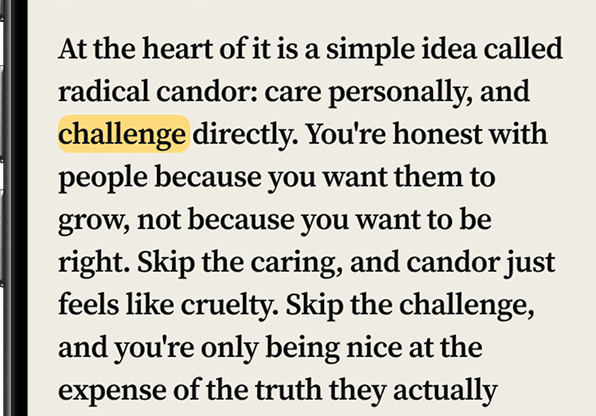
轻松跟读,《奋斗的48条法则》摘要中的每个词都会随音频实时高亮。
You miss 100% of the shots you don't take. This simple truth underscores why courage is non-negotiable for success. Every major achievement in history began with someone willing to take a risk that others avoided. Would Amazon exist if Jeff Bezos hadn't left his stable Wall Street job to sell books online from his garage? Would we have smartphones if Steve Jobs hadn't bet Apple's future on reinventing the mobile phone? Would Tesla exist if Elon Musk hadn't invested his PayPal fortune into an electric car company when everyone said it would fail? The relationship between risk and reward is proportional - no risk, no reward. But this doesn't mean reckless gambling. Instead, it means calculated risk-taking where you've assessed the potential downside against the possible upside. When Richard Branson started Virgin Atlantic with just one leased airplane, he negotiated a deal where he could return the plane if the venture failed. He limited his downside while creating space for tremendous upside. Similarly, when Sara Blakely started Spanx, she kept her day job selling fax machines while developing her prototype, ensuring she maintained financial stability while pursuing her vision. This courage to act must overcome the paralysis of perfectionism. Many people never launch their business, publish their book, or pursue their passion because they're waiting for perfect conditions. But perfect conditions never arrive. The successful person starts with what they have, where they are. They understand that a win is a win, regardless of how small it might seem initially. Early Apple computers weren't perfect, nor was the first Facebook interface or the initial Tesla models. But each represented forward momentum that could be refined over time. Instagram started as a location-based check-in app called Burbn before pivoting to focus solely on photo sharing. Twitter began as a podcast platform named Odeo before finding its true identity. The courage equation also includes trusting your instincts. Your gut feelings are often your subconscious mind processing information faster than your conscious mind can analyze it. When something doesn't feel right about a business deal, partnership, or opportunity, there's usually a reason. Learning to honor these internal signals can save you from disasters that look good on paper but feel wrong intuitively. Howard Schultz trusted his instincts when he envisioned turning Starbucks from a coffee bean retailer into a cafe chain, despite initial resistance from the company's founders. Remember: courage isn't the absence of fear - it's action despite fear. Every successful person feels fear; they simply refuse to let it dictate their decisions. Walt Disney was rejected by 302 bankers before getting financing for Disneyland. J.K. Rowling faced 12 rejections before Harry Potter was published. What distinguished them wasn't fearlessness - it was persistence in the face of fear. The key to building courage is starting small and gradually expanding your comfort zone. Each small act of courage builds confidence for larger challenges. Begin with low-risk situations where failure would be merely uncomfortable rather than catastrophic. As your courage muscle strengthens, you can tackle progressively bigger challenges with greater confidence and capability.
In a world obsessed with imitation, authenticity becomes your greatest competitive edge. BE YOU! This seemingly simple advice carries profound implications. Everyone wants to be the next Mark Zuckerberg or Beyonce, but the world doesn't need replicas-it needs your unique contribution. When Sara Blakely created Spanx, she wasn't trying to be someone else; she was solving a problem she personally experienced. Her authenticity connected with consumers in ways that manufactured brands couldn't match. This authenticity extends to how you present yourself and your work. Be your best seller means recognizing that people buy you before they buy your product or service. Your energy, integrity, and passion are what differentiate you in a crowded marketplace. Think about how Apple doesn't just sell technology-it sells the Steve Jobs vision of elegant design and intuitive functionality. Or how Patagonia doesn't just sell outdoor gear-it sells Yvon Chouinard's environmental ethos. Quality over quantity reinforces this authentic approach. When you focus on creating excellence rather than mass production, you build a reputation that speaks for itself. Consider how artisanal brands command premium prices not because of marketing hype but because of genuine craftsmanship. This commitment to quality creates loyal customers who become evangelists for your work. The authenticity advantage also means doing things right or not at all. Cutting corners might save time or money initially, but it ultimately undermines your credibility. When Volkswagen cheated on emissions tests, the short-term gain led to billions in fines and incalculable damage to their reputation. Conversely, companies like Costco that maintain strict quality standards while treating employees well have built sustainable success through integrity. Your authentic self is your most valuable asset. When you embrace your unique perspective, experiences, and talents, you stop competing and start creating your own category. There is no competition when you're real because no one else can be you. This isn't just feel-good advice-it's strategic positioning in a marketplace that increasingly values authenticity over artifice.
Failure isn't final-it's feedback. This perspective transforms how you experience inevitable setbacks. Howard Schultz was rejected by 217 investors before finding funding for Starbucks. Walt Disney was fired from a newspaper for "lacking imagination." Oprah Winfrey was told she was "unfit for television." What separated these individuals from countless others wasn't talent alone but resilience-the ability to get back up after being knocked down. This resilience requires understanding that pain serves a purpose. No pain, no gain isn't just a fitness slogan; it's a life principle. The difficult experiences that test you are also strengthening you. Consider how the heat and pressure that would destroy paper transform carbon into diamonds. Similarly, the challenges that would break someone with a victim mentality can forge someone with a growth mindset into a stronger, more capable version of themselves. The resilience factor includes embracing the race rather than avoiding challenges. Marathon runners don't improve by avoiding hills; they improve by conquering them. Similarly, you won't grow by remaining in your comfort zone. Each new level brings new devils-new challenges that require adaptation. The most successful people don't just accept this reality; they actively seek challenges that will expand their capabilities. When facing setbacks, remember that your haters are your biggest fans. The criticism and doubt from others often reveal their own insecurities rather than your limitations. When Taylor Swift was told she couldn't sing, when Michael Jordan was cut from his high school basketball team, when Einstein was labeled a slow learner-these weren't accurate assessments but projections from people who couldn't see their potential. Use the doubt of others as fuel rather than allowing it to extinguish your flame. Resilience ultimately comes down to this: don't complain, make more. Complaining about obstacles doesn't remove them; it just wastes energy you could use to overcome them. Instead, channel that energy into creating solutions, finding alternatives, and proving doubters wrong through results rather than arguments.
No one succeeds alone. Your network determines your net worth-not just financially but in opportunities, knowledge, and support. Form a power circle of individuals who complement your strengths and compensate for your weaknesses. Think about how the PayPal Mafia-Elon Musk, Peter Thiel, Reid Hoffman, and others-created a network that went on to transform multiple industries through their combined talents and mutual support. However, building this network requires discernment. Friends are few, and not everyone who smiles at you wishes you well. Trust is earned, not freely given. This doesn't mean becoming paranoid, but it does mean being strategic about who gets close access to your dreams, resources, and vulnerabilities. Warren Buffett's inner circle remains remarkably stable precisely because he's selective about who enters it. Within your relationship matrix, recognize that blood isn't always family. Some of your greatest supporters may have no genetic connection to you, while some relatives may consistently undermine your growth. Create your chosen family of individuals who genuinely want to see you succeed and will tell you the truth even when it's uncomfortable. As you build success, sacrifice for those you love. The hustle can consume you if you're not careful, leading to wealth without relationships to enjoy it with. Countless successful people have expressed regret about missing their children's formative years or losing marriages while building empires. True success includes maintaining the relationships that give life meaning. Energy is everything in these relationships. Pay attention to how you feel around certain people. Do they energize you or drain you? Do they celebrate your wins or subtly diminish them? The right relationships will fuel your journey; the wrong ones will deplete resources better invested elsewhere. Remember that your day ones may change as you evolve. Not everyone who starts the journey with you will finish it with you. Some relationships are seasonal, serving a purpose for a particular phase of growth. Honor what these relationships contributed while recognizing when it's time to move forward with those aligned with your current direction.
轻松跟读,《奋斗的48条法则》摘要中的每个词都会随音频实时高亮。
Success without discipline is like a car without an engine-it looks good but goes nowhere. The discipline trinity-discipline, determination, and dedication-forms the backbone of sustainable achievement. Discipline is doing what needs to be done when it needs to be done, whether you feel like it or not. It's Kobe Bryant practicing at 4 AM while competitors sleep. It's writers who produce pages daily regardless of inspiration. It's entrepreneurs who handle unglamorous tasks because the business requires it. This discipline builds character that distinguishes you in a world of shortcuts. Do it right or not at all isn't perfectionism; it's integrity. It means refusing to cut corners even when no one would know the difference. This character-based approach to work creates trust that no marketing budget can buy. When clients know you'll deliver excellence consistently, price becomes less important than partnership. The discipline trinity requires embracing the mundane aspects of mastery. Perfect your craft through deliberate practice, not just passive experience. Many people have ten years of experience that's really one year repeated ten times. True growth comes from constantly pushing beyond your current capabilities, studying the masters in your field, and implementing what you learn. This is how athletes become champions, how musicians become virtuosos, and how business leaders become visionaries. This disciplined approach includes financial wisdom. Don't go broke trying to impress a foe means prioritizing actual wealth building over the appearance of wealth. Many entrepreneurs drive luxury cars they can't afford while their businesses struggle with cash flow. True discipline means reinvesting in growth rather than funding a lifestyle that impresses people who don't matter to your success. The discipline trinity ultimately creates freedom. As Jocko Willink says, "Discipline equals freedom." When you consistently do what others won't, you eventually earn the right to do what others can't. The temporary discomfort of discipline creates the long-term comfort of options-financial freedom, career mobility, and the satisfaction of knowing you've maximized your potential.
One stream isn't enough in today's volatile economy. The average millionaire has seven income streams-not just for wealth accumulation but for security through diversification. When COVID-19 shut down entire industries overnight, those with multiple income sources could pivot while those dependent on a single stream faced financial catastrophe. Creating these multiple streams isn't about greed but about responsibility to yourself and those who depend on you. This wealth wisdom includes understanding that money isn't everything. Yes, financial resources create options and solve certain problems. But if all you have is money, you're still poor in the dimensions that create lasting fulfillment-relationships, purpose, health, and contribution. The wealthiest people on their deathbeds rarely wish for more money; they wish for more time with loved ones and more impact through meaningful work. Pay the cost for the lifestyle you want recognizes that every achievement requires investment-of time, energy, focus, and often money. Want financial independence? It costs disciplined saving and investing. Want a thriving business? It costs sleepless nights and reinvested profits. Want a healthy body? It costs consistent exercise and nutritious eating. There are no shortcuts to any destination worth reaching. This wealth wisdom also means being responsible for everything you produce. Your work carries your signature, whether it's a product, service, creative output, or the children you raise. Taking full ownership means refusing to blame circumstances, resources, or other people when your production falls short. Instead, you ask: "What could I have done differently? How can I improve next time?" The sustainable approach to wealth includes giving back. At some point, someone helped you-a mentor, teacher, parent, friend, or stranger who believed in you when you didn't believe in yourself. Paying this forward isn't just moral; it's practical. Giving creates networks, goodwill, and purpose that enrich your life beyond financial metrics. The most fulfilled wealthy individuals aren't those who accumulate the most but those who use their resources to create the most positive impact.
Never stop learning might be the most important law of all. In a world where industries transform overnight and skills become obsolete within years, continuous learning isn't optional - it's survival. What got you here won't get you there because success at each new level requires new knowledge, skills, and perspectives. Today's expertise becomes tomorrow's baseline, and those who rest on past accomplishments quickly find themselves falling behind. This continuous growth includes learning from the streets - not just formal education but practical wisdom from those who've navigated real-world challenges. Some of the most successful entrepreneurs never finished college but became students of human psychology, market dynamics, and operational excellence through observation and application. Consider Steve Jobs studying calligraphy, which later influenced Apple's revolutionary design aesthetic, or Richard Branson learning business principles by starting a student magazine. They recognize that while degrees open certain doors, results open all doors. The growth mindset means being willing to learn from anyone, regardless of their credentials or status. The janitor might understand organizational dynamics better than the CEO because they observe daily interactions across all levels. The new intern might have insights about emerging technologies that the veteran manager lacks, having grown up immersed in digital culture. Front-line employees often possess deep customer insights that executives never encounter. When you approach every interaction as an opportunity to learn something valuable, you accelerate your growth exponentially. This approach includes learning from failure - yours and others'. Study why businesses in your industry failed: Blockbuster's resistance to streaming, Kodak's reluctance to embrace digital photography, or Nokia's slow adaptation to smartphones. Analyze your own mistakes with curiosity rather than shame. Edison famously said he didn't fail 10,000 times in creating the light bulb; he discovered 10,000 ways that didn't work. Each attempt provided data that informed the eventual solution. The continuous growth mindset also means following the light - pursuing knowledge that illuminates your path even when that path leads through unfamiliar territory. This might mean learning coding when you're in marketing to better understand digital automation, studying psychology when you're in finance to grasp investor behavior, or exploring philosophy when you're in technology to consider ethical implications of AI development. The most innovative solutions often come from connecting disciplines that others treat as separate. Consider how Netflix combined data analytics with entertainment, or how Tesla merged automotive engineering with software development. Remember: in a world changing at unprecedented speed, the most valuable skill isn't what you know but how quickly you can learn and adapt. Learning agility - the ability to rapidly acquire new skills and knowledge - has become more crucial than traditional expertise. The person who stops learning stops growing, and in business as in nature, growth is the only evidence of life. Successful leaders like Bill Gates and Warren Buffett dedicate significant time to reading and learning across diverse fields, understanding that intellectual curiosity drives innovation and sustainable success.
True success isn't just external achievements but internal alignment. Win from within means letting your values guide your decisions rather than being swayed by temporary opportunities that compromise your principles. When faced with ethical dilemmas, ask: "Would I be proud to have my children know I made this choice?" This internal compass keeps you from victories that ultimately feel like defeats because they cost your self-respect. This moral approach includes being honest in all dealings. Cheating others ultimately cheats yourself of the satisfaction that comes from genuine achievement. A reputation for integrity takes years to build but can be destroyed in minutes through a single dishonest act. As Warren Buffett observed, "It takes 20 years to build a reputation and five minutes to ruin it. If you think about that, you'll do things differently." Winning from within means giving before you take. The world gives to the givers because generosity creates relationships, opportunities, and goodwill that transactional approaches cannot. When you focus on creating value for others rather than extracting value from them, you build sustainable success rather than temporary advantage. This internal victory includes removing "lie-abilities"-people whose dishonesty creates risk in your life and business. Once you identify patterns of deception, maintain distance regardless of other benefits the relationship might offer. The short-term gain from such associations inevitably leads to long-term pain. The moral compass of success also means knowing the code-the unwritten rules of ethical conduct in your industry and relationships. These principles aren't restrictive limitations but guardrails that keep you on the path to sustainable success. They protect you from the temptation of shortcuts that ultimately lead to dead ends. Remember: external success without internal integrity creates achievements you can't fully enjoy and a legacy you wouldn't want to leave. When you win from within, the journey becomes as rewarding as the destination, and the success you achieve becomes a platform for positive impact rather than just personal gain.
“坚持使用 23 天了,我每天都会打开它。它现在已经成为我的日常习惯。”
jayallen


Financial Independence & 48 Laws of Power
This plan bridges the gap between wealth accumulation and the strategic influence required to protect and grow it. It is ideal for ambitious professionals and entrepreneurs who want to master both the mechanics of money and the psychology of power.

The Hidden Laws of Human Behavior
This plan is essential for anyone seeking to bridge the gap between subconscious impulses and intentional action. It is ideal for leaders, educators, and individuals looking to master self-regulation and influence through a scientific lens.

The 12 Laws of Reality
This course is essential for individuals seeking to understand the hidden mechanics governing success, mindset, and universal balance. It is ideal for spiritual seekers and professionals who want to align their daily actions with natural laws for more effortless manifestation.

The Side Hustler’s Focus Rhythm
This learning plan is essential for professionals balancing a full-time career with personal projects who feel perpetually drained. It provides a strategic framework to reclaim mental energy and apply it effectively when it matters most.
Modern Work Politics: Machiavelli & 48 Laws
In high-stakes corporate environments, technical skill alone rarely guarantees advancement. This plan is designed for ambitious professionals who need to master the unspoken rules of influence and power dynamics to secure their seat at the table.

The Hidden Logic of Daily Life
This plan is designed for professionals and leaders who want to master the unseen forces influencing behavior and teamwork. By bridging the gap between individual habits and group systems, it provides the tools necessary to optimize personal performance and collective output.

Launch Your Side Hustle
This plan is designed for aspiring entrepreneurs who want to transition from idea to income without quitting their day jobs. It provides a practical framework for validating concepts and securing sales through resource-efficient strategies.

Mastering the Laws of Human Nature
This learning plan is essential for professionals who want to move beyond surface-level interactions and understand the psychological drivers of behavior. It is particularly valuable for aspiring leaders and women navigating complex corporate environments who need to master both self-regulation and social influence.