Zygmunt Bauman: Prophet of Liquid Modernity
Explore how Polish sociologist Zygmunt Bauman's extraordinary life shaped his revolutionary concept of 'liquid modernity' and why his insights on our fluid social structures, identities, and moral challenges remain profoundly relevant today.

Zygmunt Bauman: Prophet of Liquid Modernityのベスト引用
See the world through the eyes of society's weakest members, and then tell anyone honestly that our societies are good, civilized, advanced, free.

このオーディオレッスンはBeFreedコミュニティメンバーが作成しました
Bauman

もっと発見

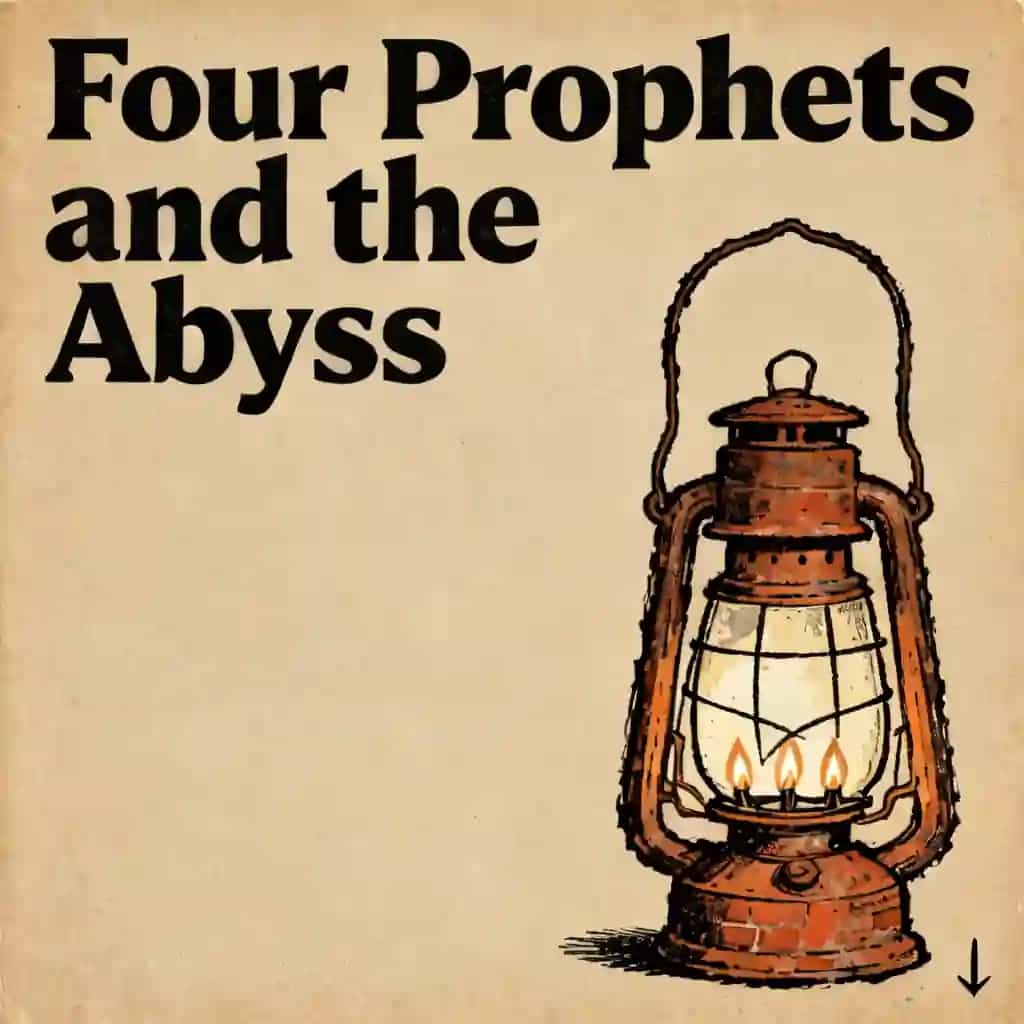
The Sociology of Trends and Subcultures
Understanding how fringe movements transform into mainstream phenomena is essential for marketers, sociologists, and cultural strategists. This plan provides a deep dive into the evolution of social identity and the mechanics of modern cultural influence.

Ordinary Lives in Extraordinary Times
This plan provides a unique look at history through the eyes of the working class rather than political elites. It is ideal for students of sociology, urban planning, or history who want to understand how ordinary people shaped the modern world.

Philosophy for Modern Chaos
In an era of digital overload and misinformation, traditional wisdom offers a vital survival kit. This plan is designed for professionals and students seeking to maintain mental sovereignty and ethical consistency amidst modern societal pressures.

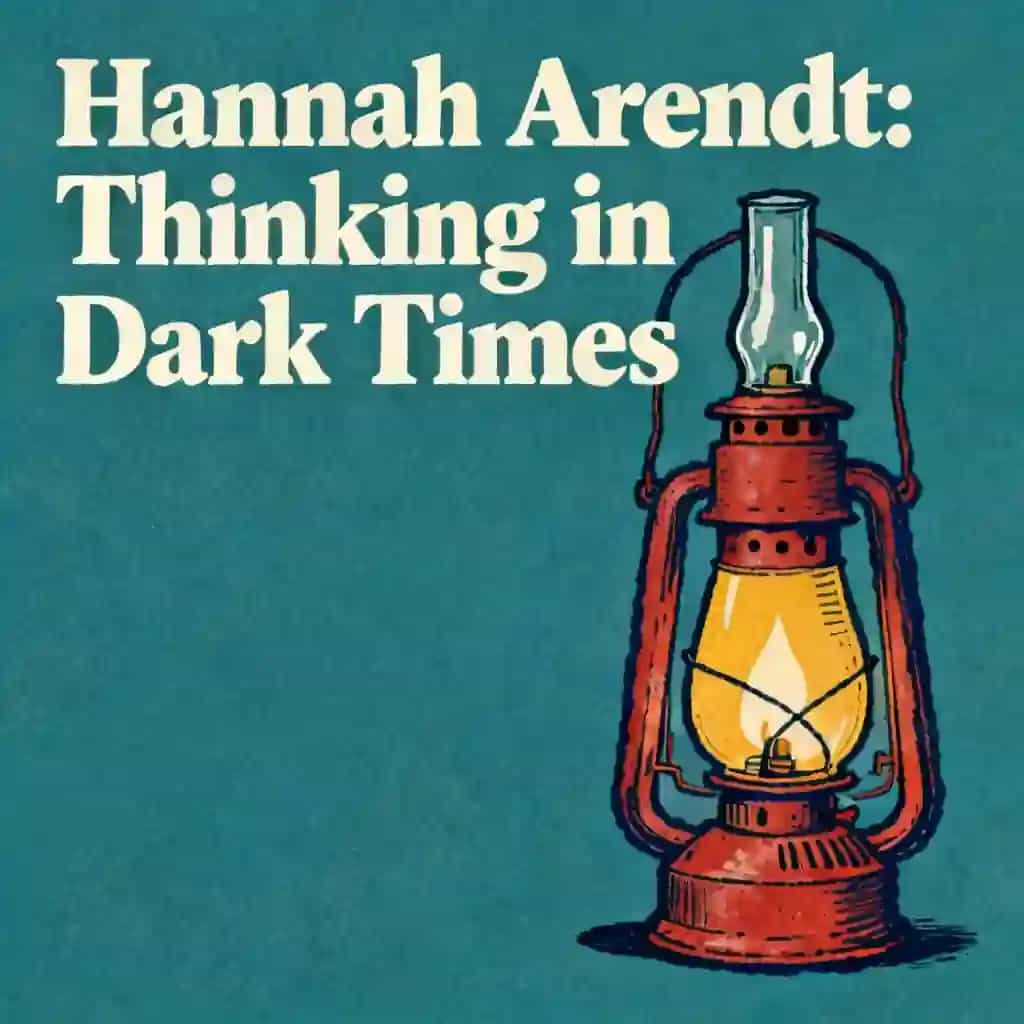
Existentialism
This plan provides a roadmap for navigating the complexities of modern existence by engaging with the world's most influential thinkers. It is ideal for anyone seeking to build a resilient personal philosophy and find clarity in their own freedom and ethical choices.

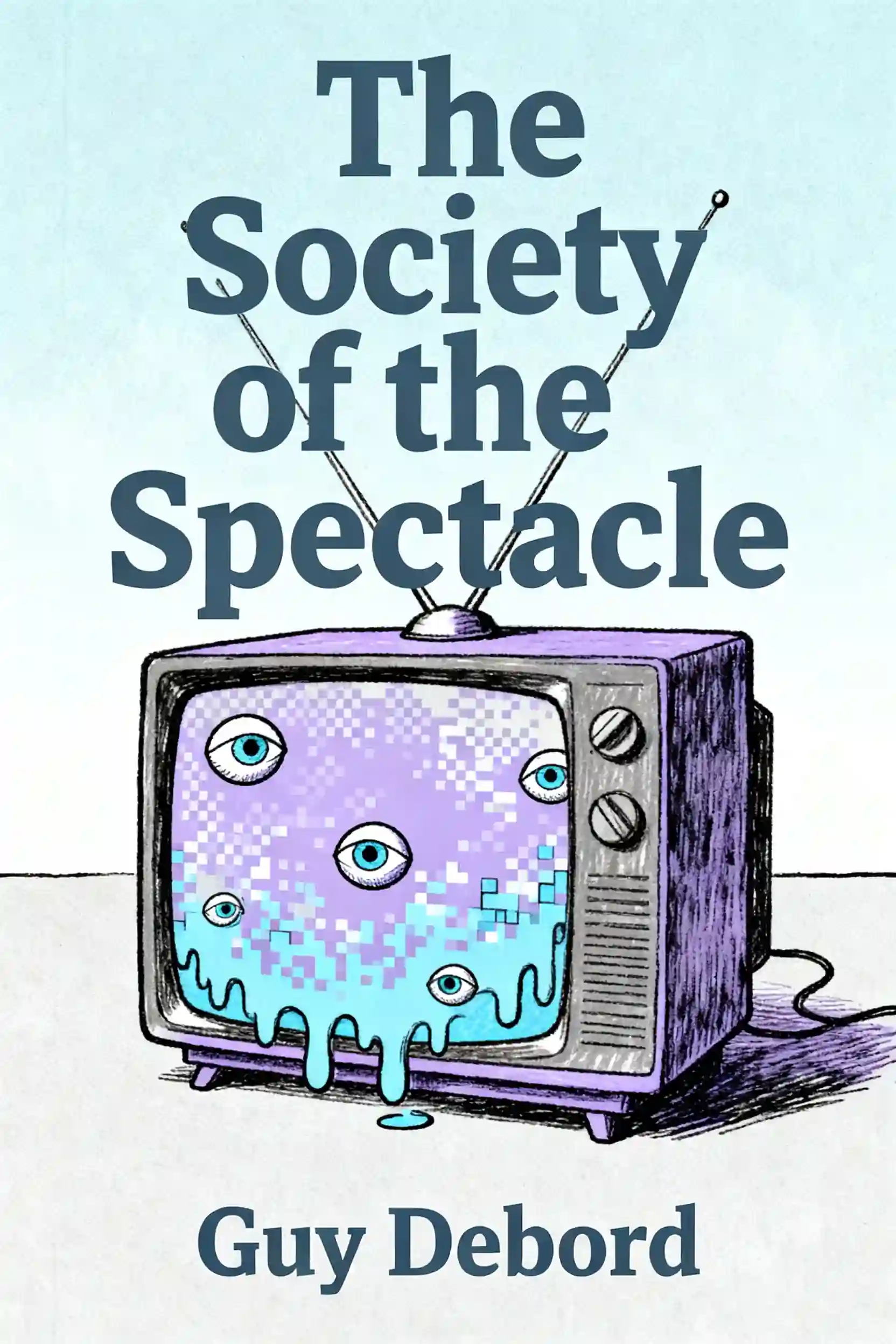
Digital Sociology: The Algorithmic Self
As digital platforms increasingly dictate our social and psychological reality, understanding the hidden forces of algorithms is essential for modern literacy. This plan is ideal for sociologists, digital strategists, and anyone seeking to reclaim agency from the architectures of online influence.

The Psychology of National Myths
In an era of deep polarization, understanding the cognitive roots of national identity is essential for navigating modern propaganda. This plan is designed for sociologists, political strategists, and curious minds seeking to decode how ideologies hijack the human brain.

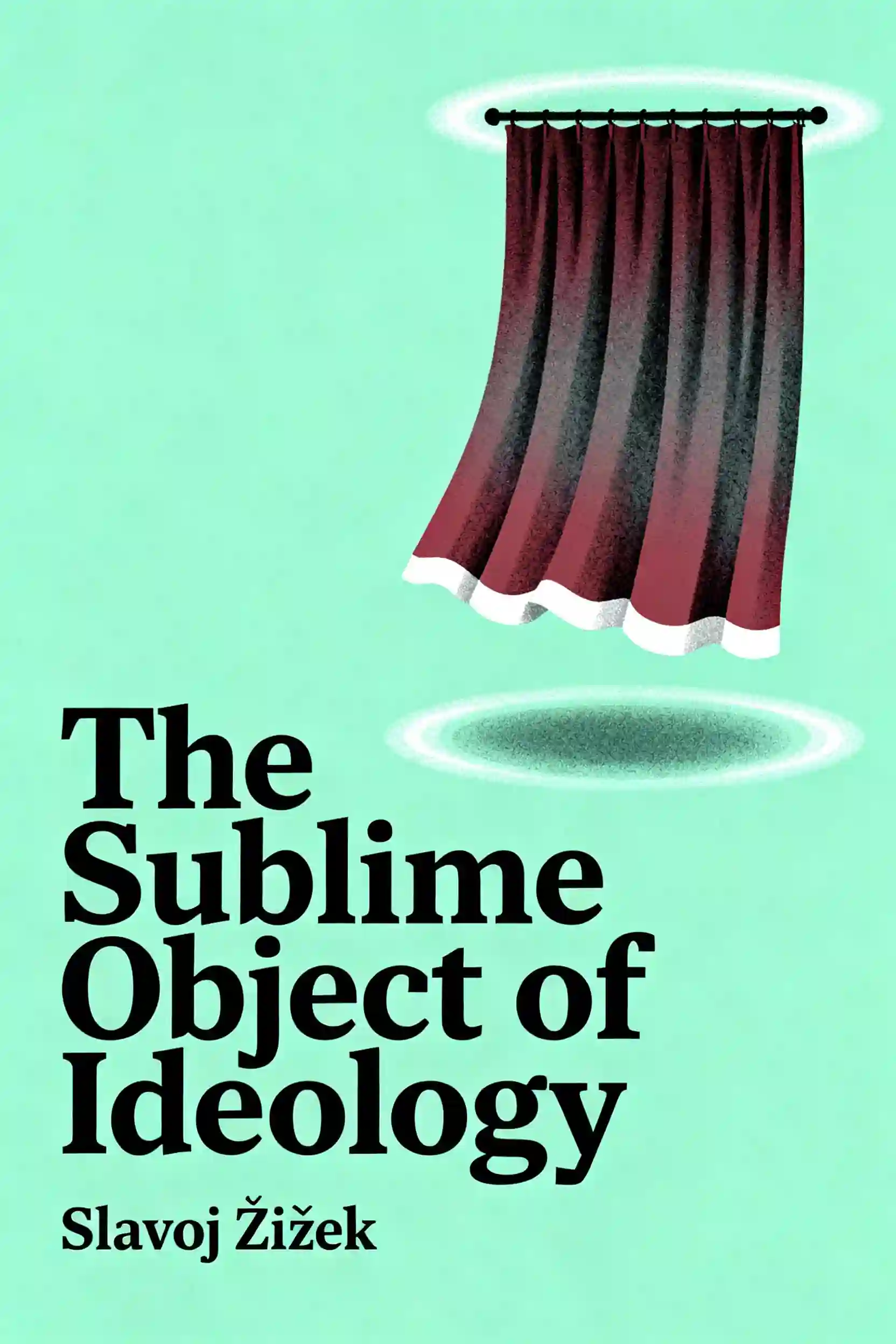
Marx, Class, and the Power Struggle
This plan is essential for anyone seeking to understand the hidden structures of economic and social power that shape our world. It is ideal for students of sociology, political activists, or curious minds wanting to grasp the complexities of modern inequality and systemic change.

The Social Life of Sound
This learning plan is essential for understanding how sound shapes human connection and collective identity in a shifting cultural landscape. It is ideal for sociologists, music historians, and cultural critics looking to decode the transition from rigid subcultures to modern consumer-based tribes.
"Instead of endless scrolling, I just hit play on BeFreed. It saves me so much time."


"I never knew where to start with nonfiction—BeFreed’s book lists turned into podcasts gave me a clear path."


"Perfect balance between learning and entertainment. Finished ‘Thinking, Fast and Slow’ on my commute this week."
"Crazy how much I learned while walking the dog. BeFreed = small habits → big gains."
"Reading used to feel like a chore. Now it’s just part of my lifestyle."

"Feels effortless compared to reading. I’ve finished 6 books this month already."
"BeFreed turned my guilty doomscrolling into something that feels productive and inspiring."

"BeFreed turned my commute into learning time. 20-min podcasts are perfect for finishing books I never had time for."
"BeFreed replaced my podcast queue. Imagine Spotify for books — that’s it. 🙌"

"It is great for me to learn something from the book without reading it."
"The themed book list podcasts help me connect ideas across authors—like a guided audio journey."
"Makes me feel smarter every time before going to work"
"Instead of endless scrolling, I just hit play on BeFreed. It saves me so much time."
"I never knew where to start with nonfiction—BeFreed’s book lists turned into podcasts gave me a clear path."
"Perfect balance between learning and entertainment. Finished ‘Thinking, Fast and Slow’ on my commute this week."
"Crazy how much I learned while walking the dog. BeFreed = small habits → big gains."
"Reading used to feel like a chore. Now it’s just part of my lifestyle."
"Feels effortless compared to reading. I’ve finished 6 books this month already."
"BeFreed turned my guilty doomscrolling into something that feels productive and inspiring."
"BeFreed turned my commute into learning time. 20-min podcasts are perfect for finishing books I never had time for."
"BeFreed replaced my podcast queue. Imagine Spotify for books — that’s it. 🙌"
"It is great for me to learn something from the book without reading it."
"The themed book list podcasts help me connect ideas across authors—like a guided audio journey."
"Makes me feel smarter every time before going to work"
"Instead of endless scrolling, I just hit play on BeFreed. It saves me so much time."
"I never knew where to start with nonfiction—BeFreed’s book lists turned into podcasts gave me a clear path."
"Perfect balance between learning and entertainment. Finished ‘Thinking, Fast and Slow’ on my commute this week."
"Crazy how much I learned while walking the dog. BeFreed = small habits → big gains."
"Reading used to feel like a chore. Now it’s just part of my lifestyle."
"Feels effortless compared to reading. I’ve finished 6 books this month already."
"BeFreed turned my guilty doomscrolling into something that feels productive and inspiring."
"BeFreed turned my commute into learning time. 20-min podcasts are perfect for finishing books I never had time for."
"BeFreed replaced my podcast queue. Imagine Spotify for books — that’s it. 🙌"
"It is great for me to learn something from the book without reading it."
"The themed book list podcasts help me connect ideas across authors—like a guided audio journey."
"Makes me feel smarter every time before going to work"
"Instead of endless scrolling, I just hit play on BeFreed. It saves me so much time."
"I never knew where to start with nonfiction—BeFreed’s book lists turned into podcasts gave me a clear path."
"Perfect balance between learning and entertainment. Finished ‘Thinking, Fast and Slow’ on my commute this week."
"Crazy how much I learned while walking the dog. BeFreed = small habits → big gains."
"Reading used to feel like a chore. Now it’s just part of my lifestyle."
"Feels effortless compared to reading. I’ve finished 6 books this month already."
"BeFreed turned my guilty doomscrolling into something that feels productive and inspiring."
"BeFreed turned my commute into learning time. 20-min podcasts are perfect for finishing books I never had time for."
"BeFreed replaced my podcast queue. Imagine Spotify for books — that’s it. 🙌"
"It is great for me to learn something from the book without reading it."
"The themed book list podcasts help me connect ideas across authors—like a guided audio journey."
"Makes me feel smarter every time before going to work"