BeFreed
    Categories>Your First 1,000 in Business: Proven Strategies

    Your First 1,000 in Business: Proven Strategies

    29分
    |
    |
    2026年4月1日

    Lena and Eli break down actionable methods to generate your first 1,000 in business income, from freelancing and digital products to dropshipping and affiliate marketing, with real examples and step-by-step guidance.

    Your First 1,000 in Business: Proven Strategies
    0:00 / 0:00
    聴き方を選ぶ

    1つのエピソード。いろいろな聴き方。

    Your First 1,000 in Business: Proven Strategiesの同じアイデアを、あなたに合う声・深さ・ペースで。いつでも切り替えられます。

    文字起こしとチャプター

    チャプター 1

    Welcome and Setting the Stage

    Lena: Hey everyone, welcome back to your personalized podcast from BeFreed! I'm Lena, and I'm absolutely thrilled to dive into today's topic with my co-host Eli-we're going to explore something that could genuinely change your financial trajectory.

    Eli: That's right, Lena! I'm Eli, and wow, are we excited about this one. We're talking about generating your first 1,000 euros in business, and honestly, after diving deep into all this research, I'm buzzing with energy. This isn't just theory-we're looking at real, actionable strategies that ordinary people are using right now to build their first streams of business income.

    Lena: Exactly! And what I love is that we're not talking about get-rich-quick schemes or anything that sounds too good to be true. We're exploring proven methodologies that require work, yes, but are absolutely achievable for someone starting from zero. Eli, I have to ask-what's got you most excited about what we discovered?

    Eli: Oh man, where do I even start? It's the diversity of approaches, Lena! Whether someone has skills, time, or a little bit of capital, there's a path forward. And the math actually works-it's not wishful thinking.

    チャプター 2

    Understanding the Landscape of First Business Income

    Lena: So let's break this down for everyone listening. When we talk about generating that first 1,000 euros in business, we're really talking about proving a concept, aren't we? It's that magical moment where you realize, "Hey, I can actually make money outside of a traditional job."

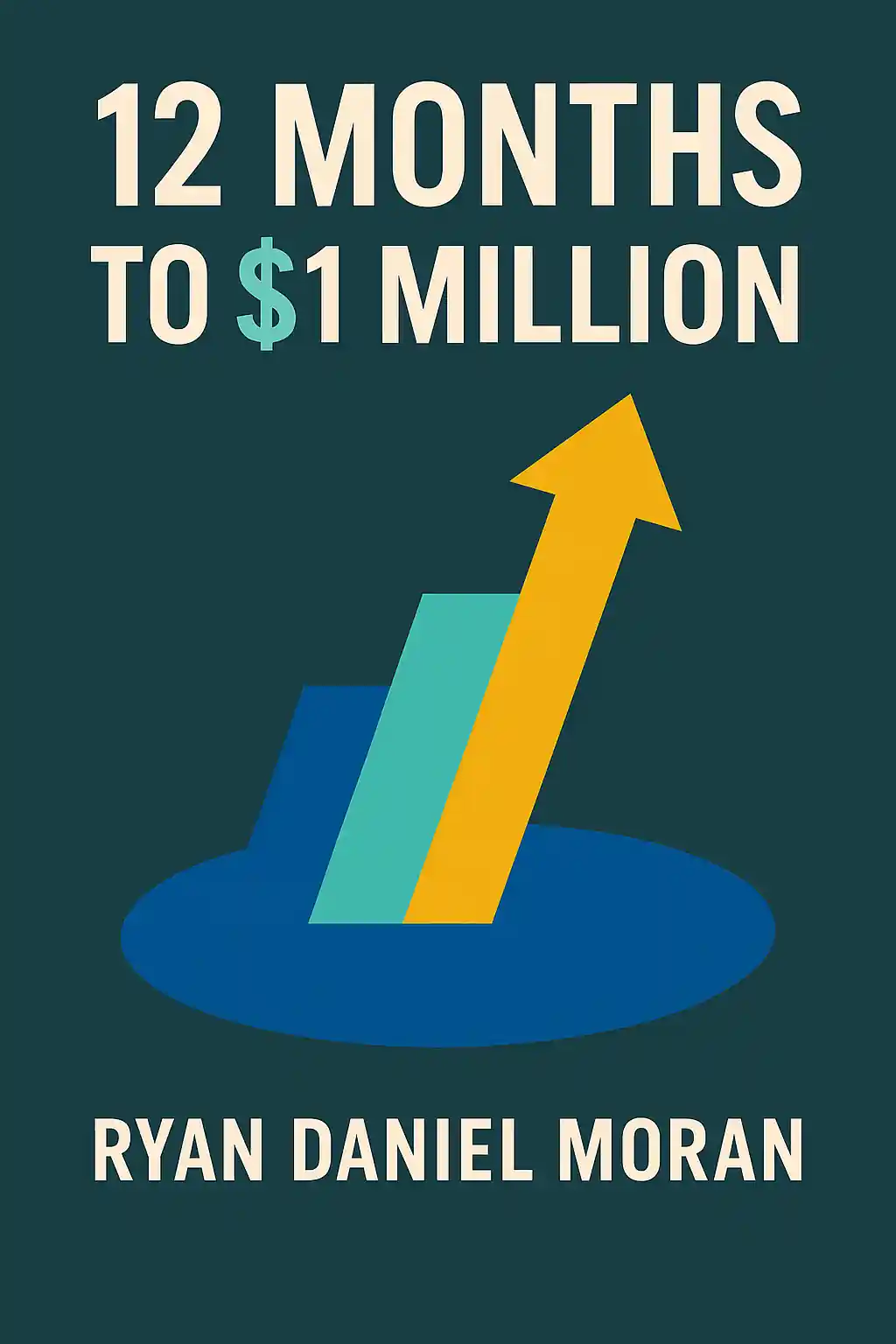
    Eli: Absolutely! And you know what's fascinating? Ryan Daniel Moran puts it perfectly in "12 Months to $1 Million"-he talks about how that first milestone isn't just about the money. It's about the transformation that happens inside you. You become someone who can generate income through value creation rather than just trading time for money.

    Lena: Right, and I love how he breaks down the psychology of it. He mentions that certain life experiences-like coming home to an empty house, dealing with rejection-they create this mindset of "I need to take care of myself." That's actually the entrepreneurial spark, isn't it?

    Eli: Exactly! It's that realization that no one else is going to build your financial future for you. And here's what's beautiful about the current landscape-the barriers to entry have never been lower. Ifeoluwa Adegoke really drives this home in his practical guide. He shows how you can literally start with whatever you have right now.

    Lena: That's what I find so compelling. Whether you have skills but no audience, time but no money, or a little capital but limited experience, there's a strategy that fits. Eli, walk us through what Adegoke identifies as the three main paths.

    Eli: So he breaks it down beautifully. First, you can earn through platforms-think content monetization, affiliate marketing, ad revenue. Second, you can sell a product, whether that's physical or digital. And third, you can sell a service-freelancing, consulting, virtual assistance. The key is matching your strategy to what you actually have available right now.

    Lena: And that's so practical! I think people often get paralyzed thinking they need to have everything figured out before they start. But really, it's about taking inventory of your current resources and choosing the path that makes the most sense.

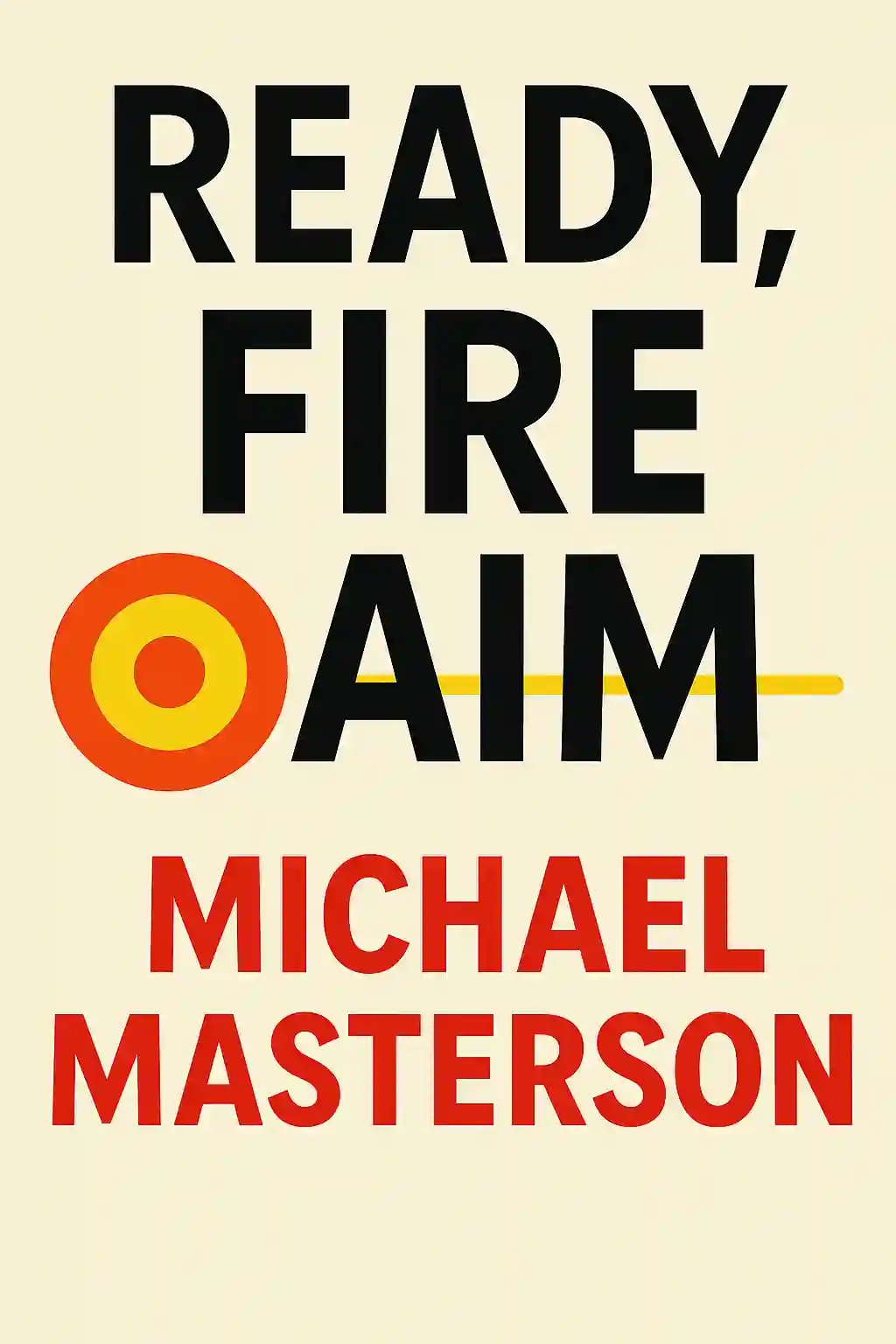
    Eli: Exactly! And you know what Michael Masterson teaches us in "Ready, Fire, Aim"? He flips conventional wisdom on its head. Instead of "Ready, Aim, Fire," it's "Ready, Fire, Aim." Get something out there quickly, see how the market responds, then adjust. This is especially crucial for that first 1,000 euros.

    Lena: That's such a mindset shift! So many people spend months planning and perfecting when they could be earning and learning. Speaking of learning from the market, what did you find most interesting about the Weglot story?

    Eli: Oh, the Weglot journey is incredible! Here are two guys who went from 0 to 7,000 monthly, and their approach was so refreshingly simple. They built something they thought would work, put it out there, and then let user feedback guide their development. They went from 291 in their first month to 7,000-but the real magic happened when they started listening to their users.

    Lena: And they weren't trying to solve every problem at once, were they? They focused on one specific pain point for WordPress users and solved it really well.

    Eli: Exactly! They learned that trying to be everything to everyone is a recipe for mediocrity. Focus on one problem, solve it exceptionally well, and the market will tell you what to build next.

    このエピソードで学びを深める

    このエピソードのアイデアを、BeFreedのガイド付き学習体験でさらに深めましょう。

    チャプター 3

    The Mathematics of Your First 1,000 Euros

    Lena: Let's talk numbers, because I think this is where it gets really exciting. When you break down 1,000 euros into achievable chunks, it suddenly feels much more manageable. Eli, what are some of the mathematical approaches that caught your attention?

    Eli: Oh, this is where it gets fun! So Adegoke shows us several ways to slice this. For freelancing, you need just five clients paying 200 euros each. That's it! Or if you're selling a digital product at 25 euros, you need 40 sales. The beauty is in the simplicity of the math.

    Lena: Right! And what I love is how Moran approaches it in "12 Months to $1 Million." He shows that if you can sell 25-30 units daily of a product at around 30 euros, you're looking at serious money. But for our listeners just starting out, we can scale that way down and still hit meaningful milestones.

    Eli: Absolutely! And here's what's really interesting-the dropshipping model shows us another angle. You list a product for 50 euros, buy it from your supplier for 25 euros, and keep the 25 euro difference. You need just 40 transactions to hit your 1,000 euro goal. The math is straightforward.

    Lena: That's the beauty of understanding unit economics, isn't it? Once you know your numbers, you can reverse-engineer your way to any income goal. But Eli, what about for people who want to build something more passive?

    Eli: Great question! Mike Omar's approach in his online income guide is fascinating. He talks about building digital assets-websites that generate income while you sleep. His formula for calculating potential Adsense earnings is brilliant: Monthly Searches times Cost Per Click times 0.42 times 0.68 times 0.04. It sounds complex, but it's just math.

    Lena: And what those numbers represent is really the economics of attention, right? If you can capture people's attention with valuable content, you can monetize that attention through advertising or affiliate marketing.

    Eli: Exactly! And here's what I find encouraging-Omar suggests building 10 separate websites, each targeting 500 euros monthly. That might sound ambitious, but when you break it down to individual blog posts earning 50 euros each through traffic and advertising, it becomes much more achievable.

    Lena: It's all about systems and consistency. Speaking of which, what did you think about the "Ready, Fire, Aim" approach to product development? How does that apply to our 1,000 euro goal?

    Eli: It's revolutionary, Lena! Masterson shows that businesses go through distinct stages, and in Stage One-which is exactly where someone targeting their first 1,000 euros would be-selling should consume 80% of your time and resources. Not perfecting, not planning endlessly, but selling.

    Lena: That's such a crucial insight! I think so many people get stuck in preparation mode when they should be in validation mode. Get something good enough to market, test it, and improve based on real customer feedback.

    チャプター 4

    Practical Strategies That Actually Work

    Lena: Let's get really practical now. For someone listening who wants to start working toward their first 1,000 euros, what are the most immediately actionable strategies we discovered?

    Eli: Okay, so let's start with the fastest path-freelancing a skill you already have. Adegoke breaks this down beautifully. If you can write, design, manage social media, or even do data entry, you can start earning immediately. The key is positioning yourself in a niche rather than being generic.

    Lena: Right! Instead of saying "I'm a copywriter," you say "I write email sequences for health and wellness brands." That specificity makes you instantly more valuable and easier to find.

    Eli: Exactly! And here's the beautiful part-you can start with small projects, maybe 50-200 euros each, just to build testimonials and confidence. Once you have a few wins under your belt, you can raise your prices and be more selective about clients.

    Lena: What about digital products? That seems like something that could scale really well once you create it.

    Eli: Oh, absolutely! And the barrier to entry is so low now. If you have any skill that others want to learn, you can package it. Adegoke gives a great example-someone created "30 Instagram Templates for Coaches" and sold it for 25 euros. With just 40 sales, they hit 1,000 euros in three weeks!

    Lena: That's incredible! And once it's created, it can sell indefinitely without additional work. What about the workshop approach? I found that really interesting.

    Eli: Yes! This is perfect for people who can teach or coach anything-career advice, budgeting, productivity, even language skills. You create a simple offer like "60-Minute Budget Planning Session" for 100 euros. Sell 10 sessions, and you've got your 1,000 euros. You don't need a huge audience, just a handful of people who see the value.

    Lena: And the beauty is you're delivering immediate value while generating income. It's not like you're asking people to buy something sight unseen. They know exactly what they're getting.

    Eli: Right! Now, let's talk about affiliate marketing, because this is where you can leverage other people's products. You don't have to create anything-you just need to genuinely recommend products you use and believe in.

    Lena: This is where authenticity becomes so important, isn't it? People can sense when you're just trying to make a commission versus when you're genuinely helping them solve a problem.

    Eli: Absolutely! And the math can work really well. If you promote a 200 euro course that pays 40% commission, you earn 80 euros per sale. You need just 13 sales to hit your 1,000 euro goal. The key is focusing on niche audiences and specific benefits rather than generic product pushes.

    Lena: What about the physical product approach? The dropshipping model seems really accessible for beginners.

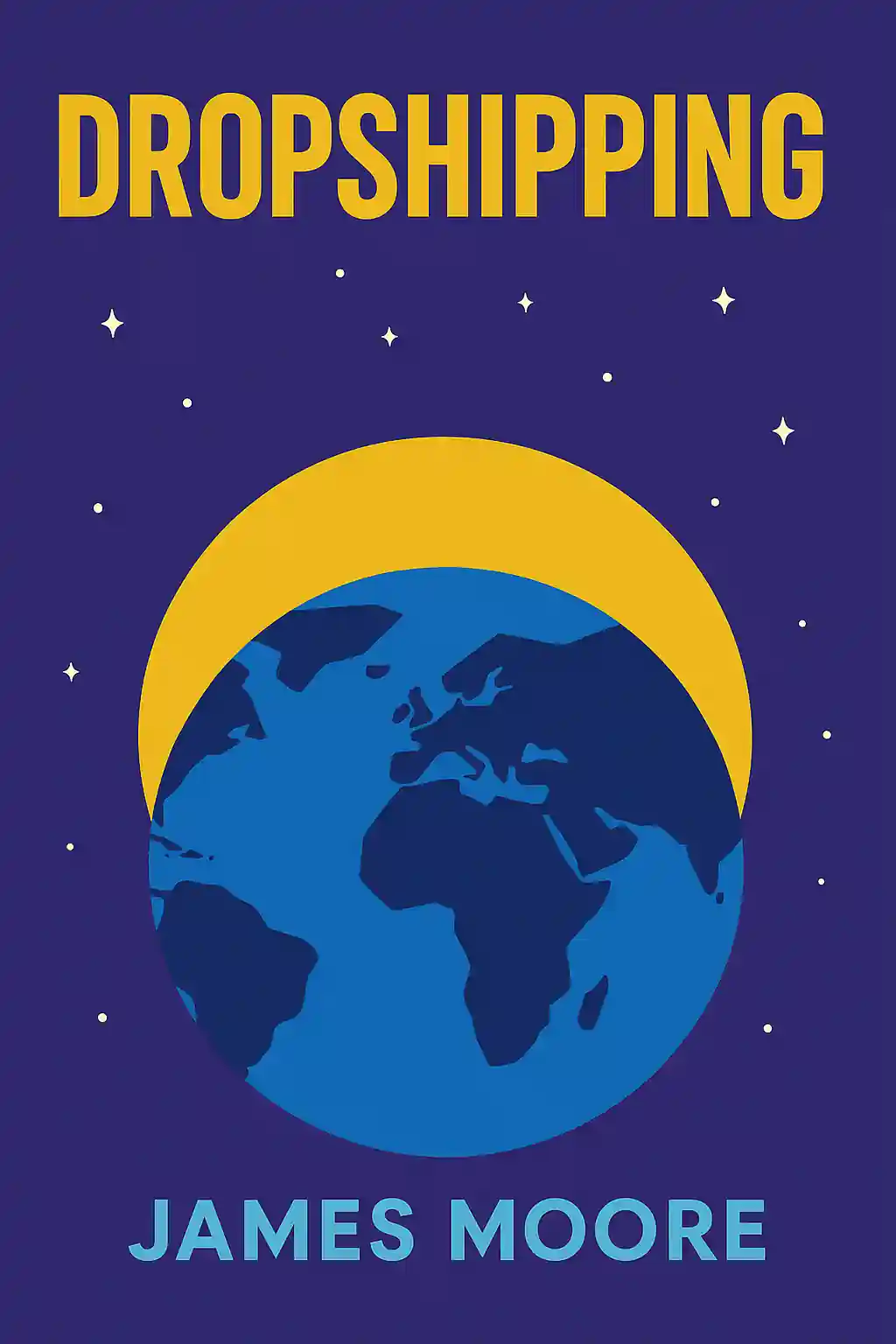
    Eli: It really is! The dropshipping guide we looked at breaks down the entire process. You find products that solve clear problems, set up a simple online store, and when someone orders, you purchase from your supplier who ships directly to the customer. Your profit is the difference between what you charge and what you pay the supplier.

    Lena: And the beautiful thing is you never have to handle inventory or shipping. You're essentially running a virtual storefront. But I imagine product selection is crucial, right?

    Eli: Absolutely! You want products that solve real problems, appeal to passionate niche audiences, have a "wow factor," and sell for at least 2-3 times your cost. Kitchen gadgets, eco-friendly products, tech accessories-these often work well because they're hard to find in local stores but people are actively searching for them online.

    このエピソードで学びを深める

    このエピソードのアイデアを、BeFreedのガイド付き学習体験でさらに深めましょう。

    チャプター 5

    The Psychology of Getting Started

    Lena: You know what I think holds a lot of people back from taking that first step? It's not the practical stuff we've been discussing-it's the mental game. Eli, what insights did you find about the psychology of starting a business?

    Eli: Oh, this is huge, Lena! Moran talks about this in "12 Months to $1 Million"-he mentions how after hitting his goal, he actually fell into depression. He was wondering "What now?" because he hadn't prepared mentally for success.

    Lena: That's fascinating and kind of counterintuitive. You'd think achieving your goal would be pure celebration.

    Eli: Right? But it highlights something crucial-the real value isn't just the money, it's who you become in the process. When you develop into someone who's responsible, confident, and focused on serving others, that's when you become truly unstoppable.

    Lena: And I think that connects to what Masterson discusses about the entrepreneurial mindset. He talks about how certain life experiences create this attitude of "I need to take care of myself." It's not about being selfish-it's about taking ownership of your future.

    Eli: Exactly! And here's what I found encouraging-you don't need to have some dramatic backstory to develop this mindset. You just need to decide that you're going to take responsibility for creating additional income streams.

    Lena: What about the fear of failure? I imagine that stops a lot of people before they even start.

    Eli: This is where the "Ready, Fire, Aim" philosophy is so liberating! Masterson talks about "accelerated failure"-the idea that failing quickly is actually part of the process. Every failure teaches you something and gets you closer to what works.

    Lena: So instead of trying to avoid failure, you're trying to fail fast and learn fast. That completely reframes the experience, doesn't it?

    Eli: Absolutely! And when your goal is just 1,000 euros, the financial risk is relatively low. You're not betting your life savings on some grand vision. You're running small experiments to see what resonates with the market.

    Lena: Speaking of experiments, what did you think about the Weglot approach to product development? They seemed to embrace that experimental mindset really well.

    Eli: Oh, they were brilliant! They started with a JavaScript solution, got feedback that it wasn't ideal, and completely pivoted to a WordPress plugin. Instead of being stubborn about their original idea, they listened to what users actually needed.

    Lena: And that willingness to pivot based on market feedback is so crucial. Your first idea might not be your best idea, and that's perfectly okay.

    Eli: Right! They also spent tons of time in direct conversation with their early users-staying up late to help with CSS issues, answering every support request personally. That kind of customer intimacy in the early stages is invaluable.

    Lena: It builds such a strong foundation for growth. When people feel heard and supported, they become advocates for your business.

    チャプター 6

    Building Momentum and Systems

    Lena: Once someone starts generating their first income, what's the key to building momentum? I imagine there's a big difference between making your first 100 euros and scaling to 1,000.

    Eli: Great question! And this is where the compound effect really kicks in. Moran talks about this beautifully-your first sale is magical because it proves the concept. But then you need to systematically build on that success.

    Lena: Right, and I think documentation becomes really important here. The Weglot team did this well-they shared their journey, posted about their challenges and wins. That transparency actually became part of their marketing strategy.

    Eli: Exactly! And when you're transparent about your process, people want to support you. They're invested in your success because they've been part of the journey. It's like having a built-in cheerleading squad.

    Lena: What about the systems side? How do you prevent things from becoming chaotic as you start to scale?

    Eli: This is where Masterson's stage-based approach is so helpful. In Stage One, it's all about making that first profitable sale. But as you move toward Stage Two, you need to start thinking about systems and processes. Even simple things like automated email responses or basic customer service templates can make a huge difference.

    Lena: And I imagine tracking becomes crucial too. You need to know what's working and what isn't, right?

    Eli: Absolutely! Omar emphasizes this in his online income guide-he talks about calculating potential earnings from different traffic sources, tracking conversion rates, understanding your numbers inside and out. You can't optimize what you don't measure.

    Lena: That's such a good point. And when you understand your metrics, you can make informed decisions about where to invest your time and energy.

    Eli: Right! Like, if you know that email marketing converts at 5% while social media converts at 1%, you know where to focus your efforts. It takes the guesswork out of growth.

    Lena: What about reinvestment? Once someone hits their first 1,000 euros, what should they do with that money?

    Eli: Adegoke has some great insights on this. He suggests reinvesting in automation, education, paid advertising, and better tools. The goal is to make your next 1,000 euros come faster and easier than the first.

    Lena: That makes so much sense. You're essentially buying back your time and increasing your efficiency with each reinvestment cycle.

    Eli: Exactly! And this is where the dropshipping model shows its strength too. Once you have a profitable product, you can reinvest profits into inventory for faster shipping, better marketing, or expanding your product line.

    Lena: Speaking of product lines, what did you think about Moran's approach to the second product? He talks about how it can create a multiplier effect.

    Eli: Oh, this is fascinating! He shows how when Sheer Strength launched their second product, it not only sold well on its own but actually doubled the sales of their first product. There's this synergistic effect where each product makes the others more valuable.

    Lena: And the key insight there is staying with the same customer base, right? Instead of trying to reach completely new people, you're serving your existing customers more deeply.

    Eli: Exactly! He asks this great question: "What's the next thing my first customer would want?" That focus keeps you from getting distracted by shiny new opportunities that might not serve your core audience.

    このエピソードで学びを深める

    このエピソードのアイデアを、BeFreedのガイド付き学習体験でさらに深めましょう。

    チャプター 7

    Overcoming Common Obstacles

    Lena: Let's be realistic for a moment. Everyone listening is probably thinking about the obstacles they might face. What are the most common challenges people encounter when trying to generate their first business income?

    Eli: Oh, there are definitely some predictable stumbling blocks! One of the biggest is what I call "perfectionist paralysis." People spend months trying to perfect their website, their product, their messaging, when they should be testing and iterating with real customers.

    Lena: Right! And that connects back to the "Ready, Fire, Aim" philosophy. You're better off launching something 80% ready and improving it based on feedback than waiting until you think it's perfect.

    Eli: Exactly! And here's the thing-perfect is subjective anyway. What you think is perfect might not be what your customers actually want. The market is the ultimate judge of value.

    Lena: What about the technical barriers? I imagine some people feel intimidated by the idea of setting up websites or online stores.

    Eli: This used to be a huge barrier, but honestly, it's never been easier. Omar talks about how if you can use Microsoft Word, you can build a WordPress website. Platforms like Shopify make e-commerce accessible to complete beginners. The tools have become incredibly user-friendly.

    Lena: And there are so many tutorials and resources available now. You don't need to be a technical expert-you just need to be willing to learn as you go.

    Eli: Right! And here's what I found encouraging in the Weglot story-they weren't WordPress experts when they started. They learned what they needed to learn to serve their customers. Competence comes from doing, not from studying.

    Lena: What about the money objection? Some people think they need significant capital to start a business.

    Eli: This is where the strategies we've discussed really shine! Freelancing requires basically no upfront investment-just your time and skills. Digital products can be created with free tools. Even dropshipping can be started with a few hundred euros for website setup and initial marketing.

    Lena: And affiliate marketing requires zero upfront investment if you're promoting other people's products. You can literally start with nothing but your ability to create valuable content.

    Eli: Exactly! Adegoke emphasizes this-you don't need fancy websites, logos, or brands to get started. You need a way to get paid, a platform to promote your offer, and a clear value proposition. That's it.

    Lena: What about the competition concern? People often think "everything's already been done" or "the market is too saturated."

    Eli: This is where niche thinking becomes so powerful! Yes, there are millions of freelance writers, but how many specialize in email sequences for sustainable fashion brands? The more specific you get, the less competition you face and the more valuable you become to your ideal clients.

    Lena: And even in seemingly saturated markets, there's always room for someone who serves customers better, right?

    Eli: Absolutely! The Weglot team entered a market with established competitors like WPML, but they found ways to solve problems their competitors weren't addressing. Better customer service, simpler setup, different pricing-there are always opportunities to differentiate.

    Lena: What about the time objection? People often say they're too busy with their day job to start a side business.

    Eli: This is where strategic thinking becomes crucial. You don't need to work 40 hours a week on your business idea. Even dedicating 5-10 hours a week consistently can produce significant results over time. It's about being intentional with the time you do have.

    Lena: And some strategies are more time-efficient than others, right? A freelance project might require intensive work upfront but pay immediately, while building a content site might take longer but could generate passive income later.

    Eli: Exactly! It's about choosing the approach that fits your current life situation. If you need money quickly, freelancing or services make sense. If you can play the longer game, building digital assets might be more appealing.

    チャプター 8

    Advanced Strategies for Scaling Beyond 1,000 Euros

    Lena: Once someone successfully generates their first 1,000 euros, what are the strategies for scaling beyond that initial milestone? I imagine the game changes quite a bit.

    Eli: Oh, it absolutely does! And this is where Moran's stage-based approach becomes really valuable. Once you've proven you can generate income, Stage Two is all about rapid product development and innovation. The focus shifts from "Can I make money?" to "How can I make more money serving the same customers better?"

    Lena: That's such an important distinction. Instead of constantly chasing new audiences, you're deepening your relationship with people who already trust you.

    Eli: Right! And the mathematics become really compelling. If you can get your average customer to buy 2-3 products instead of just one, you've essentially doubled or tripled your revenue without acquiring any new customers. The customer acquisition cost stays the same, but the lifetime value increases dramatically.

    Lena: What about automation? That seems like it would become crucial as you scale.

    Eli: Absolutely! This is where investing some of those first earnings into systems pays huge dividends. Email automation, customer service templates, inventory management systems-these things free up your time to focus on higher-value activities like strategy and relationship building.

    Lena: And I imagine data becomes more important too. When you're just starting, you might go with gut instinct, but as you scale, you need more sophisticated analytics.

    Eli: Exactly! Omar talks about this in his online income guide-he shows how to calculate the potential value of different keywords, traffic sources, and conversion strategies. When you understand your numbers at that level, you can make much more strategic decisions about where to invest your resources.

    Lena: What about team building? At what point does it make sense to start bringing other people into the business?

    Eli: That's a great question! The Weglot story is instructive here. They started as just two founders, but as their support requests grew from 2-3 emails a day to over 40, they had to systematize their approach. They didn't necessarily hire immediately, but they created better documentation and processes to handle the increased volume.

    Lena: So it's about building systems before you necessarily build a team?

    Eli: Right! And when you do start bringing people in, it should be strategic. Maybe you hire someone to handle customer service so you can focus on product development. Or you bring in a marketing specialist so you can concentrate on operations. Each hire should multiply your effectiveness, not just add costs.

    Lena: What about expanding into new markets or niches? When does that make sense?

    Eli: This is where Masterson's insights about business stages are so valuable. In Stage Two, you want to stay focused on your core customer base but expand the range of products you offer them. Geographic expansion or new market segments usually come later, in Stage Three.

    Lena: That makes sense. It's easier to sell more things to people who already trust you than to convince completely new people to trust you.

    Eli: Exactly! And there's less risk involved. You already understand your core customer's needs, preferences, and buying patterns. Expanding your product line leverages that knowledge, while entering new markets means starting the learning process over again.

    Lena: What about the psychological challenges of scaling? I imagine success brings its own set of challenges.

    Eli: Oh, this is huge! Moran talks about this beautifully-he describes falling into depression after achieving his initial goal because he hadn't prepared for what comes after success. The challenges change, but they don't disappear.

    Lena: That's so important for our listeners to understand. Reaching 1,000 euros is amazing, but it's not the end of the journey-it's really the beginning.

    Eli: Right! And this is where focusing on who you're becoming, not just what you're earning, becomes crucial. The skills, confidence, and systems you build while reaching your first 1,000 euros-those are what enable you to reach 10,000 euros, then 100,000 euros, and beyond.

    このエピソードで学びを深める

    このエピソードのアイデアを、BeFreedのガイド付き学習体験でさらに深めましょう。

    チャプター 9

    Real-World Application and Getting Started Today

    Lena: Alright, let's get really practical now. For someone listening who's feeling inspired and wants to start working toward their first 1,000 euros today, what would be your step-by-step recommendation?

    Eli: Love this question! Okay, so first step-and this might sound obvious but it's crucial-is to take inventory of what you already have. Do you have skills people would pay for? Do you have time to create content? Do you have a small amount of capital to invest in products or advertising?

    Lena: And be honest about it, right? Don't try to be something you're not. Work with your actual strengths and resources.

    Eli: Exactly! Once you know what you're working with, pick ONE strategy and commit to it for at least 30 days. If you have marketable skills, start freelancing. If you can teach something, create a digital product or offer workshops. If you have some capital, consider dropshipping or affiliate marketing.

    Lena: That focus is so important. I imagine a lot of people get distracted trying multiple approaches simultaneously and never really give any of them a fair chance to succeed.

    Eli: Absolutely! Masterson calls this "shiny object syndrome," and it's deadly for early-stage entrepreneurs. You need to resist the temptation to chase every new opportunity and instead focus intensely on making your chosen strategy work.

    Lena: What about the practical setup? What tools or platforms do they actually need to get started?

    Eli: This depends on your chosen strategy, but let's be specific. For freelancing, you need profiles on platforms like Upwork or Fiverr, a way to get paid like PayPal or Stripe, and maybe a simple website to showcase your work. For digital products, you might use Gumroad or Stan Store for sales and Canva for creation. For dropshipping, Shopify is probably your best bet for the store, plus research tools to find products.

    Lena: And none of these require massive technical skills or huge investments, right?

    Eli: Not at all! Most of these platforms are designed for non-technical users. You might spend 50-200 euros getting everything set up, but that's about it. The bigger investment is your time and energy learning how to use these tools effectively.

    Lena: What about the first week specifically? If someone decides today that they want to pursue this, what should their first seven days look like?

    Eli: Great question! Days 1-2 should be research and setup. If you're freelancing, create your profiles and start applying for jobs. If you're creating a digital product, outline what you're going to create and start building it. If you're doing dropshipping, research products and set up your store framework.

    Lena: And then what?

    Eli: Days 3-7 should be all about getting your first offer in front of real people. This is where the "Ready, Fire, Aim" philosophy really applies. Don't wait until everything's perfect. Start getting feedback from the market immediately.

    Lena: That's where a lot of people probably get stuck, right? Actually putting themselves out there and risking rejection?

    Eli: Absolutely! But here's the thing-rejection is just information. If someone says no to your freelance proposal, that tells you something about your positioning, pricing, or target market. If no one buys your digital product, that tells you something about the product or how you're presenting it.

    Lena: So every "no" is actually getting you closer to a "yes" because you're learning and improving.

    Eli: Exactly! And remember, you only need a small number of yeses to hit your 1,000 euro goal. Five freelance clients, 40 digital product sales, 13 affiliate commissions-these aren't huge numbers. You can handle way more rejections than you need successes.

    Lena: What about tracking progress? How should someone monitor their journey toward that first 1,000 euros?

    Eli: I'd recommend a simple spreadsheet or even just a notebook where you track key metrics daily. If you're freelancing, track applications sent, responses received, and projects won. If you're selling products, track visitors to your store, conversion rates, and total sales. The specific metrics depend on your strategy, but the key is measuring consistently.

    Lena: And celebrating the small wins along the way, right? Your first inquiry, your first sale, your first positive review-these are all meaningful milestones.

    Eli: Absolutely! The Weglot team talks about how excited they were when they had one person a day downloading their plugin. Those early victories build momentum and confidence for the bigger challenges ahead.

    チャプター 10

    Closing Reflections and Final Inspiration

    Lena: So as we wrap things up, Eli, what's the one thing you want everyone listening to remember from our conversation today?

    Eli: You know, Lena, it's that generating your first 1,000 euros in business isn't about having some revolutionary idea or being extraordinarily talented. It's about taking what you already have-your skills, your time, your knowledge-and systematically turning that into value for other people.
    Lena: That's beautifully put. And what strikes me is how accessible all of these strategies really are. We're not talking about needing venture capital or advanced degrees. We're talking about serving people better than they're currently being served.

    Eli: Exactly! And the timing has never been better. The internet has democratized entrepreneurship in ways that would have been impossible even a decade ago. Someone sitting in their apartment can reach customers around the world, process payments instantly, and build a real business with tools that cost almost nothing.

    Lena: What do you think is the biggest mindset shift people need to make to be successful with this?

    Eli: I think it's moving from "I need to find the perfect opportunity" to "I need to create value with what I have right now." Perfect opportunities don't exist-you create them by serving people exceptionally well and building from there.

    Lena: And embracing that experimental mindset, right? Being willing to try things, get feedback, adjust, and try again.

    Eli: Absolutely! The "Ready, Fire, Aim" approach isn't about being reckless-it's about recognizing that action and iteration beat endless planning every single time. Your first attempt probably won't be your best, but it will teach you what your best attempt should look like.

    Lena: For someone who's feeling overwhelmed by all the possibilities we've discussed, what would you say to them?

    Eli: Pick one thing. Just one. Whether it's writing five freelance proposals this week, creating a simple digital product, or setting up your first affiliate marketing campaign-pick one thing and commit to it completely for 30 days. You'll learn more in those 30 days than you will in months of research and planning.

    Lena: And remember that everyone who's successful started exactly where you are right now. The Weglot founders were just two guys in a small apartment. Moran was a broke college student. These weren't people with special advantages-they were people who decided to start and then kept going when things got difficult.

    Eli: That's such an important point! Success isn't about avoiding failure-it's about failing forward faster than your competition. Every successful entrepreneur has a graveyard of failed experiments behind them, but those failures taught them what eventually worked.

    Lena: And your first 1,000 euros proves something crucial to yourself-that you can generate income outside of traditional employment. That psychological shift is worth far more than the money itself.

    Eli: Absolutely! It changes how you see yourself and how you see opportunities. Instead of thinking "I need a job," you start thinking "I need customers." That's a fundamentally different relationship with the economy.

    Lena: As we bring this to a close, what's your final piece of advice for everyone listening?

    Eli: Don't wait for perfect conditions. They don't exist. Don't wait until you have more time, more money, more skills, or more confidence. Start with what you have, where you are, right now. Your future self will thank you for taking that first imperfect step today.

    Lena: And on that note, remember that every expert was once a beginner, every pro was once an amateur, and every icon was once an unknown. Your journey to your first 1,000 euros in business income starts with a single decision to begin.

    Eli: So to everyone listening-stop researching, stop planning, stop preparing. Pick one strategy that resonates with you and take one concrete action today. Your entrepreneurial journey is waiting for you to start it.

    Lena: Thank you all for joining us on this exploration. Keep experimenting, stay curious, keep those questions coming, and remember-your first 1,000 euros in business income isn't just possible, it's probable if you commit to the process. Until next time, keep building that future you're dreaming about!

    Eli: Absolutely! And remember, we're all rooting for your success. The world needs what you have to offer-now go out there and offer it!

    ★★★★★

    Your First 1,000 in Business: Proven Strategiesを最後まで学びました

    “23日間、毎日使い続けています。今では日課の一部です。”

    jayallen
    J

    Generated by Julien

    質問を入力

    comment générer ses premiers 1000 euros en business

    ホストの声
    Lenaplay
    Eliplay
    知識ソース
    12 Months to $1 Million
    Ready, Fire, Aim
    How to Make Your First $1,000 Online: A Practical Guide for Beginners - Ifeoluwa Adegoke
    link
    https://ifeoluwaadegoke.com/how-to-make-your-first-1000-online-a-practical-guide-for-beginners/
    Dropshipping a Beginner's Guide to Dropshipping
    From 0 to 7k/monthly: the beginning of the journey | Weglot
    link
    https://www.weglot.com/blog/0-7000euromonthly-beginning-journey
    How to make money online

    コロンビア大学卒業生が開発 | サンフランシスコ発

    BeFreedは好奇心旺盛な仲間が集うグローバルコミュニティ

    4.7

    平均評価

    7,840件以上のアプリ評価

    BeFreedコミュニティ

    正直、まだアプリを使いこなせていませんが、この数日使っただけで本当に感動しました… BeFreed は、今まで使ったどの学習アプリともレベルが違います。夢中になれるうえに集中力も実際に上がるので、スマホをだらだら見てしまう人にぴったりです!

    @ladyInfinity

    ちょうど 23 日前に BeFreed を購入して、それから毎日欠かさず使っています。仕事の流れと学習習慣に完全に溶け込みました。

    @jayallen

    正直なところ、このアプリは期待をすべて超えてきました。どんなテーマでも音声を生成してもらえて、その結果には驚かされます。私の専門は心理療法で、多分野にまたがる領域ですが、それでも回答はとても正確です。

    @Raguipa

    何よりありがたいのは、スマホをだらだら見る時間が減ったことです。探す時間が減って、吸収する時間が増えました。オーディオブック、ポッドキャスト、学習プランの組み合わせが素晴らしいです。

    @colonyofcreatorsNGO

    私は 24 年間、PhotoReading 加速学習のインストラクターをしています… 本と読書と学びが私の専門ですが、BeFreed は情報を消化しやすい形で届ける革新的なアプローチを見事に実現しています。

    @BeFreed user

    ただの本の要約アプリではありません。「ファン」スタイルを使ってみたら、従来のやり方よりずっと良い要約で、アイデアもつかみやすいです。これだけでも十分元が取れます。

    @austinakon

    このアプリが大好きです。数日使っただけで、聞くのが止まらなくなりました。始め方として最高です。

    @jcrules328

    本当に気に入っています。約 1 か月試していますが、まさに掘り出し物だと感じます。BeFreed で自分だけのテーマを作れるのが便利で、声も素晴らしく、ナレーションの選択肢は無限です。

    @DanielCZ

    正直、まだアプリを使いこなせていませんが、この数日使っただけで本当に感動しました… BeFreed は、今まで使ったどの学習アプリともレベルが違います。夢中になれるうえに集中力も実際に上がるので、スマホをだらだら見てしまう人にぴったりです!

    @ladyInfinity

    ちょうど 23 日前に BeFreed を購入して、それから毎日欠かさず使っています。仕事の流れと学習習慣に完全に溶け込みました。

    @jayallen

    正直なところ、このアプリは期待をすべて超えてきました。どんなテーマでも音声を生成してもらえて、その結果には驚かされます。私の専門は心理療法で、多分野にまたがる領域ですが、それでも回答はとても正確です。

    @Raguipa

    何よりありがたいのは、スマホをだらだら見る時間が減ったことです。探す時間が減って、吸収する時間が増えました。オーディオブック、ポッドキャスト、学習プランの組み合わせが素晴らしいです。

    @colonyofcreatorsNGO

    私は 24 年間、PhotoReading 加速学習のインストラクターをしています… 本と読書と学びが私の専門ですが、BeFreed は情報を消化しやすい形で届ける革新的なアプローチを見事に実現しています。

    @BeFreed user

    ただの本の要約アプリではありません。「ファン」スタイルを使ってみたら、従来のやり方よりずっと良い要約で、アイデアもつかみやすいです。これだけでも十分元が取れます。

    @austinakon

    このアプリが大好きです。数日使っただけで、聞くのが止まらなくなりました。始め方として最高です。

    @jcrules328

    本当に気に入っています。約 1 か月試していますが、まさに掘り出し物だと感じます。BeFreed で自分だけのテーマを作れるのが便利で、声も素晴らしく、ナレーションの選択肢は無限です。

    @DanielCZ

    役立つ情報やアイデアを 8〜15 分のポッドキャスト風音声にぎゅっとまとめて聞けるのが最高です。ポッドキャストは余計な話が多くて苦手でしたが、これは無駄を全部そぎ落としてくれます。

    @BeFreed user

    博士課程の仕上げの段階で、なじみのない資料を大量に読む必要があります… BeFreed ならプロンプトを入力するだけで、アプリが資料を探して音声ポッドキャストを作ってくれます。BeFreed のほうが NotebookLM よりも流れがスムーズだと感じます。

    @Brad

    朝食を作りながら、散歩しながら、通勤しながら聞くものを YouTube でよく探していましたが、BeFreed は広告も余計な話もなしで、もっと的を絞った聞き方をさせてくれます!

    @BeFreed user

    このプラットフォームの一番の魅力は、その万能さです。扱えないテーマは文字どおりひとつもありません。何を投げても応えてくれます… 制限がまったくないのに約束をきちんと果たしてくれる学習ツールには、なかなか出会えません。

    @jayallen

    BeFreed は素晴らしいです。使いやすいデザインのおかげで、操作に迷う時間が減り、学ぶ時間が増えました。オーディオブック、ポッドキャスト、学習プランの組み合わせは天才的で、毎日の習慣がすっかり変わりました。

    @BeFreed user

    最初はイタリア語でポッドキャストを作る方法を理解するのに少し時間がかかりましたが、わかった瞬間、最高でした!どんなテーマでも説明してもらえて、しかもとても賢く、うまく話してくれます!

    @matteo77

    BeFreed は毎日使うオーディオブックアプリになりました… 一番気に入っているのは、自分のテキストを入れると、外出先でも聞ける音声にしてくれるところです。

    @kotanzu1

    役立つ情報やアイデアを 8〜15 分のポッドキャスト風音声にぎゅっとまとめて聞けるのが最高です。ポッドキャストは余計な話が多くて苦手でしたが、これは無駄を全部そぎ落としてくれます。

    @BeFreed user

    博士課程の仕上げの段階で、なじみのない資料を大量に読む必要があります… BeFreed ならプロンプトを入力するだけで、アプリが資料を探して音声ポッドキャストを作ってくれます。BeFreed のほうが NotebookLM よりも流れがスムーズだと感じます。

    @Brad

    朝食を作りながら、散歩しながら、通勤しながら聞くものを YouTube でよく探していましたが、BeFreed は広告も余計な話もなしで、もっと的を絞った聞き方をさせてくれます!

    @BeFreed user

    このプラットフォームの一番の魅力は、その万能さです。扱えないテーマは文字どおりひとつもありません。何を投げても応えてくれます… 制限がまったくないのに約束をきちんと果たしてくれる学習ツールには、なかなか出会えません。

    @jayallen

    BeFreed は素晴らしいです。使いやすいデザインのおかげで、操作に迷う時間が減り、学ぶ時間が増えました。オーディオブック、ポッドキャスト、学習プランの組み合わせは天才的で、毎日の習慣がすっかり変わりました。

    @BeFreed user

    最初はイタリア語でポッドキャストを作る方法を理解するのに少し時間がかかりましたが、わかった瞬間、最高でした!どんなテーマでも説明してもらえて、しかもとても賢く、うまく話してくれます!

    @matteo77

    BeFreed は毎日使うオーディオブックアプリになりました… 一番気に入っているのは、自分のテキストを入れると、外出先でも聞ける音声にしてくれるところです。

    @kotanzu1

    BeFreedがウェブ上でどのように話題になっているかをもっと見る
    129.7K19.5K
    55.2K19.2K
    154.2K10827355
    48.1K2.5K
    81.2K6.6K
    82.3K1.8K
    今すぐ学習の旅を始めよう
    BeFreedアプリ
    BeFreed

    なんでも、あなた向けに学ぶ

    DiscordLinkedIn
    注目の書籍要約
    Crucial ConversationsThe Perfect MarriageInto the WildNever Split the DifferenceAttachedGood to GreatSay Nothing
    人気のカテゴリ
    Self HelpCommunication SkillRelationshipMindfulnessPhilosophyInspirationProductivity
    著名人の読書リスト
    Elon MuskCharlie KirkBill GatesSteve JobsAndrew HubermanJoe RoganJordan Peterson
    受賞作品コレクション
    Pulitzer PrizeNational Book AwardGoodreads Choice AwardsNobel Prize in LiteratureNew York TimesCaldecott MedalNebula Award
    注目のトピック
    ManagementAmerican HistoryWarTradingStoicismAnxietySex
    年別ベストブック
    2025 Best Non Fiction Books2024 Best Non Fiction Books2023 Best Non Fiction Books
    注目の著者
    Chimamanda Ngozi AdichieGeorge OrwellO. J. SimpsonBarbara O'NeillWinston ChurchillCharlie Kirk
    BeFreed vs 他のアプリ
    BeFreed vs. Other Book Summary AppsBeFreed vs. ElevenReaderBeFreed vs. ReadwiseBeFreed vs. Anki
    学習ツール
    Knowledge VisualizerAI Podcast Generator
    情報
    会社概要arrow
    料金arrow
    よくある質問arrow
    ブログarrow
    採用情報arrow
    パートナーシップarrow
    アンバサダープログラムarrow
    ディレクトリarrow
    BeFreed
    Try now
    © 2026 BeFreed
    利用規約プライバシーポリシー
    BeFreed

    なんでも、あなた向けに学ぶ

    DiscordLinkedIn
    注目の書籍要約
    Crucial ConversationsThe Perfect MarriageInto the WildNever Split the DifferenceAttachedGood to GreatSay Nothing
    人気のカテゴリ
    Self HelpCommunication SkillRelationshipMindfulnessPhilosophyInspirationProductivity
    著名人の読書リスト
    Elon MuskCharlie KirkBill GatesSteve JobsAndrew HubermanJoe RoganJordan Peterson
    受賞作品コレクション
    Pulitzer PrizeNational Book AwardGoodreads Choice AwardsNobel Prize in LiteratureNew York TimesCaldecott MedalNebula Award
    注目のトピック
    ManagementAmerican HistoryWarTradingStoicismAnxietySex
    年別ベストブック
    2025 Best Non Fiction Books2024 Best Non Fiction Books2023 Best Non Fiction Books
    学習ツール
    Knowledge VisualizerAI Podcast Generator
    注目の著者
    Chimamanda Ngozi AdichieGeorge OrwellO. J. SimpsonBarbara O'NeillWinston ChurchillCharlie Kirk
    BeFreed vs 他のアプリ
    BeFreed vs. Other Book Summary AppsBeFreed vs. ElevenReaderBeFreed vs. ReadwiseBeFreed vs. Anki
    情報
    会社概要arrow
    料金arrow
    よくある質問arrow
    ブログarrow
    採用情報arrow
    パートナーシップarrow
    アンバサダープログラムarrow
    ディレクトリarrow
    BeFreed
    Try now
    © 2026 BeFreed
    利用規約プライバシーポリシー

    関連コンテンツ

    Your First Million の書籍表紙
    Your First Million
    Arlan Hamilton
    Empowering guide for underrepresented entrepreneurs to build wealth and create lasting impact through innovative business strategies.
    25 min
    Your First 100 Million の書籍表紙
    Your First 100 Million
    Daniel S. Peña
    33 min
    Zero to First $100 Online の書籍表紙
    How to Be a Capitalist Without Any CapitalPillars of WealthBaby Steps MillionairesMoney
    23 sources
    Zero to First $100 Online
    Discover how to make your first $100 online using nothing but what you already own - no investment required. From selling household items to earning $150/hour sharing opinions.
    20 min
    The Art of Building Meaningful, Profitable Businesses の書籍表紙
    The Art of the StartThe Personal MBAProfit First10 Business growth strategies for today's competitive market
    6 sources
    The Art of Building Meaningful, Profitable Businesses
    Lena and Eli explore the complete entrepreneurial journey from initial idea to sustainable success, covering Guy Kawasaki's meaning-first approach, Profit First methodology, and practical frameworks for creating lasting value.
    8 min
    Building Businesses That Actually Scale and Succeed の書籍表紙
    The Art of the StartInnovation and EntrepreneurshipNail It then Scale ItStrategic Marketing Management
    6 sources
    Building Businesses That Actually Scale and Succeed
    Lena and Eli reveal the systematic frameworks behind sustainable business growth, from finding real problems worth solving to scaling with purpose. Discover why meaning beats money and validation trumps assumptions.
    9 min
    How to Make Your First Million の書籍表紙
    How to Make Your First Million
    Warren Ingram
    A practical guide to financial freedom, offering real-world strategies and motivational advice for building wealth and achieving your first million.
    31 min
    E-commerce Solopreneur: Building Your First Business の書籍表紙
    A No-BS Checklist for Solopreneurs in Ecommerce | Shipbotssource 2E commerce Solopreneurship: How to Set Up and Run a Successful Online Store as a Solo Entrepreneur - FasterCapitalsource 4
    6 sources
    E-commerce Solopreneur: Building Your First Business
    Jackson and Lena break down everything you need to start a sustainable e-commerce business as a solopreneur - from choosing your model to scaling smart, focusing on building just enough to make a good living.
    10 min
    Building Successful Businesses in Competitive Markets の書籍表紙
    The Art of the StartThe Startup Owner's ManualThe Lean StartupBusiness Model Generation
    6 sources
    Building Successful Businesses in Competitive Markets
    Lena and Eli explore essential entrepreneurship strategies from startup legends like Guy Kawasaki and Eric Ries, covering customer validation, lean methodology, and growth engines that turn ideas into thriving businesses.
    8 min

    Recommended Learning Plans

    From Zero to First Sales
    学習プラン

    From Zero to First Sales

    This plan is essential for early-stage entrepreneurs and freelancers struggling to gain initial traction. It provides a practical roadmap to move from theory to revenue by focusing on high-impact outreach and offer construction.

    2 h 15 m•4 セクション
    Launch Your First Online Business
    学習プラン

    Launch Your First Online Business

    This plan is designed for aspiring entrepreneurs who want to minimize risk and move from idea to revenue quickly. It provides a structured roadmap for anyone looking to build a sustainable digital business without technical overwhelm.

    1 h 36 m•4 セクション
    Step-by-Step Guide to Launching a Business
    学習プラン

    Step-by-Step Guide to Launching a Business

    This guide provides a comprehensive roadmap for aspiring entrepreneurs to transition from a concept to a scalable enterprise. It is ideal for first-time founders who need a structured approach to funding, marketing, and operational growth.

    5 h 17 m•4 セクション
    Starting a legit business
    学習プラン

    Starting a legit business

    This learning plan is essential for aspiring entrepreneurs who want to move beyond a side hustle into a structured, legal business. It provides a comprehensive roadmap for those seeking to build a scalable venture with professional foundations and repeatable revenue streams.

    4 h 44 m•4 セクション
    Entrepreneurial business
    学習プラン

    Entrepreneurial business

    This comprehensive entrepreneurial program takes you from zero to sustainable business success using proven methodologies and frameworks. It's ideal for aspiring entrepreneurs ready to launch their first venture, early-stage founders seeking structured growth strategies, or business professionals transitioning into entrepreneurship. The curriculum combines practical validation techniques with strategic frameworks used by successful startups and scale-ups worldwide.

    4 h 37 m•4 セクション
    Build charisma, financial security and business tactics. How to build your business to be a million dollar success
    学習プラン

    Build charisma, financial security and business tactics. How to build your business to be a million dollar success

    This learning plan bridges the critical gap between personal magnetism, financial stability, and business strategy that many entrepreneurs miss when scaling. It's ideal for ambitious business owners who understand that sustainable success requires mastering both personal influence and strategic business systems.

    3 h 59 m•4 セクション
    Build startup from zero
    学習プラン

    Build startup from zero

    This comprehensive learning plan is designed for aspiring entrepreneurs, early-stage founders, and anyone looking to transform an idea into a viable, scalable business. Whether you're launching your first startup or want to approach entrepreneurship with a systematic, proven methodology, this path takes you from initial concept through fundraising and growth, equipping you with the frameworks used by successful founders worldwide.

    5 h 2 m•4 セクション
    Zero to One for Young Founders
    学習プラン

    Zero to One for Young Founders

    This plan is essential for aspiring entrepreneurs who want to build companies that create something entirely new rather than just iterating on existing ideas. It is designed for young founders seeking to master the strategic mechanics of vertical progress and long-term planning.

    1 h 30 m•3 セクション