The Science of Social Influence: Formula for Friendship
Discover the science of social influence and the friendship formula. Learn how proximity, frequency, duration, and non-verbal cues like the eyebrow flash build rapport.

The Science of Social Influence: Formula for Friendshipのベスト引用
The most effective way to get someone to like you and start talking isn't by being the most interesting person in the room—it’s by making them feel like they are.

このオーディオレッスンはBeFreedコミュニティメンバーが作成しました
I saw videos of the cia explaining techniques to talk to people and get them talking fast, I could never understand those videos. So could you explain in actionable steps how to use cia tactics to get people to talk and like you . Each topic should be actionable

よくある質問
The scientific formula for friendship relies on three primary variables: proximity, frequency, and duration. According to the science of social influence, you must consistently be in someone's orbit before a deep connection can be established. By managing how often and how long you interact with others, you can build a bridge to friendship that feels natural and subtle rather than forced or high-stakes.
Non-verbal cues are essential friendship signals that tell another person's brain you are not a threat. The eyebrow flash, a quick upward movement lasting a fraction of a second, is a universal human signal that communicates friendliness. Using these subtle cues correctly helps the other person's subconscious relax, whereas missing them or displaying foe signals like a furrowed brow can trigger an instant defensive response.
Friendship signals are tiny, almost invisible non-verbal cues, such as the eyebrow flash, that indicate you are friendly and approachable. In contrast, foe signals include behaviors like a long, unblinking stare or a furrowed brow. These negative signals can create unexplained tension and cause a person to go on the defensive before a single word is spoken, making the psychology of liking much harder to navigate.
The most effective way to get someone to like you is not by being the most interesting person in the room, but by making them feel like they are. By utilizing the friendship formula of proximity, frequency, and duration, and mastering non-verbal cues, you can influence how others perceive you. This scientific approach focuses on making others feel comfortable and seen through subtle, consistent social signals.
もっと発見

The Science of Social Connection
This plan is essential for anyone looking to bridge the gap between superficial networking and genuine intimacy. It is ideal for professionals and individuals who want to master the art of communication, from first meetings to resolving deep-seated conflicts.

The Psychology of Social Intelligence
In an era of digital noise, the ability to accurately read people and manage high-stakes interactions is a critical competitive advantage. This plan is designed for leaders and professionals who want to master the hidden dynamics of human behavior to build trust and resolve friction.

The Social Intuition Blueprint
In an era of rapid communication, understanding the subtle undercurrents of human interaction is a vital competitive advantage. This plan is ideal for leaders, negotiators, and anyone looking to master social perception and behavioral decoding.
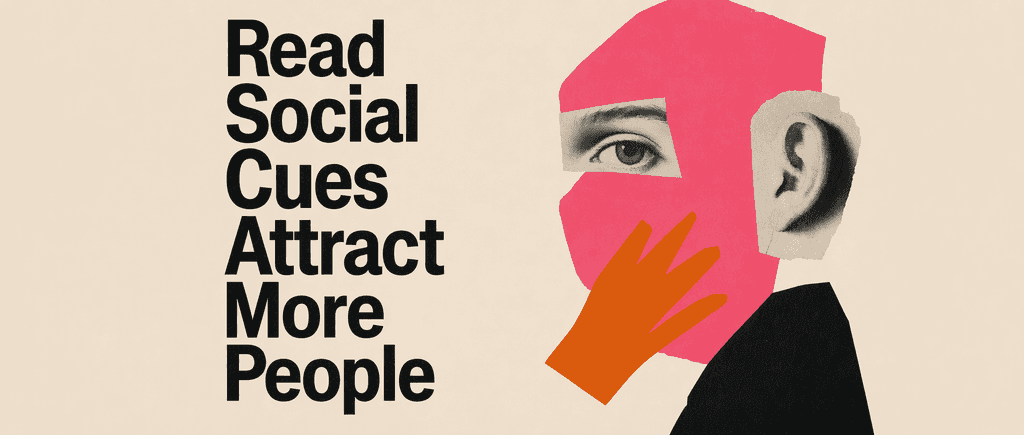
Read social cues to attract more people
Social connection is fundamental to human happiness and success, yet many people struggle to read the unspoken signals that govern relationships. This learning plan is perfect for anyone who feels they miss social cues, wants to build deeper connections, or wishes they were more naturally likable in both personal and professional settings.

Social Chess and Human Influence
In an increasingly complex world, understanding the psychological undercurrents of human interaction is essential for effective leadership. This plan is designed for professionals and aspiring leaders who want to master the art of influence, from reading unspoken signals to navigating modern power dynamics.

Connect Through Everyday Small Talk
In an increasingly isolated world, the ability to turn brief encounters into meaningful connections is a vital social skill. This plan is ideal for professionals and introverts looking to improve their social intuition and master the art of effortless, impactful conversation.

How to become popular
In today's interconnected world, social intelligence is a critical driver of personal and professional success. This plan is designed for anyone looking to overcome social anxiety, enhance their influence, and build a powerful network through authentic charisma.
Become a master of social skills
Social skills are the foundation of success in every area of life—from career advancement and leadership to meaningful relationships and personal fulfillment. This comprehensive learning path is designed for anyone who wants to transform their social presence, whether you're an introvert looking to feel more comfortable in social situations, a professional seeking to enhance your influence and networking abilities, or simply someone who wants to build deeper, more authentic connections with others.
"Instead of endless scrolling, I just hit play on BeFreed. It saves me so much time."


"I never knew where to start with nonfiction—BeFreed’s book lists turned into podcasts gave me a clear path."


"Perfect balance between learning and entertainment. Finished ‘Thinking, Fast and Slow’ on my commute this week."
"Crazy how much I learned while walking the dog. BeFreed = small habits → big gains."
"Reading used to feel like a chore. Now it’s just part of my lifestyle."

"Feels effortless compared to reading. I’ve finished 6 books this month already."
"BeFreed turned my guilty doomscrolling into something that feels productive and inspiring."

"BeFreed turned my commute into learning time. 20-min podcasts are perfect for finishing books I never had time for."
"BeFreed replaced my podcast queue. Imagine Spotify for books — that’s it. 🙌"

"It is great for me to learn something from the book without reading it."
"The themed book list podcasts help me connect ideas across authors—like a guided audio journey."
"Makes me feel smarter every time before going to work"
"Instead of endless scrolling, I just hit play on BeFreed. It saves me so much time."
"I never knew where to start with nonfiction—BeFreed’s book lists turned into podcasts gave me a clear path."
"Perfect balance between learning and entertainment. Finished ‘Thinking, Fast and Slow’ on my commute this week."
"Crazy how much I learned while walking the dog. BeFreed = small habits → big gains."
"Reading used to feel like a chore. Now it’s just part of my lifestyle."
"Feels effortless compared to reading. I’ve finished 6 books this month already."
"BeFreed turned my guilty doomscrolling into something that feels productive and inspiring."
"BeFreed turned my commute into learning time. 20-min podcasts are perfect for finishing books I never had time for."
"BeFreed replaced my podcast queue. Imagine Spotify for books — that’s it. 🙌"
"It is great for me to learn something from the book without reading it."
"The themed book list podcasts help me connect ideas across authors—like a guided audio journey."
"Makes me feel smarter every time before going to work"
"Instead of endless scrolling, I just hit play on BeFreed. It saves me so much time."
"I never knew where to start with nonfiction—BeFreed’s book lists turned into podcasts gave me a clear path."
"Perfect balance between learning and entertainment. Finished ‘Thinking, Fast and Slow’ on my commute this week."
"Crazy how much I learned while walking the dog. BeFreed = small habits → big gains."
"Reading used to feel like a chore. Now it’s just part of my lifestyle."
"Feels effortless compared to reading. I’ve finished 6 books this month already."
"BeFreed turned my guilty doomscrolling into something that feels productive and inspiring."
"BeFreed turned my commute into learning time. 20-min podcasts are perfect for finishing books I never had time for."
"BeFreed replaced my podcast queue. Imagine Spotify for books — that’s it. 🙌"
"It is great for me to learn something from the book without reading it."
"The themed book list podcasts help me connect ideas across authors—like a guided audio journey."
"Makes me feel smarter every time before going to work"
"Instead of endless scrolling, I just hit play on BeFreed. It saves me so much time."
"I never knew where to start with nonfiction—BeFreed’s book lists turned into podcasts gave me a clear path."
"Perfect balance between learning and entertainment. Finished ‘Thinking, Fast and Slow’ on my commute this week."
"Crazy how much I learned while walking the dog. BeFreed = small habits → big gains."
"Reading used to feel like a chore. Now it’s just part of my lifestyle."
"Feels effortless compared to reading. I’ve finished 6 books this month already."
"BeFreed turned my guilty doomscrolling into something that feels productive and inspiring."
"BeFreed turned my commute into learning time. 20-min podcasts are perfect for finishing books I never had time for."
"BeFreed replaced my podcast queue. Imagine Spotify for books — that’s it. 🙌"
"It is great for me to learn something from the book without reading it."
"The themed book list podcasts help me connect ideas across authors—like a guided audio journey."
"Makes me feel smarter every time before going to work"