The Revolutionary War was an endurance test
How did farmers defeat the world's most powerful military? Discover how strategic resilience and global alliances turned a long struggle into victory.

The Revolutionary War was an endurance testのベスト引用
The American Revolution was a local struggle that succeeded because it became a global one. It turned a tax dispute into a crusade for human rights, proving that you don't have to meet power with power—you can meet it with agility, persistence, and the power of an idea.
Generated by Freedee_182AAD9C
Summary of the revolutionary war

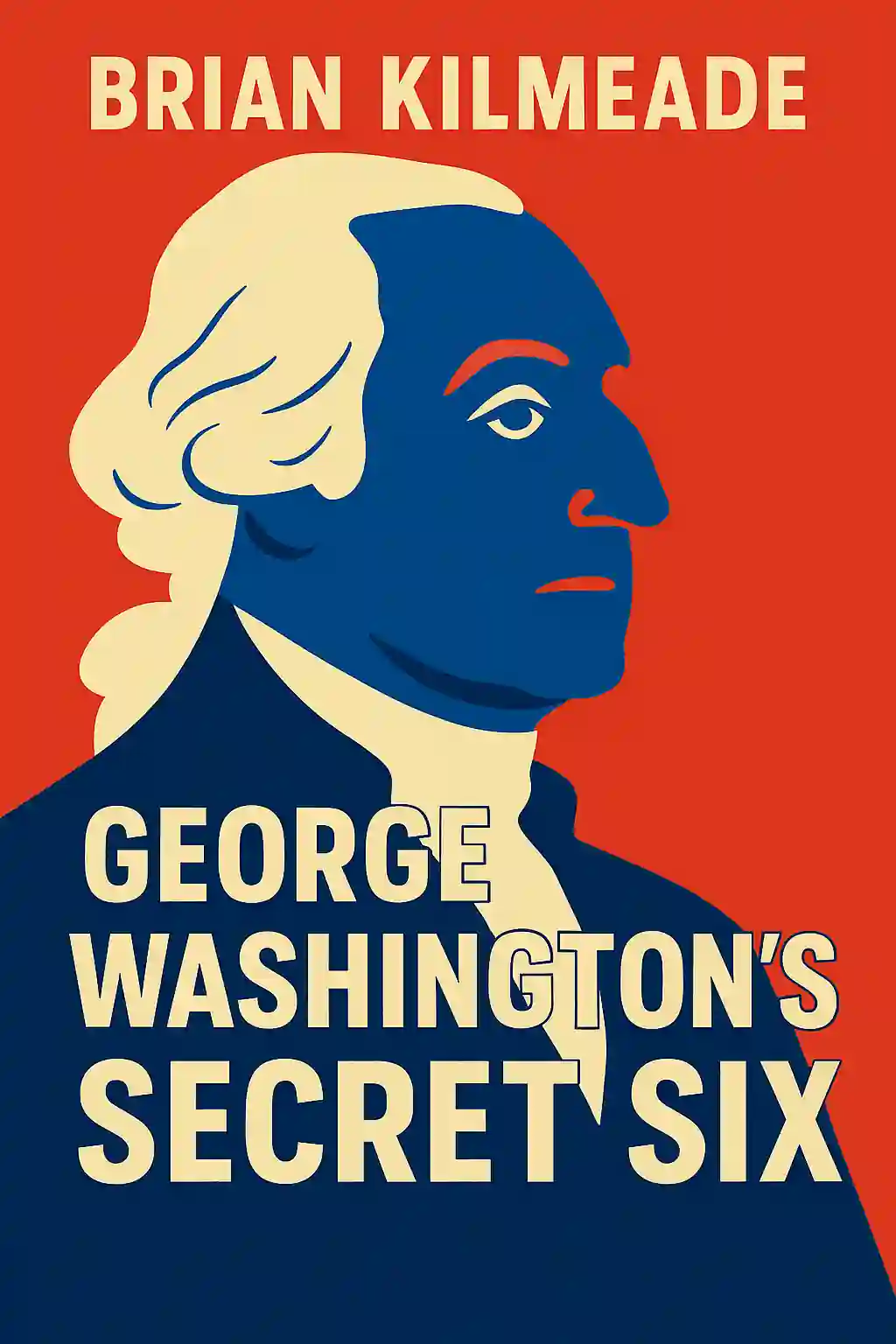
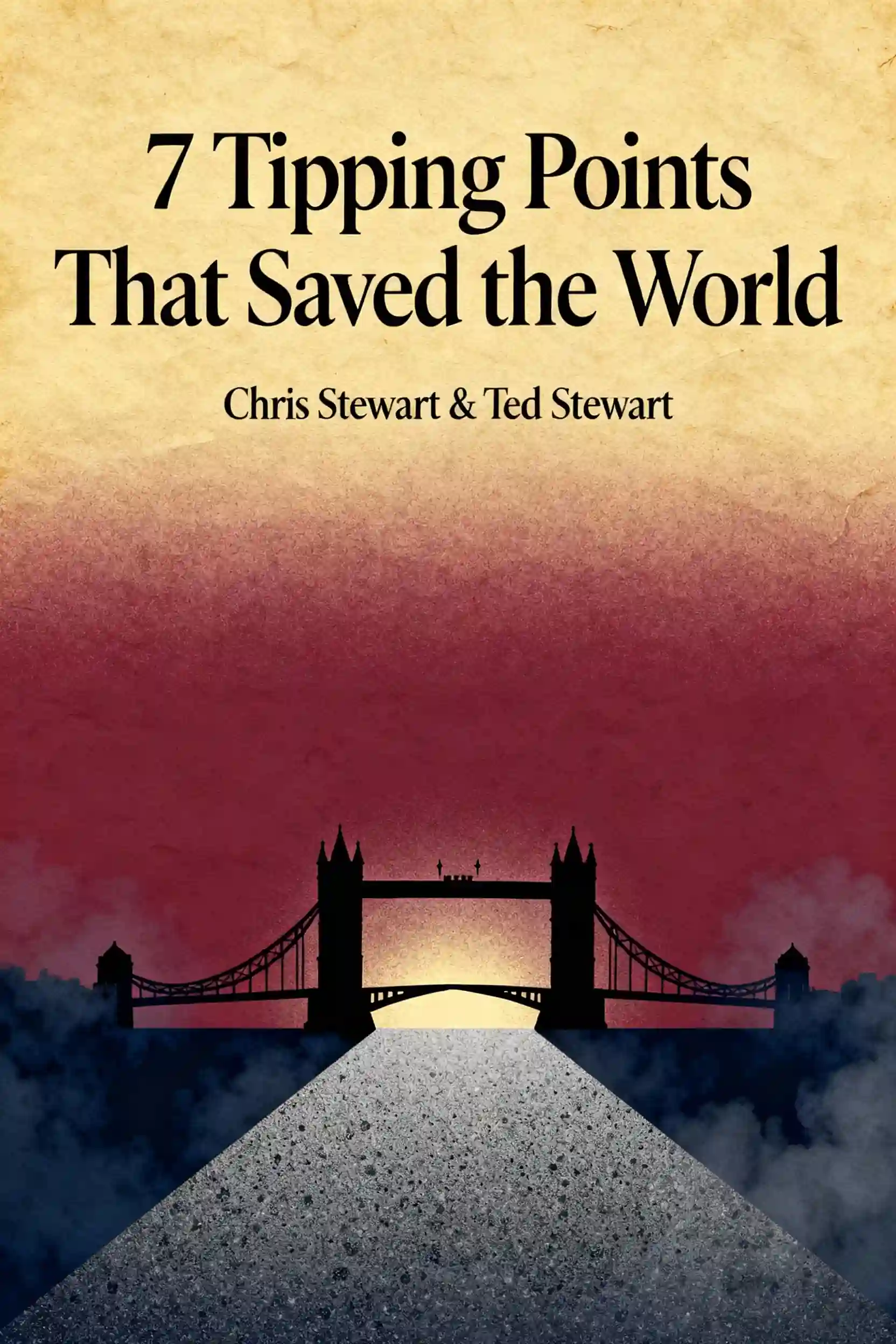
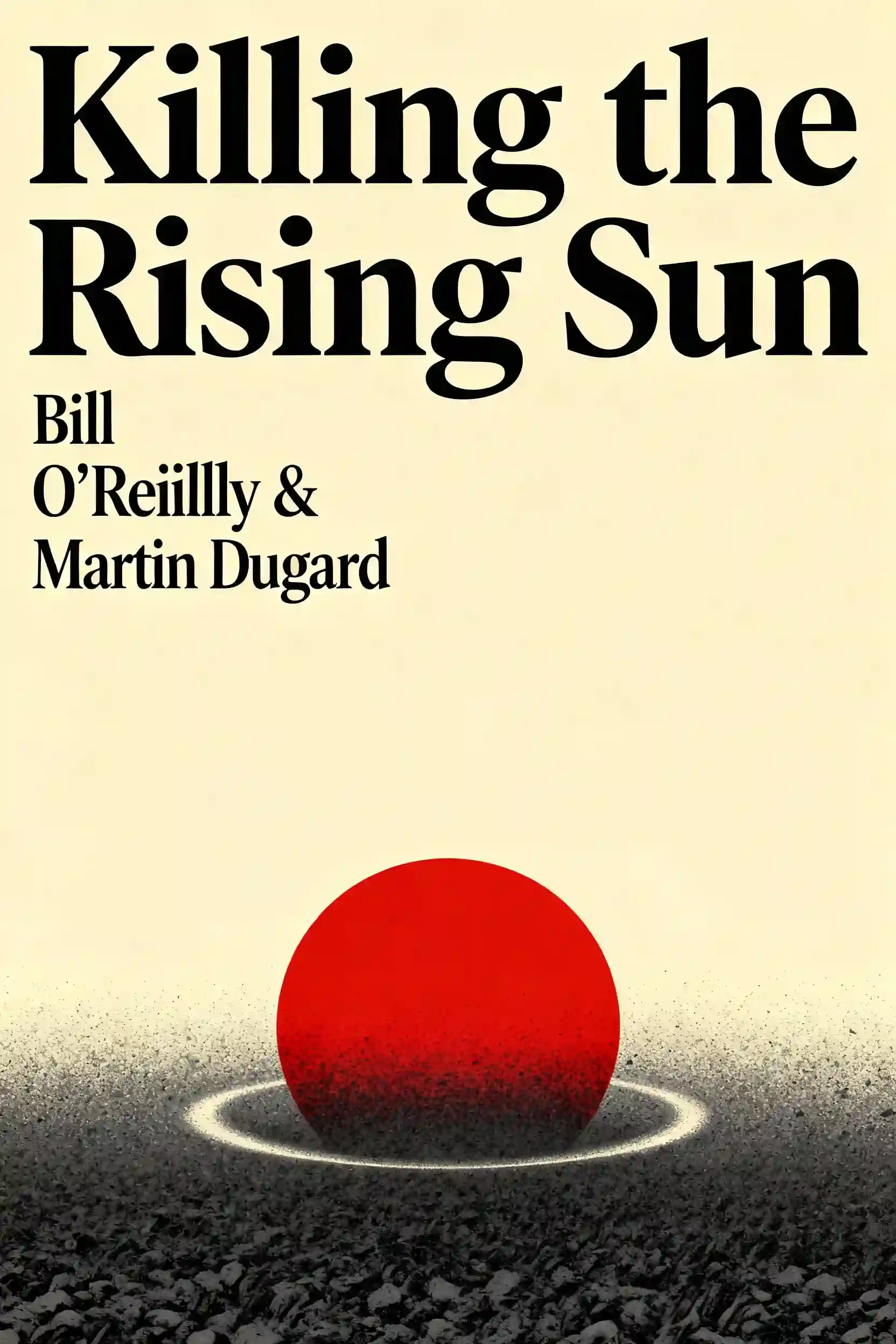
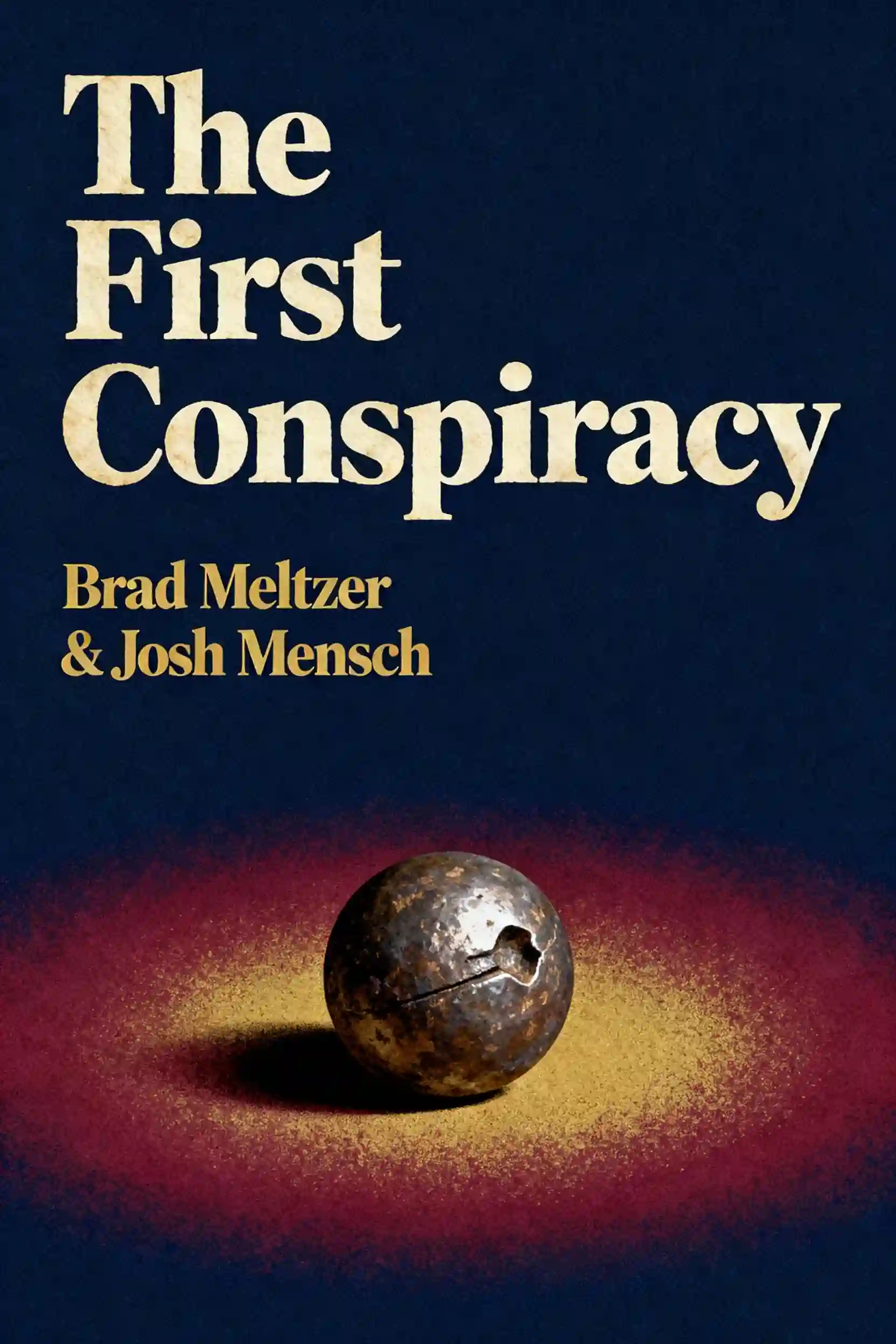
よくある質問
Salutary neglect was an unofficial British policy of leaving the American colonies largely to their own devices, allowing them to manage their own local laws and economies for decades. This "hands-off" approach ended after the Seven Years’ War, when Britain incurred a massive national debt and began imposing direct taxes like the Stamp Act and Sugar Act to pay for colonial defense. The shift from autonomy to strict imperial control created deep resentment, as colonists argued they should not be taxed by a Parliament in which they had no elected representatives.
The Battle of Saratoga in 1777 was a major military victory where American forces defeated and captured a large British army under General John Burgoyne. This success served as critical diplomatic proof to the rest of the world that the colonists had a realistic chance of winning the war. Most importantly, it convinced France to formally enter the conflict as an American ally, transforming a local colonial rebellion into a global war that forced Britain to divert military resources away from North America to defend its other global interests.
The Continental Army was a professional national force led by George Washington, consisting of soldiers who eventually underwent formal training, such as the drilling provided by Baron von Steuben at Valley Forge. In contrast, state militias were "irregulars" or local citizens called up for short-term service. While the militias were often undisciplined and struggled in open-field battles, they were highly effective at using guerrilla tactics, harassing British supply lines, and ambushing troops in dense forests and swamps.
The French navy was the decisive factor in the surrender of Lord Cornwallis at Yorktown in 1781. By winning the Battle of the Capes, the French fleet established control over the Chesapeake Bay, creating a "naval noose" that prevented the British Royal Navy from rescuing or reinforcing Cornwallis by sea. This trapped the British army on the Yorktown peninsula, leaving them surrounded by Franco-American ground forces and forcing a surrender that effectively ended major combat operations in the war.
The war was a complex and often tragic experience for marginalized groups. Approximately 20,000 Black men fought in the conflict, with many joining the British side in exchange for promises of freedom, though most remained enslaved after the war regardless of which side they supported. For Native Americans, the Revolution was often a disaster; the Iroquois Confederacy split apart as different tribes chose sides, and many tribes sided with the British in a failed attempt to stop colonial expansion into their ancestral lands.
コロンビア大学卒業生が開発 サンフランシスコ発
BeFreedは好奇心旺盛な仲間が集うグローバルコミュニティ


"Instead of endless scrolling, I just hit play on BeFreed. It saves me so much time."


"I never knew where to start with nonfiction—BeFreed’s book lists turned into podcasts gave me a clear path."


"Perfect balance between learning and entertainment. Finished ‘Thinking, Fast and Slow’ on my commute this week."
"Crazy how much I learned while walking the dog. BeFreed = small habits → big gains."
"Reading used to feel like a chore. Now it’s just part of my lifestyle."

"Feels effortless compared to reading. I’ve finished 6 books this month already."
"BeFreed turned my guilty doomscrolling into something that feels productive and inspiring."

"BeFreed turned my commute into learning time. 20-min podcasts are perfect for finishing books I never had time for."
"BeFreed replaced my podcast queue. Imagine Spotify for books — that’s it. 🙌"

"It is great for me to learn something from the book without reading it."
"The themed book list podcasts help me connect ideas across authors—like a guided audio journey."
"Makes me feel smarter every time before going to work"
コロンビア大学卒業生が開発 サンフランシスコ発
BeFreedは好奇心旺盛な仲間が集うグローバルコミュニティ
"Instead of endless scrolling, I just hit play on BeFreed. It saves me so much time."
"I never knew where to start with nonfiction—BeFreed’s book lists turned into podcasts gave me a clear path."
"Perfect balance between learning and entertainment. Finished ‘Thinking, Fast and Slow’ on my commute this week."
"Crazy how much I learned while walking the dog. BeFreed = small habits → big gains."
"Reading used to feel like a chore. Now it’s just part of my lifestyle."
"Feels effortless compared to reading. I’ve finished 6 books this month already."
"BeFreed turned my guilty doomscrolling into something that feels productive and inspiring."
"BeFreed turned my commute into learning time. 20-min podcasts are perfect for finishing books I never had time for."
"BeFreed replaced my podcast queue. Imagine Spotify for books — that’s it. 🙌"
"It is great for me to learn something from the book without reading it."
"The themed book list podcasts help me connect ideas across authors—like a guided audio journey."
"Makes me feel smarter every time before going to work"
"Instead of endless scrolling, I just hit play on BeFreed. It saves me so much time."
"I never knew where to start with nonfiction—BeFreed’s book lists turned into podcasts gave me a clear path."
"Perfect balance between learning and entertainment. Finished ‘Thinking, Fast and Slow’ on my commute this week."
"Crazy how much I learned while walking the dog. BeFreed = small habits → big gains."
"Reading used to feel like a chore. Now it’s just part of my lifestyle."
"Feels effortless compared to reading. I’ve finished 6 books this month already."
"BeFreed turned my guilty doomscrolling into something that feels productive and inspiring."
"BeFreed turned my commute into learning time. 20-min podcasts are perfect for finishing books I never had time for."
"BeFreed replaced my podcast queue. Imagine Spotify for books — that’s it. 🙌"
"It is great for me to learn something from the book without reading it."
"The themed book list podcasts help me connect ideas across authors—like a guided audio journey."
"Makes me feel smarter every time before going to work"
"Instead of endless scrolling, I just hit play on BeFreed. It saves me so much time."
"I never knew where to start with nonfiction—BeFreed’s book lists turned into podcasts gave me a clear path."
"Perfect balance between learning and entertainment. Finished ‘Thinking, Fast and Slow’ on my commute this week."
"Crazy how much I learned while walking the dog. BeFreed = small habits → big gains."
"Reading used to feel like a chore. Now it’s just part of my lifestyle."
"Feels effortless compared to reading. I’ve finished 6 books this month already."
"BeFreed turned my guilty doomscrolling into something that feels productive and inspiring."
"BeFreed turned my commute into learning time. 20-min podcasts are perfect for finishing books I never had time for."
"BeFreed replaced my podcast queue. Imagine Spotify for books — that’s it. 🙌"
"It is great for me to learn something from the book without reading it."
"The themed book list podcasts help me connect ideas across authors—like a guided audio journey."
"Makes me feel smarter every time before going to work"