The Hidden Handoff Between Intention and Routine
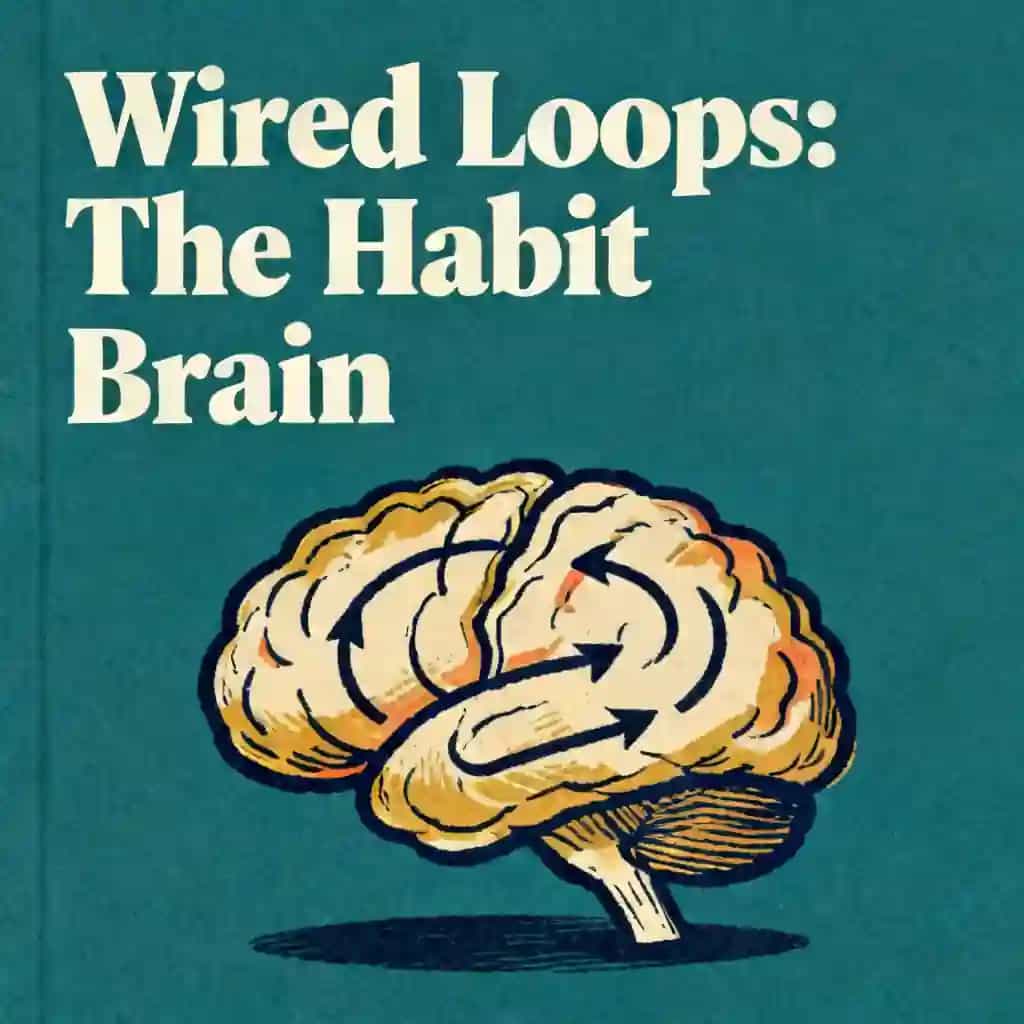
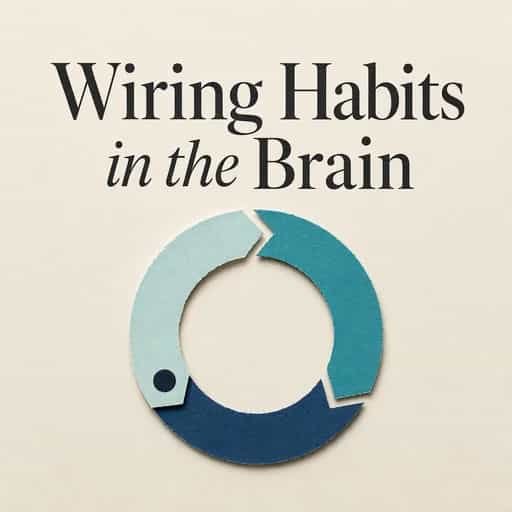
You have probably had that experience where you are driving home from work, lost in thought about a difficult conversation or what you want to cook for dinner, and suddenly you pull into your driveway. You realize with a start that you don't actually remember the last three miles of the drive. You didn't consciously decide to signal at the corner of Oak Street, and you didn't think about the exact pressure required to break at the red light—your brain simply took over. This is the power of a habit, a specialized neural "autopilot" that allows you to perform complex sequences of behavior while your conscious mind is busy elsewhere. But while this is a miracle of efficiency when it comes to driving or brushing your teeth, it becomes a source of deep frustration when you are trying to change your life. Why is it that you can set a firm intention at 8:00 AM to avoid the office snack jar, yet by 3:00 PM, you find yourself halfway through a cookie before you even realize you’ve picked it up? The reason lies in a sophisticated biological handoff. Research has shown that habits are not just "stronger" versions of our intentions; they are actually governed by multiple interconnected circuits in the brain. When you start a new routine, you are using a goal-directed system that is flexible but exhausting. As you repeat that behavior, the brain begins a process called "chunking," where it packages those actions into a single unit and hands the keys over to a more primitive, automatic system. Understanding this handoff is the secret to moving from the frustration of "trying harder" to the strategy of "rewiring better." In this episode, we are going to look at the mechanics of this neural switch, exploring how your brain decides which actions to turn into habits and—more importantly—how you can use the latest findings in neuroplasticity to take back the wheel. So, let’s dive into the architecture of your routines.