The Medici Method: Joliet’s Modern Renaissance
Discover how Jared Spano uses the 'Black Prince' playbook to transform Joliet through civic alchemy. This lesson connects Medici-style patronage and Giannini’s populist banking to Spano’s innovative fusion of revenue bonds, music, and historic architecture.

The Medici Method: Joliet’s Modern Renaissanceのベスト引用
It’s the cycle of efficiency: you use financial power to fund cultural production, which then generates the social and political capital that makes your financial power even stronger.
Generated by Jmoney
Create alesson comparing Jared Spano’s Nightlife Lifestyle Entertainment District in Joliet to the Medici banking revolution. Show how Lorenzo de’ Medici used finance, architecture, music, and the arts to shape Florence and how A.P. Giannini built Bank of America by funding overlooked communities. Explain how Spano’s model—revenue bonds, historic architecture, hospitality, media, and music—creates a new ecosystem, framing him as the modern ‘Black Prince of Florence’ in Joliet, a Makaveli-like f

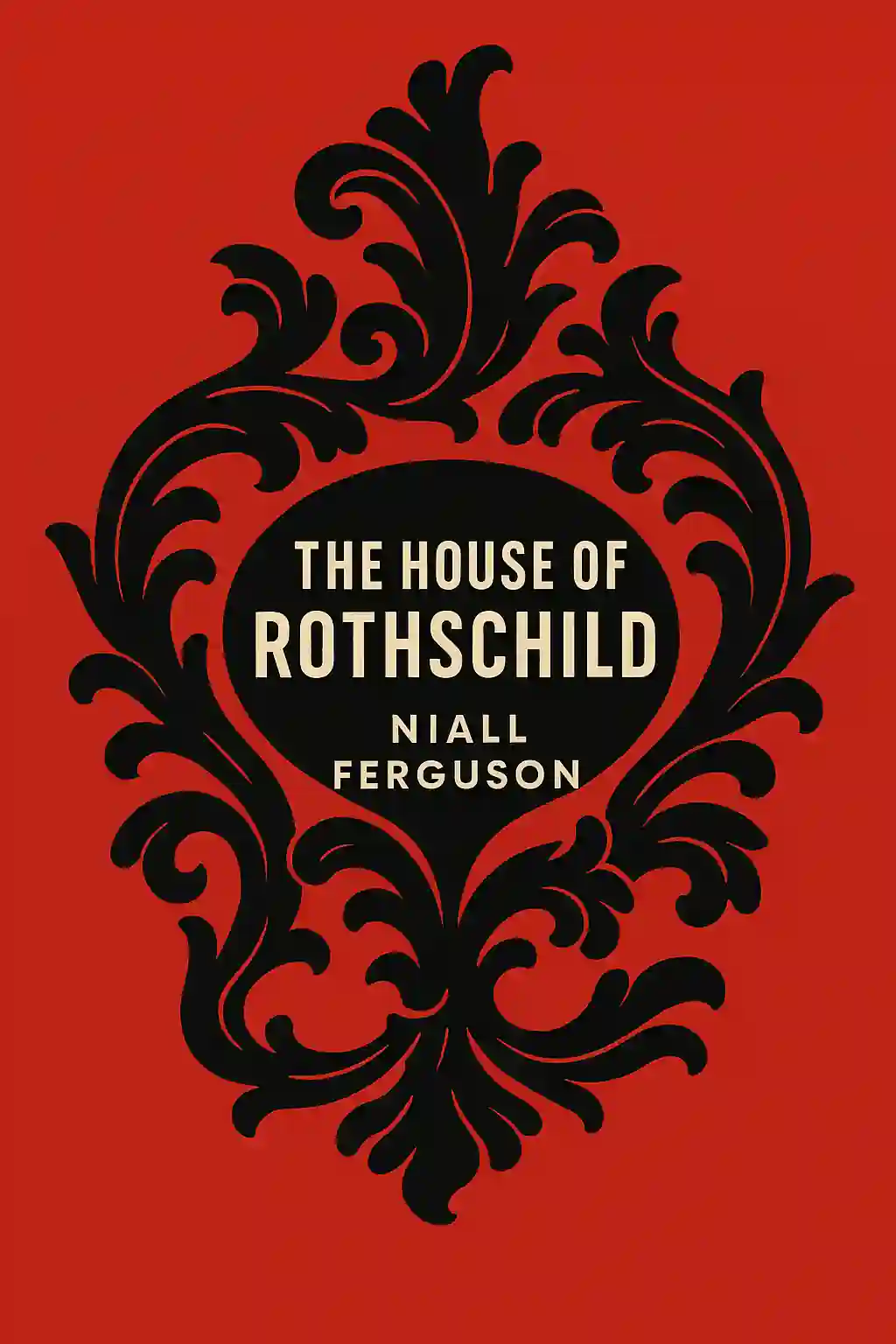
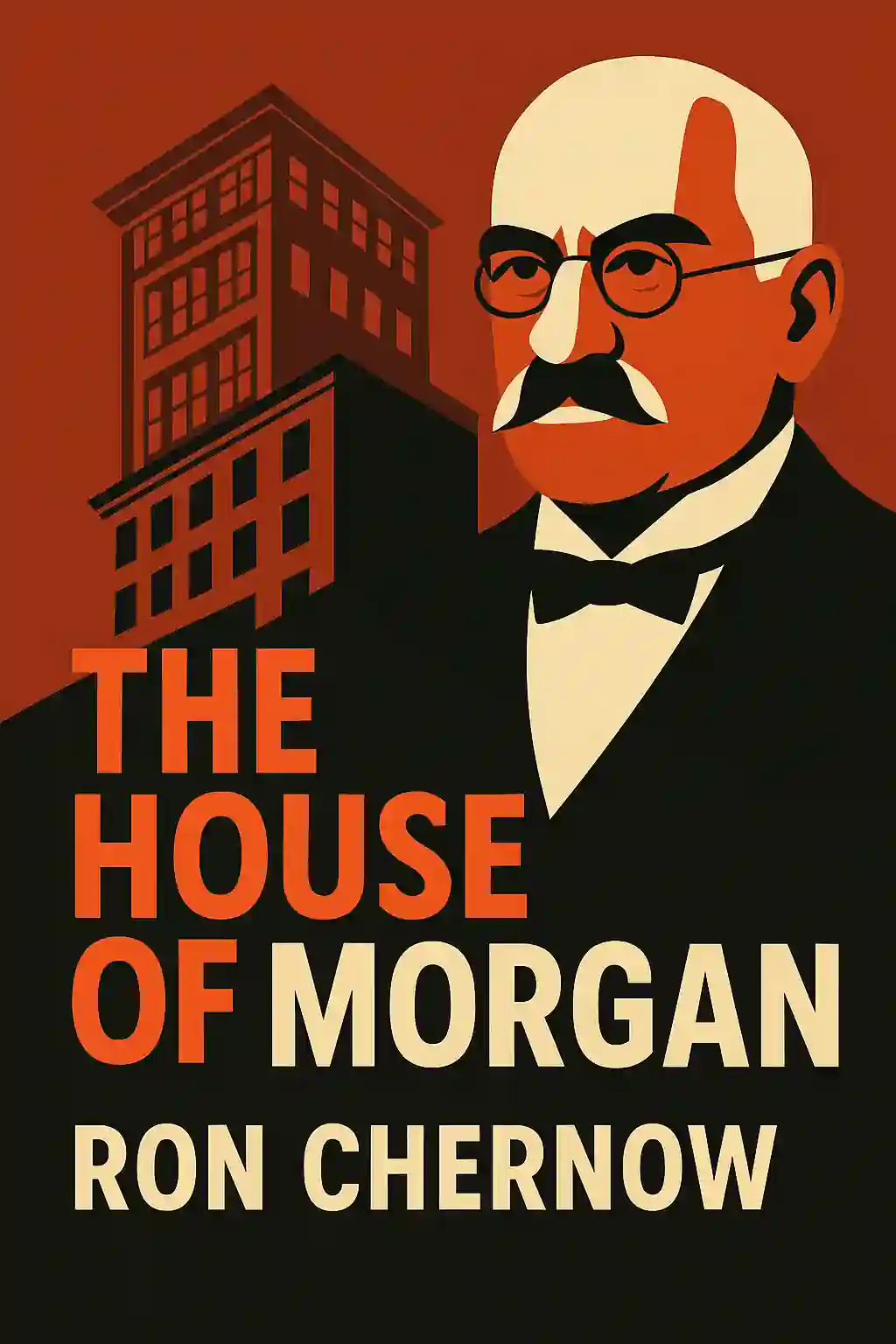

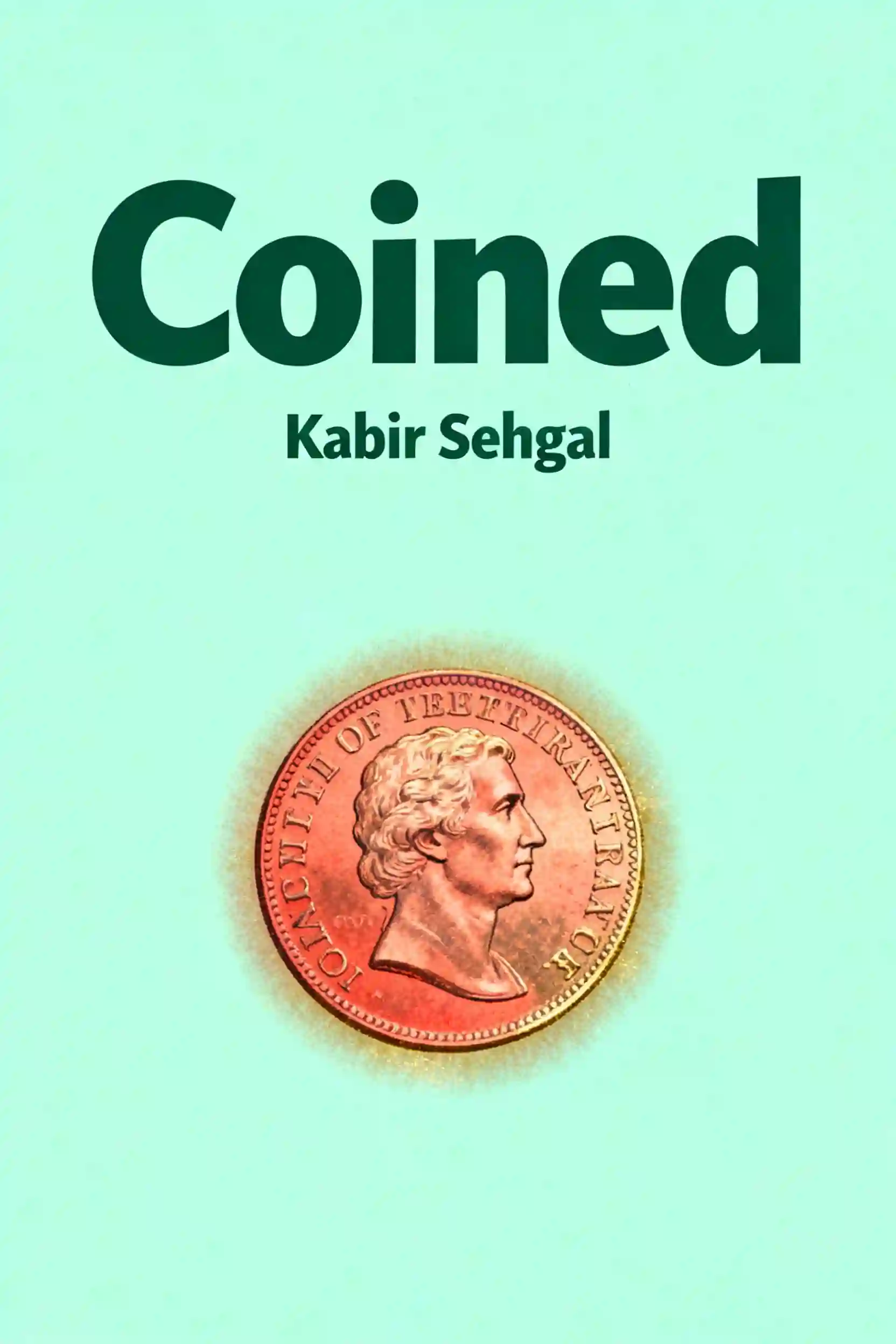
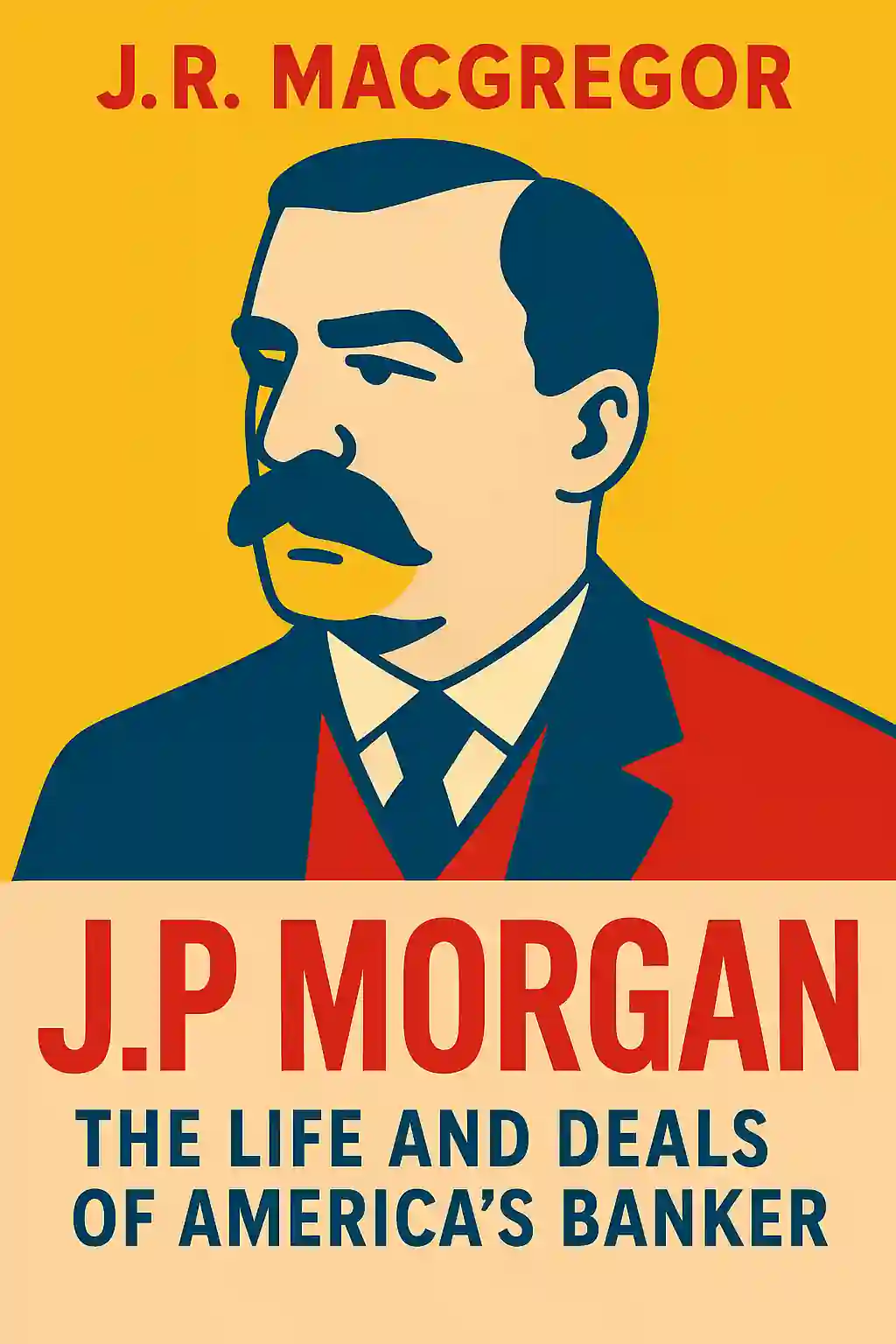
よくある質問
The Medici Method refers to a strategic approach where financial power is used to fund cultural and artistic production, which in turn generates social and political capital. In Joliet, Jared Spano is applying this by developing a Nightlife Lifestyle Entertainment District. By revitalizing historic architecture and creating spaces for art, music, and student-operated businesses, he is using culture to enhance the city's "brand," attract talent, and create an economic ecosystem where the community's success reinforces his financial investments.
The term "Black Prince" refers to Alessandro de’ Medici, the first Duke of Florence, who rose from humble beginnings to establish a new political order. In the context of the script, it represents a "Makaveli-inspired" leadership style that shifts from being a mere participant in the market to owning the "stadium." This involves navigating complex city regulations, using media to shape public narrative, and building a "ramified network" of supporters whose success is tied to the developer’s vision, effectively governing the cultural landscape of the city.
These financial instruments act as "civic alchemy" to fund projects that traditional market conditions might not support. Tax Increment Financing (TIF) districts allow the city to encourage the rehabilitation of dilapidated structures, while revenue bonds provide liquid assets for construction that are paid back by the income the project itself generates. These tools allow a developer to bypass "sluggish" traditional lending and democratize investment, similar to how A.P. Giannini funded the Golden Gate Bridge when traditional bankers refused.
While the Medici approach is often top-down and focused on elite cultural patronage, the A.P. Giannini model is a populist, "bottom-up" strategy. Giannini, the founder of Bank of America, focused on the "little fellow"—immigrants and workers ignored by elite banks—using "character-based lending." Spano blends these by using the Medici’s architectural ambition while adopting Giannini’s focus on community transformation, such as providing educational facilities and opportunities for students to run businesses within the entertainment district.
Architecture is viewed as a tool for legitimacy because it creates a physical and symbolic claim to a city’s identity. By revitalizing landmarks like the Rialto Square Theatre or old drawbridges, a developer taps into "civic patriotism" and inherits the historical gravity of those spaces. This creates a "reservoir of goodwill" among citizens, making the developer a central node in the city’s future and turning aesthetic beauty into a durable form of political and social influence.
"Instead of endless scrolling, I just hit play on BeFreed. It saves me so much time."


"I never knew where to start with nonfiction—BeFreed’s book lists turned into podcasts gave me a clear path."


"Perfect balance between learning and entertainment. Finished ‘Thinking, Fast and Slow’ on my commute this week."
"Crazy how much I learned while walking the dog. BeFreed = small habits → big gains."
"Reading used to feel like a chore. Now it’s just part of my lifestyle."

"Feels effortless compared to reading. I’ve finished 6 books this month already."
"BeFreed turned my guilty doomscrolling into something that feels productive and inspiring."

"BeFreed turned my commute into learning time. 20-min podcasts are perfect for finishing books I never had time for."
"BeFreed replaced my podcast queue. Imagine Spotify for books — that’s it. 🙌"

"It is great for me to learn something from the book without reading it."
"The themed book list podcasts help me connect ideas across authors—like a guided audio journey."
"Makes me feel smarter every time before going to work"
"Instead of endless scrolling, I just hit play on BeFreed. It saves me so much time."
"I never knew where to start with nonfiction—BeFreed’s book lists turned into podcasts gave me a clear path."
"Perfect balance between learning and entertainment. Finished ‘Thinking, Fast and Slow’ on my commute this week."
"Crazy how much I learned while walking the dog. BeFreed = small habits → big gains."
"Reading used to feel like a chore. Now it’s just part of my lifestyle."
"Feels effortless compared to reading. I’ve finished 6 books this month already."
"BeFreed turned my guilty doomscrolling into something that feels productive and inspiring."
"BeFreed turned my commute into learning time. 20-min podcasts are perfect for finishing books I never had time for."
"BeFreed replaced my podcast queue. Imagine Spotify for books — that’s it. 🙌"
"It is great for me to learn something from the book without reading it."
"The themed book list podcasts help me connect ideas across authors—like a guided audio journey."
"Makes me feel smarter every time before going to work"
"Instead of endless scrolling, I just hit play on BeFreed. It saves me so much time."
"I never knew where to start with nonfiction—BeFreed’s book lists turned into podcasts gave me a clear path."
"Perfect balance between learning and entertainment. Finished ‘Thinking, Fast and Slow’ on my commute this week."
"Crazy how much I learned while walking the dog. BeFreed = small habits → big gains."
"Reading used to feel like a chore. Now it’s just part of my lifestyle."
"Feels effortless compared to reading. I’ve finished 6 books this month already."
"BeFreed turned my guilty doomscrolling into something that feels productive and inspiring."
"BeFreed turned my commute into learning time. 20-min podcasts are perfect for finishing books I never had time for."
"BeFreed replaced my podcast queue. Imagine Spotify for books — that’s it. 🙌"
"It is great for me to learn something from the book without reading it."
"The themed book list podcasts help me connect ideas across authors—like a guided audio journey."
"Makes me feel smarter every time before going to work"
"Instead of endless scrolling, I just hit play on BeFreed. It saves me so much time."
"I never knew where to start with nonfiction—BeFreed’s book lists turned into podcasts gave me a clear path."
"Perfect balance between learning and entertainment. Finished ‘Thinking, Fast and Slow’ on my commute this week."
"Crazy how much I learned while walking the dog. BeFreed = small habits → big gains."
"Reading used to feel like a chore. Now it’s just part of my lifestyle."
"Feels effortless compared to reading. I’ve finished 6 books this month already."
"BeFreed turned my guilty doomscrolling into something that feels productive and inspiring."
"BeFreed turned my commute into learning time. 20-min podcasts are perfect for finishing books I never had time for."
"BeFreed replaced my podcast queue. Imagine Spotify for books — that’s it. 🙌"
"It is great for me to learn something from the book without reading it."
"The themed book list podcasts help me connect ideas across authors—like a guided audio journey."
"Makes me feel smarter every time before going to work"