正直、まだアプリを使いこなせていませんが、この数日使っただけで本当に感動しました… BeFreed は、今まで使ったどの学習アプリともレベルが違います。夢中になれるうえに集中力も実際に上がるので、スマホをだらだら見てしまう人にぴったりです!
@ladyInfinity
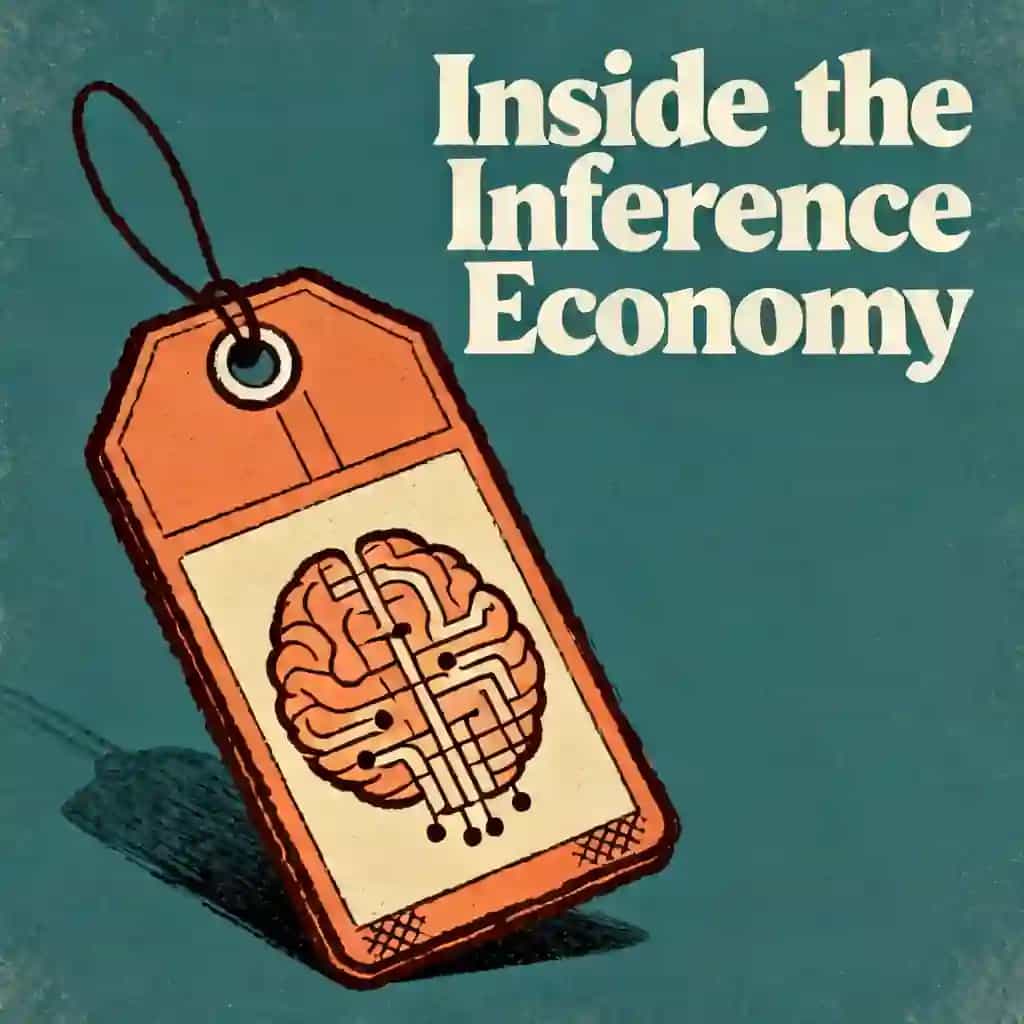
Explore the Inference Inversion, a shift where enterprise AI compute spending on inference now eclipses training costs, reshaping AI infrastructure and investment.

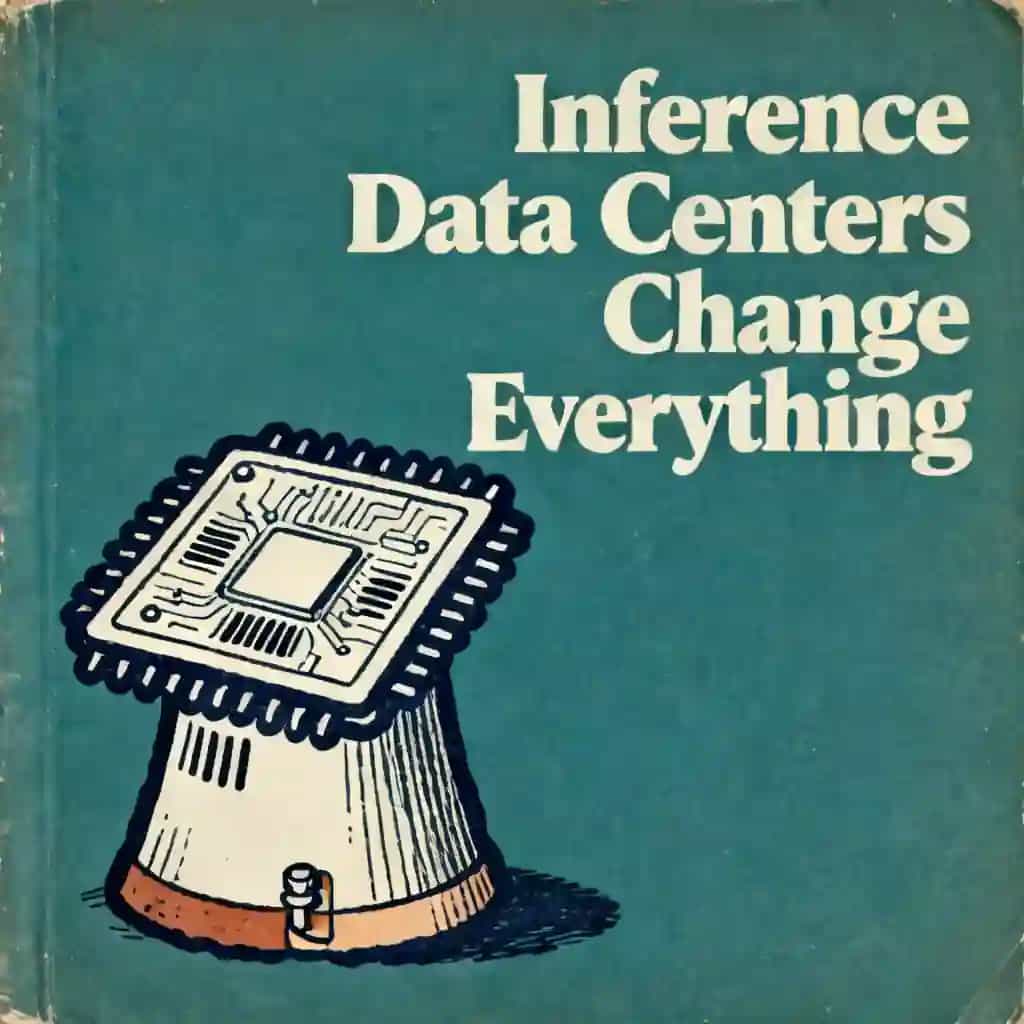
What you are witnessing is the 'inference inversion,' a structural change where the cost of usage has finally eclipsed the cost of creation, moving the industry's focus from training models to the efficiency of running them.
Break down the inference AI problem through the lens of model optimization and software, specifically focusing on current VC investment trends for early-stage investors.





![Gimlet Labs Raises $80M to Solve AI's Biggest Waste Problem | THE D[AI]LY BRIEF](https://d1y2du6z1jfm9e.cloudfront.net/assets/podcast/blue.png)
The Inference Inversion refers to a structural shift in the AI industry where the cost of running models, known as inference, has surpassed the cost of the initial training phase. As of 2026, inference workloads account for two-thirds of all enterprise AI compute spending, a significant increase from just one-third only three years ago. This trend indicates that the industry has moved from a focus on model creation to a focus on active usage and task performance.
Enterprise AI compute spending has undergone a massive transformation, with the landscape shifting from GPU-heavy training processes to inference-heavy workloads. While training was the primary focus for venture capital and developers for years, the cost of usage has now eclipsed the cost of creation. This inversion means that the majority of capital is now being directed toward the actual execution of queries and tasks within enterprise environments rather than just teaching models how to think.
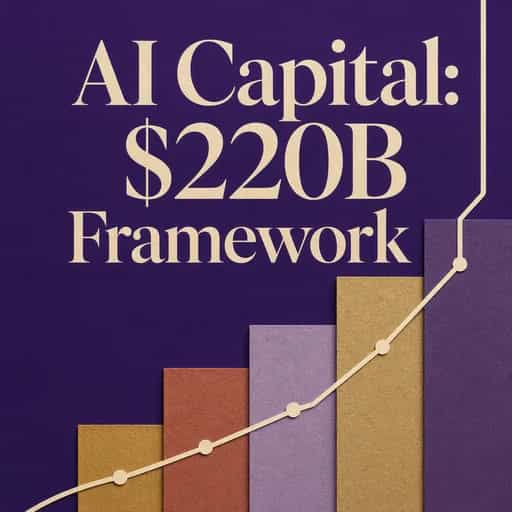
Hyperscalers such as Amazon, Google, Meta, and Microsoft are driving massive capital expenditure in the AI sector, with a collective target of roughly $690 billion for infrastructure this year. While these giants focus on massive data center builds, the broader market is looking for an efficiency layer to manage this spend. The challenge for the industry is no longer just acquiring chips, but optimizing the software and specialized hardware to reduce the hundreds of billions of dollars currently being wasted.
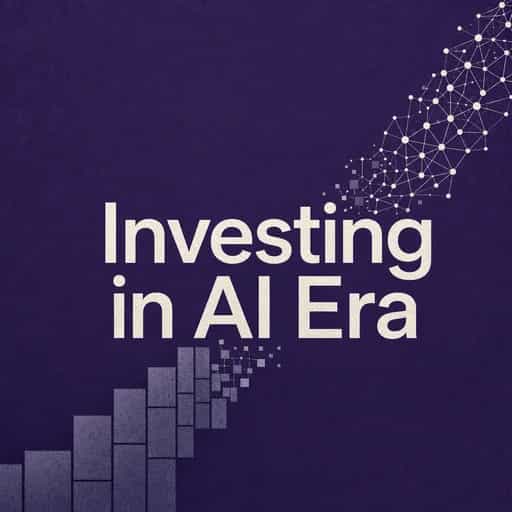
For venture capital investors, the Inference Inversion represents the single most important trend to understand when evaluating early-stage infrastructure. Instead of competing with hyperscalers on data center builds, investors are searching for the efficiency layer—software and specialized hardware that optimizes compute usage. As inference becomes the dominant cost, the opportunity lies in solving the inefficiencies that lead to massive waste in the current AI infrastructure spend.
コロンビア大学卒業生が開発 | サンフランシスコ発
平均評価
7,840件以上のアプリ評価
BeFreedコミュニティ
正直、まだアプリを使いこなせていませんが、この数日使っただけで本当に感動しました… BeFreed は、今まで使ったどの学習アプリともレベルが違います。夢中になれるうえに集中力も実際に上がるので、スマホをだらだら見てしまう人にぴったりです!
@ladyInfinity
ちょうど 23 日前に BeFreed を購入して、それから毎日欠かさず使っています。仕事の流れと学習習慣に完全に溶け込みました。
@jayallen
正直なところ、このアプリは期待をすべて超えてきました。どんなテーマでも音声を生成してもらえて、その結果には驚かされます。私の専門は心理療法で、多分野にまたがる領域ですが、それでも回答はとても正確です。
@Raguipa
何よりありがたいのは、スマホをだらだら見る時間が減ったことです。探す時間が減って、吸収する時間が増えました。オーディオブック、ポッドキャスト、学習プランの組み合わせが素晴らしいです。
@colonyofcreatorsNGO
私は 24 年間、PhotoReading 加速学習のインストラクターをしています… 本と読書と学びが私の専門ですが、BeFreed は情報を消化しやすい形で届ける革新的なアプローチを見事に実現しています。
@BeFreed user
ただの本の要約アプリではありません。「ファン」スタイルを使ってみたら、従来のやり方よりずっと良い要約で、アイデアもつかみやすいです。これだけでも十分元が取れます。
@austinakon
このアプリが大好きです。数日使っただけで、聞くのが止まらなくなりました。始め方として最高です。
@jcrules328
本当に気に入っています。約 1 か月試していますが、まさに掘り出し物だと感じます。BeFreed で自分だけのテーマを作れるのが便利で、声も素晴らしく、ナレーションの選択肢は無限です。
@DanielCZ
役立つ情報やアイデアを 8〜15 分のポッドキャスト風音声にぎゅっとまとめて聞けるのが最高です。ポッドキャストは余計な話が多くて苦手でしたが、これは無駄を全部そぎ落としてくれます。
@BeFreed user
博士課程の仕上げの段階で、なじみのない資料を大量に読む必要があります… BeFreed ならプロンプトを入力するだけで、アプリが資料を探して音声ポッドキャストを作ってくれます。BeFreed のほうが NotebookLM よりも流れがスムーズだと感じます。
@Brad
朝食を作りながら、散歩しながら、通勤しながら聞くものを YouTube でよく探していましたが、BeFreed は広告も余計な話もなしで、もっと的を絞った聞き方をさせてくれます!
@BeFreed user
このプラットフォームの一番の魅力は、その万能さです。扱えないテーマは文字どおりひとつもありません。何を投げても応えてくれます… 制限がまったくないのに約束をきちんと果たしてくれる学習ツールには、なかなか出会えません。
@jayallen
BeFreed は素晴らしいです。使いやすいデザインのおかげで、操作に迷う時間が減り、学ぶ時間が増えました。オーディオブック、ポッドキャスト、学習プランの組み合わせは天才的で、毎日の習慣がすっかり変わりました。
@BeFreed user
最初はイタリア語でポッドキャストを作る方法を理解するのに少し時間がかかりましたが、わかった瞬間、最高でした!どんなテーマでも説明してもらえて、しかもとても賢く、うまく話してくれます!
@matteo77
BeFreed は毎日使うオーディオブックアプリになりました… 一番気に入っているのは、自分のテキストを入れると、外出先でも聞ける音声にしてくれるところです。
@kotanzu1