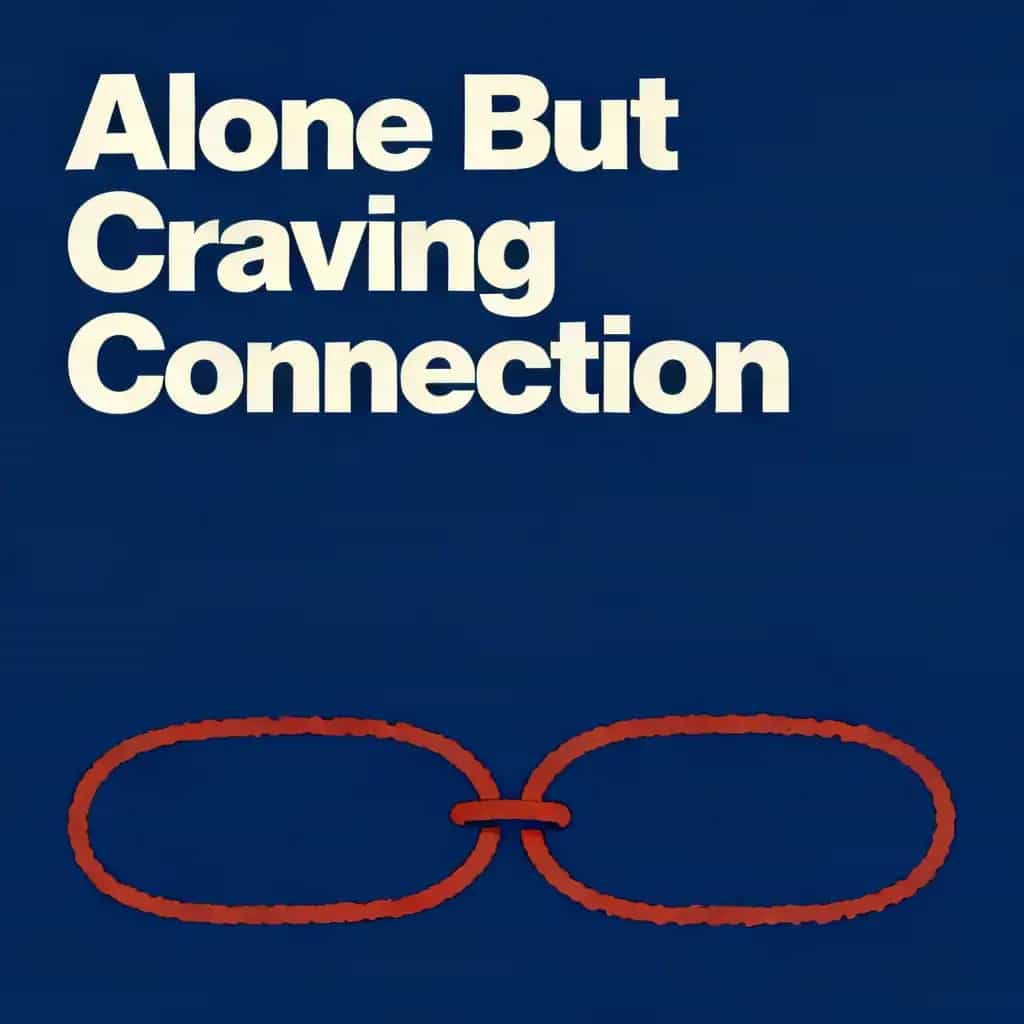
The High Cost of Hyper-Individualism
Explore how the decline of simple favors and the rise of personal bubbles are fueling a loneliness epidemic, and learn how we can begin to rebuild our unraveling social fabric.

The High Cost of Hyper-Individualismのベスト引用
We seek comfort in solitude, but we find joy in connection. We have to resist the undertow of the convenience curse and realize that a thriving society isn't one where everyone is self-sufficient—it's one where everyone is needed.
Generated by hassan mujtaba
Our modern life is such that it has destroyed society fabric because everyone has become so selfish and remain within it's circle at home. We no longer interact openly because of different fears

よくある質問
Traditional individualism is viewed as a positive force that fosters human rights, creative expression, and the ability to shape one’s own destiny. In contrast, hyper-individualism is a mutated version where people see themselves as completely separate entities rather than members of a collective. It prioritizes personal satisfaction and "me time" at the absolute expense of social connection, leading people to view basic social favors—like an airport pickup—as a transactional burden rather than a natural part of being a neighbor or friend.
The script highlights a paradox where larger personal spaces at home correlate with higher levels of loneliness because they allow individuals to hide from others. Modern architectural trends often prioritize private "sanctuaries" equipped with screens in every room over shared living spaces and natural light. When people have massive private environments, they are more likely to retreat into them, treating the outside world as a "silent depot" for errands rather than a place for social encounter.
According to research mentioned in the script, groups with higher inequality sometimes exhibit higher cooperation rates than perfectly equal groups because the disparity creates a clear signal of responsibility. In equal groups, a "diffusion of responsibility" often occurs where everyone waits for someone else to act. In unequal groups, "high-endowment" individuals can lead by example; when they contribute significantly to the common good early on, it creates a "we-feeling" that encourages others to follow suit and builds trust across the group.
"Secular monks" refers to a modern trend, particularly among young men, focused on extreme personal optimization through biohacking, data-driven health, and solitary routines. While disciplined, this lifestyle is often solipsistic, lacking community or family involvement. "Amistics" is the practice of being intentional about technology, modeled after the Amish. It involves asking whether a new convenience or app will destroy "visiting practices" or social friction—the very friction that the script argues is necessary to create social sparks and human bonds.
"Instead of endless scrolling, I just hit play on BeFreed. It saves me so much time."


"I never knew where to start with nonfiction—BeFreed’s book lists turned into podcasts gave me a clear path."


"Perfect balance between learning and entertainment. Finished ‘Thinking, Fast and Slow’ on my commute this week."
"Crazy how much I learned while walking the dog. BeFreed = small habits → big gains."
"Reading used to feel like a chore. Now it’s just part of my lifestyle."

"Feels effortless compared to reading. I’ve finished 6 books this month already."
"BeFreed turned my guilty doomscrolling into something that feels productive and inspiring."

"BeFreed turned my commute into learning time. 20-min podcasts are perfect for finishing books I never had time for."
"BeFreed replaced my podcast queue. Imagine Spotify for books — that’s it. 🙌"

"It is great for me to learn something from the book without reading it."
"The themed book list podcasts help me connect ideas across authors—like a guided audio journey."
"Makes me feel smarter every time before going to work"
"Instead of endless scrolling, I just hit play on BeFreed. It saves me so much time."
"I never knew where to start with nonfiction—BeFreed’s book lists turned into podcasts gave me a clear path."
"Perfect balance between learning and entertainment. Finished ‘Thinking, Fast and Slow’ on my commute this week."
"Crazy how much I learned while walking the dog. BeFreed = small habits → big gains."
"Reading used to feel like a chore. Now it’s just part of my lifestyle."
"Feels effortless compared to reading. I’ve finished 6 books this month already."
"BeFreed turned my guilty doomscrolling into something that feels productive and inspiring."
"BeFreed turned my commute into learning time. 20-min podcasts are perfect for finishing books I never had time for."
"BeFreed replaced my podcast queue. Imagine Spotify for books — that’s it. 🙌"
"It is great for me to learn something from the book without reading it."
"The themed book list podcasts help me connect ideas across authors—like a guided audio journey."
"Makes me feel smarter every time before going to work"
"Instead of endless scrolling, I just hit play on BeFreed. It saves me so much time."
"I never knew where to start with nonfiction—BeFreed’s book lists turned into podcasts gave me a clear path."
"Perfect balance between learning and entertainment. Finished ‘Thinking, Fast and Slow’ on my commute this week."
"Crazy how much I learned while walking the dog. BeFreed = small habits → big gains."
"Reading used to feel like a chore. Now it’s just part of my lifestyle."
"Feels effortless compared to reading. I’ve finished 6 books this month already."
"BeFreed turned my guilty doomscrolling into something that feels productive and inspiring."
"BeFreed turned my commute into learning time. 20-min podcasts are perfect for finishing books I never had time for."
"BeFreed replaced my podcast queue. Imagine Spotify for books — that’s it. 🙌"
"It is great for me to learn something from the book without reading it."
"The themed book list podcasts help me connect ideas across authors—like a guided audio journey."
"Makes me feel smarter every time before going to work"
"Instead of endless scrolling, I just hit play on BeFreed. It saves me so much time."
"I never knew where to start with nonfiction—BeFreed’s book lists turned into podcasts gave me a clear path."
"Perfect balance between learning and entertainment. Finished ‘Thinking, Fast and Slow’ on my commute this week."
"Crazy how much I learned while walking the dog. BeFreed = small habits → big gains."
"Reading used to feel like a chore. Now it’s just part of my lifestyle."
"Feels effortless compared to reading. I’ve finished 6 books this month already."
"BeFreed turned my guilty doomscrolling into something that feels productive and inspiring."
"BeFreed turned my commute into learning time. 20-min podcasts are perfect for finishing books I never had time for."
"BeFreed replaced my podcast queue. Imagine Spotify for books — that’s it. 🙌"
"It is great for me to learn something from the book without reading it."
"The themed book list podcasts help me connect ideas across authors—like a guided audio journey."
"Makes me feel smarter every time before going to work"