The Cost of Staying Safe: Psychology of the Comfort Zone
Explore the psychology of the comfort zone in The Cost of Staying Safe. Learn how your nervous system's survival mechanisms can hinder personal and professional growth.

The Cost of Staying Safe: Psychology of the Comfort Zoneのベスト引用
Your comfort zone is a wonderful place to visit, to rest, and to recover, but it was never meant to be your permanent residence. Real growth happens just outside those familiar walls.
Generated by Harsh
Write a natural, paragraph-style post based on the idea ‘a comfort zone is a beautiful place, but nothing ever grows there.’ Keep the tone simple, relatable, and reflective (not preachy or poetic). Focus on how comfort feels safe but can keep someone stuck over time, and include small everyday examples. End with a question inviting others to share their experience






よくある質問
A comfort zone is a psychological state characterized by familiarity and low stress, where the risks of failure or embarrassment are minimized. In this state, individuals navigate environments that feel predictable and safe, similar to the biological relief felt when returning to a familiar home. While this zone provides essential security and stability, it is primarily a space for rest rather than a place for significant personal or professional development.
The human brain is programmed to seek familiar patterns as a fundamental survival mechanism designed to protect against perceived harm. Historically, the unknown often signaled danger, leading our nervous systems to prioritize predictability. In a modern context, this protective instinct triggers even during low-stakes events like networking or learning new software, keeping us tucked away in safety to avoid the stress of potential failure or the discomfort of the unknown.
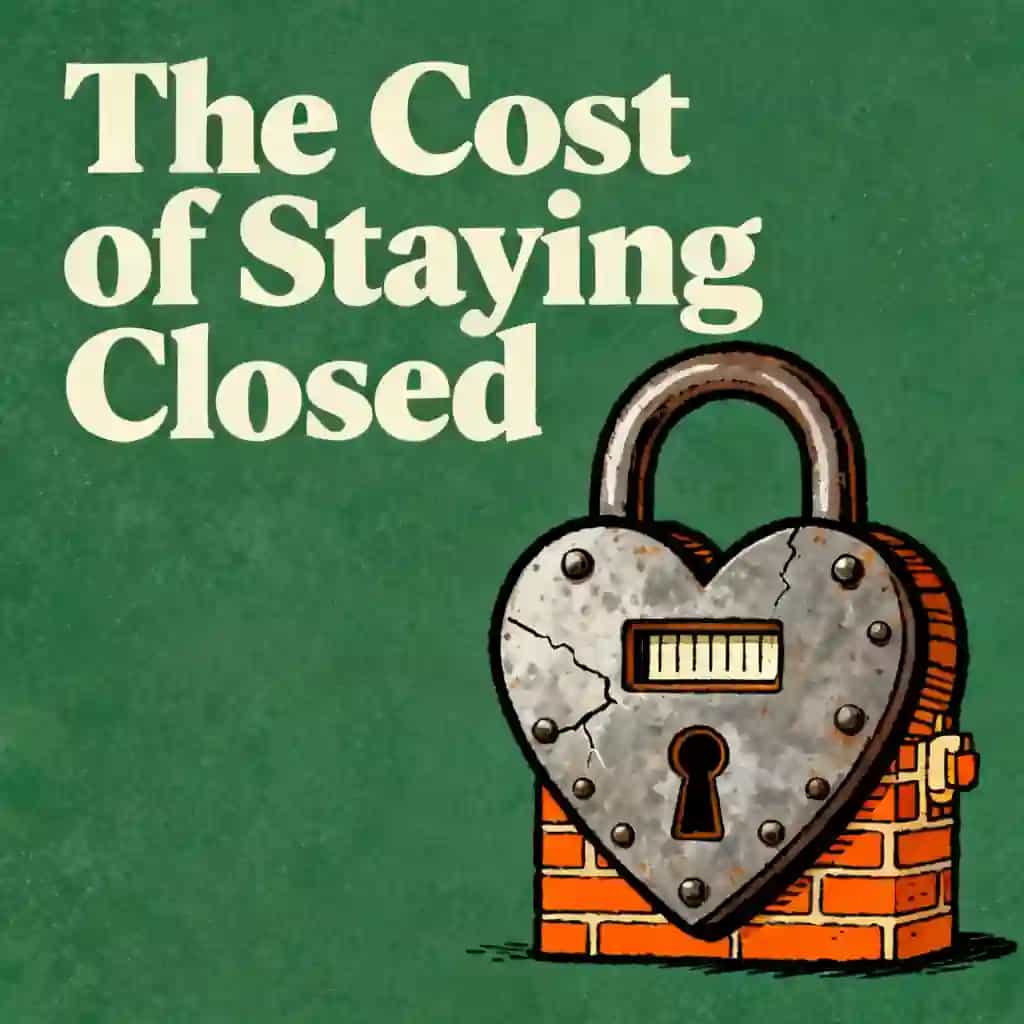
While comfort zones offer necessary stability, staying in them too long can become a trap that quietly prevents professional growth and development. This is often seen when individuals remain in the same job for years, not out of passion, but because the environment is predictable and the paycheck is steady. Over time, this risk aversion limits the ability to adapt to new challenges, making it a difficult environment for long-term career advancement.
"Instead of endless scrolling, I just hit play on BeFreed. It saves me so much time."


"I never knew where to start with nonfiction—BeFreed’s book lists turned into podcasts gave me a clear path."


"Perfect balance between learning and entertainment. Finished ‘Thinking, Fast and Slow’ on my commute this week."
"Crazy how much I learned while walking the dog. BeFreed = small habits → big gains."
"Reading used to feel like a chore. Now it’s just part of my lifestyle."

"Feels effortless compared to reading. I’ve finished 6 books this month already."
"BeFreed turned my guilty doomscrolling into something that feels productive and inspiring."

"BeFreed turned my commute into learning time. 20-min podcasts are perfect for finishing books I never had time for."
"BeFreed replaced my podcast queue. Imagine Spotify for books — that’s it. 🙌"

"It is great for me to learn something from the book without reading it."
"The themed book list podcasts help me connect ideas across authors—like a guided audio journey."
"Makes me feel smarter every time before going to work"
"Instead of endless scrolling, I just hit play on BeFreed. It saves me so much time."
"I never knew where to start with nonfiction—BeFreed’s book lists turned into podcasts gave me a clear path."
"Perfect balance between learning and entertainment. Finished ‘Thinking, Fast and Slow’ on my commute this week."
"Crazy how much I learned while walking the dog. BeFreed = small habits → big gains."
"Reading used to feel like a chore. Now it’s just part of my lifestyle."
"Feels effortless compared to reading. I’ve finished 6 books this month already."
"BeFreed turned my guilty doomscrolling into something that feels productive and inspiring."
"BeFreed turned my commute into learning time. 20-min podcasts are perfect for finishing books I never had time for."
"BeFreed replaced my podcast queue. Imagine Spotify for books — that’s it. 🙌"
"It is great for me to learn something from the book without reading it."
"The themed book list podcasts help me connect ideas across authors—like a guided audio journey."
"Makes me feel smarter every time before going to work"
"Instead of endless scrolling, I just hit play on BeFreed. It saves me so much time."
"I never knew where to start with nonfiction—BeFreed’s book lists turned into podcasts gave me a clear path."
"Perfect balance between learning and entertainment. Finished ‘Thinking, Fast and Slow’ on my commute this week."
"Crazy how much I learned while walking the dog. BeFreed = small habits → big gains."
"Reading used to feel like a chore. Now it’s just part of my lifestyle."
"Feels effortless compared to reading. I’ve finished 6 books this month already."
"BeFreed turned my guilty doomscrolling into something that feels productive and inspiring."
"BeFreed turned my commute into learning time. 20-min podcasts are perfect for finishing books I never had time for."
"BeFreed replaced my podcast queue. Imagine Spotify for books — that’s it. 🙌"
"It is great for me to learn something from the book without reading it."
"The themed book list podcasts help me connect ideas across authors—like a guided audio journey."
"Makes me feel smarter every time before going to work"
"Instead of endless scrolling, I just hit play on BeFreed. It saves me so much time."
"I never knew where to start with nonfiction—BeFreed’s book lists turned into podcasts gave me a clear path."
"Perfect balance between learning and entertainment. Finished ‘Thinking, Fast and Slow’ on my commute this week."
"Crazy how much I learned while walking the dog. BeFreed = small habits → big gains."
"Reading used to feel like a chore. Now it’s just part of my lifestyle."
"Feels effortless compared to reading. I’ve finished 6 books this month already."
"BeFreed turned my guilty doomscrolling into something that feels productive and inspiring."
"BeFreed turned my commute into learning time. 20-min podcasts are perfect for finishing books I never had time for."
"BeFreed replaced my podcast queue. Imagine Spotify for books — that’s it. 🙌"
"It is great for me to learn something from the book without reading it."
"The themed book list podcasts help me connect ideas across authors—like a guided audio journey."
"Makes me feel smarter every time before going to work"