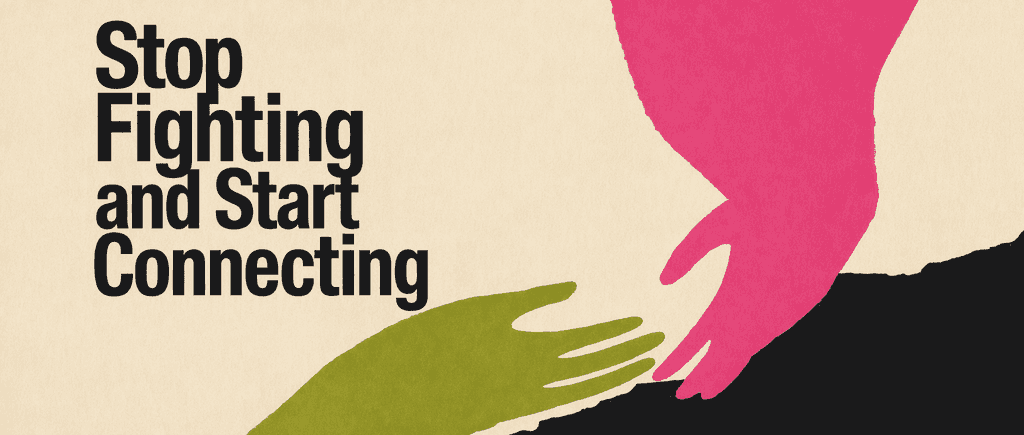
How to Persuade and Stay Calm in Tense Political Arguments
Master political persuasion and emotional regulation. Learn to lead tense arguments, stay calm, and encourage critical thinking instead of repeating tropes.

How to Persuade and Stay Calm in Tense Political Argumentsのベスト引用
The goal of a truly productive conversation isn't actually to change the other person’s mind—it’s to change how they form their beliefs in the first place.
Generated by Gregory
I’d like to create a lesson to help me in conversation specifically related to tense conversations of political arguments for persuasion keeping my Koul yet driving a conversation in the direction that I wanted to go and helping people to think clearly and actually think rather than simply repeating Tropicana lines 






よくある質問
Staying calm during heated debates requires active emotional regulation and conversational leadership. By focusing on your breathing and maintaining a neutral tone, you can prevent the situation from escalating into a shouting match. This approach allows you to remain in control of your responses, ensuring that you can think clearly and steer the dialogue toward a more productive and rational exchange of ideas.
Effective political persuasion involves moving beyond scripted talking points to engage in genuine argumentation skills. Instead of simply countering facts, use conversational leadership to guide the other person toward logical conclusions. By asking insightful questions that challenge their assumptions, you help them move past repetitive tropes and encourage them to engage in deeper critical thinking about the subject matter at hand.
To foster critical thinking, you must shift the focus from winning an argument to exploring the underlying logic of a position. Use conflict resolution strategies to create a safe space for dialogue where the other person feels heard rather than attacked. By modeling analytical behavior and asking open-ended questions, you prompt them to evaluate their own views more deeply rather than just repeating common political slogans.
Conversational leadership is the ability to direct the flow and tone of a discussion toward a specific goal. In a political context, this means using persuasion techniques to keep the conversation on track even when emotions run high. It involves recognizing when a dialogue is becoming unproductive and using specific communication strategies to bring it back to a place of mutual understanding and logical reasoning.
"Instead of endless scrolling, I just hit play on BeFreed. It saves me so much time."


"I never knew where to start with nonfiction—BeFreed’s book lists turned into podcasts gave me a clear path."


"Perfect balance between learning and entertainment. Finished ‘Thinking, Fast and Slow’ on my commute this week."
"Crazy how much I learned while walking the dog. BeFreed = small habits → big gains."
"Reading used to feel like a chore. Now it’s just part of my lifestyle."

"Feels effortless compared to reading. I’ve finished 6 books this month already."
"BeFreed turned my guilty doomscrolling into something that feels productive and inspiring."

"BeFreed turned my commute into learning time. 20-min podcasts are perfect for finishing books I never had time for."
"BeFreed replaced my podcast queue. Imagine Spotify for books — that’s it. 🙌"

"It is great for me to learn something from the book without reading it."
"The themed book list podcasts help me connect ideas across authors—like a guided audio journey."
"Makes me feel smarter every time before going to work"
"Instead of endless scrolling, I just hit play on BeFreed. It saves me so much time."
"I never knew where to start with nonfiction—BeFreed’s book lists turned into podcasts gave me a clear path."
"Perfect balance between learning and entertainment. Finished ‘Thinking, Fast and Slow’ on my commute this week."
"Crazy how much I learned while walking the dog. BeFreed = small habits → big gains."
"Reading used to feel like a chore. Now it’s just part of my lifestyle."
"Feels effortless compared to reading. I’ve finished 6 books this month already."
"BeFreed turned my guilty doomscrolling into something that feels productive and inspiring."
"BeFreed turned my commute into learning time. 20-min podcasts are perfect for finishing books I never had time for."
"BeFreed replaced my podcast queue. Imagine Spotify for books — that’s it. 🙌"
"It is great for me to learn something from the book without reading it."
"The themed book list podcasts help me connect ideas across authors—like a guided audio journey."
"Makes me feel smarter every time before going to work"
"Instead of endless scrolling, I just hit play on BeFreed. It saves me so much time."
"I never knew where to start with nonfiction—BeFreed’s book lists turned into podcasts gave me a clear path."
"Perfect balance between learning and entertainment. Finished ‘Thinking, Fast and Slow’ on my commute this week."
"Crazy how much I learned while walking the dog. BeFreed = small habits → big gains."
"Reading used to feel like a chore. Now it’s just part of my lifestyle."
"Feels effortless compared to reading. I’ve finished 6 books this month already."
"BeFreed turned my guilty doomscrolling into something that feels productive and inspiring."
"BeFreed turned my commute into learning time. 20-min podcasts are perfect for finishing books I never had time for."
"BeFreed replaced my podcast queue. Imagine Spotify for books — that’s it. 🙌"
"It is great for me to learn something from the book without reading it."
"The themed book list podcasts help me connect ideas across authors—like a guided audio journey."
"Makes me feel smarter every time before going to work"
"Instead of endless scrolling, I just hit play on BeFreed. It saves me so much time."
"I never knew where to start with nonfiction—BeFreed’s book lists turned into podcasts gave me a clear path."
"Perfect balance between learning and entertainment. Finished ‘Thinking, Fast and Slow’ on my commute this week."
"Crazy how much I learned while walking the dog. BeFreed = small habits → big gains."
"Reading used to feel like a chore. Now it’s just part of my lifestyle."
"Feels effortless compared to reading. I’ve finished 6 books this month already."
"BeFreed turned my guilty doomscrolling into something that feels productive and inspiring."
"BeFreed turned my commute into learning time. 20-min podcasts are perfect for finishing books I never had time for."
"BeFreed replaced my podcast queue. Imagine Spotify for books — that’s it. 🙌"
"It is great for me to learn something from the book without reading it."
"The themed book list podcasts help me connect ideas across authors—like a guided audio journey."
"Makes me feel smarter every time before going to work"