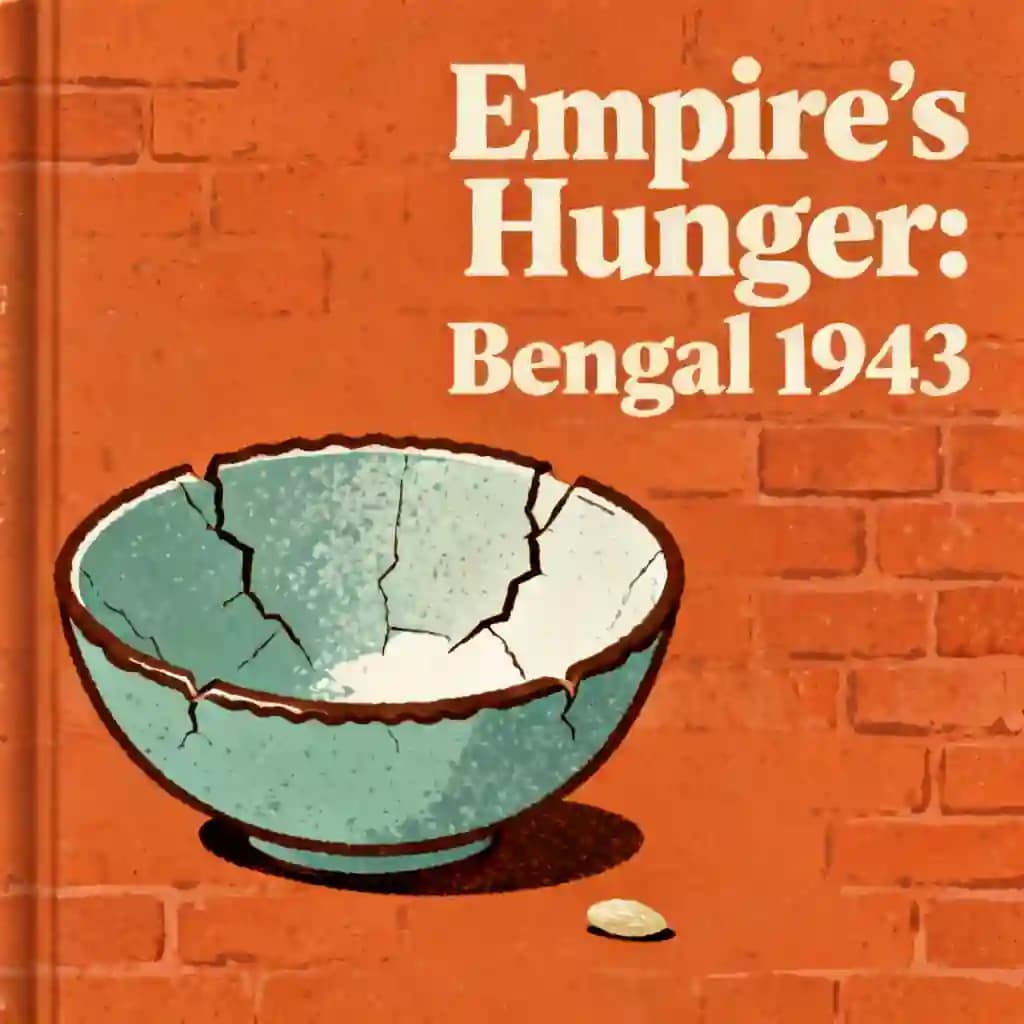
The 1943 Bengal Famine: WWII History and Economic Collapse
Explore the 1943 Bengal Famine, a devastating collapse during WWII. Learn about the rice economy, the Japanese invasion of Burma, and the staggering death toll.
The 1943 Bengal Famine: WWII History and Economic Collapseのベスト引用
A famine isn't always about a 'barren earth.' Sometimes it's about a broken system that allows food to become a luxury item, where wartime priorities and economic failures push the most vulnerable over the brink.
Generated by Jacob
The famin of bengal






よくある質問
The 1943 Bengal Famine was caused by a perfect storm of catastrophes during World War II. A critical factor was the Japanese invasion of Burma and the fall of Rangoon in March 1942, which instantly stopped vital rice imports to India. This disruption, combined with a vulnerable population already living in semi-starved conditions and a massive spike in rice prices, led to a total collapse of the society and its rice-dependent economy.
The death toll of the 1943 Bengal Famine is staggering and remains a subject of historical study. Estimates of the total number of people who lost their lives range from 0.8 million to as high as 3.8 million. These numbers reflect the massive scale of the tragedy, which rewrote the destiny of millions of people in Bengal during the height of the global conflict.
In 1943, rice was the foundation of Bengal's entire economy and the primary source of survival for its people. Approximately 88% of the arable land was dedicated to rice cultivation, and it accounted for 75% to 85% of the daily diet. Because the population relied so heavily on this single crop, any disruption to production or imports caused the entire social and economic structure to fall apart like a house of cards.
The fall of Rangoon in March 1942 was a turning point that shattered stability in the region. Burma was a major source of rice imports for India, and when the Japanese invasion forced these imports to stop, it triggered immediate panic. Even before the supply was cut off, rice prices had already risen 69% compared to pre-war levels, pushing a rural population that was already living on the edge into a state of total famine.
"Instead of endless scrolling, I just hit play on BeFreed. It saves me so much time."


"I never knew where to start with nonfiction—BeFreed’s book lists turned into podcasts gave me a clear path."


"Perfect balance between learning and entertainment. Finished ‘Thinking, Fast and Slow’ on my commute this week."
"Crazy how much I learned while walking the dog. BeFreed = small habits → big gains."
"Reading used to feel like a chore. Now it’s just part of my lifestyle."

"Feels effortless compared to reading. I’ve finished 6 books this month already."
"BeFreed turned my guilty doomscrolling into something that feels productive and inspiring."

"BeFreed turned my commute into learning time. 20-min podcasts are perfect for finishing books I never had time for."
"BeFreed replaced my podcast queue. Imagine Spotify for books — that’s it. 🙌"

"It is great for me to learn something from the book without reading it."
"The themed book list podcasts help me connect ideas across authors—like a guided audio journey."
"Makes me feel smarter every time before going to work"
"Instead of endless scrolling, I just hit play on BeFreed. It saves me so much time."
"I never knew where to start with nonfiction—BeFreed’s book lists turned into podcasts gave me a clear path."
"Perfect balance between learning and entertainment. Finished ‘Thinking, Fast and Slow’ on my commute this week."
"Crazy how much I learned while walking the dog. BeFreed = small habits → big gains."
"Reading used to feel like a chore. Now it’s just part of my lifestyle."
"Feels effortless compared to reading. I’ve finished 6 books this month already."
"BeFreed turned my guilty doomscrolling into something that feels productive and inspiring."
"BeFreed turned my commute into learning time. 20-min podcasts are perfect for finishing books I never had time for."
"BeFreed replaced my podcast queue. Imagine Spotify for books — that’s it. 🙌"
"It is great for me to learn something from the book without reading it."
"The themed book list podcasts help me connect ideas across authors—like a guided audio journey."
"Makes me feel smarter every time before going to work"
"Instead of endless scrolling, I just hit play on BeFreed. It saves me so much time."
"I never knew where to start with nonfiction—BeFreed’s book lists turned into podcasts gave me a clear path."
"Perfect balance between learning and entertainment. Finished ‘Thinking, Fast and Slow’ on my commute this week."
"Crazy how much I learned while walking the dog. BeFreed = small habits → big gains."
"Reading used to feel like a chore. Now it’s just part of my lifestyle."
"Feels effortless compared to reading. I’ve finished 6 books this month already."
"BeFreed turned my guilty doomscrolling into something that feels productive and inspiring."
"BeFreed turned my commute into learning time. 20-min podcasts are perfect for finishing books I never had time for."
"BeFreed replaced my podcast queue. Imagine Spotify for books — that’s it. 🙌"
"It is great for me to learn something from the book without reading it."
"The themed book list podcasts help me connect ideas across authors—like a guided audio journey."
"Makes me feel smarter every time before going to work"
"Instead of endless scrolling, I just hit play on BeFreed. It saves me so much time."
"I never knew where to start with nonfiction—BeFreed’s book lists turned into podcasts gave me a clear path."
"Perfect balance between learning and entertainment. Finished ‘Thinking, Fast and Slow’ on my commute this week."
"Crazy how much I learned while walking the dog. BeFreed = small habits → big gains."
"Reading used to feel like a chore. Now it’s just part of my lifestyle."
"Feels effortless compared to reading. I’ve finished 6 books this month already."
"BeFreed turned my guilty doomscrolling into something that feels productive and inspiring."
"BeFreed turned my commute into learning time. 20-min podcasts are perfect for finishing books I never had time for."
"BeFreed replaced my podcast queue. Imagine Spotify for books — that’s it. 🙌"
"It is great for me to learn something from the book without reading it."
"The themed book list podcasts help me connect ideas across authors—like a guided audio journey."
"Makes me feel smarter every time before going to work"