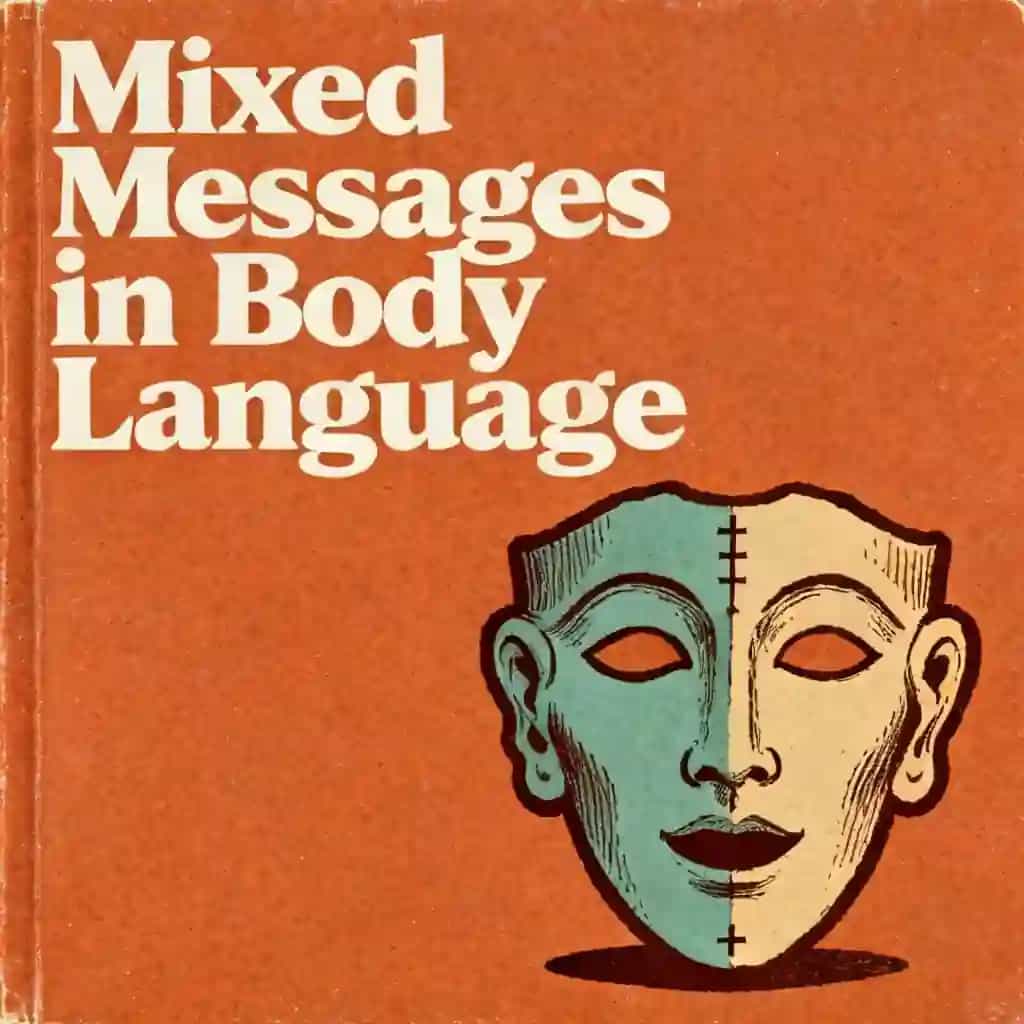
Teacher communication is more than just words
When lessons fall flat, the problem is often non-verbal. Learn how to align your body language and tone to build a more inclusive, connected classroom.

Teacher communication is more than just wordsのベスト引用
We are often teaching two lessons at once—the one on the whiteboard and the one we’re broadcasting through our presence. Communication isn't a one-way street; it’s an exchange that thrives on moving from being an expert to being a co-explorer.
Generated by Karen
Teaching Communications

よくある質問
The gap-filler trap refers to the tendency of educators to treat cultural content as an optional "sprinkle" or a secondary addition to the lesson rather than a core component. Because of systemic pressures like standardized testing and tight curricula, teachers often prioritize measurable data like vocabulary and grammar drills. Consequently, meaningful intercultural communication is often pushed to the background or only addressed if there is extra time at the end of a lesson.
A vignette is a short story about a fictional teacher that acts as a "gentle mirror" for educators to reflect on their own habits. This approach is less threatening than direct observation or filming because it allows teachers to identify blind spots and mistakes in a hypothetical scenario first. By analyzing why a fictional character struggled—such as retreating to familiar cultural topics when feeling vulnerable—teachers can recognize and correct similar patterns in their own professional practice.
Student resistance often stems from "survival mode" caused by high-stakes examination systems. When students are under intense pressure to pass proficiency exams, they may view cultural exploration as a distraction from the specific material that will be tested. Additionally, if a teacher shares personal cultural anecdotes without first creating a "familiar hook" or explaining the pedagogical goal, students may perceive the stories as irrelevant "showing off" rather than valuable learning opportunities.
Cooperative learning shifts the classroom dynamic from a "sage on the stage" model to one of "positive interdependence," where students are responsible for working together to solve problems. Research mentioned in the script indicates that this method leads to a statistically significant jump in learning outcomes and more positive attitudes toward the subject. It allows students to practice essential "soft skills" like empathy and conflict resolution, which are necessary for long-term professional competence in the real world.
Teachers can move from being an "expert" to a "co-explorer" by being honest when they do not have all the answers. Instead of pivoting back to familiar territory, a teacher can model curiosity by researching a topic alongside their students. Using tools like videos, photographs, and "compare and contrast" exercises allows teachers to facilitate cultural discovery without needing to be a walking encyclopedia, effectively building trust and showing that the language belongs to the whole world.
コロンビア大学卒業生がサンフランシスコで開発
"Instead of endless scrolling, I just hit play on BeFreed. It saves me so much time."


"I never knew where to start with nonfiction—BeFreed’s book lists turned into podcasts gave me a clear path."


"Perfect balance between learning and entertainment. Finished ‘Thinking, Fast and Slow’ on my commute this week."
"Crazy how much I learned while walking the dog. BeFreed = small habits → big gains."
"Reading used to feel like a chore. Now it’s just part of my lifestyle."

"Feels effortless compared to reading. I’ve finished 6 books this month already."
"BeFreed turned my guilty doomscrolling into something that feels productive and inspiring."

"BeFreed turned my commute into learning time. 20-min podcasts are perfect for finishing books I never had time for."
"BeFreed replaced my podcast queue. Imagine Spotify for books — that’s it. 🙌"

"It is great for me to learn something from the book without reading it."
"The themed book list podcasts help me connect ideas across authors—like a guided audio journey."
"Makes me feel smarter every time before going to work"
 Ask ChatGPT
 Ask Claude
コロンビア大学卒業生がサンフランシスコで開発
"Instead of endless scrolling, I just hit play on BeFreed. It saves me so much time."
"I never knew where to start with nonfiction—BeFreed’s book lists turned into podcasts gave me a clear path."
"Perfect balance between learning and entertainment. Finished ‘Thinking, Fast and Slow’ on my commute this week."
"Crazy how much I learned while walking the dog. BeFreed = small habits → big gains."
"Reading used to feel like a chore. Now it’s just part of my lifestyle."
"Feels effortless compared to reading. I’ve finished 6 books this month already."
"BeFreed turned my guilty doomscrolling into something that feels productive and inspiring."
"BeFreed turned my commute into learning time. 20-min podcasts are perfect for finishing books I never had time for."
"BeFreed replaced my podcast queue. Imagine Spotify for books — that’s it. 🙌"
"It is great for me to learn something from the book without reading it."
"The themed book list podcasts help me connect ideas across authors—like a guided audio journey."
"Makes me feel smarter every time before going to work"
"Instead of endless scrolling, I just hit play on BeFreed. It saves me so much time."
"I never knew where to start with nonfiction—BeFreed’s book lists turned into podcasts gave me a clear path."
"Perfect balance between learning and entertainment. Finished ‘Thinking, Fast and Slow’ on my commute this week."
"Crazy how much I learned while walking the dog. BeFreed = small habits → big gains."
"Reading used to feel like a chore. Now it’s just part of my lifestyle."
"Feels effortless compared to reading. I’ve finished 6 books this month already."
"BeFreed turned my guilty doomscrolling into something that feels productive and inspiring."
"BeFreed turned my commute into learning time. 20-min podcasts are perfect for finishing books I never had time for."
"BeFreed replaced my podcast queue. Imagine Spotify for books — that’s it. 🙌"
"It is great for me to learn something from the book without reading it."
"The themed book list podcasts help me connect ideas across authors—like a guided audio journey."
"Makes me feel smarter every time before going to work"
"Instead of endless scrolling, I just hit play on BeFreed. It saves me so much time."
"I never knew where to start with nonfiction—BeFreed’s book lists turned into podcasts gave me a clear path."
"Perfect balance between learning and entertainment. Finished ‘Thinking, Fast and Slow’ on my commute this week."
"Crazy how much I learned while walking the dog. BeFreed = small habits → big gains."
"Reading used to feel like a chore. Now it’s just part of my lifestyle."
"Feels effortless compared to reading. I’ve finished 6 books this month already."
"BeFreed turned my guilty doomscrolling into something that feels productive and inspiring."
"BeFreed turned my commute into learning time. 20-min podcasts are perfect for finishing books I never had time for."
"BeFreed replaced my podcast queue. Imagine Spotify for books — that’s it. 🙌"
"It is great for me to learn something from the book without reading it."
"The themed book list podcasts help me connect ideas across authors—like a guided audio journey."
"Makes me feel smarter every time before going to work"