Talking about your feelings without the brave face
Hiding your true emotions is exhausting and creates distance. Learn how to build emotional safety and share your vulnerability to deepen your connections.

Talking about your feelings without the brave faceのベスト引用
Emotional safety isn't just feeling comfortable; it’s a sophisticated state where your nervous system feels regulated enough to be authentic—a psychological safety zone where you can show your flaws and fears and know you’ll be met with respect instead of punishment.
Generated by Bri
How to talk about my feelings. Trusting someone enough to tell them everything.

よくある質問
Neuroception is a process where our nervous system constantly scans our environment for cues of safety or threat before we even consciously process them. According to Polyvagal Theory, if our system detects a "threat"—such as a dismissive tone, a cold look, or someone checking their phone—it can physically shut down our social engagement system. This creates a "lump in the throat" feeling that makes sharing honest emotions feel physically impossible, regardless of how much we might want to speak.
The script distinguishes these using the "broccoli vs. bruise" metaphor. Surface sharing involves personal information that does not impact your self-worth, such as stating a dislike for a certain food; if someone disagrees or laughs, you do not feel rejected. Deep vulnerability, or "bruise level" sharing, involves revealing sensitive internal states like fears of failure or feelings of invisibility. This level of sharing is the emotional equivalent of being naked, as you are showing someone exactly where you are hurt and trusting them not to poke it.
A common mistake is using "stealth attacks," such as saying "I feel like you’re being a jerk," which is actually a judgment rather than a feeling. To be effective, an "I feel" statement must focus entirely on one's own internal experience, such as "I feel lonely" or "I feel insecure." By owning the emotion rather than blaming the other person's behavior, you provide an invitation for empathy rather than a prompt for a factual argument or a defensive counter-attack.
Psychological safety is built on four key foundations: Predictable Responsiveness, Non-Judgmental Curiosity, Emotional Validation, and Collaborative Repair. Predictable Responsiveness involves consistently showing up for a partner's emotional needs, while Non-Judgmental Curiosity replaces "why" questions with invitations to understand the other's perspective. Emotional Validation acknowledges the other person's reality without necessarily needing to agree with it. Finally, Collaborative Repair ensures there is a reliable process for coming back together and apologizing after the inevitable conflicts or "ruptures" occur.
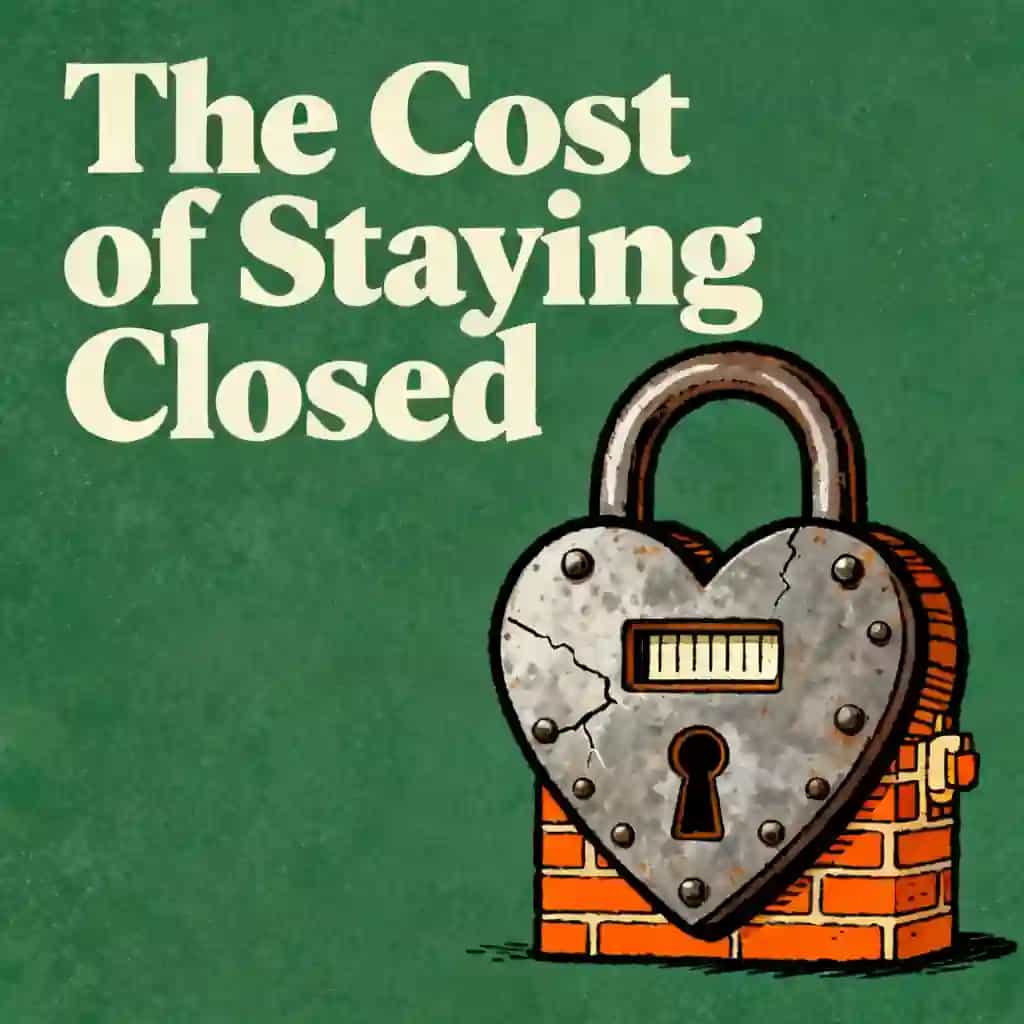
While being "low-maintenance" or fiercely independent might feel like a way to protect a relationship, the script describes it as a form of "self-erasure" and a "fortress" that leads to emotional isolation. Emotions are considered the "currency of intimacy," and withholding them starves the relationship of the depth it needs to thrive. Real emotional maturity involves moving toward interdependence—the bravery to admit when you need support—rather than maintaining a "brave face" that keeps others at a distance.
"Instead of endless scrolling, I just hit play on BeFreed. It saves me so much time."


"I never knew where to start with nonfiction—BeFreed’s book lists turned into podcasts gave me a clear path."


"Perfect balance between learning and entertainment. Finished ‘Thinking, Fast and Slow’ on my commute this week."
"Crazy how much I learned while walking the dog. BeFreed = small habits → big gains."
"Reading used to feel like a chore. Now it’s just part of my lifestyle."

"Feels effortless compared to reading. I’ve finished 6 books this month already."
"BeFreed turned my guilty doomscrolling into something that feels productive and inspiring."

"BeFreed turned my commute into learning time. 20-min podcasts are perfect for finishing books I never had time for."
"BeFreed replaced my podcast queue. Imagine Spotify for books — that’s it. 🙌"

"It is great for me to learn something from the book without reading it."
"The themed book list podcasts help me connect ideas across authors—like a guided audio journey."
"Makes me feel smarter every time before going to work"
"Instead of endless scrolling, I just hit play on BeFreed. It saves me so much time."
"I never knew where to start with nonfiction—BeFreed’s book lists turned into podcasts gave me a clear path."
"Perfect balance between learning and entertainment. Finished ‘Thinking, Fast and Slow’ on my commute this week."
"Crazy how much I learned while walking the dog. BeFreed = small habits → big gains."
"Reading used to feel like a chore. Now it’s just part of my lifestyle."
"Feels effortless compared to reading. I’ve finished 6 books this month already."
"BeFreed turned my guilty doomscrolling into something that feels productive and inspiring."
"BeFreed turned my commute into learning time. 20-min podcasts are perfect for finishing books I never had time for."
"BeFreed replaced my podcast queue. Imagine Spotify for books — that’s it. 🙌"
"It is great for me to learn something from the book without reading it."
"The themed book list podcasts help me connect ideas across authors—like a guided audio journey."
"Makes me feel smarter every time before going to work"
"Instead of endless scrolling, I just hit play on BeFreed. It saves me so much time."
"I never knew where to start with nonfiction—BeFreed’s book lists turned into podcasts gave me a clear path."
"Perfect balance between learning and entertainment. Finished ‘Thinking, Fast and Slow’ on my commute this week."
"Crazy how much I learned while walking the dog. BeFreed = small habits → big gains."
"Reading used to feel like a chore. Now it’s just part of my lifestyle."
"Feels effortless compared to reading. I’ve finished 6 books this month already."
"BeFreed turned my guilty doomscrolling into something that feels productive and inspiring."
"BeFreed turned my commute into learning time. 20-min podcasts are perfect for finishing books I never had time for."
"BeFreed replaced my podcast queue. Imagine Spotify for books — that’s it. 🙌"
"It is great for me to learn something from the book without reading it."
"The themed book list podcasts help me connect ideas across authors—like a guided audio journey."
"Makes me feel smarter every time before going to work"
"Instead of endless scrolling, I just hit play on BeFreed. It saves me so much time."
"I never knew where to start with nonfiction—BeFreed’s book lists turned into podcasts gave me a clear path."
"Perfect balance between learning and entertainment. Finished ‘Thinking, Fast and Slow’ on my commute this week."
"Crazy how much I learned while walking the dog. BeFreed = small habits → big gains."
"Reading used to feel like a chore. Now it’s just part of my lifestyle."
"Feels effortless compared to reading. I’ve finished 6 books this month already."
"BeFreed turned my guilty doomscrolling into something that feels productive and inspiring."
"BeFreed turned my commute into learning time. 20-min podcasts are perfect for finishing books I never had time for."
"BeFreed replaced my podcast queue. Imagine Spotify for books — that’s it. 🙌"
"It is great for me to learn something from the book without reading it."
"The themed book list podcasts help me connect ideas across authors—like a guided audio journey."
"Makes me feel smarter every time before going to work"