Optimizing Retention: Forgetting Curve and Spaced Repetition Schedules
Learn how to use the forgetting curve and spaced repetition schedules to master Richard Mayer’s multimedia learning principles and boost long-term memory retention.

Optimizing Retention: Forgetting Curve and Spaced Repetition Schedulesのベスト引用
Memory isn't a 'thing' you have; it’s a 'process' you do. The forgetting curve isn't a curse; it’s actually a filter—our brain’s way of asking us, 'Are you sure this is important?'
Generated by Adam Bair
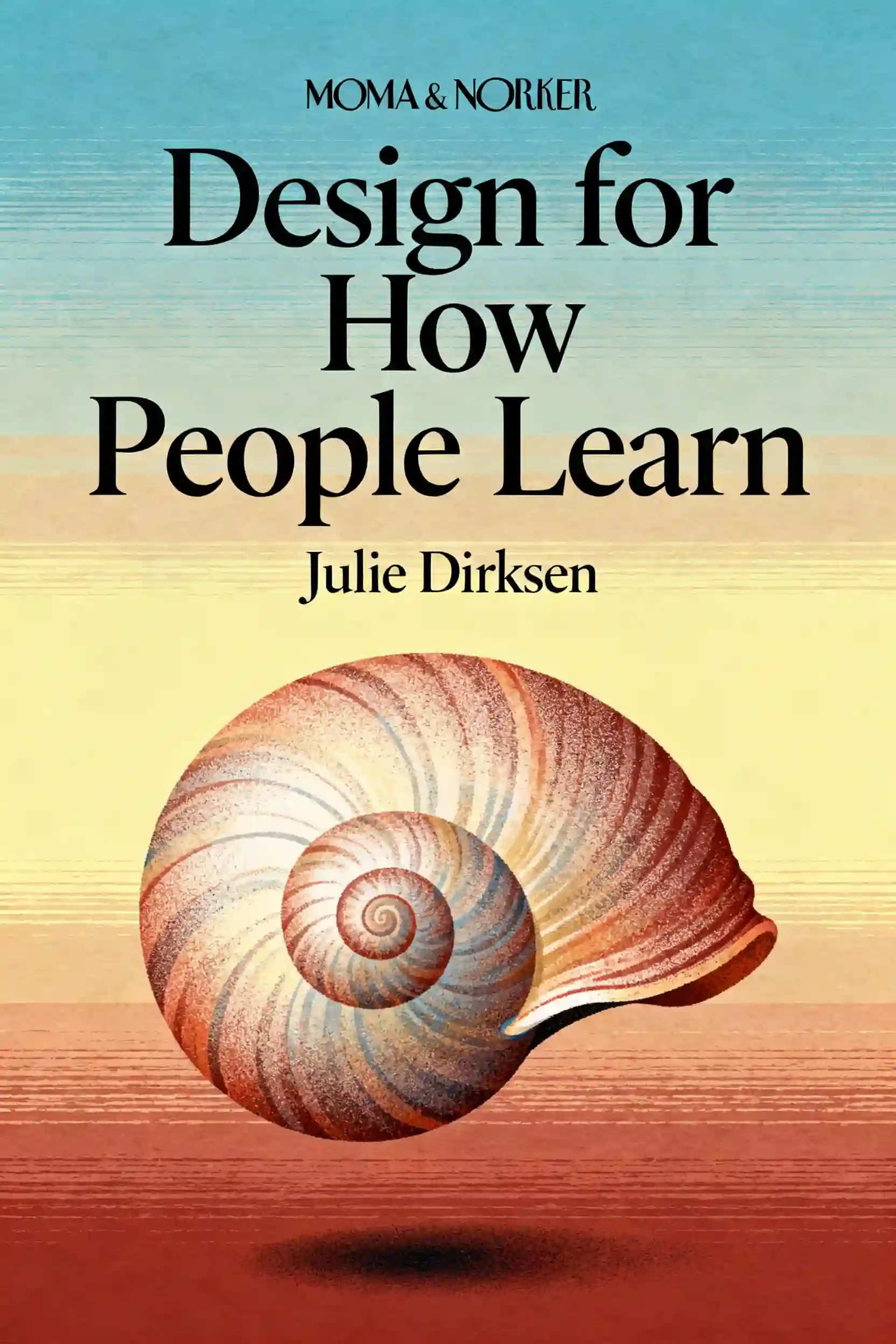
I want to learn about the forgetting curve and What is the optimal schedule to review new information that I learn with regard to the forgetting curve to optimize retention? For example, right now I'm learning the principles of multimedia learning from Richard Mayer in the book and I'm learning useful principles. I want to know how often I should review these principles to get them into my long-term memory permanently? Is there a form of review which is most beneficial?

よくある質問
The forgetting curve is a concept in learning science that illustrates how information is lost over time when there is no attempt to retain it. It suggests that memory strength declines rapidly after initial learning. By understanding this curve, you can intervene at the right moments to reinforce knowledge, such as Richard Mayer’s multimedia learning principles, ensuring that the information transitions from short-term memory into stable, long-term memory retention.
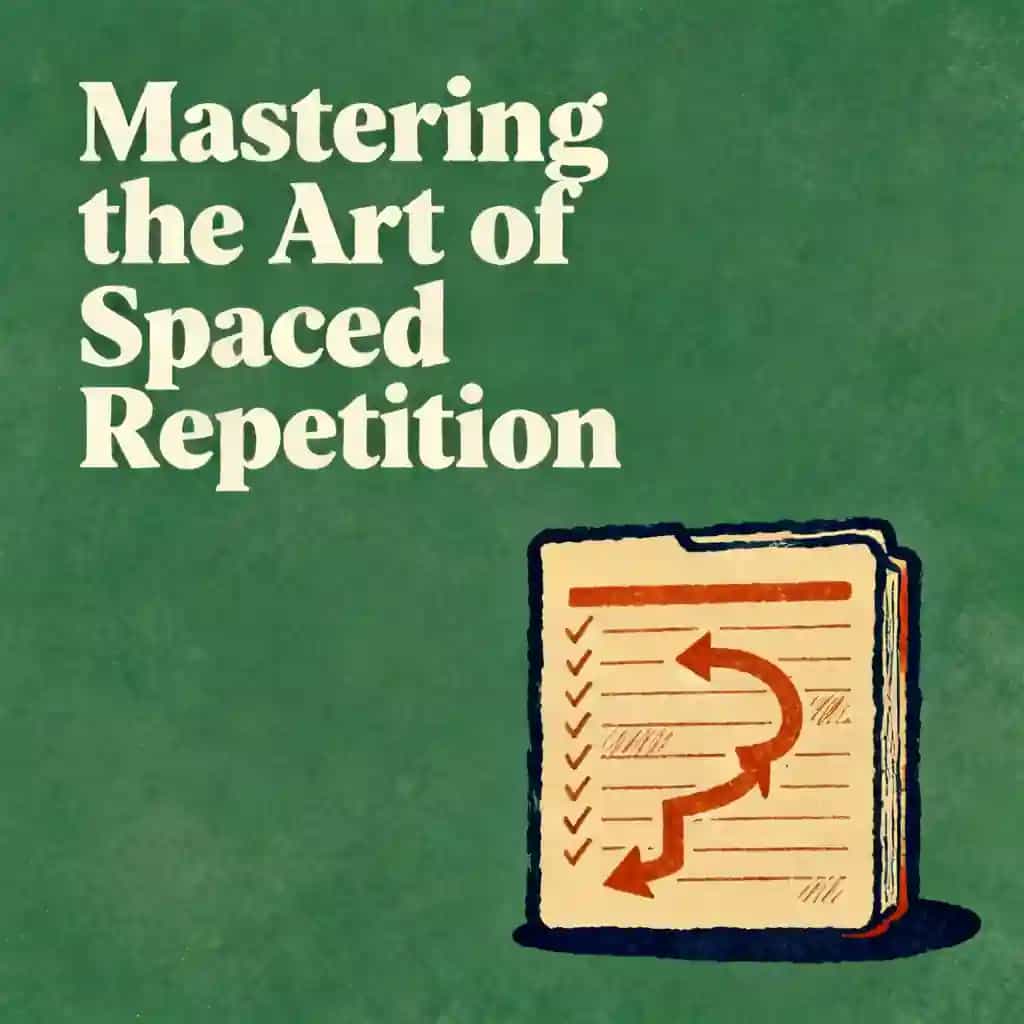
An optimal spaced repetition schedule involves reviewing material at increasing intervals to combat the forgetting curve. For complex topics like multimedia learning, a common schedule includes a first review within 24 hours, followed by reviews at three days, one week, and one month. These optimal review intervals are designed to challenge the brain just as it is about to forget, which significantly strengthens neural pathways and improves your ability to recall information permanently.
The most beneficial form of review is active recall, which involves testing yourself rather than passively re-reading notes. When applying this to Richard Mayer’s principles, you should try to explain the concepts from memory or apply them to a design problem. Combining active recall with a spaced repetition schedule forces the brain to retrieve information, which is a much more effective strategy for securing long-term memory retention than passive study methods.
"Instead of endless scrolling, I just hit play on BeFreed. It saves me so much time."


"I never knew where to start with nonfiction—BeFreed’s book lists turned into podcasts gave me a clear path."


"Perfect balance between learning and entertainment. Finished ‘Thinking, Fast and Slow’ on my commute this week."
"Crazy how much I learned while walking the dog. BeFreed = small habits → big gains."
"Reading used to feel like a chore. Now it’s just part of my lifestyle."

"Feels effortless compared to reading. I’ve finished 6 books this month already."
"BeFreed turned my guilty doomscrolling into something that feels productive and inspiring."

"BeFreed turned my commute into learning time. 20-min podcasts are perfect for finishing books I never had time for."
"BeFreed replaced my podcast queue. Imagine Spotify for books — that’s it. 🙌"

"It is great for me to learn something from the book without reading it."
"The themed book list podcasts help me connect ideas across authors—like a guided audio journey."
"Makes me feel smarter every time before going to work"
"Instead of endless scrolling, I just hit play on BeFreed. It saves me so much time."
"I never knew where to start with nonfiction—BeFreed’s book lists turned into podcasts gave me a clear path."
"Perfect balance between learning and entertainment. Finished ‘Thinking, Fast and Slow’ on my commute this week."
"Crazy how much I learned while walking the dog. BeFreed = small habits → big gains."
"Reading used to feel like a chore. Now it’s just part of my lifestyle."
"Feels effortless compared to reading. I’ve finished 6 books this month already."
"BeFreed turned my guilty doomscrolling into something that feels productive and inspiring."
"BeFreed turned my commute into learning time. 20-min podcasts are perfect for finishing books I never had time for."
"BeFreed replaced my podcast queue. Imagine Spotify for books — that’s it. 🙌"
"It is great for me to learn something from the book without reading it."
"The themed book list podcasts help me connect ideas across authors—like a guided audio journey."
"Makes me feel smarter every time before going to work"
"Instead of endless scrolling, I just hit play on BeFreed. It saves me so much time."
"I never knew where to start with nonfiction—BeFreed’s book lists turned into podcasts gave me a clear path."
"Perfect balance between learning and entertainment. Finished ‘Thinking, Fast and Slow’ on my commute this week."
"Crazy how much I learned while walking the dog. BeFreed = small habits → big gains."
"Reading used to feel like a chore. Now it’s just part of my lifestyle."
"Feels effortless compared to reading. I’ve finished 6 books this month already."
"BeFreed turned my guilty doomscrolling into something that feels productive and inspiring."
"BeFreed turned my commute into learning time. 20-min podcasts are perfect for finishing books I never had time for."
"BeFreed replaced my podcast queue. Imagine Spotify for books — that’s it. 🙌"
"It is great for me to learn something from the book without reading it."
"The themed book list podcasts help me connect ideas across authors—like a guided audio journey."
"Makes me feel smarter every time before going to work"
"Instead of endless scrolling, I just hit play on BeFreed. It saves me so much time."
"I never knew where to start with nonfiction—BeFreed’s book lists turned into podcasts gave me a clear path."
"Perfect balance between learning and entertainment. Finished ‘Thinking, Fast and Slow’ on my commute this week."
"Crazy how much I learned while walking the dog. BeFreed = small habits → big gains."
"Reading used to feel like a chore. Now it’s just part of my lifestyle."
"Feels effortless compared to reading. I’ve finished 6 books this month already."
"BeFreed turned my guilty doomscrolling into something that feels productive and inspiring."
"BeFreed turned my commute into learning time. 20-min podcasts are perfect for finishing books I never had time for."
"BeFreed replaced my podcast queue. Imagine Spotify for books — that’s it. 🙌"
"It is great for me to learn something from the book without reading it."
"The themed book list podcasts help me connect ideas across authors—like a guided audio journey."
"Makes me feel smarter every time before going to work"

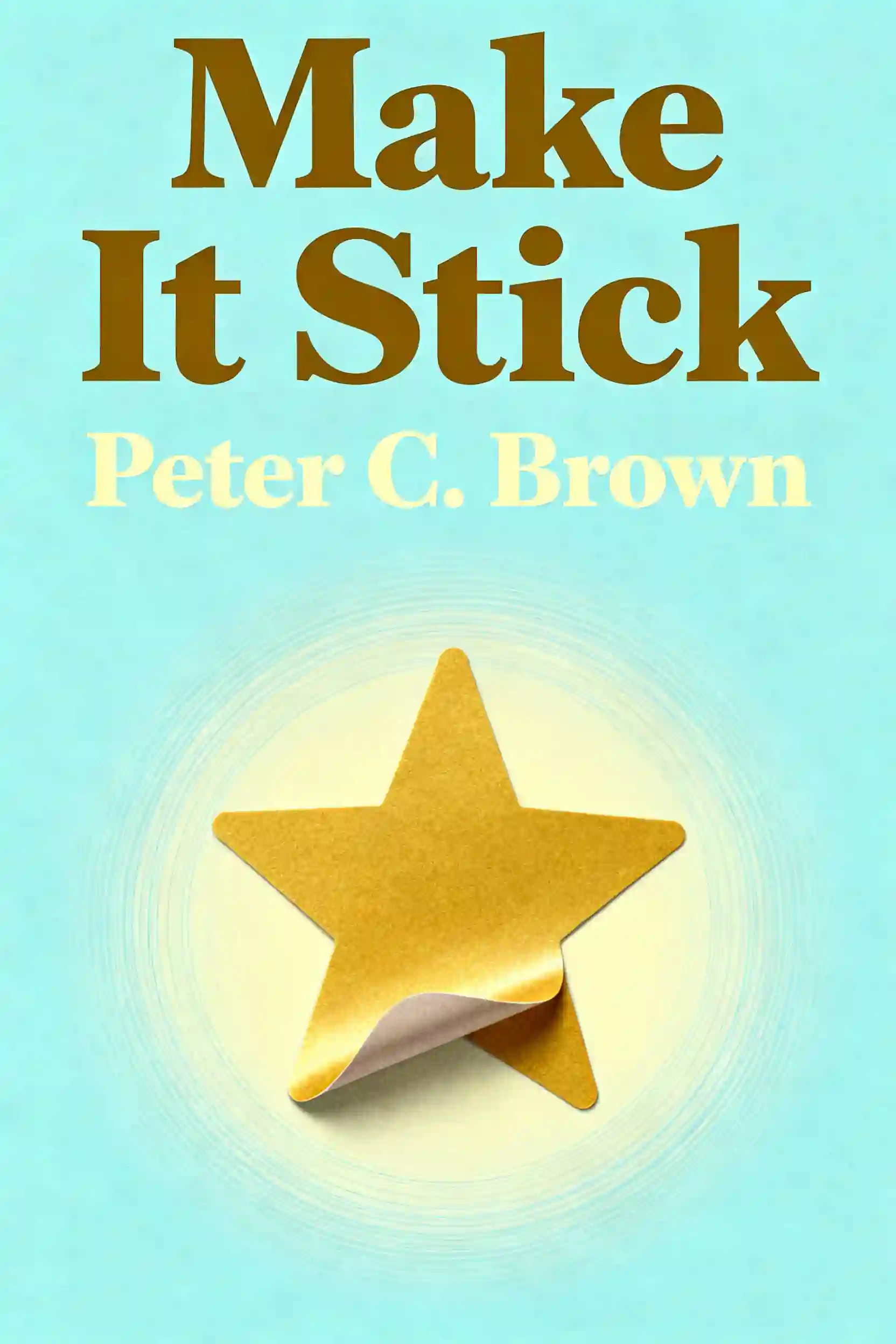
![MAKE IT STICK , BROWN, PETER C. [Hardcover] HARVARD UNIVERSITY PRESS](/_next/image?url=https%3A%2F%2Fd3lvzgn0lx7rb2.cloudfront.net%2Fcovers%2Fa3c49b6b-abd7-4c1b-afb2-09b323ee76c0%2Fimage_resized.webp&w=1024&q=50)