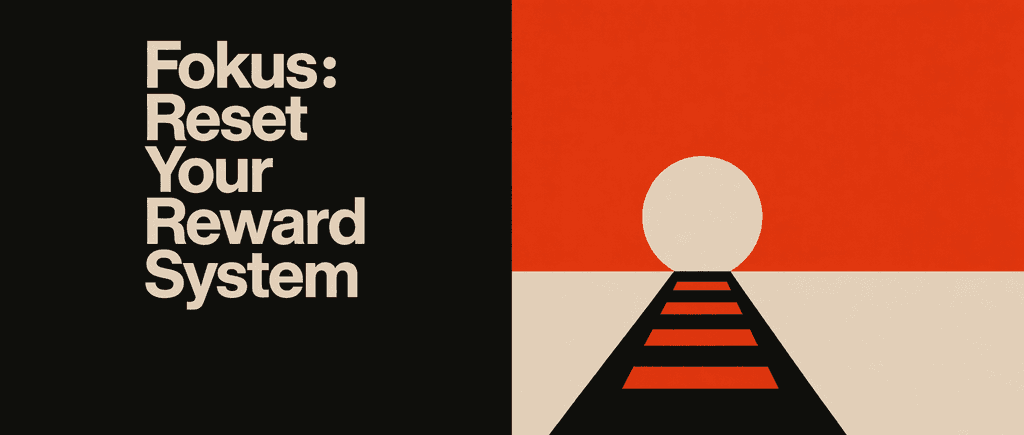
Stop the Binge: Breaking the Boredom-Eating Cycle
Discover why your brain confuses understimulation with hunger and learn science-backed 'circuit breakers' to reclaim control from stress-induced cravings.

Stop the Binge: Breaking the Boredom-Eating Cycleのベスト引用
You are not just fighting a 'bad habit'—you are fighting a neurobiological cascade that is trying to protect you from stress in the most inefficient way possible.
Generated by Dale
Stop over eating cause of stress and boredom

よくある質問
These cravings are driven by a combination of hormonal signals and sensory needs. When you are under chronic stress, your adrenal glands release cortisol, a hormone that acts as an appetite stimulant specifically targeting "hyperpalatable" foods high in sugar and fat to provide quick energy. On the other hand, cravings for crunchy or hard textures are often a physical response to frustration or anger. The act of crunching helps release muscular tension that builds up in the jaw when emotions are suppressed, providing a physical sense of relief.
Dietary restraint, such as banning specific food groups or strict calorie counting, increases your psychological stress and makes unhealthy comfort foods feel more valuable. When you tell yourself you "can't" have a certain food, your brain enters a state of hedonic eating where it chases the pleasure of that forbidden item. When a stressful event eventually occurs, your brain views your strict diet rules as an exhausting burden, leading to a loss of control and a binge episode because you have become disconnected from your body's natural hunger and fullness signals.
HALT is a mindfulness "circuit breaker" that stands for Hungry, Angry, Lonely, or Tired. Before reaching for food, you pause to ask yourself if you are feeling any of these four states. If you are not physically hungry—meaning your stomach isn't rumbling and you ate recently—then food is not the actual solution to your discomfort. By identifying the true root cause (such as needing a nap for tiredness or a walk for anger), you create a gap in the habit loop that allows your conscious mind to take over before a "brain hijack" occurs.
Yes, both serve as "biological armor" against emotional triggers. Regular movement can lower cortisol levels by up to twenty-six percent and increase endocannabinoids, which are the body’s natural mood-boosters. This lowers your baseline stress so you are less reactive to triggers. Similarly, the brain often misinterprets thirst as hunger; drinking 500ml of water before a meal has been shown to decrease caloric intake by thirteen percent. These physical strategies stabilize your biology, making it easier for your brain to regulate impulses.
You can use a "Hunger Reality Check" on a scale of one to ten. Physical hunger is gradual, flexible, and usually feels like a "five" or above on the scale; if you are truly hungry, a neutral food like an apple will seem satisfying. Emotional hunger is sudden, urgent, and highly specific—it demands a particular food, like a cookie or chips, right now. If you are at a "one" or "two" on the scale but feel a desperate urge to eat, you are likely experiencing an emotional trigger rather than a nutritional need.
"Instead of endless scrolling, I just hit play on BeFreed. It saves me so much time."


"I never knew where to start with nonfiction—BeFreed’s book lists turned into podcasts gave me a clear path."


"Perfect balance between learning and entertainment. Finished ‘Thinking, Fast and Slow’ on my commute this week."
"Crazy how much I learned while walking the dog. BeFreed = small habits → big gains."
"Reading used to feel like a chore. Now it’s just part of my lifestyle."

"Feels effortless compared to reading. I’ve finished 6 books this month already."
"BeFreed turned my guilty doomscrolling into something that feels productive and inspiring."

"BeFreed turned my commute into learning time. 20-min podcasts are perfect for finishing books I never had time for."
"BeFreed replaced my podcast queue. Imagine Spotify for books — that’s it. 🙌"

"It is great for me to learn something from the book without reading it."
"The themed book list podcasts help me connect ideas across authors—like a guided audio journey."
"Makes me feel smarter every time before going to work"
"Instead of endless scrolling, I just hit play on BeFreed. It saves me so much time."
"I never knew where to start with nonfiction—BeFreed’s book lists turned into podcasts gave me a clear path."
"Perfect balance between learning and entertainment. Finished ‘Thinking, Fast and Slow’ on my commute this week."
"Crazy how much I learned while walking the dog. BeFreed = small habits → big gains."
"Reading used to feel like a chore. Now it’s just part of my lifestyle."
"Feels effortless compared to reading. I’ve finished 6 books this month already."
"BeFreed turned my guilty doomscrolling into something that feels productive and inspiring."
"BeFreed turned my commute into learning time. 20-min podcasts are perfect for finishing books I never had time for."
"BeFreed replaced my podcast queue. Imagine Spotify for books — that’s it. 🙌"
"It is great for me to learn something from the book without reading it."
"The themed book list podcasts help me connect ideas across authors—like a guided audio journey."
"Makes me feel smarter every time before going to work"
"Instead of endless scrolling, I just hit play on BeFreed. It saves me so much time."
"I never knew where to start with nonfiction—BeFreed’s book lists turned into podcasts gave me a clear path."
"Perfect balance between learning and entertainment. Finished ‘Thinking, Fast and Slow’ on my commute this week."
"Crazy how much I learned while walking the dog. BeFreed = small habits → big gains."
"Reading used to feel like a chore. Now it’s just part of my lifestyle."
"Feels effortless compared to reading. I’ve finished 6 books this month already."
"BeFreed turned my guilty doomscrolling into something that feels productive and inspiring."
"BeFreed turned my commute into learning time. 20-min podcasts are perfect for finishing books I never had time for."
"BeFreed replaced my podcast queue. Imagine Spotify for books — that’s it. 🙌"
"It is great for me to learn something from the book without reading it."
"The themed book list podcasts help me connect ideas across authors—like a guided audio journey."
"Makes me feel smarter every time before going to work"
"Instead of endless scrolling, I just hit play on BeFreed. It saves me so much time."
"I never knew where to start with nonfiction—BeFreed’s book lists turned into podcasts gave me a clear path."
"Perfect balance between learning and entertainment. Finished ‘Thinking, Fast and Slow’ on my commute this week."
"Crazy how much I learned while walking the dog. BeFreed = small habits → big gains."
"Reading used to feel like a chore. Now it’s just part of my lifestyle."
"Feels effortless compared to reading. I’ve finished 6 books this month already."
"BeFreed turned my guilty doomscrolling into something that feels productive and inspiring."
"BeFreed turned my commute into learning time. 20-min podcasts are perfect for finishing books I never had time for."
"BeFreed replaced my podcast queue. Imagine Spotify for books — that’s it. 🙌"
"It is great for me to learn something from the book without reading it."
"The themed book list podcasts help me connect ideas across authors—like a guided audio journey."
"Makes me feel smarter every time before going to work"