Small Business Funding: Loans, Grants, and Investor Pitch Strategies
Learn how to secure small business funding through loans, grants, and investments. Master the investor pitch to drive growth and explore your funding options.

Small Business Funding: Loans, Grants, and Investor Pitch Strategiesのベスト引用
Funding isn't the goal—it’s the fuel. A business is ultimately about solving a problem for a customer and building something that lasts.
Generated by VIKASH KUMAR JAIN
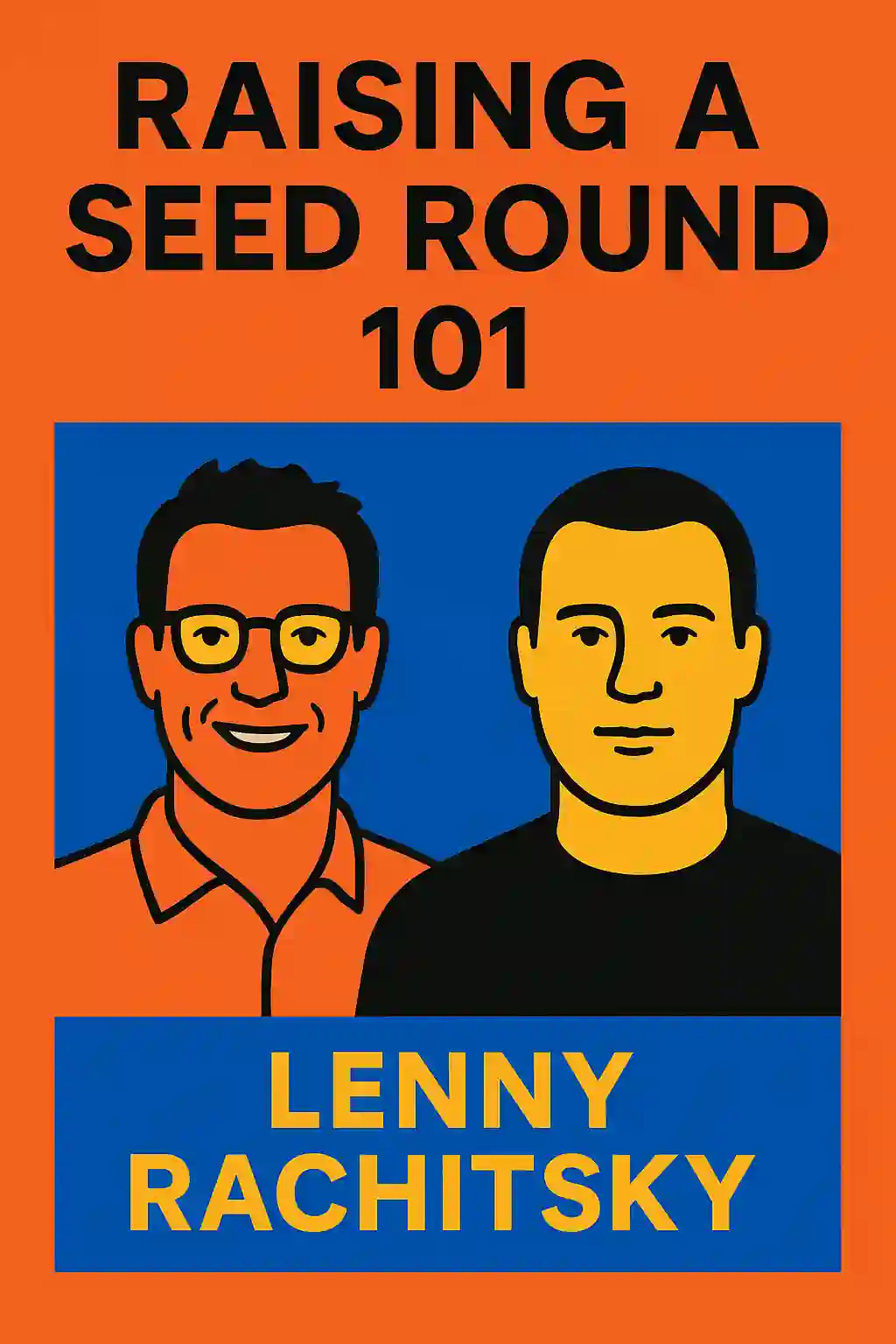
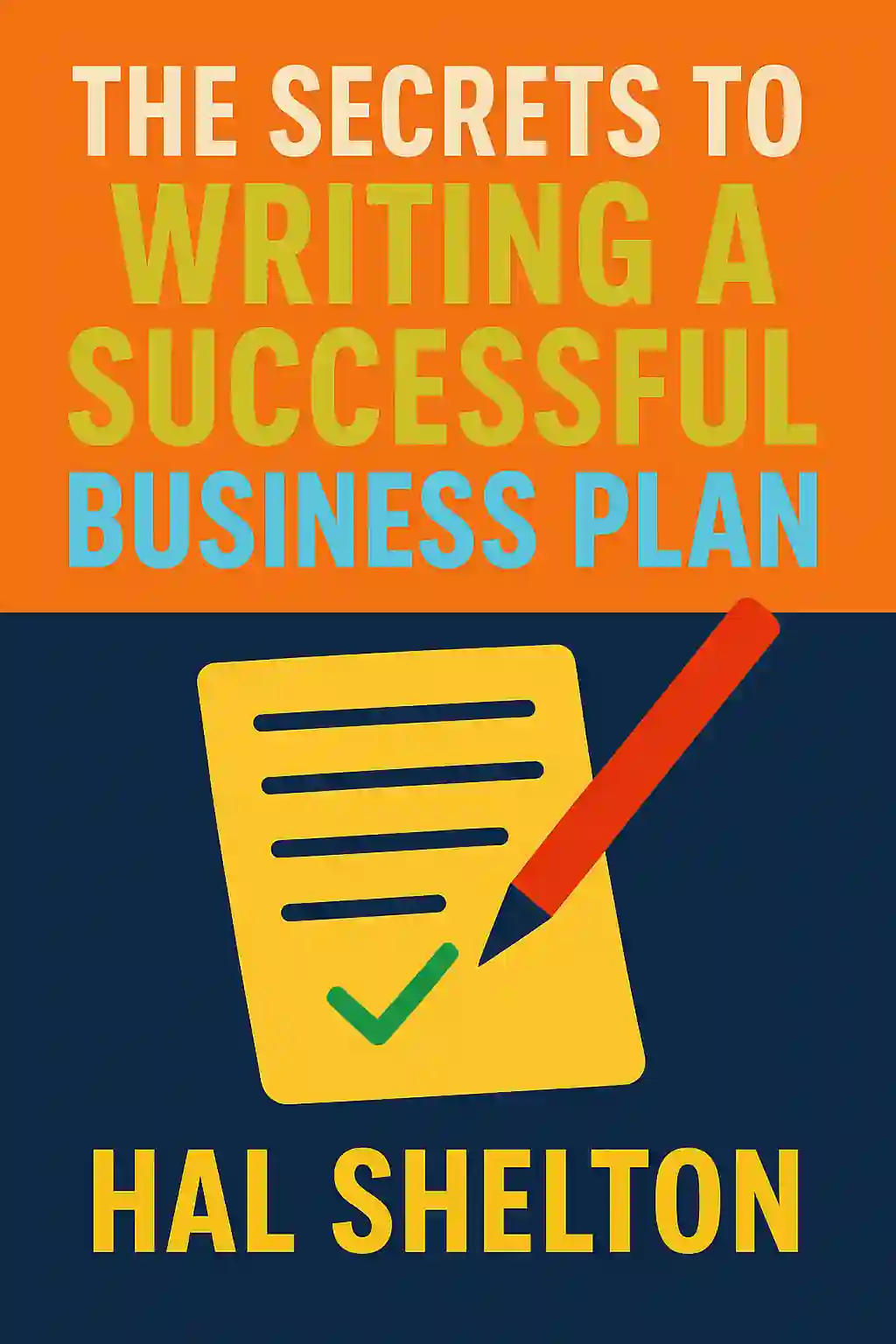
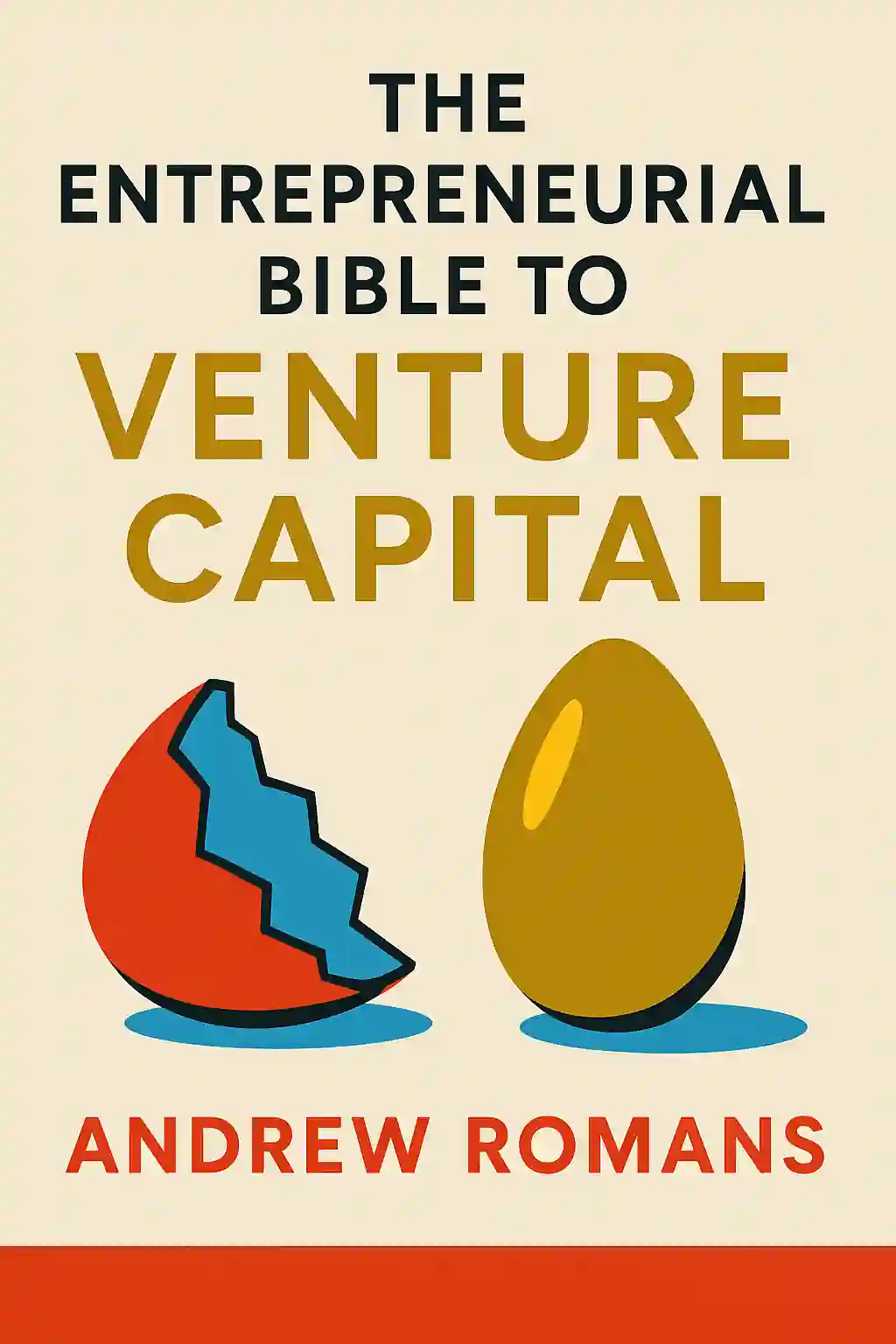
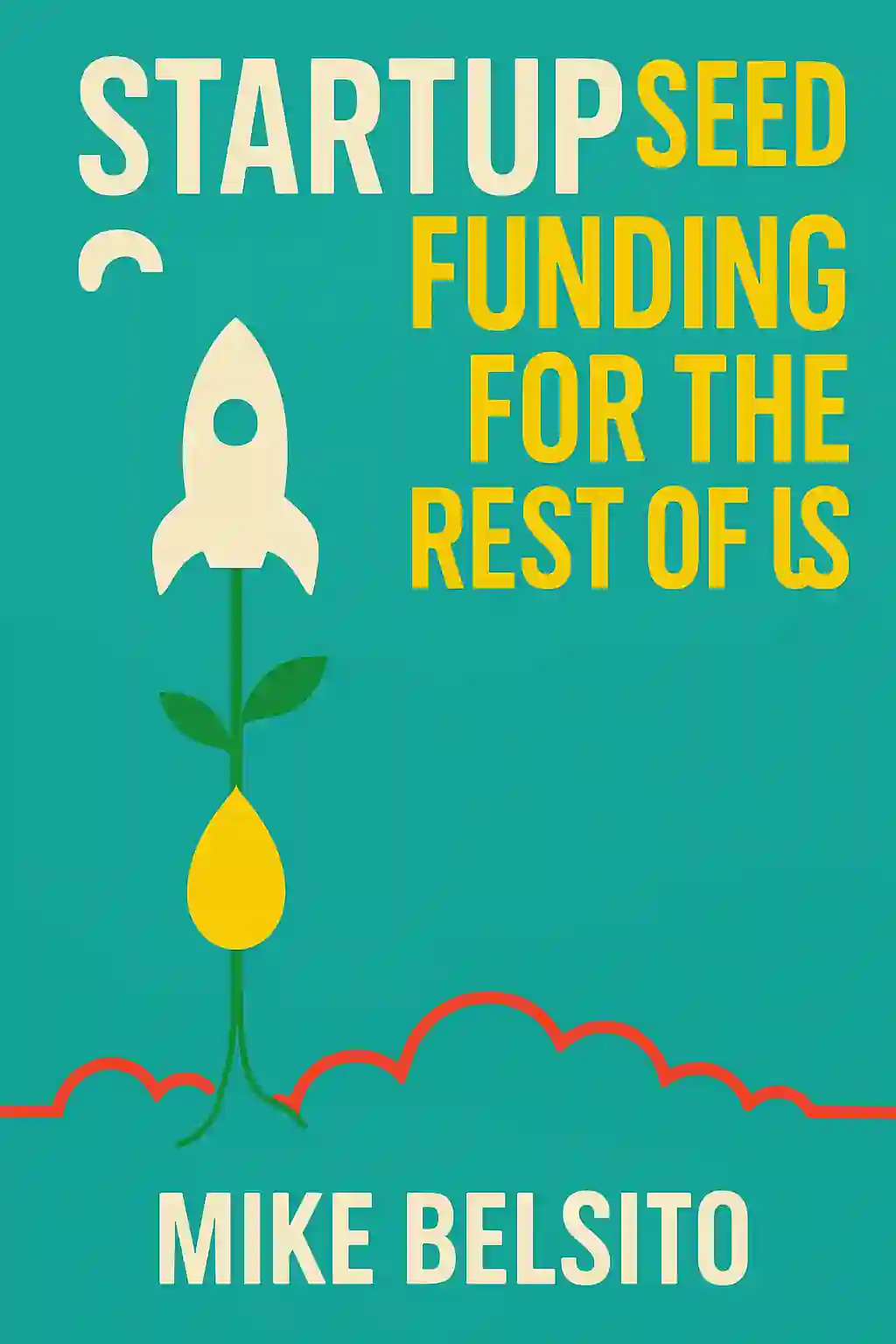
This subtopic will discuss the various funding options available to small business owners, including how to secure loans, grants, and investments, and how to create a compelling pitch that attracts investors and helps drive business growth.

よくある質問
Small business owners can explore several funding options to fuel their growth, including traditional business loans, government or private small business grants, and seeking capital from outside investors. Each path offers unique advantages depending on your business stage and goals. Understanding the differences between debt financing and equity investments is essential for choosing the right strategy to support long-term business growth and financial stability.
Securing investments requires a combination of a solid business model and a compelling investor pitch. You must demonstrate a clear path to profitability and explain how the capital will be used to drive business growth strategies. By effectively communicating your value proposition and market potential, you can attract the interest of angel investors or venture capitalists who are looking for promising opportunities in the small business sector.
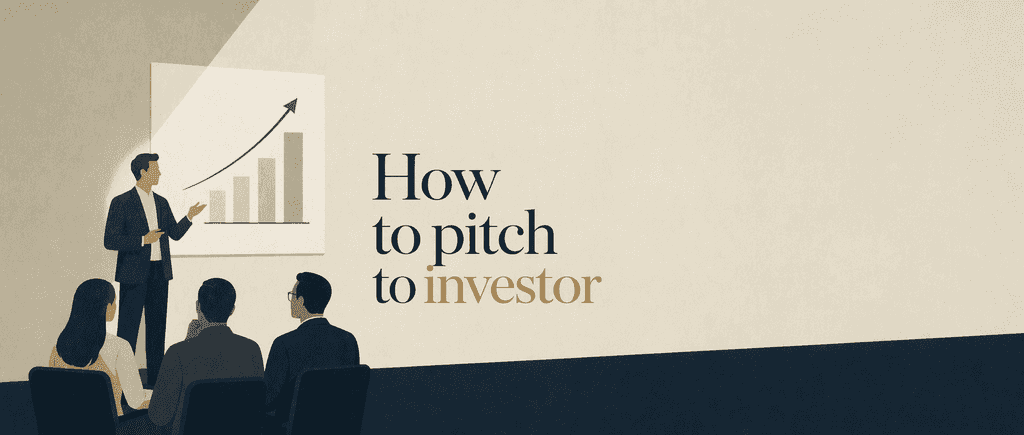
An effective investor pitch focuses on telling a persuasive story about your business's future. It should highlight your unique solution, market demand, and the specific funding options you are pursuing. To attract investors, your pitch must be concise, data-driven, and clearly outline how their contribution will accelerate business growth. Mastering this presentation is a critical step in securing the investments needed to scale your operations.
Yes, small business grants are a highly attractive funding option because, unlike business loans, they typically do not require repayment. However, they are often highly competitive and may have specific requirements regarding how the funds are used. Many entrepreneurs pursue a mix of grants and loans to create a diversified funding strategy that supports sustainable business growth without taking on excessive debt or giving up too much equity.
"Instead of endless scrolling, I just hit play on BeFreed. It saves me so much time."


"I never knew where to start with nonfiction—BeFreed’s book lists turned into podcasts gave me a clear path."


"Perfect balance between learning and entertainment. Finished ‘Thinking, Fast and Slow’ on my commute this week."
"Crazy how much I learned while walking the dog. BeFreed = small habits → big gains."
"Reading used to feel like a chore. Now it’s just part of my lifestyle."

"Feels effortless compared to reading. I’ve finished 6 books this month already."
"BeFreed turned my guilty doomscrolling into something that feels productive and inspiring."

"BeFreed turned my commute into learning time. 20-min podcasts are perfect for finishing books I never had time for."
"BeFreed replaced my podcast queue. Imagine Spotify for books — that’s it. 🙌"

"It is great for me to learn something from the book without reading it."
"The themed book list podcasts help me connect ideas across authors—like a guided audio journey."
"Makes me feel smarter every time before going to work"
"Instead of endless scrolling, I just hit play on BeFreed. It saves me so much time."
"I never knew where to start with nonfiction—BeFreed’s book lists turned into podcasts gave me a clear path."
"Perfect balance between learning and entertainment. Finished ‘Thinking, Fast and Slow’ on my commute this week."
"Crazy how much I learned while walking the dog. BeFreed = small habits → big gains."
"Reading used to feel like a chore. Now it’s just part of my lifestyle."
"Feels effortless compared to reading. I’ve finished 6 books this month already."
"BeFreed turned my guilty doomscrolling into something that feels productive and inspiring."
"BeFreed turned my commute into learning time. 20-min podcasts are perfect for finishing books I never had time for."
"BeFreed replaced my podcast queue. Imagine Spotify for books — that’s it. 🙌"
"It is great for me to learn something from the book without reading it."
"The themed book list podcasts help me connect ideas across authors—like a guided audio journey."
"Makes me feel smarter every time before going to work"
"Instead of endless scrolling, I just hit play on BeFreed. It saves me so much time."
"I never knew where to start with nonfiction—BeFreed’s book lists turned into podcasts gave me a clear path."
"Perfect balance between learning and entertainment. Finished ‘Thinking, Fast and Slow’ on my commute this week."
"Crazy how much I learned while walking the dog. BeFreed = small habits → big gains."
"Reading used to feel like a chore. Now it’s just part of my lifestyle."
"Feels effortless compared to reading. I’ve finished 6 books this month already."
"BeFreed turned my guilty doomscrolling into something that feels productive and inspiring."
"BeFreed turned my commute into learning time. 20-min podcasts are perfect for finishing books I never had time for."
"BeFreed replaced my podcast queue. Imagine Spotify for books — that’s it. 🙌"
"It is great for me to learn something from the book without reading it."
"The themed book list podcasts help me connect ideas across authors—like a guided audio journey."
"Makes me feel smarter every time before going to work"
"Instead of endless scrolling, I just hit play on BeFreed. It saves me so much time."
"I never knew where to start with nonfiction—BeFreed’s book lists turned into podcasts gave me a clear path."
"Perfect balance between learning and entertainment. Finished ‘Thinking, Fast and Slow’ on my commute this week."
"Crazy how much I learned while walking the dog. BeFreed = small habits → big gains."
"Reading used to feel like a chore. Now it’s just part of my lifestyle."
"Feels effortless compared to reading. I’ve finished 6 books this month already."
"BeFreed turned my guilty doomscrolling into something that feels productive and inspiring."
"BeFreed turned my commute into learning time. 20-min podcasts are perfect for finishing books I never had time for."
"BeFreed replaced my podcast queue. Imagine Spotify for books — that’s it. 🙌"
"It is great for me to learn something from the book without reading it."
"The themed book list podcasts help me connect ideas across authors—like a guided audio journey."
"Makes me feel smarter every time before going to work"