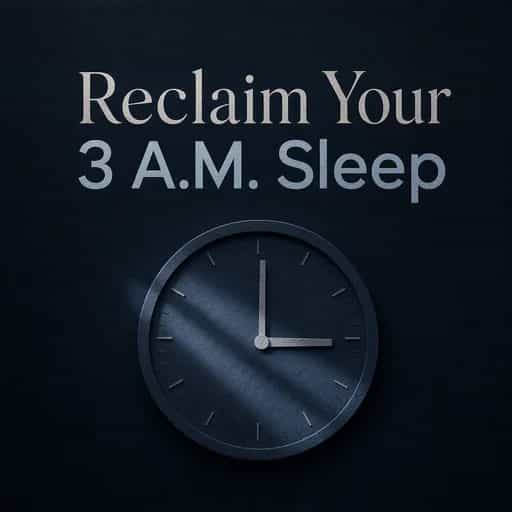
Sleep in Your 40s: The Midlife Shift and Hormonal Changes
Explore how the midlife shift affects sleep in your 40s. Learn about the impact of perimenopause, cortisol markers, and hormonal signaling on your sleep cycle.
Sleep in Your 40s: The Midlife Shift and Hormonal Changesのベスト引用
It isn't that you’ve outgrown your need for rest; it’s that your brain’s internal metronome and pressure gauge are starting to lose their precision. Older adults likely need just as much sleep as younger adults, they are just unable to generate it.
Generated by Tushar
Biological and hormonal changes affecting sleep quality, duration, and architecture during the 30s and 40s.






よくある質問
Sleep in your 40s often undergoes a profound structural renovation due to changes in the brain and endocrine system. This midlife shift is not a personal failing but a biological reality where the internal clock becomes less reliable. As neural oscillations and hormonal signaling change, the macro-level structure of sleep begins to shift, often leading to early morning wakefulness and a sleep cycle that feels more fragile and prone to frequent interruptions.
For women, the transition into midlife often involves perimenopause, where the hormones that once anchored sleep—specifically estrogen and progesterone—begin to fluctuate and eventually withdraw. These hormonal changes leave the sleep cycle more vulnerable, making it harder to maintain deep rest. This shift in the endocrine system is a primary reason why women in their 30s and 40s may find themselves staring at the ceiling in the early hours of the morning.
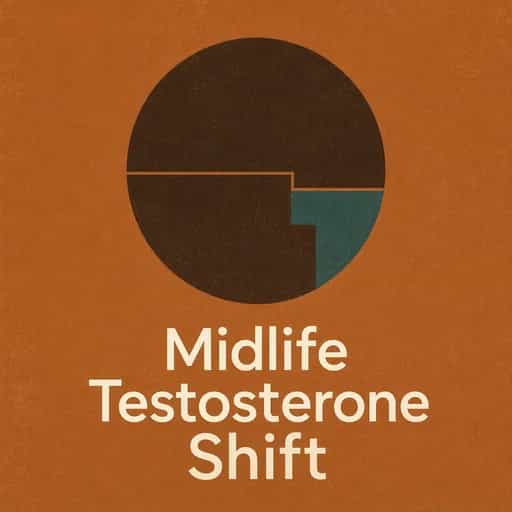
Men experiencing the midlife shift often face a gradual decline in testosterone alongside significant shifts in cortisol markers. These changes in the endocrine system alter the depth and efficiency of rest, making the feeling of being fully charged much harder to achieve. Because sleep is an active performance of hormonal signaling rather than a passive state, these biological adjustments directly impact how the body processes everything from insulin to daily stress.
No, sleep is actually a highly active and tightly choreographed performance of neural oscillations and hormonal signaling. It is essential for maintaining the body's ability to process insulin and the brain's capacity to learn new information. When the biological clock and endocrine system begin to change in your 40s, this active process is disrupted, which is why understanding the midlife shift is crucial for maintaining long-term health and cognitive function.
コロンビア大学卒業生が開発 サンフランシスコ発
BeFreedは好奇心旺盛な仲間が集うグローバルコミュニティ


"Instead of endless scrolling, I just hit play on BeFreed. It saves me so much time."


"I never knew where to start with nonfiction—BeFreed’s book lists turned into podcasts gave me a clear path."


"Perfect balance between learning and entertainment. Finished ‘Thinking, Fast and Slow’ on my commute this week."
"Crazy how much I learned while walking the dog. BeFreed = small habits → big gains."
"Reading used to feel like a chore. Now it’s just part of my lifestyle."

"Feels effortless compared to reading. I’ve finished 6 books this month already."
"BeFreed turned my guilty doomscrolling into something that feels productive and inspiring."

"BeFreed turned my commute into learning time. 20-min podcasts are perfect for finishing books I never had time for."
"BeFreed replaced my podcast queue. Imagine Spotify for books — that’s it. 🙌"

"It is great for me to learn something from the book without reading it."
"The themed book list podcasts help me connect ideas across authors—like a guided audio journey."
"Makes me feel smarter every time before going to work"
コロンビア大学卒業生が開発 サンフランシスコ発
BeFreedは好奇心旺盛な仲間が集うグローバルコミュニティ
"Instead of endless scrolling, I just hit play on BeFreed. It saves me so much time."
"I never knew where to start with nonfiction—BeFreed’s book lists turned into podcasts gave me a clear path."
"Perfect balance between learning and entertainment. Finished ‘Thinking, Fast and Slow’ on my commute this week."
"Crazy how much I learned while walking the dog. BeFreed = small habits → big gains."
"Reading used to feel like a chore. Now it’s just part of my lifestyle."
"Feels effortless compared to reading. I’ve finished 6 books this month already."
"BeFreed turned my guilty doomscrolling into something that feels productive and inspiring."
"BeFreed turned my commute into learning time. 20-min podcasts are perfect for finishing books I never had time for."
"BeFreed replaced my podcast queue. Imagine Spotify for books — that’s it. 🙌"
"It is great for me to learn something from the book without reading it."
"The themed book list podcasts help me connect ideas across authors—like a guided audio journey."
"Makes me feel smarter every time before going to work"
"Instead of endless scrolling, I just hit play on BeFreed. It saves me so much time."
"I never knew where to start with nonfiction—BeFreed’s book lists turned into podcasts gave me a clear path."
"Perfect balance between learning and entertainment. Finished ‘Thinking, Fast and Slow’ on my commute this week."
"Crazy how much I learned while walking the dog. BeFreed = small habits → big gains."
"Reading used to feel like a chore. Now it’s just part of my lifestyle."
"Feels effortless compared to reading. I’ve finished 6 books this month already."
"BeFreed turned my guilty doomscrolling into something that feels productive and inspiring."
"BeFreed turned my commute into learning time. 20-min podcasts are perfect for finishing books I never had time for."
"BeFreed replaced my podcast queue. Imagine Spotify for books — that’s it. 🙌"
"It is great for me to learn something from the book without reading it."
"The themed book list podcasts help me connect ideas across authors—like a guided audio journey."
"Makes me feel smarter every time before going to work"
"Instead of endless scrolling, I just hit play on BeFreed. It saves me so much time."
"I never knew where to start with nonfiction—BeFreed’s book lists turned into podcasts gave me a clear path."
"Perfect balance between learning and entertainment. Finished ‘Thinking, Fast and Slow’ on my commute this week."
"Crazy how much I learned while walking the dog. BeFreed = small habits → big gains."
"Reading used to feel like a chore. Now it’s just part of my lifestyle."
"Feels effortless compared to reading. I’ve finished 6 books this month already."
"BeFreed turned my guilty doomscrolling into something that feels productive and inspiring."
"BeFreed turned my commute into learning time. 20-min podcasts are perfect for finishing books I never had time for."
"BeFreed replaced my podcast queue. Imagine Spotify for books — that’s it. 🙌"
"It is great for me to learn something from the book without reading it."
"The themed book list podcasts help me connect ideas across authors—like a guided audio journey."
"Makes me feel smarter every time before going to work"