Why the loudest person in the room is usually the weakest
You know that person in the office—or maybe in your friend group—who just seems to suck the air out of every room they walk into? They talk over everyone, their voice is always two notches too loud, and they act like every minor disagreement is a personal hill they need to die on. We’ve been conditioned to think that’s what "strength" looks like—this big, aggressive display of dominance. But if you really stop and look at how people react to that energy, it’s not respect they’re giving—it’s just compliance because they’re exhausted. According to the research, that kind of loudness is actually a massive signal of insecurity and a total loss of emotional regulation. It’s what happens when someone feels they don’t have enough genuine authority, so they try to manufacture it through volume.
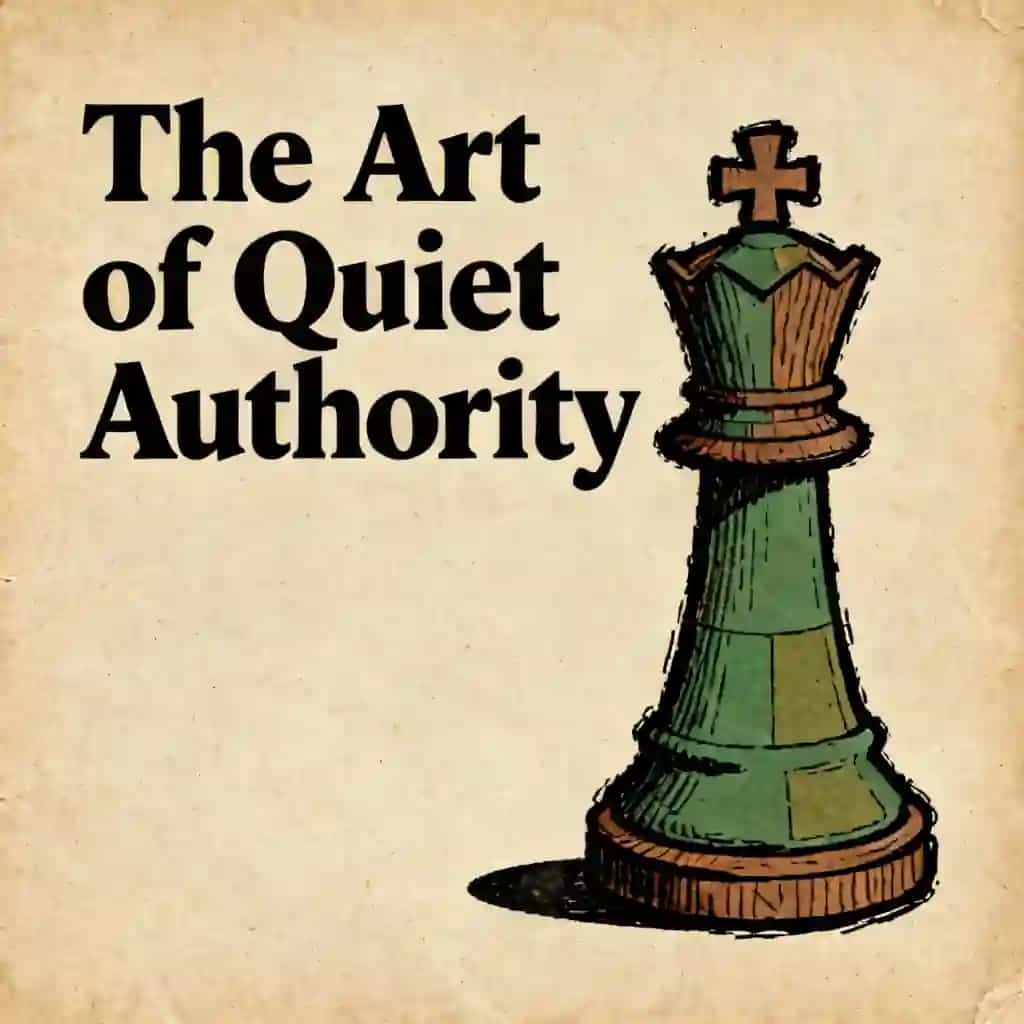
Here’s the thing that’s going to feel a bit backwards: the people who actually command the most respect are usually the ones doing the least amount of "performing." There’s this concept called quiet authority, and it’s essentially the ability to be the steadiness that other people can feel. When you’re calm while everyone else is losing their minds, you’re tapping into a psychological phenomenon called social proof—basically, people start looking to you as the model for how to behave because you’re the only one who seems in control of your own nervous system. It’s a rare skill, but once you understand the mechanics of human nature and how we’re wired to respond to composure, you realize you don’t have to push to be taken seriously—you just have to create the space for people to rise and meet you.
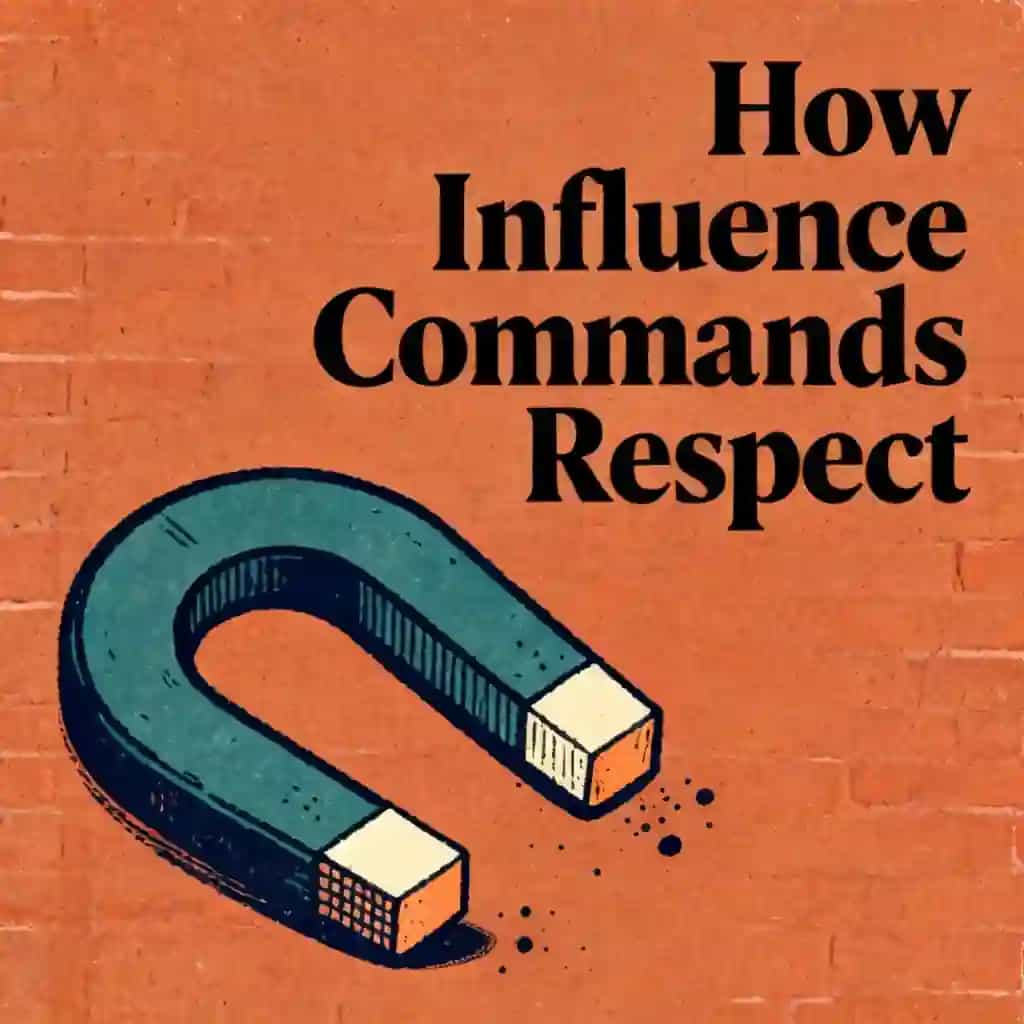
This isn’t about being a doormat or just "being nice." In fact, being "unclear" is often the quickest way to lose respect because it comes off as vague and conflict-averse, which is just as draining for a team as an aggressive boss. This is about a specific set of learnable behaviors—reading social cues, setting boundaries early, and mastering your non-verbal signals—that make you influential without being manipulative. It’s about moving away from "dominance," which is forced, and moving toward "prestige," which is respect that people actually want to give you. So, let's pull back the curtain on why our instincts about power are often so wrong and look at what actually makes people lean in when you speak.