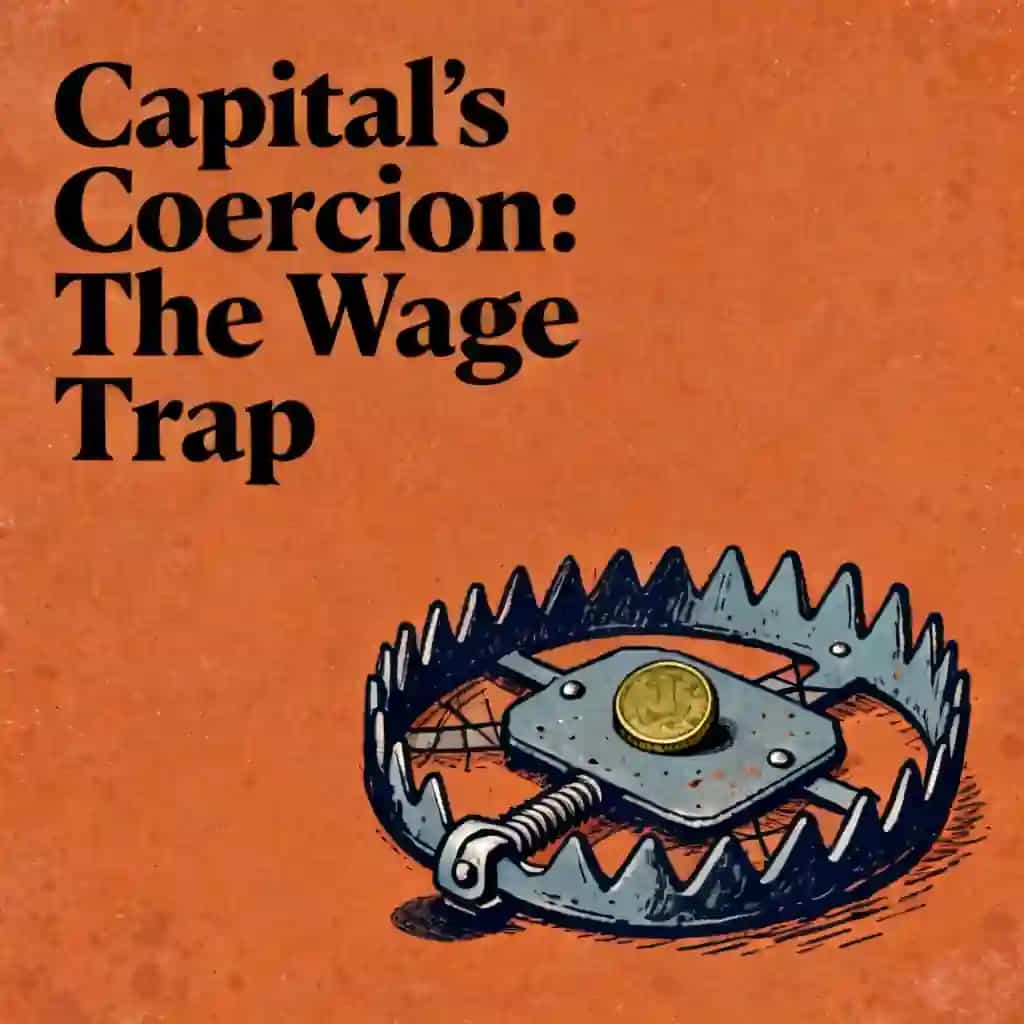
Modern Slavery: The Digital Rebrand and Global Trends
Explore the debate on modern slavery and global trends. Learn how forced labor has shifted into digital spaces and supply chains despite historical declines.

Modern Slavery: The Digital Rebrand and Global Trendsのベスト引用
Abolition is a process, not a single event. We’ve won the battle against the state-as-slave-owner, but we’re losing the battle against the platform-as-labor-extractor, where modern slavery is hidden in the gray zones of global supply chains and digital contracts.

このオーディオレッスンはBeFreedコミュニティメンバーが作成しました
A debate-style exploration of modern slavery, specifically addressing the claim that it is more rampant now than historically but has been rebranded. Cover debt bondage, digital exploitation, and supply chain trafficking as part of this argument.





よくある質問
The digital rebrand of modern slavery refers to the idea that while traditional chains may seem like a ghost of the past, forced labor has evolved into new forms. In 2026, these systems are often hidden within the fine print of digital contracts, smartphone apps, and the blind spots of global supply chains. This shift makes modern exploitation harder to detect compared to historical systems, as it integrates into the technology and services we use daily.
According to human rights data and research from Our World in Data, there has been a massive decline in large-scale forced labor over the centuries. In 1789, nearly every country—165 out of 174—had entrenched systems of forced labor that were openly tolerated. Today, that number has plummeted significantly, with only nine countries still maintaining state-sanctioned or widespread systems at that historical level, showing an undeniable downward trend in state-organized exploitation.
There is an intense debate regarding whether modern slavery is more rampant today or if we are seeing a historical low. While sheer numbers and the complexity of global supply chains suggest we may be losing ground, data experts point to the fact that state-sanctioned forced labor is no longer the global norm. The tension lies between the rebranding of exploitation into digital spaces and the statistical decline of large-scale, state-organized systems of labor.
"Instead of endless scrolling, I just hit play on BeFreed. It saves me so much time."


"I never knew where to start with nonfiction—BeFreed’s book lists turned into podcasts gave me a clear path."


"Perfect balance between learning and entertainment. Finished ‘Thinking, Fast and Slow’ on my commute this week."
"Crazy how much I learned while walking the dog. BeFreed = small habits → big gains."
"Reading used to feel like a chore. Now it’s just part of my lifestyle."

"Feels effortless compared to reading. I’ve finished 6 books this month already."
"BeFreed turned my guilty doomscrolling into something that feels productive and inspiring."

"BeFreed turned my commute into learning time. 20-min podcasts are perfect for finishing books I never had time for."
"BeFreed replaced my podcast queue. Imagine Spotify for books — that’s it. 🙌"

"It is great for me to learn something from the book without reading it."
"The themed book list podcasts help me connect ideas across authors—like a guided audio journey."
"Makes me feel smarter every time before going to work"
"Instead of endless scrolling, I just hit play on BeFreed. It saves me so much time."
"I never knew where to start with nonfiction—BeFreed’s book lists turned into podcasts gave me a clear path."
"Perfect balance between learning and entertainment. Finished ‘Thinking, Fast and Slow’ on my commute this week."
"Crazy how much I learned while walking the dog. BeFreed = small habits → big gains."
"Reading used to feel like a chore. Now it’s just part of my lifestyle."
"Feels effortless compared to reading. I’ve finished 6 books this month already."
"BeFreed turned my guilty doomscrolling into something that feels productive and inspiring."
"BeFreed turned my commute into learning time. 20-min podcasts are perfect for finishing books I never had time for."
"BeFreed replaced my podcast queue. Imagine Spotify for books — that’s it. 🙌"
"It is great for me to learn something from the book without reading it."
"The themed book list podcasts help me connect ideas across authors—like a guided audio journey."
"Makes me feel smarter every time before going to work"
"Instead of endless scrolling, I just hit play on BeFreed. It saves me so much time."
"I never knew where to start with nonfiction—BeFreed’s book lists turned into podcasts gave me a clear path."
"Perfect balance between learning and entertainment. Finished ‘Thinking, Fast and Slow’ on my commute this week."
"Crazy how much I learned while walking the dog. BeFreed = small habits → big gains."
"Reading used to feel like a chore. Now it’s just part of my lifestyle."
"Feels effortless compared to reading. I’ve finished 6 books this month already."
"BeFreed turned my guilty doomscrolling into something that feels productive and inspiring."
"BeFreed turned my commute into learning time. 20-min podcasts are perfect for finishing books I never had time for."
"BeFreed replaced my podcast queue. Imagine Spotify for books — that’s it. 🙌"
"It is great for me to learn something from the book without reading it."
"The themed book list podcasts help me connect ideas across authors—like a guided audio journey."
"Makes me feel smarter every time before going to work"
"Instead of endless scrolling, I just hit play on BeFreed. It saves me so much time."
"I never knew where to start with nonfiction—BeFreed’s book lists turned into podcasts gave me a clear path."
"Perfect balance between learning and entertainment. Finished ‘Thinking, Fast and Slow’ on my commute this week."
"Crazy how much I learned while walking the dog. BeFreed = small habits → big gains."
"Reading used to feel like a chore. Now it’s just part of my lifestyle."
"Feels effortless compared to reading. I’ve finished 6 books this month already."
"BeFreed turned my guilty doomscrolling into something that feels productive and inspiring."
"BeFreed turned my commute into learning time. 20-min podcasts are perfect for finishing books I never had time for."
"BeFreed replaced my podcast queue. Imagine Spotify for books — that’s it. 🙌"
"It is great for me to learn something from the book without reading it."
"The themed book list podcasts help me connect ideas across authors—like a guided audio journey."
"Makes me feel smarter every time before going to work"