Section 1: The Modern Blueprint for Enterprise Success
Lena: Hey everyone! Welcome to today’s session. We’re diving into something that sounds incredibly formal but is actually the secret sauce behind how the world’s biggest companies stay organized—and more importantly, how you can get certified to lead that organization. We are talking about the TOGAF Standard, 10th Edition. Now, if you’ve ever looked at a massive corporation and wondered how they keep their IT strategy from crashing into their business goals, the answer is usually Enterprise Architecture. And today, we’re breaking down the exam syllabus so you can walk into that test center with total confidence.
Miles: It’s good to be here, Lena. And you’re right—TOGAF isn’t just a set of acronyms. It’s the world’s leading methodology for this stuff. Developed by The Open Group, it’s basically the de facto standard. There are over 100,000 certified practitioners out there right now. Think about that. That’s a massive community. And with today being April 19, 2026, we’re looking at a framework that has recently evolved to be much more modular and agile than the versions people were studying just a few years ago.
Lena: That’s the big hook for me. I think a lot of people hear "Enterprise Architecture" and they think of these dusty, thousand page manuals that nobody actually reads. But the 10th Edition—or TOGAF 10—is different, right? It’s not this monolithic block anymore.
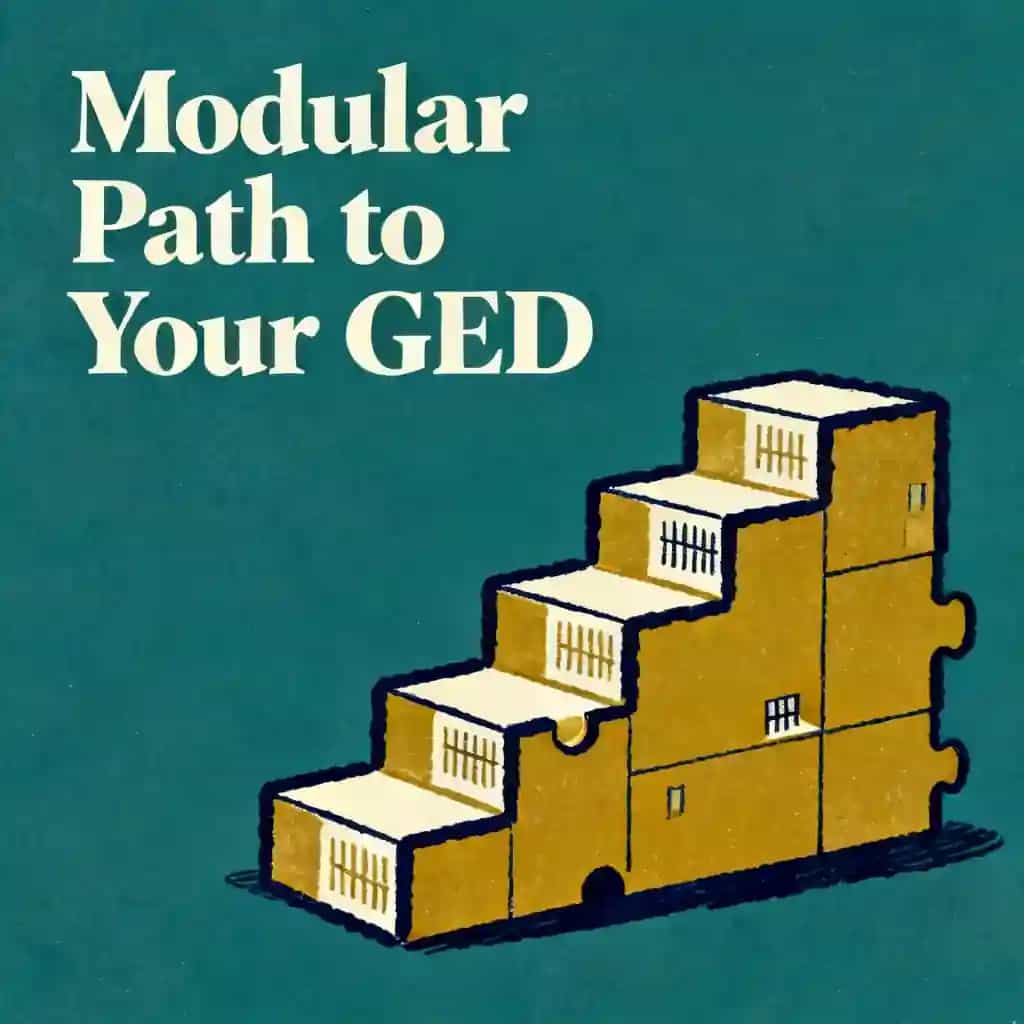
Miles: Exactly. It’s shifted from being a "one size fits all" monster to a flexible, modular toolkit. If you’re coming from TOGAF 9.2, which was the standard for a long time, the first thing you’ll notice is that they’ve split the content. You’ve got your "Fundamental Content," which is the core stuff that doesn't change much, and then you have these "Series Guides" that are dynamic. They cover things like Agile, Digital Transformation, and specific industries. It’s much more about how you actually apply the framework in the real world rather than just memorizing a book.
Lena: And for our listeners who are eyeing those certification badges—maybe you're looking at that Foundation level or the Practitioner level—this shift is actually great news. It means the exam is testing your ability to be a "Practitioner" in a modern sense. We’re talking about high stakes here, too. I mean, looking at the data, an Enterprise Architect in the U.S. can command a salary between $130,000 and $180,000. In the UK, you’re looking at £75,000 to £120,000. If you hit that Chief Architect level, you’re soaring past $250,000.
Miles: The ROI is definitely there. But to get those numbers, you have to pass the exam. And the biggest mistake I see people make is trying to study for TOGAF 10 the same way they might have studied for older IT certifications—just rote memorization. That won't work here, especially for the Practitioner level. You need to understand the ADM—the Architecture Development Method—and how it breathes.
Lena: The ADM is really the heart of the whole thing, isn't it? It’s that circle diagram everyone sees. But before we get into the weeds of the phases, let’s talk about the structure of the exams themselves. Because whether you're doing the Foundation, the Practitioner, or the Combined exam, you need a strategy for the format.
Miles: Right, and that’s a perfect place to start our roadmap. We’ll look at why the Foundation exam is closed-book while the Practitioner exam lets you use the standard—and why that actually makes the Practitioner exam harder for some people. So, let’s get into the architecture of the certification itself.