Male Enhancement: Reality vs. Perception and Anatomical Norms
Explore the gap between psychological perception and anatomical reality in male enhancement. Learn about small penis anxiety, urology norms, and body image.

Male Enhancement: Reality vs. Perception and Anatomical Normsのベスト引用
The pursuit of physical correction for a psychological concern often leads to inconsistent satisfaction, even when the surgery is technically successful. Understanding the biological baseline is your first defense against unnecessary risk.
Generated by The Greatest
Evidence-based discussion on the safety, efficacy, and common myths regarding male enhancement methods (surgical, mechanical, and pharmaceutical) for increasing size or girth.






よくある質問
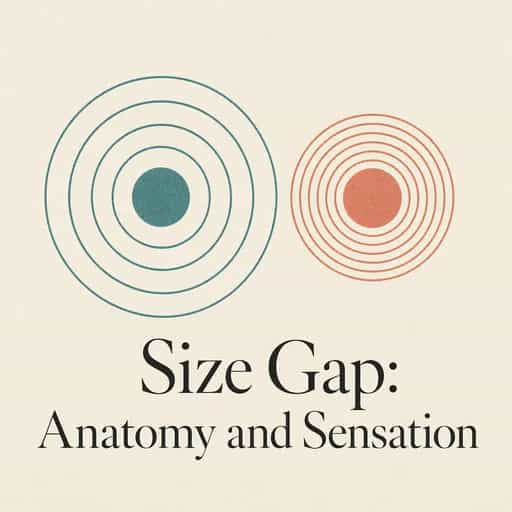
The difference often lies in a psychological gap where men believe they are undersized despite falling within the normal anatomical range. Research indicates that most men seeking enhancement procedures are actually experiencing small penis anxiety or penile dysmorphophobia. This suggests that the perceived need for surgery is frequently a matter of education and sociocultural influence rather than a physical abnormality or medical necessity.
According to urological research, the average flaccid length for a Caucasian man is approximately 9.16 centimeters, while the average stretched length is about 13.24 centimeters. Popular culture often overestimates erect lengths by several inches, leading to unrealistic digital ideals. Understanding these biological baselines is essential for men to realize that their measurements likely sit well within the standard anatomical range.
Small penis anxiety and penile dysmorphophobia are psychological conditions where an individual is excessively concerned with their size despite being anatomically normal. These concerns are often fueled by skewed perceptions and unrealistic societal standards. Because the issue is rooted in male body image and psychological perception, pursuing physical corrections or surgical procedures often leads to inconsistent satisfaction even if the operation is technically successful.
Urologists draw a sharp line because many requests for male enhancement are driven by psychological concerns rather than functional or therapeutic requirements. When a patient's anatomy is within the normal range, the 'problem' is often a matter of perception rather than biology. Distinguishing between these needs helps prevent unnecessary risks associated with surgery and encourages men to address the psychological roots of their anxiety first.
"Instead of endless scrolling, I just hit play on BeFreed. It saves me so much time."


"I never knew where to start with nonfiction—BeFreed’s book lists turned into podcasts gave me a clear path."


"Perfect balance between learning and entertainment. Finished ‘Thinking, Fast and Slow’ on my commute this week."
"Crazy how much I learned while walking the dog. BeFreed = small habits → big gains."
"Reading used to feel like a chore. Now it’s just part of my lifestyle."

"Feels effortless compared to reading. I’ve finished 6 books this month already."
"BeFreed turned my guilty doomscrolling into something that feels productive and inspiring."

"BeFreed turned my commute into learning time. 20-min podcasts are perfect for finishing books I never had time for."
"BeFreed replaced my podcast queue. Imagine Spotify for books — that’s it. 🙌"

"It is great for me to learn something from the book without reading it."
"The themed book list podcasts help me connect ideas across authors—like a guided audio journey."
"Makes me feel smarter every time before going to work"
"Instead of endless scrolling, I just hit play on BeFreed. It saves me so much time."
"I never knew where to start with nonfiction—BeFreed’s book lists turned into podcasts gave me a clear path."
"Perfect balance between learning and entertainment. Finished ‘Thinking, Fast and Slow’ on my commute this week."
"Crazy how much I learned while walking the dog. BeFreed = small habits → big gains."
"Reading used to feel like a chore. Now it’s just part of my lifestyle."
"Feels effortless compared to reading. I’ve finished 6 books this month already."
"BeFreed turned my guilty doomscrolling into something that feels productive and inspiring."
"BeFreed turned my commute into learning time. 20-min podcasts are perfect for finishing books I never had time for."
"BeFreed replaced my podcast queue. Imagine Spotify for books — that’s it. 🙌"
"It is great for me to learn something from the book without reading it."
"The themed book list podcasts help me connect ideas across authors—like a guided audio journey."
"Makes me feel smarter every time before going to work"
"Instead of endless scrolling, I just hit play on BeFreed. It saves me so much time."
"I never knew where to start with nonfiction—BeFreed’s book lists turned into podcasts gave me a clear path."
"Perfect balance between learning and entertainment. Finished ‘Thinking, Fast and Slow’ on my commute this week."
"Crazy how much I learned while walking the dog. BeFreed = small habits → big gains."
"Reading used to feel like a chore. Now it’s just part of my lifestyle."
"Feels effortless compared to reading. I’ve finished 6 books this month already."
"BeFreed turned my guilty doomscrolling into something that feels productive and inspiring."
"BeFreed turned my commute into learning time. 20-min podcasts are perfect for finishing books I never had time for."
"BeFreed replaced my podcast queue. Imagine Spotify for books — that’s it. 🙌"
"It is great for me to learn something from the book without reading it."
"The themed book list podcasts help me connect ideas across authors—like a guided audio journey."
"Makes me feel smarter every time before going to work"
"Instead of endless scrolling, I just hit play on BeFreed. It saves me so much time."
"I never knew where to start with nonfiction—BeFreed’s book lists turned into podcasts gave me a clear path."
"Perfect balance between learning and entertainment. Finished ‘Thinking, Fast and Slow’ on my commute this week."
"Crazy how much I learned while walking the dog. BeFreed = small habits → big gains."
"Reading used to feel like a chore. Now it’s just part of my lifestyle."
"Feels effortless compared to reading. I’ve finished 6 books this month already."
"BeFreed turned my guilty doomscrolling into something that feels productive and inspiring."
"BeFreed turned my commute into learning time. 20-min podcasts are perfect for finishing books I never had time for."
"BeFreed replaced my podcast queue. Imagine Spotify for books — that’s it. 🙌"
"It is great for me to learn something from the book without reading it."
"The themed book list podcasts help me connect ideas across authors—like a guided audio journey."
"Makes me feel smarter every time before going to work"