Maladaptive Daydreaming: Coping Mechanisms and the Inner Sanctuary
Explore maladaptive daydreaming as a coping mechanism. Learn why the brain creates an inner sanctuary to manage stress and how to break repetitive thought loops.

Maladaptive Daydreaming: Coping Mechanisms and the Inner Sanctuaryのベスト引用
The goal today isn't to shame that imaginative part of you, but to help you gently bridge the gap between that inner world and the life waiting for you in the physical realm. By understanding the neurological and psychological roots of this habit, we can begin to shift from being passive observers of our fantasies to active participants in our actual lives.
Generated by T
How to stop maladaptive daydreaming and focus one the real world

よくある質問
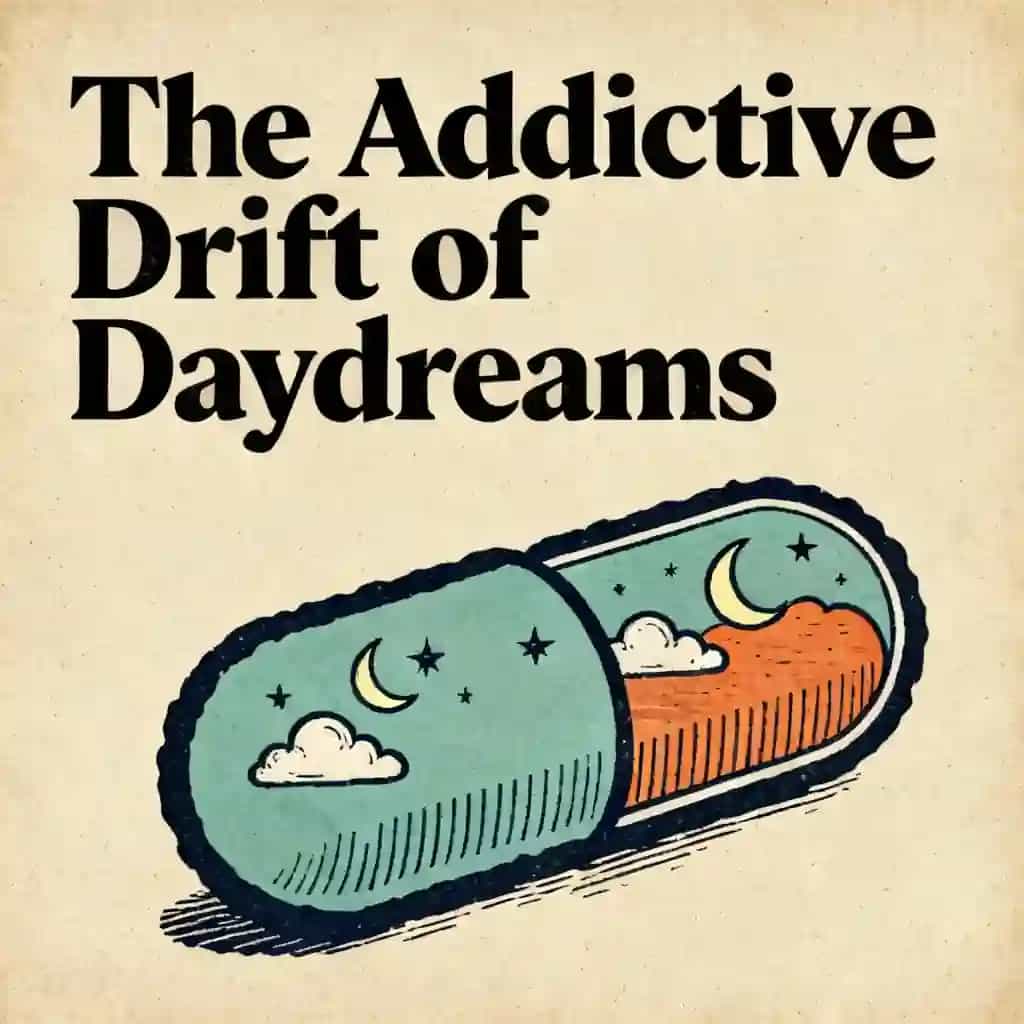
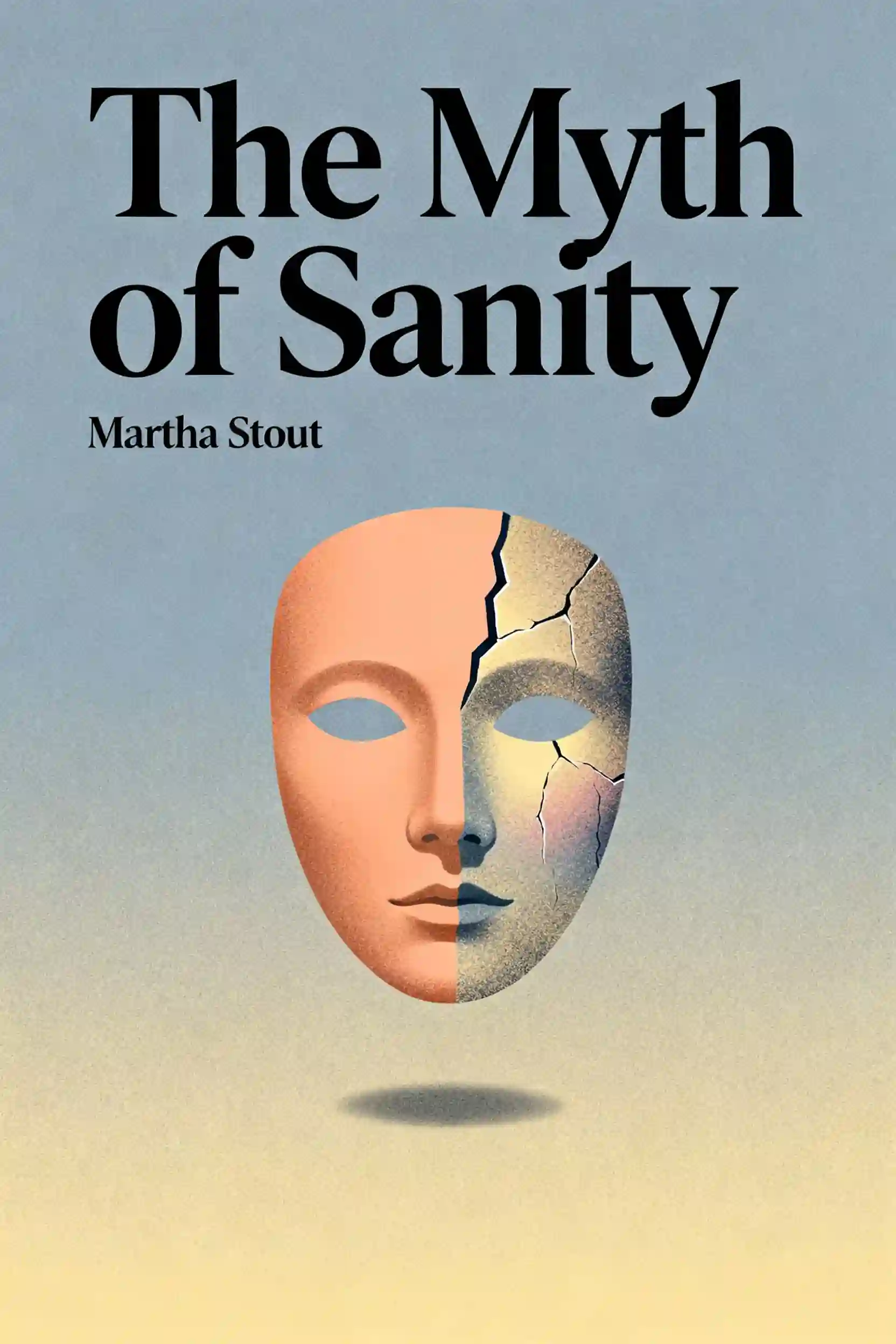
Maladaptive daydreaming is an experience where an individual becomes lost in a vibrant internal universe that feels more manageable than reality. It is not a sign of a broken mind but rather a testament to the brain's creative power. These internal escapes often serve as sophisticated coping mechanisms developed to manage stress or fulfill unmet emotional needs, providing a sanctuary where the sharp edges of the real world are softened.
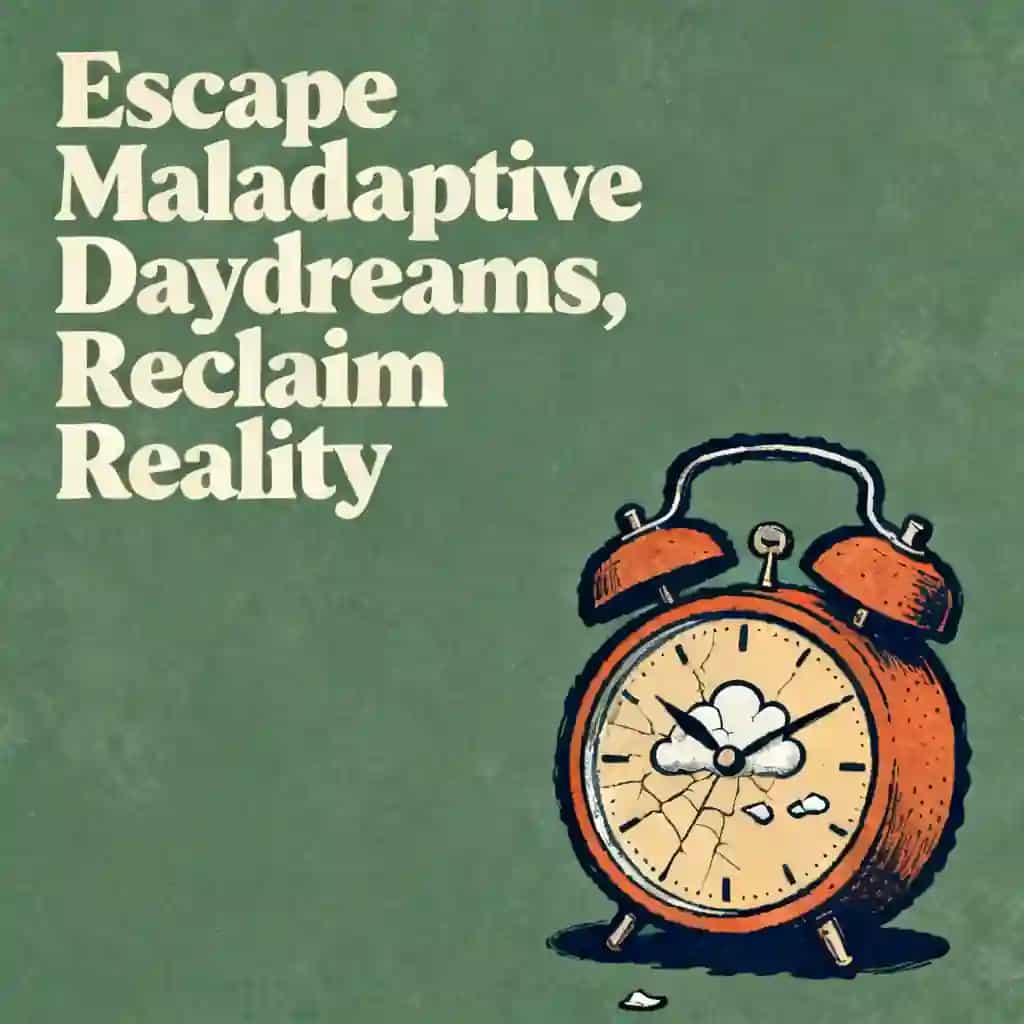
While an inner sanctuary offers a welcoming escape, it can become a cage when hours slip away during repetitive behaviors like pacing or staring at a wall. When someone becomes overly preoccupied with internal narratives, they may lose their authentic connection to reality. This can make a person feel unrecognizable to themselves, as the vivid world inside their head begins to interfere with their physical presence and daily life.
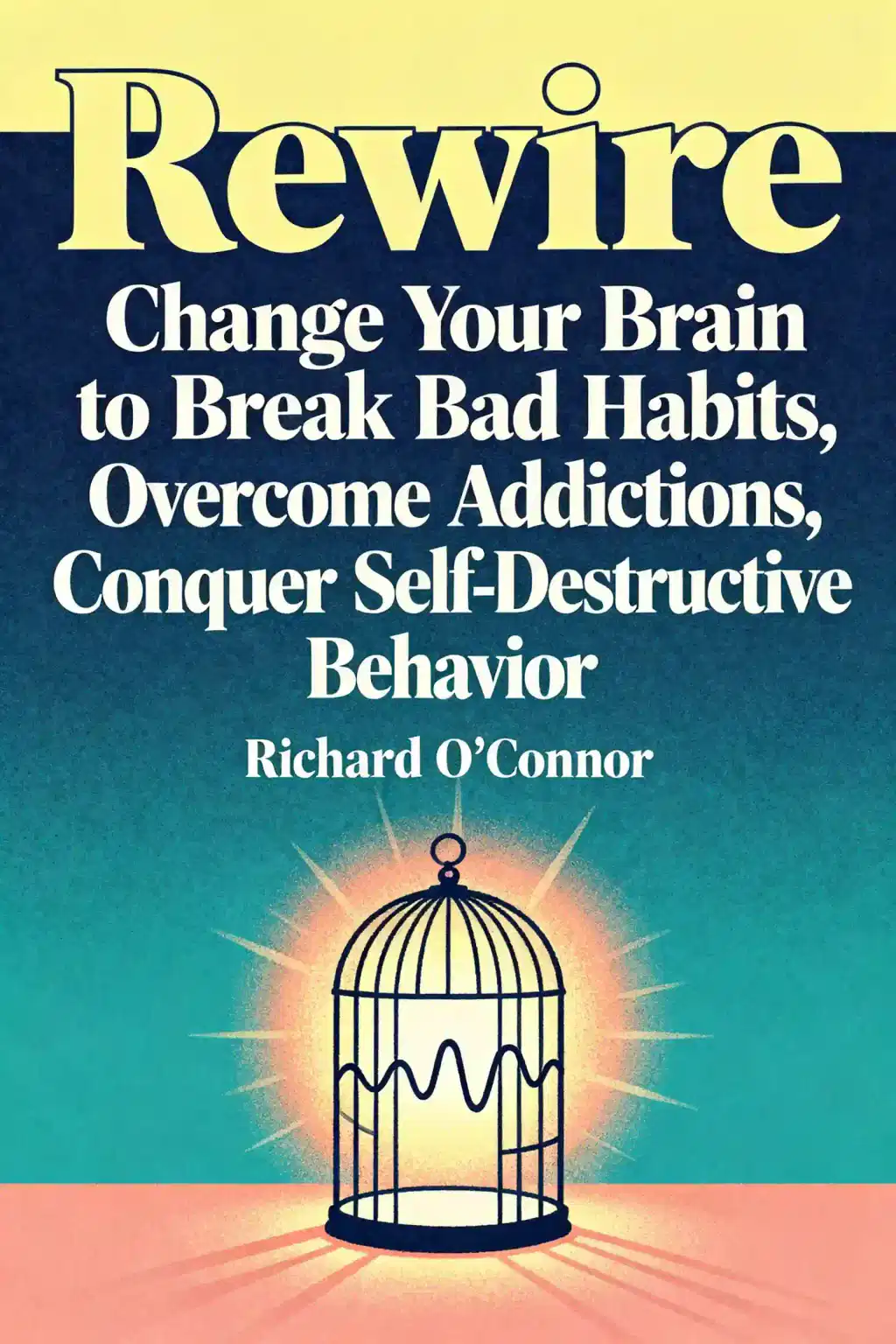
The brain can get locked into repetitive thought loops as a way to protect the individual from stress. These loops are part of a complex system of internal escapes designed for stress management. By focusing on flawless relationships and heroic narratives within a predictable mental space, the brain attempts to create a sense of safety, though these repetitive patterns can eventually feel impossible to break without understanding the underlying emotional needs.
"Instead of endless scrolling, I just hit play on BeFreed. It saves me so much time."


"I never knew where to start with nonfiction—BeFreed’s book lists turned into podcasts gave me a clear path."


"Perfect balance between learning and entertainment. Finished ‘Thinking, Fast and Slow’ on my commute this week."
"Crazy how much I learned while walking the dog. BeFreed = small habits → big gains."
"Reading used to feel like a chore. Now it’s just part of my lifestyle."

"Feels effortless compared to reading. I’ve finished 6 books this month already."
"BeFreed turned my guilty doomscrolling into something that feels productive and inspiring."

"BeFreed turned my commute into learning time. 20-min podcasts are perfect for finishing books I never had time for."
"BeFreed replaced my podcast queue. Imagine Spotify for books — that’s it. 🙌"

"It is great for me to learn something from the book without reading it."
"The themed book list podcasts help me connect ideas across authors—like a guided audio journey."
"Makes me feel smarter every time before going to work"
"Instead of endless scrolling, I just hit play on BeFreed. It saves me so much time."
"I never knew where to start with nonfiction—BeFreed’s book lists turned into podcasts gave me a clear path."
"Perfect balance between learning and entertainment. Finished ‘Thinking, Fast and Slow’ on my commute this week."
"Crazy how much I learned while walking the dog. BeFreed = small habits → big gains."
"Reading used to feel like a chore. Now it’s just part of my lifestyle."
"Feels effortless compared to reading. I’ve finished 6 books this month already."
"BeFreed turned my guilty doomscrolling into something that feels productive and inspiring."
"BeFreed turned my commute into learning time. 20-min podcasts are perfect for finishing books I never had time for."
"BeFreed replaced my podcast queue. Imagine Spotify for books — that’s it. 🙌"
"It is great for me to learn something from the book without reading it."
"The themed book list podcasts help me connect ideas across authors—like a guided audio journey."
"Makes me feel smarter every time before going to work"
"Instead of endless scrolling, I just hit play on BeFreed. It saves me so much time."
"I never knew where to start with nonfiction—BeFreed’s book lists turned into podcasts gave me a clear path."
"Perfect balance between learning and entertainment. Finished ‘Thinking, Fast and Slow’ on my commute this week."
"Crazy how much I learned while walking the dog. BeFreed = small habits → big gains."
"Reading used to feel like a chore. Now it’s just part of my lifestyle."
"Feels effortless compared to reading. I’ve finished 6 books this month already."
"BeFreed turned my guilty doomscrolling into something that feels productive and inspiring."
"BeFreed turned my commute into learning time. 20-min podcasts are perfect for finishing books I never had time for."
"BeFreed replaced my podcast queue. Imagine Spotify for books — that’s it. 🙌"
"It is great for me to learn something from the book without reading it."
"The themed book list podcasts help me connect ideas across authors—like a guided audio journey."
"Makes me feel smarter every time before going to work"
"Instead of endless scrolling, I just hit play on BeFreed. It saves me so much time."
"I never knew where to start with nonfiction—BeFreed’s book lists turned into podcasts gave me a clear path."
"Perfect balance between learning and entertainment. Finished ‘Thinking, Fast and Slow’ on my commute this week."
"Crazy how much I learned while walking the dog. BeFreed = small habits → big gains."
"Reading used to feel like a chore. Now it’s just part of my lifestyle."
"Feels effortless compared to reading. I’ve finished 6 books this month already."
"BeFreed turned my guilty doomscrolling into something that feels productive and inspiring."
"BeFreed turned my commute into learning time. 20-min podcasts are perfect for finishing books I never had time for."
"BeFreed replaced my podcast queue. Imagine Spotify for books — that’s it. 🙌"
"It is great for me to learn something from the book without reading it."
"The themed book list podcasts help me connect ideas across authors—like a guided audio journey."
"Makes me feel smarter every time before going to work"