BeFreed
    Categories>Loving Someone with Disorganized Attachment

    Loving Someone with Disorganized Attachment

    28分
    |
    |
    2026年4月8日

    Learn to support a spouse with disorganized attachment while protecting your emotional well-being. Discover practical strategies for navigating push-pull dynamics, setting healthy boundaries, and building security together through understanding trauma patterns and nervous system responses.

    Loving Someone with Disorganized Attachment

    このオーディオレッスンはBeFreedコミュニティメンバーが作成しました

    質問を入力

    Understanding and supporting a spouse with disorganized attachment style while maintaining your own boundaries


    ホストの声
    Lenaplay
    Eliplay
    知識ソース
    How to help a partner with disorganized attachment
    link
    https://www.amandanevestherapy.com/garden-of-insight/how-to-support-a-partner-with-disorganized-attachment-in-romantic-relationships
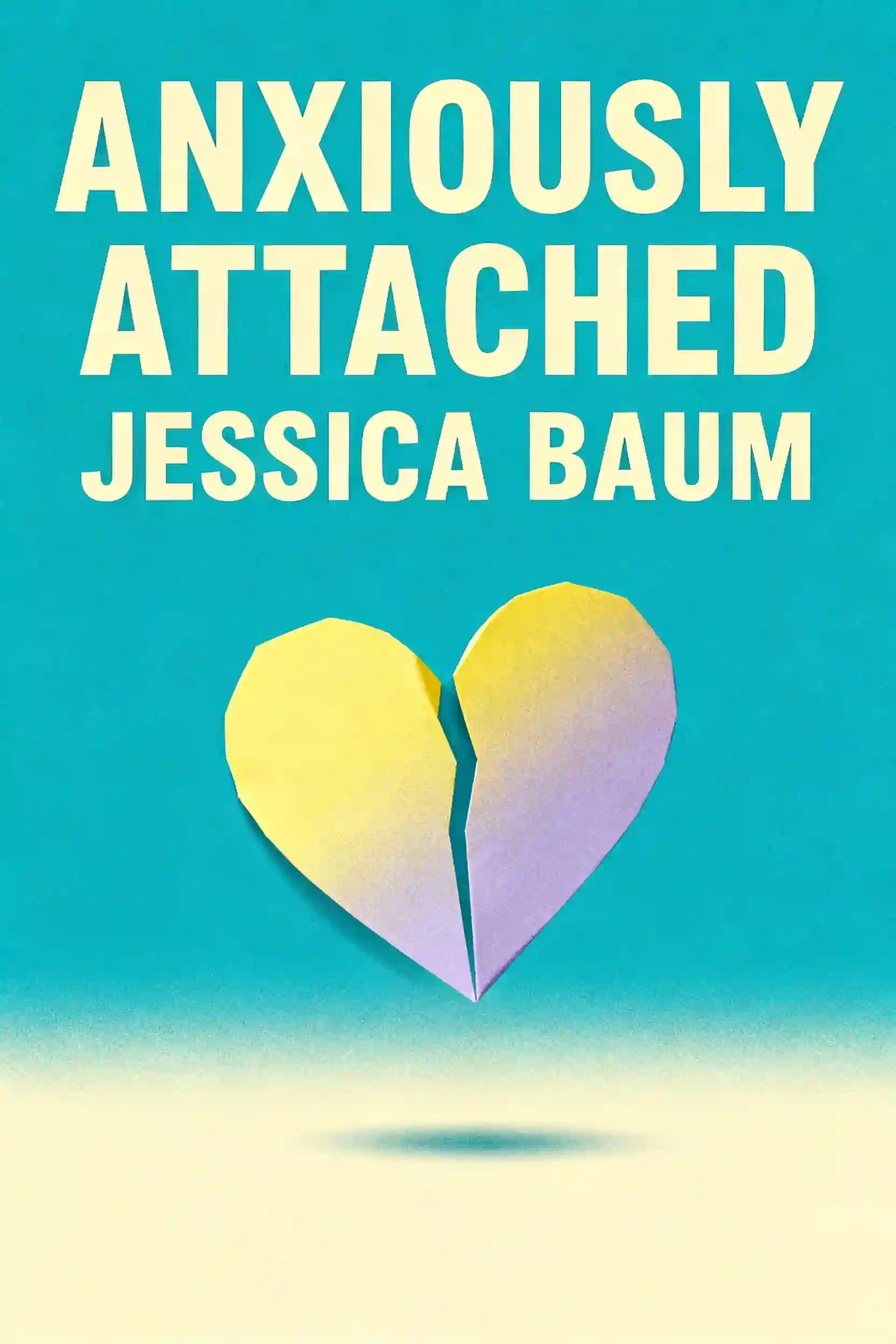
    Anxiously Attached
    How to Heal Disorganized Attachment in a Relationship
    link
    https://blog.earkick.com/how-to-heal-disorganized-attachment-in-a-relationship/
    Stop Walking on Eggshells
    Disorganized Attachment in Marriage - Therapevo Counseling
    link
    https://therapevo.com/podcasts/disorganized-attachment-in-marriage/
    From Chaos to Connection: Understanding Disorganized Attachment Across the Lifespan
    link
    https://integratedcareclinic.com/blog/from-chaos-to-connection-understanding-disorganized-attachment-across-the-lifespan/

    もっと発見

    Heal my attachment style

    Heal my attachment style

    学習プラン

    Heal my attachment style

    Attachment patterns formed in childhood profoundly impact adult relationships, influencing how we love, trust, and connect with others. This learning plan helps anyone struggling with anxious or avoidant attachment patterns, relationship anxiety, fear of intimacy, or repeated relationship challenges to develop the secure attachment foundation needed for healthy, fulfilling connections.

    2 h 54 m•4 セクション
    Heal attachment & OCD for better bonds

    Heal attachment & OCD for better bonds

    学習プラン

    Heal attachment & OCD for better bonds

    This learning plan is designed for individuals who struggle with anxiety, OCD, or insecure attachment patterns that interfere with romantic relationships and personal happiness. It combines clinical psychology, attachment theory, and mindfulness practices to address both individual mental health and relationship dynamics. Whether you're experiencing relationship difficulties, managing intrusive thoughts, or seeking to break cycles from past relationships, this integrated approach provides tools for both personal healing and building secure, fulfilling partnerships.

    2 h 10 m•4 セクション
    Manage anxious attachment in relationships

    Manage anxious attachment in relationships

    学習プラン

    Manage anxious attachment in relationships

    Anxious attachment patterns can significantly disrupt relationships, causing excessive worry, need for reassurance, and fear of abandonment. This learning plan helps those struggling with relationship anxiety understand their attachment style, regulate their emotions, and build healthier, more secure connections.

    3 h 50 m•4 セクション
    Lead and deepen avoidant partner connections

    Lead and deepen avoidant partner connections

    学習プラン

    Lead and deepen avoidant partner connections

    This plan is essential for individuals struggling with the push-pull dynamic of avoidant relationships. It provides the psychological tools and communication frameworks needed to bridge emotional gaps and build lasting security with a partner who tends to withdraw.

    2 h 58 m•4 セクション
    Navigate avoidant partner dynamic with BPD

    Navigate avoidant partner dynamic with BPD

    学習プラン

    Navigate avoidant partner dynamic with BPD

    This plan is essential for individuals struggling with the high-conflict nature of BPD and avoidant attachment pairings. It provides the psychological insight and practical regulation tools needed to transform volatile interactions into a stable, secure connection.

    2 h 17 m•4 セクション
    Intimacy

    Intimacy

    学習プラン

    Intimacy

    Modern relationships often struggle due to unexamined attachment styles and a lack of emotional tools. This plan is essential for individuals or couples seeking to move past surface-level interactions and build a resilient, scientifically-backed foundation for lifelong closeness.

    2 h 54 m•4 セクション
    Have a more loving, supportive marriage

    Have a more loving, supportive marriage

    学習プラン

    Have a more loving, supportive marriage

    Every marriage faces challenges, but couples who actively develop relationship skills create stronger, more fulfilling partnerships. This learning plan provides practical tools for couples seeking to transform their relationship from merely functional to deeply connected and mutually supportive.

    1 h 33 m•4 セクション
    Understand Your Partner's ...

    Understand Your Partner's ...

    学習プラン

    Understand Your Partner's ...

    Attachment styles formed in childhood significantly impact our adult relationships, often creating unconscious patterns that drive conflicts and disconnection. This learning plan helps couples understand these hidden dynamics, offering practical tools to break negative cycles and build stronger, more secure bonds regardless of starting attachment styles.

    2 h 46 m•4 セクション

    コロンビア大学卒業生がサンフランシスコで開発

    BeFreedは1,000,000の好奇心旺盛な仲間が集うグローバルコミュニティ
    BeFreedがウェブ上でどのように話題になっているかをもっと見る

    "Instead of endless scrolling, I just hit play on BeFreed. It saves me so much time."

    @Moemenn
    platform
    star
    star
    star
    star
    star

    "I never knew where to start with nonfiction—BeFreed’s book lists turned into podcasts gave me a clear path."

    @Chloe, Solo founder, LA
    platform
    comments
    12
    likes
    117

    "Perfect balance between learning and entertainment. Finished ‘Thinking, Fast and Slow’ on my commute this week."

    @Raaaaaachelw
    platform
    star
    star
    star
    star
    star

    "Crazy how much I learned while walking the dog. BeFreed = small habits → big gains."

    @Matt, YC alum
    platform
    comments
    12
    likes
    108

    "Reading used to feel like a chore. Now it’s just part of my lifestyle."

    @Erin, Investment Banking Associate , NYC
    platform
    comments
    254
    likes
    17

    "Feels effortless compared to reading. I’ve finished 6 books this month already."

    @djmikemoore
    platform
    star
    star
    star
    star
    star

    "BeFreed turned my guilty doomscrolling into something that feels productive and inspiring."

    @Pitiful
    platform
    comments
    96
    likes
    4.5K

    "BeFreed turned my commute into learning time. 20-min podcasts are perfect for finishing books I never had time for."

    @SofiaP
    platform
    star
    star
    star
    star
    star

    "BeFreed replaced my podcast queue. Imagine Spotify for books — that’s it. 🙌"

    @Jaded_Falcon
    platform
    comments
    201
    thumbsUp
    16

    "It is great for me to learn something from the book without reading it."

    @OojasSalunke
    platform
    star
    star
    star
    star
    star

    "The themed book list podcasts help me connect ideas across authors—like a guided audio journey."

    @Leo, Law Student, UPenn
    platform
    comments
    37
    likes
    483

    "Makes me feel smarter every time before going to work"

    @Cashflowbubu
    platform
    star
    star
    star
    star
    star

    コロンビア大学卒業生がサンフランシスコで開発

    BeFreedは1,000,000の好奇心旺盛な仲間が集うグローバルコミュニティ
    BeFreedがウェブ上でどのように話題になっているかをもっと見る

    "Instead of endless scrolling, I just hit play on BeFreed. It saves me so much time."

    @Moemenn
    platform
    star
    star
    star
    star
    star

    "I never knew where to start with nonfiction—BeFreed’s book lists turned into podcasts gave me a clear path."

    @Chloe, Solo founder, LA
    platform
    comments
    12
    likes
    117

    "Perfect balance between learning and entertainment. Finished ‘Thinking, Fast and Slow’ on my commute this week."

    @Raaaaaachelw
    platform
    star
    star
    star
    star
    star

    "Crazy how much I learned while walking the dog. BeFreed = small habits → big gains."

    @Matt, YC alum
    platform
    comments
    12
    likes
    108

    "Reading used to feel like a chore. Now it’s just part of my lifestyle."

    @Erin, Investment Banking Associate , NYC
    platform
    comments
    254
    likes
    17

    "Feels effortless compared to reading. I’ve finished 6 books this month already."

    @djmikemoore
    platform
    star
    star
    star
    star
    star

    "BeFreed turned my guilty doomscrolling into something that feels productive and inspiring."

    @Pitiful
    platform
    comments
    96
    likes
    4.5K

    "BeFreed turned my commute into learning time. 20-min podcasts are perfect for finishing books I never had time for."

    @SofiaP
    platform
    star
    star
    star
    star
    star

    "BeFreed replaced my podcast queue. Imagine Spotify for books — that’s it. 🙌"

    @Jaded_Falcon
    platform
    comments
    201
    thumbsUp
    16

    "It is great for me to learn something from the book without reading it."

    @OojasSalunke
    platform
    star
    star
    star
    star
    star

    "The themed book list podcasts help me connect ideas across authors—like a guided audio journey."

    @Leo, Law Student, UPenn
    platform
    comments
    37
    likes
    483

    "Makes me feel smarter every time before going to work"

    @Cashflowbubu
    platform
    star
    star
    star
    star
    star

    "Instead of endless scrolling, I just hit play on BeFreed. It saves me so much time."

    @Moemenn
    platform
    star
    star
    star
    star
    star

    "I never knew where to start with nonfiction—BeFreed’s book lists turned into podcasts gave me a clear path."

    @Chloe, Solo founder, LA
    platform
    comments
    12
    likes
    117

    "Perfect balance between learning and entertainment. Finished ‘Thinking, Fast and Slow’ on my commute this week."

    @Raaaaaachelw
    platform
    star
    star
    star
    star
    star

    "Crazy how much I learned while walking the dog. BeFreed = small habits → big gains."

    @Matt, YC alum
    platform
    comments
    12
    likes
    108

    "Reading used to feel like a chore. Now it’s just part of my lifestyle."

    @Erin, Investment Banking Associate , NYC
    platform
    comments
    254
    likes
    17

    "Feels effortless compared to reading. I’ve finished 6 books this month already."

    @djmikemoore
    platform
    star
    star
    star
    star
    star

    "BeFreed turned my guilty doomscrolling into something that feels productive and inspiring."

    @Pitiful
    platform
    comments
    96
    likes
    4.5K

    "BeFreed turned my commute into learning time. 20-min podcasts are perfect for finishing books I never had time for."

    @SofiaP
    platform
    star
    star
    star
    star
    star

    "BeFreed replaced my podcast queue. Imagine Spotify for books — that’s it. 🙌"

    @Jaded_Falcon
    platform
    comments
    201
    thumbsUp
    16

    "It is great for me to learn something from the book without reading it."

    @OojasSalunke
    platform
    star
    star
    star
    star
    star

    "The themed book list podcasts help me connect ideas across authors—like a guided audio journey."

    @Leo, Law Student, UPenn
    platform
    comments
    37
    likes
    483

    "Makes me feel smarter every time before going to work"

    @Cashflowbubu
    platform
    star
    star
    star
    star
    star

    "Instead of endless scrolling, I just hit play on BeFreed. It saves me so much time."

    @Moemenn
    platform
    star
    star
    star
    star
    star

    "I never knew where to start with nonfiction—BeFreed’s book lists turned into podcasts gave me a clear path."

    @Chloe, Solo founder, LA
    platform
    comments
    12
    likes
    117

    "Perfect balance between learning and entertainment. Finished ‘Thinking, Fast and Slow’ on my commute this week."

    @Raaaaaachelw
    platform
    star
    star
    star
    star
    star

    "Crazy how much I learned while walking the dog. BeFreed = small habits → big gains."

    @Matt, YC alum
    platform
    comments
    12
    likes
    108

    "Reading used to feel like a chore. Now it’s just part of my lifestyle."

    @Erin, Investment Banking Associate , NYC
    platform
    comments
    254
    likes
    17

    "Feels effortless compared to reading. I’ve finished 6 books this month already."

    @djmikemoore
    platform
    star
    star
    star
    star
    star

    "BeFreed turned my guilty doomscrolling into something that feels productive and inspiring."

    @Pitiful
    platform
    comments
    96
    likes
    4.5K

    "BeFreed turned my commute into learning time. 20-min podcasts are perfect for finishing books I never had time for."

    @SofiaP
    platform
    star
    star
    star
    star
    star

    "BeFreed replaced my podcast queue. Imagine Spotify for books — that’s it. 🙌"

    @Jaded_Falcon
    platform
    comments
    201
    thumbsUp
    16

    "It is great for me to learn something from the book without reading it."

    @OojasSalunke
    platform
    star
    star
    star
    star
    star

    "The themed book list podcasts help me connect ideas across authors—like a guided audio journey."

    @Leo, Law Student, UPenn
    platform
    comments
    37
    likes
    483

    "Makes me feel smarter every time before going to work"

    @Cashflowbubu
    platform
    star
    star
    star
    star
    star
    1.5K Ratings4.7
    今すぐ学習の旅を始めよう
    BeFreed App
    BeFreed

    なんでも、あなた向けに学ぶ

    DiscordLinkedIn
    注目の書籍要約
    Crucial ConversationsThe Perfect MarriageInto the WildNever Split the DifferenceAttachedGood to GreatSay Nothing
    人気のカテゴリ
    Self HelpCommunication SkillRelationshipMindfulnessPhilosophyInspirationProductivity
    著名人の読書リスト
    Elon MuskCharlie KirkBill GatesSteve JobsAndrew HubermanJoe RoganJordan Peterson
    受賞作品コレクション
    Pulitzer PrizeNational Book AwardGoodreads Choice AwardsNobel Prize in LiteratureNew York TimesCaldecott MedalNebula Award
    注目のトピック
    ManagementAmerican HistoryWarTradingStoicismAnxietySex
    年別ベストブック
    2025 Best Non Fiction Books2024 Best Non Fiction Books2023 Best Non Fiction Books
    注目の著者
    Chimamanda Ngozi AdichieGeorge OrwellO. J. SimpsonBarbara O'NeillWinston ChurchillCharlie Kirk
    BeFreed vs 他のアプリ
    BeFreed vs. Other Book Summary AppsBeFreed vs. ElevenReaderBeFreed vs. ReadwiseBeFreed vs. Anki
    学習ツール
    Knowledge VisualizerAI Podcast Generator
    情報
    会社概要arrow
    料金arrow
    よくある質問arrow
    ブログarrow
    採用情報arrow
    パートナーシップarrow
    アンバサダープログラムarrow
    ディレクトリarrow
    BeFreed
    Try now
    © 2026 BeFreed
    利用規約プライバシーポリシー
    BeFreed

    なんでも、あなた向けに学ぶ

    DiscordLinkedIn
    注目の書籍要約
    Crucial ConversationsThe Perfect MarriageInto the WildNever Split the DifferenceAttachedGood to GreatSay Nothing
    人気のカテゴリ
    Self HelpCommunication SkillRelationshipMindfulnessPhilosophyInspirationProductivity
    著名人の読書リスト
    Elon MuskCharlie KirkBill GatesSteve JobsAndrew HubermanJoe RoganJordan Peterson
    受賞作品コレクション
    Pulitzer PrizeNational Book AwardGoodreads Choice AwardsNobel Prize in LiteratureNew York TimesCaldecott MedalNebula Award
    注目のトピック
    ManagementAmerican HistoryWarTradingStoicismAnxietySex
    年別ベストブック
    2025 Best Non Fiction Books2024 Best Non Fiction Books2023 Best Non Fiction Books
    学習ツール
    Knowledge VisualizerAI Podcast Generator
    注目の著者
    Chimamanda Ngozi AdichieGeorge OrwellO. J. SimpsonBarbara O'NeillWinston ChurchillCharlie Kirk
    BeFreed vs 他のアプリ
    BeFreed vs. Other Book Summary AppsBeFreed vs. ElevenReaderBeFreed vs. ReadwiseBeFreed vs. Anki
    情報
    会社概要arrow
    料金arrow
    よくある質問arrow
    ブログarrow
    採用情報arrow
    パートナーシップarrow
    アンバサダープログラムarrow
    ディレクトリarrow
    BeFreed
    Try now
    © 2026 BeFreed
    利用規約プライバシーポリシー

    重要なポイント

    1

    Welcome and Opening Thoughts

    0:00

    Lena: Hey everyone, welcome back to another personalized podcast from BeFreed-Eli and I are really excited to dive into today's conversation about something that touches so many relationships in profound ways.

    0:11

    Eli: Absolutely, Lena! And you know what? This is one of those topics where understanding can literally transform how we show up for the people we love most. We're talking about disorganized attachment-specifically how to understand and support a spouse who has this attachment style while still maintaining your own emotional well-being and boundaries.

    0:29

    Lena: Right, and that balance piece is so crucial, isn't it? Because I think a lot of people find themselves in this place where they want to be supportive, they want to be loving, but they're also feeling completely drained or confused by these push-pull dynamics in their relationship.

    0:44

    Eli: Exactly! It's like you're trying to love someone who simultaneously needs you desperately and pushes you away-and that can feel incredibly confusing and emotionally exhausting. But here's the thing-there's so much hope in understanding what's actually happening beneath the surface.

    2

    Understanding the Disorganized Attachment Landscape

    1:00

    Lena: So let's start with the basics, Eli. When we talk about disorganized attachment, what are we really describing here?

    1:07

    Eli: Great question! So disorganized attachment-sometimes called fearful avoidant attachment-is essentially what happens when someone's early caregiving experiences were unpredictable, inconsistent, or even frightening. I was just reading about this in "How to help a partner with disorganized attachment," and what really struck me is how these children learn to both seek comfort and fear it at the same time.

    1:30

    Lena: That sounds like such an impossible position for a child to be in.

    1:34

    Eli: It really is! Mary Main, one of the key attachment researchers, actually calls it "fear without solution." Imagine being a child where your caregiver is both your source of safety and your source of fear. That creates this profound internal conflict that follows people into adulthood.

    1:51

    Lena: And that's where we see these confusing relationship patterns emerge, right? From what I've been reading in "From Chaos to Connection," it seems like adults with disorganized attachment experience this constant internal battle between desperately wanting closeness and being terrified of it.

    0:44

    Eli: Exactly! And here's what's fascinating-research shows that about 25% of people have anxious attachment, 19% are avoidant, and 56% are secure. But disorganized attachment, while less common, creates some of the most challenging relationship dynamics because it combines elements of both anxious and avoidant patterns.

    2:27

    Lena: So someone might be clingy one day and completely distant the next?

    2:31

    Eli: Right! And it's not intentional manipulation-though I know it can feel that way to partners. It's this genuine internal conflict playing out. One moment they're desperately seeking reassurance, and the next they're sabotaging the relationship because closeness feels too threatening.

    2:47

    Lena: That makes so much sense when you think about it from a survival perspective. If love and fear were intertwined in childhood, of course that would create confusion around intimacy as an adult.

    3

    The Push-Pull Dance: Recognizing the Patterns

    2:57

    Lena: Let's talk about what this actually looks like in a marriage or committed relationship. What are the signs that listeners might recognize?

    3:05

    Eli: Oh, this is so important to understand! From "Disorganized Attachment in Marriage," we see several key patterns. First, there's this intense push-pull behavior-moving toward their partner and then pulling away, sometimes within the same conversation.

    3:18

    Lena: And I imagine that can feel really confusing for the other partner, right? Like, "Wait, I thought we were having a good moment, and now suddenly you're shutting down?"

    3:27

    Eli: Absolutely! And then there's this fear of abandonment that might show up as clinginess, but also a fear of engulfment where closeness feels threatening. It's like they're caught between "Don't leave me" and "Don't come too close."

    3:38

    Lena: That internal conflict must be exhausting for the person experiencing it.

    3:42

    Eli: It really is. And what's particularly challenging is the mood swings and emotional shutdowns that can be triggered by seemingly small things. What might feel like a minor disagreement to one partner can feel catastrophic to someone with disorganized attachment.

    3:55

    Lena: I'm thinking about something I read in "Stop Walking on Eggshells"-how partners often find themselves constantly monitoring their words and actions, feeling like they're walking through an emotional minefield.

    4:06

    Eli: Yes! That's such a vivid way to describe it. Partners might notice they're always checking their tone, wondering which version of their spouse they'll encounter when they come home, or feeling like they can never quite get it right.

    4:17

    Lena: And that hypervigilance can be really draining over time.

    4:20

    Eli: Definitely. But here's what's crucial to understand-and this comes through clearly in "Anxiously Attached"-these reactions aren't calculated. They're genuine perceptions shaped by an emotional system that functions differently. When someone with disorganized attachment feels triggered, their nervous system literally goes into fight-or-flight mode.

    4

    The Roots Run Deep: Childhood Origins and Adult Manifestations

    4:38

    Lena: Let's dig deeper into where this all begins, because I think understanding the origins helps build compassion, doesn't it?

    4:46

    Eli: Absolutely. From "From Chaos to Connection," we learn that disorganized attachment typically develops when children grow up in environments where they're actually afraid of their caregiver-but that same caregiver is also their only source of safety and protection.

    5:00

    Lena: That's such a profound contradiction for a developing mind to navigate.

    2:31

    Eli: Right! It might be outright abuse, but it could also be more subtle-like a parent who's emotionally unpredictable, struggling with their own unresolved trauma, or dealing with substance abuse. The child learns that relationships are simultaneously necessary and dangerous.

    5:19

    Lena: And what's particularly heartbreaking is how this shows up in those early attachment experiments. Children with disorganized attachment would approach their caregiver when they returned, but then suddenly change their mind or freeze up.

    0:44

    Eli: Exactly! They have this intrinsic need to approach for comfort, but they also experience anything from uncertainty to terror about what might happen when they get close. It's like their attachment system is completely confused about whether this person is safe or dangerous.

    5:47

    Lena: And then this pattern gets carried forward into adult relationships. From "Anxiously Attached," I learned about this concept called the "Little Me Pact"-how these childhood experiences create unconscious agreements about what love means.

    5:59

    Eli: That's such a powerful concept! Jessica Baum talks about how what appears as poor choices to our adult self feels deeply familiar to our inner child. If chaos and unpredictability were what love looked like in childhood, then stable, consistent love might actually feel foreign or even boring.

    6:15

    Lena: So someone might unconsciously choose partners who recreate those familiar but painful dynamics?

    6:21

    Eli: Exactly. Or they might sabotage relationships that feel too safe because their nervous system is literally wired to expect chaos. From "From Chaos to Connection," we learn that chaos can actually feel safer than calm for someone with this attachment style because it's what they know how to navigate.

    5

    The Nervous System Connection: When Bodies Remember What Minds Forget

    6:38

    Lena: This brings up something really important about how trauma lives in the body, doesn't it? It's not just psychological-it's physiological.

    6:45

    Eli: Oh, absolutely! This is where the research gets really fascinating. When someone with disorganized attachment feels triggered-maybe their partner doesn't text back quickly or seems a little distant-their rational mind might know everything is probably fine, but their body goes into full alarm mode.

    7:01

    Lena: So we're talking about heart racing, thoughts spiraling, that fight-or-flight response kicking in even over seemingly small things?

    0:44

    Eli: Exactly! And this is crucial for partners to understand-it's not an overreaction or manipulation. Their nervous system is genuinely perceiving threat. From "Anxiously Attached," we learn that about 80% of communication flows from the heart to the brain through something called the intrinsic cardiac nervous system.

    7:27

    Lena: So when someone says they have a "gut feeling" about something, there's actually real neurological basis for that?

    2:31

    Eli: Right! The heart functions like a second brain, and for someone with disorganized attachment, that heart-brain might be constantly scanning for signs of rejection or abandonment. It's hypervigilant because it learned early that love could disappear or turn dangerous at any moment.

    7:47

    Lena: And I imagine this creates a cycle, right? The more they react from that triggered place, the more their partner might pull away, which confirms their worst fears about abandonment.

    0:44

    Eli: Exactly! It becomes this self-fulfilling prophecy. From "Stop Walking on Eggshells," we see how this can create what's called intermittent reinforcement-where positive moments come unpredictably, making the partner almost addicted to those rare instances of connection while tolerating increasingly difficult behavior.

    8:14

    Lena: That sounds like it could trap both people in really unhealthy patterns.

    8:17

    Eli: It can, but here's the hopeful part-understanding these patterns is the first step to changing them. When both partners understand what's happening at a nervous system level, they can start responding differently.

    6

    The Intersection with Other Challenges: When Disorganized Attachment Meets Additional Complexities

    8:30

    Lena: I want to touch on something that might be particularly challenging for our listeners. What happens when disorganized attachment intersects with other issues, like narcissistic traits or borderline personality patterns?

    8:42

    Eli: This is such an important topic, Lena. From "Stop Walking on Eggshells," we learn that about 40% of people with borderline personality disorder also have narcissistic traits. And there can be overlap between these conditions and disorganized attachment.

    8:56

    Lena: So we might see someone who has this core fear of abandonment from disorganized attachment, but they also have difficulty with empathy or emotional regulation that comes from other sources?

    9:06

    Eli: Right. And what makes this particularly complex is that both disorganized attachment and borderline traits can involve this push-pull dynamic, but the underlying motivations might be different. With disorganized attachment, it's primarily about that core conflict between needing and fearing closeness.

    9:22

    Lena: Whereas with borderline traits, there might be more splitting-seeing people as either completely good or completely bad?

    0:44

    Eli: Exactly! And from "Stop Walking on Eggshells," we see how this can manifest as emotional abuse cycles, suicide threats, or other behaviors that gradually erode the partner's self-esteem. The partner might find themselves socially isolated, constantly walking on eggshells, experiencing physical symptoms from chronic stress.

    9:45

    Lena: That sounds incredibly difficult to navigate. How do you maintain compassion while also protecting yourself?

    9:51

    Eli: That's the million-dollar question, isn't it? And this is where boundaries become absolutely crucial. From "How to Heal Disorganized Attachment in a Relationship," we learn about the importance of "detaching with love"-creating healthy separation from harmful behaviors while remaining compassionate toward the person.

    10:07

    Lena: Can you give our listeners a concrete example of what that might look like?

    10:10

    Eli: Sure! Let's say your partner is having an emotional meltdown and starts saying hurtful things. Detaching with love might sound like: "I can see you're really hurting right now, and I care about you. I'm going to give you some space to calm down, and we can talk about this when we're both feeling more centered."

    10:24

    Lena: So you're acknowledging their pain without absorbing it or trying to fix it?

    0:44

    Eli: Exactly! You're neither suffering for their actions nor trying to prevent their consequences. You're letting them handle their own emotional experience while maintaining your own well-being.

    7

    Building Bridges: Communication Strategies That Actually Work

    10:38

    Lena: Let's get practical for our listeners. What are some specific communication strategies that can help when you're in relationship with someone who has disorganized attachment?

    10:47

    Eli: This is where the research really shines, Lena. From "Stop Walking on Eggshells," we learn about avoiding what they call the "Four Don'ts"-defending, denying, counterattacking, or withdrawing. Instead, you want to defuse situations by finding something you can agree with.

    11:02

    Lena: So instead of getting defensive when they say something like "You never spend time with me," you might respond how?

    11:08

    Eli: You could say something like: "I can see you're feeling lonely right now, and that makes sense. I remember us spending Sunday together, but I hear that you need more connection." You're validating their emotional experience while gently introducing reality.

    11:20

    Lena: That's so different from the natural impulse to defend yourself or point out the facts right away.

    2:31

    Eli: Right! And here's why that works-from "How to help a partner with disorganized attachment," we learn that people with this attachment style often align facts with feelings. So you need to address the emotion first before the logic will be heard.

    11:38

    Lena: That makes so much sense. Their emotional brain is essentially hijacking their logical brain in those moments.

    0:44

    Eli: Exactly! And from "Anxiously Attached," we see the importance of what they call "reality statements"-acknowledging different viewpoints while maintaining boundaries. Something like: "I appreciate that you see it differently, and I understand you're upset. I'm still not comfortable with that behavior, but I want to work together to find a solution."

    12:00

    Lena: So you're not dismissing their perspective, but you're also not abandoning your own needs?

    2:31

    Eli: Right! And consistency is huge here. From "How to help a partner with disorganized attachment," one of the most important things you can do is keep your words and actions aligned, follow through on promises-even small ones-and offer gentle reassurance, especially after they've withdrawn.

    12:21

    Lena: Because predictability helps build that sense of safety their nervous system is craving?

    0:44

    Eli: Exactly! Their attachment system learned that love was unpredictable, so consistent, reliable behavior slowly helps rewire those expectations.

    8

    The Healing Journey: Hope for Transformation

    12:34

    Lena: I want to make sure our listeners understand that change is possible here. What does healing look like for someone with disorganized attachment?

    12:42

    Eli: Oh, this is the beautiful part, Lena! From multiple sources, we see that people can develop what's called "earned secure attachment." Even if someone didn't have secure attachment in childhood, they can create it through healing relationships and therapeutic work.

    12:55

    Lena: So it's not like they're doomed to repeat these patterns forever?

    12:59

    Eli: Not at all! From "From Chaos to Connection," we learn that even one secure, supportive relationship can create powerful opportunities for emotional repair. If you're the more stable partner, your steady presence can give your loved one new experiences of safety.

    13:12

    Lena: But I imagine the person with disorganized attachment has to be willing to do their own work too, right?

    4:46

    Eli: Absolutely. From "How to Heal Disorganized Attachment in a Relationship," healing involves becoming what they call "the emotional detective"-learning to recognize triggers, developing self-soothing skills, and building self-awareness about their patterns.

    13:30

    Lena: What might that look like practically?

    13:32

    Eli: Well, they might start keeping track of their triggers in a journal, noticing when their heart starts racing or when they feel numb. When that happens, they can practice grounding techniques-like pressing their feet into the floor and naming three things they can see or touch.

    13:43

    Lena: So it's about building that pause between trigger and reaction?

    0:44

    Eli: Exactly! And from "Anxiously Attached," we see the importance of connecting with what they call "Little Me"-that wounded inner child who's still operating from those early survival strategies. Healing involves creating a safe inner environment where those painful feelings can emerge and be processed.

    14:02

    Lena: That sounds like it requires a lot of self-compassion.

    14:04

    Eli: It does! And often professional help. Therapies like EMDR, dialectical behavior therapy, and attachment-focused approaches can work wonders on those deep-seated emotional patterns. The key is making sense of childhood experiences and shifting those negative beliefs about self and others.

    9

    Supporting Your Partner While Caring for Yourself

    14:21

    Lena: This brings us to something so important for our listeners-how do you support someone through this healing process without losing yourself in the process?

    14:30

    Eli: This is crucial, Lena. From "How to help a partner with disorganized attachment," we see that caring for yourself isn't selfish-it's essential for the relationship's health. You can't pour from an empty cup.

    14:42

    Lena: What does self-care look like in this context?

    14:45

    Eli: Well, first, it means recognizing that you can be supportive but you cannot "fix" your partner. Their healing is ultimately their responsibility. From "Stop Walking on Eggshells," we learn about setting boundaries that honor your limits while still showing love.

    14:58

    Lena: Can you give our listeners an example of what a healthy boundary might sound like?

    10:10

    Eli: Sure! It might be something like: "I love you and I want to support you through this difficult time. I'm not comfortable being yelled at, so if our conversation gets heated, I'm going to take a break and we can try again when we're both calmer."

    15:14

    Lena: So you're not threatening to leave or punishing them, but you're also not accepting harmful behavior?

    0:44

    Eli: Exactly! And from "How to help a partner with disorganized attachment," we see the importance of building your own support system. This might mean therapy for yourself, connecting with friends and family, or joining support groups for partners of people with attachment issues.

    15:33

    Lena: Because isolation can make everything feel more intense and overwhelming?

    2:31

    Eli: Right! When you're constantly managing someone else's emotional volatility, you need places where you can process your own feelings and get perspective. From "Stop Walking on Eggshells," we learn that partners often experience their own trauma-like symptoms-hypervigilance, chronic stress, physical health problems.

    15:53

    Lena: That makes sense. If you're constantly in fight-or-flight mode trying to manage your partner's emotions, your own nervous system is going to be impacted.

    3:27

    Eli: Absolutely! And this is where practices like mindfulness, self-compassion, and what "Anxiously Attached" calls "heart awareness" become so important. Regularly checking in with yourself-"How am I feeling right now? What do I need?"-helps you stay connected to your own emotional experience.

    10

    When Professional Help Becomes Essential

    16:18

    Lena: Let's talk about when it might be time to bring in professional support. What are some signs that couples therapy or individual therapy might be needed?

    1:07

    Eli: Great question! From "How to help a partner with disorganized attachment," if the relationship feels stuck despite your best efforts, or if you're seeing patterns of emotional abuse, self-harm, or suicide threats, professional help becomes essential.

    16:39

    Lena: And I imagine there are different therapeutic approaches that work well for attachment issues?

    16:44

    Eli: Definitely! Emotionally Focused Therapy is specifically designed for couples dealing with attachment issues. It helps partners understand their attachment patterns and create new, more secure ways of connecting. For individuals, approaches like AEDP-Accelerated Experiential Dynamic Psychotherapy-can be incredibly healing.

    17:02

    Lena: What makes these approaches different from traditional talk therapy?

    17:05

    Eli: They're specifically designed to work with the nervous system and attachment patterns, not just thoughts and behaviors. From "How to Heal Disorganized Attachment in a Relationship," we see that trauma often lives in the body, so healing approaches need to address that somatic component.

    17:19

    Lena: So it's not enough to just understand intellectually what's happening-you need to help the nervous system learn new patterns of safety?

    0:44

    Eli: Exactly! And from "From Chaos to Connection," we learn that this kind of healing happens in relationship. The therapeutic relationship itself becomes a place to practice new ways of connecting safely.

    11:38

    Lena: That makes so much sense. If the wounds happened in relationship, the healing needs to happen in relationship too.

    2:31

    Eli: Right! And for couples, this might mean learning to have what "Stop Walking on Eggshells" calls "reality conversations"-discussions where both partners can share their perspective without anyone being wrong or right.

    17:55

    Lena: So instead of trying to determine who's correct about what happened, you're focusing on understanding each other's experience?

    0:44

    Eli: Exactly! It's about validation rather than verification. Both people's emotional experiences can be valid even if they remember events differently.

    11

    Navigating Crisis Moments with Wisdom and Compassion

    18:10

    Lena: I want to address something that might be really scary for our listeners-what do you do when there are crisis moments? Things like emotional meltdowns, threats of self-harm, or even suicide threats?

    18:22

    Eli: This is so important to address, Lena. From "Stop Walking on Eggshells," we learn that all suicide threats should be taken seriously, even if they seem manipulative, because about 10% of people with severe attachment trauma do attempt suicide.

    18:35

    Lena: So even if it feels like emotional manipulation, you still need to respond with concern?

    4:46

    Eli: Absolutely. The key is showing concern without reinforcing the behavior. You might say something like: "I can see you're in a lot of pain right now, and I'm worried about you. Let's call your therapist together" or "I care about you too much to ignore when you talk about hurting yourself."

    18:54

    Lena: So you're taking it seriously without getting pulled into the emotional chaos?

    2:31

    Eli: Right! And from "How to Heal Disorganized Attachment in a Relationship," during emotional meltdowns, remember that logical thinking essentially shuts down. It's not the time for problem-solving or reasoning-it's time for safety and de-escalation.

    13:30

    Lena: What might that look like practically?

    19:12

    Eli: You might calmly say: "I can see you're really upset right now. I care about you, and I want to talk about this when we can both think clearly. I'm going to give you some space to calm down." Then you actually leave the situation if it's safe to do so.

    19:24

    Lena: And if there are children involved?

    19:26

    Eli: From "Stop Walking on Eggshells," it's crucial to remove children from volatile situations and help them understand that they're not responsible for the adult's emotions. You might say something age-appropriate like: "Mommy is having big feelings right now, but it's not because of anything you did."

    19:40

    Lena: Because children can easily blame themselves for adult emotional chaos.

    0:44

    Eli: Exactly! And from "From Chaos to Connection," children in these environments often develop their own attachment issues, so protecting them while modeling healthy responses becomes crucial.

    12

    Creating Secure Relationship Patterns Together

    19:54

    Lena: As we start thinking about long-term relationship health, what does it look like to actually build security together when one partner has disorganized attachment?

    20:03

    Eli: This is where the research gets really hopeful, Lena! From "How to help a partner with disorganized attachment," we see that security is built through thousands of small, consistent interactions over time. It's not about grand gestures-it's about reliability in the little things.

    20:19

    Lena: Can you give our listeners some examples of what those small interactions might look like?

    10:10

    Eli: Sure! It might be texting when you say you will, coming home when you say you will, or simply saying "I'm here" when your partner seems anxious. From "Anxiously Attached," we learn that the nervous system learns safety through repeated experiences of predictability and care.

    20:37

    Lena: So it's almost like you're slowly teaching their attachment system that this relationship is different from their early experiences?

    0:44

    Eli: Exactly! And from "From Chaos to Connection," this process involves what researchers call "co-regulation"-where your calm, steady nervous system helps regulate their dysregulated one. Over time, they internalize that capacity for self-regulation.

    20:57

    Lena: That sounds like it requires a lot of patience and emotional maturity from the secure partner.

    21:02

    Eli: It does, and that's why self-care is so crucial. From "How to help a partner with disorganized attachment," if you're constantly depleted, you can't offer that steady presence. You need to fill your own cup first.

    21:13

    Lena: And I imagine there are specific communication patterns that help build security?

    16:44

    Eli: Definitely! From "Stop Walking on Eggshells," instead of saying "You're overreacting," you might say "I can see this is really important to you. Help me understand what you're feeling." You're validating their experience while staying curious rather than defensive.

    21:30

    Lena: So you're creating space for their emotions without necessarily agreeing with their interpretation of events?

    2:31

    Eli: Right! And from "Anxiously Attached," this involves learning to hold what they call "both/and" thinking instead of "either/or." Your partner can be feeling genuinely hurt AND their perception might be influenced by past wounds. Both things can be true.

    13

    Practical Daily Strategies for Relationship Success

    21:50

    Lena: Let's get really practical for our listeners. What are some daily habits or practices that can support a relationship where one partner has disorganized attachment?

    1:07

    Eli: Great question! From "How to Heal Disorganized Attachment in a Relationship," one powerful practice is regular emotional check-ins. Maybe every evening, you both share how you're feeling using simple language-not trying to solve anything, just connecting.

    22:14

    Lena: So it's about creating predictable opportunities for emotional connection?

    0:44

    Eli: Exactly! And from "Anxiously Attached," the practice of "heart awareness" can be really helpful. Both partners can learn to check in with their body-placing awareness in their chest area and noticing what's there without judgment.

    22:30

    Lena: That sounds like it could help both people become more aware of their emotional states before they become overwhelming.

    2:31

    Eli: Right! And from "How to help a partner with disorganized attachment," creating what they call "emotional safety protocols" can be helpful. This might be agreeing that either person can call a timeout if they're feeling triggered, with a specific plan for reconnecting later.

    22:49

    Lena: So instead of just walking away in anger, you're creating a structured way to take breaks when needed?

    0:44

    Eli: Exactly! It might sound like: "I'm feeling overwhelmed right now and need twenty minutes to calm down. Can we revisit this conversation after dinner?" You're taking care of yourself while also reassuring your partner that you're not abandoning the relationship.

    23:07

    Lena: And I imagine having these agreements in place ahead of time makes them easier to use when emotions are running high?

    3:27

    Eli: Absolutely! From "Stop Walking on Eggshells," when people are triggered, their ability to think creatively or problem-solve goes way down. Having pre-planned strategies gives you something to fall back on.

    23:22

    Lena: What about physical practices? Are there things that can help regulate the nervous system on a daily basis?

    23:28

    Eli: Oh, definitely! From "How to Heal Disorganized Attachment in a Relationship," simple grounding techniques like deep breathing, progressive muscle relaxation, or even just taking walks together can help both partners stay more regulated.

    23:39

    Lena: So you're essentially building resilience in your nervous systems?

    2:31

    Eli: Right! And from "Anxiously Attached," practices like journaling can help the person with disorganized attachment track their patterns and triggers. Over time, they might notice: "I always get anxious on Sunday nights" or "I feel triggered when my partner seems tired."

    14

    Celebrating Progress and Maintaining Hope

    23:56

    Lena: As we start wrapping up our conversation, I want to talk about something really important-how do you maintain hope and celebrate progress when healing from disorganized attachment can be such a long process?

    24:09

    Eli: This is crucial, Lena! From "How to Heal Disorganized Attachment in a Relationship," healing happens in micro-moments, not dramatic transformations. Maybe your partner recognized a trigger before it spiraled, or they used a coping skill instead of lashing out. Those small victories are huge!

    24:26

    Lena: So it's about noticing and acknowledging incremental changes rather than waiting for complete transformation?

    0:44

    Eli: Exactly! And from "Anxiously Attached," the journey from anxious or disorganized attachment to earned security is really about developing what they call "self-fullness"-that ability to maintain healthy boundaries while staying connected to others.

    24:47

    Lena: That sounds like such a beautiful goal-being able to love deeply without losing yourself in the process.

    1:34

    Eli: It really is! And from "How to help a partner with disorganized attachment," research shows that even one secure relationship can create powerful opportunities for healing. So for our listeners who are the more secure partner, your steady presence is literally rewiring your loved one's nervous system.

    25:11

    Lena: That's such a profound responsibility and opportunity.

    25:15

    Eli: It is, but it's important to remember from "Stop Walking on Eggshells" that you're not responsible for your partner's healing-you're creating conditions where healing becomes possible. There's a big difference there.

    25:26

    Lena: Right, because ultimately each person has to do their own work.

    0:44

    Eli: Exactly! And from "From Chaos to Connection," what's so hopeful is that disorganized attachment actually brings gifts-deep sensitivity, empathy, and the capacity for profound connection once safety is established.

    25:43

    Lena: So these aren't just wounds to be healed, but also strengths to be celebrated?

    3:27

    Eli: Absolutely! From "Anxiously Attached," people with attachment trauma often develop what's called "post-traumatic growth"-they become more compassionate, more resilient, and more capable of deep intimacy than people who never had to do this healing work.

    15

    Closing Reflections and Moving Forward

    26:02

    Lena: So as we bring this conversation to a close, what would you want our listeners to take away if they're in a relationship with someone who has disorganized attachment?

    26:10

    Eli: First, that you're not alone in this, and what you're experiencing makes complete sense. From all the research we've discussed, these patterns are predictable responses to early trauma-they're not character flaws or personal failings.

    26:23

    Lena: And second, that change really is possible, right?

    3:27

    Eli: Absolutely! From "How to help a partner with disorganized attachment," we see that with understanding, consistency, and often professional support, people can move toward much more secure ways of relating. It takes time and patience, but it's absolutely possible.

    26:40

    Lena: What about for the partners who are supporting someone through this journey?

    26:43

    Eli: Remember that taking care of yourself isn't selfish-it's essential. From "Stop Walking on Eggshells," you can't support someone else's healing if you're depleted or traumatized yourself. Your well-being matters too.

    26:55

    Lena: And I think it's important for our listeners to know that seeking help-whether individual therapy, couples counseling, or support groups-isn't a sign of failure.

    12:59

    Eli: Not at all! From "From Chaos to Connection," healing attachment wounds often requires professional support because these patterns run so deep. Getting help is actually a sign of wisdom and commitment to the relationship.

    27:15

    Lena: For anyone listening who recognizes themselves in the patterns we've described-either as someone with disorganized attachment or as a partner supporting someone-what would be a good first step?

    27:24

    Eli: I'd say start with education and self-awareness. Understanding what's happening beneath the surface takes away so much of the shame and confusion. From "How to Heal Disorganized Attachment in a Relationship," knowledge really is the beginning of transformation.

    27:38

    Lena: And remember that healing happens in relationship. Whether that's with a therapist, a support group, or through the patient, loving work you do with your partner, connection is both the wound and the medicine.

    27:49

    Eli: That's beautifully put, Lena. And on that note, I want to encourage everyone listening to stay curious, keep learning, and remember that every small step toward understanding and healing matters. Your relationships-and your lives-can absolutely transform.

    28:03

    Lena: Absolutely! Thanks for joining us today, everyone. Keep those questions coming, stay curious about your own patterns and growth, and remember that love-real, secure, lasting love-is absolutely possible for all of us.

    28:15

    Eli: Until next time, take care of yourselves and each other!

    関連コンテンツ

    podcast cover
    source 1Healing Disorganized Attachment: A Guide to Emotional RecoveryDisorganized Attachment in Adults: Signs, & Healingsource 4
    6 sources
    Healing Disorganized Attachment: From Chaos to Security
    Discover research-backed strategies to transform disorganized attachment patterns into secure, thriving relationships. Learn practical tools for nervous system healing, reparenting yourself, and building the internal security you've always deserved.
    30 min
    podcast cover
    Stop Walking on EggshellsComplex Borderline Personality DisorderThe Borderline Personality Disorder Survival Guide
    17 sources
    Loving Someone with BPD
    Discover how to build a supportive, balanced relationship with a partner who has borderline personality disorder, focusing on communication strategies, boundary-setting, and mutual growth.
    54 min
    podcast cover
    Anxiously AttachedPolysecureSecure LoveAttached
    25 sources
    Breaking the Anxious-Avoidant Love Trap
    Discover how an anxiously attached woman and trauma-affected avoidant man can transform their push-pull dynamic into lasting love through understanding, patience, and proven strategies.
    33 min
    podcast cover
    source 1source 2source 3source 4
    6 sources
    Avoidant Attachment: Building Secure Love Together
    Discover the hidden emotional world of avoidant attachment and learn practical strategies for both avoidant individuals and their partners to create deeper, more secure connections through understanding, patience, and compassionate healing.
    20 min
    podcast cover
    POWER: Surviving and Thriving After Narcissistic Abuse: A Collection of Essays on Malignant Narcissism and Recovery from Emotional AbuseComplex Borderline Personality DisorderStop Walking on EggshellsIt's My Life Now
    18 sources
    Supporting Your CPTSD Partner: A Love Guide
    Navigate the invisible maze of loving someone with complex PTSD. Learn to create safety, understand triggers, and heal together while protecting your own wellbeing.
    23 min
    podcast cover
    Stop Walking on EggshellsComplex Borderline Personality DisorderThe Borderline Personality Disorder Survival GuideI Hate You—Don't Leave Me
    16 sources
    Loving Through the Storm
    Practical strategies for navigating relationships with partners showing BPD traits, balancing compassion with essential boundaries while fostering stability amid emotional intensity.
    14 min
    book cover
    The Art of Loving
    Erich Fromm
    A philosophical exploration of love as a skill to be mastered, challenging societal misconceptions about relationships and human connection.
    8 min
    book cover
    Why Love Hurts
    Eva Illouz
    A sociological exploration of modern romance, examining how social forces shape our experiences of love, choice, and heartbreak.
    10 min