
Kurdish Autonomy in Crisis
An exploration of how Syrian Kurds went from controlling a third of Syria to rapid retreat, examining their abandoned US alliance, integration into Syrian forces, and uncertain future under new political realities.

Kurdish Autonomy in Crisisのベスト引用
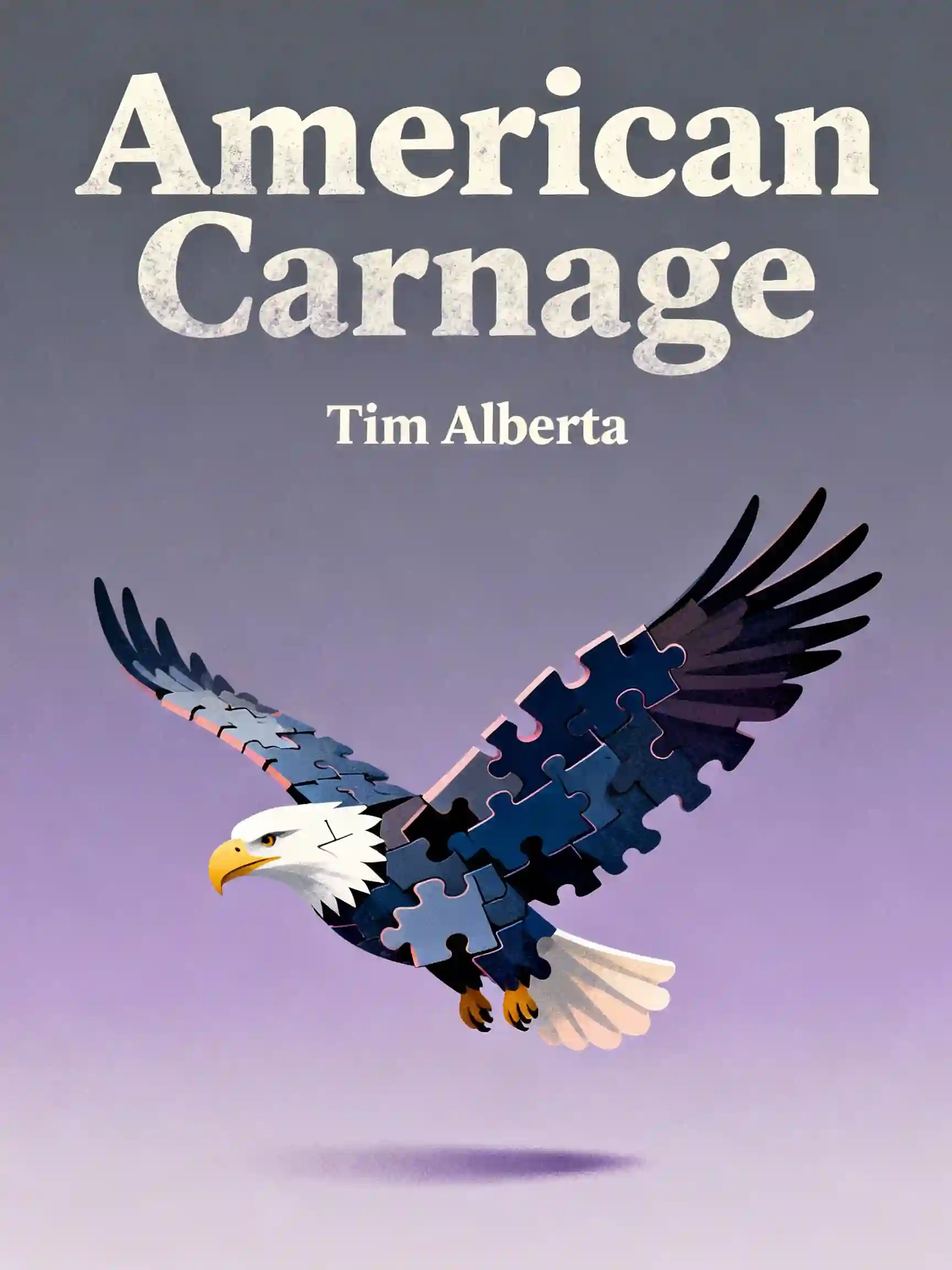
The US was primarily focused on the military partnership, but politically, Washington always maintained that this was 'temporary, tactical, and transactional.' The Kurds, though, seemed to believe they were building something more permanent.

このオーディオレッスンはBeFreedコミュニティメンバーが作成しました
Situation of the kurds in syria rigjt now


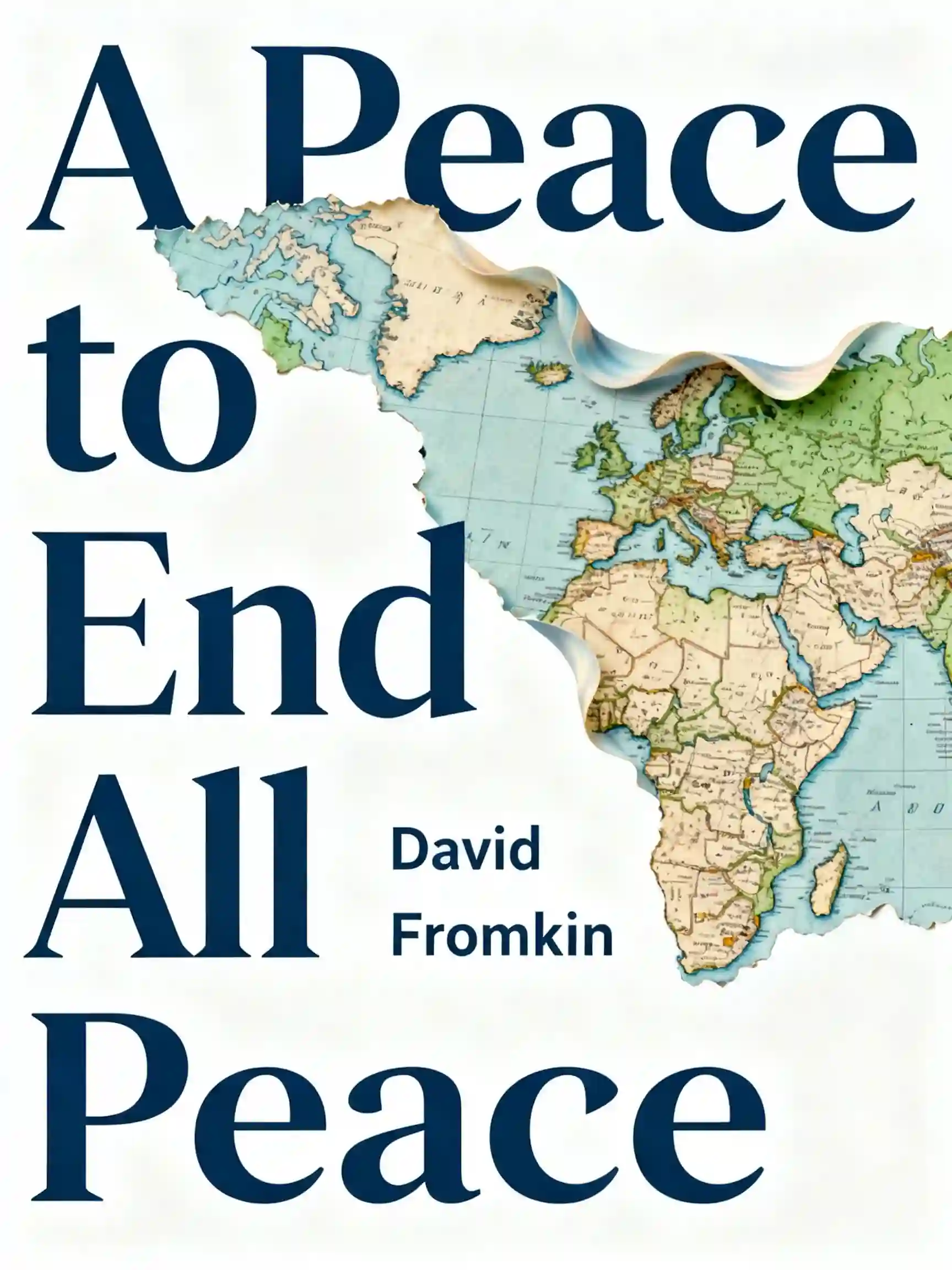
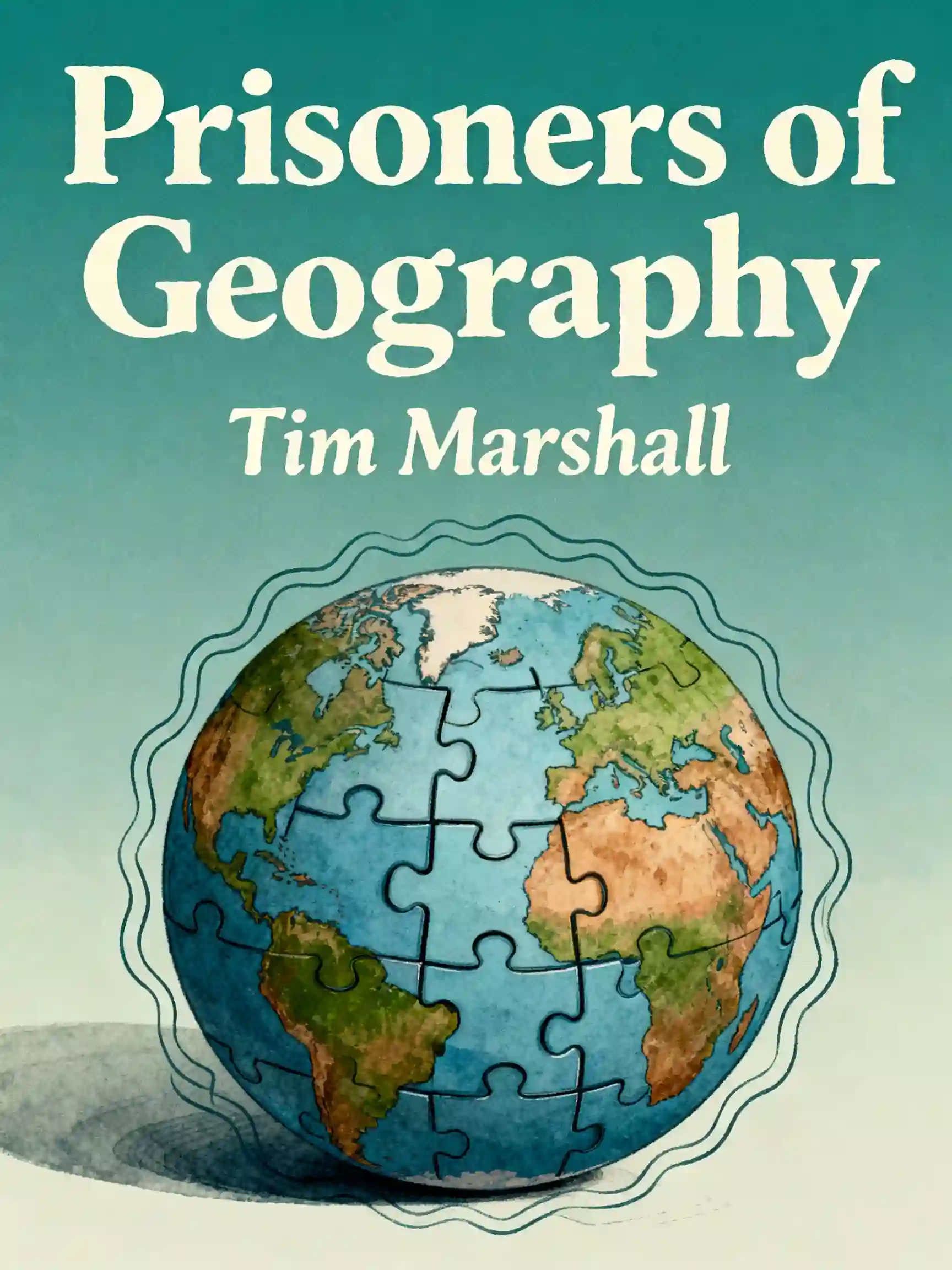
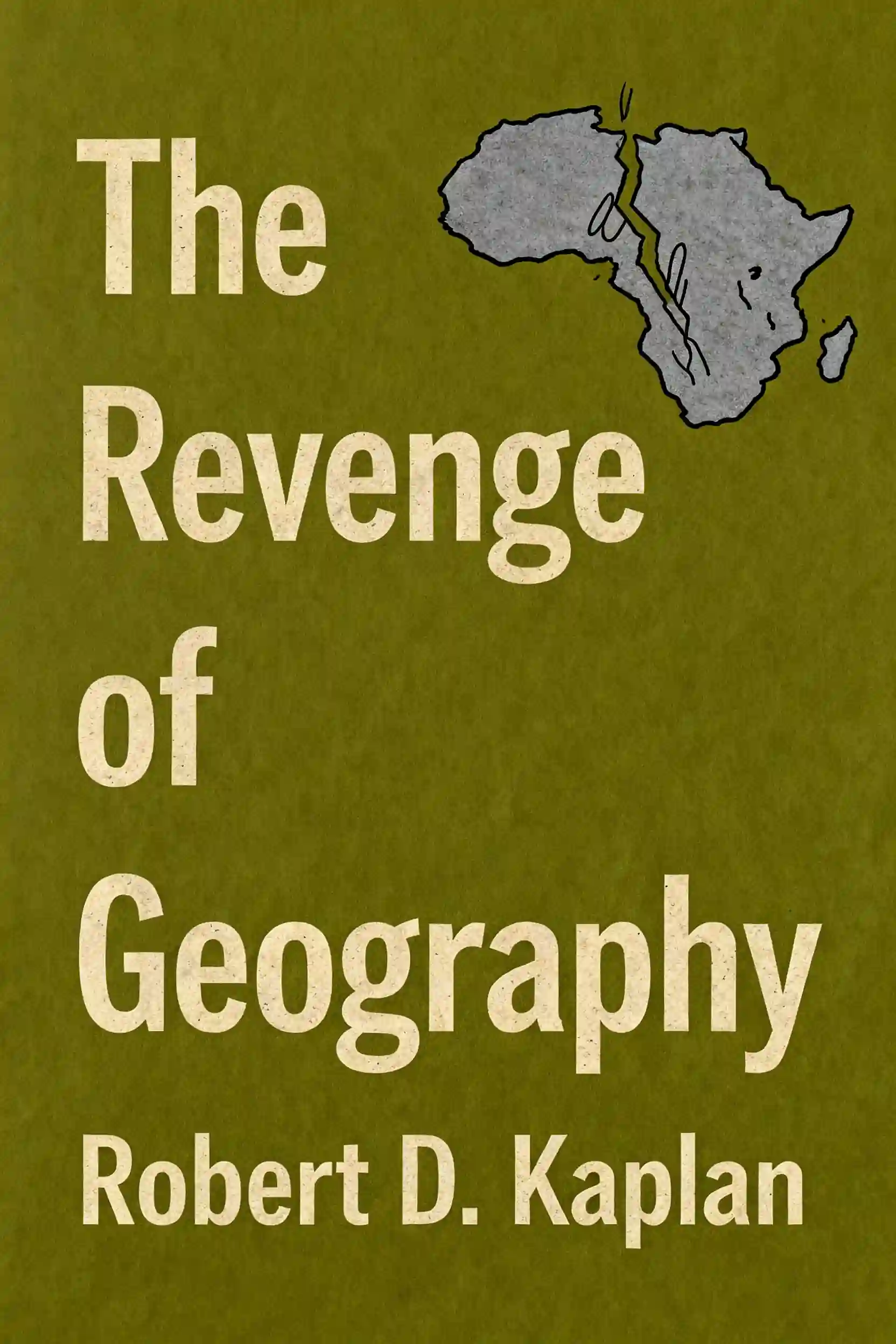
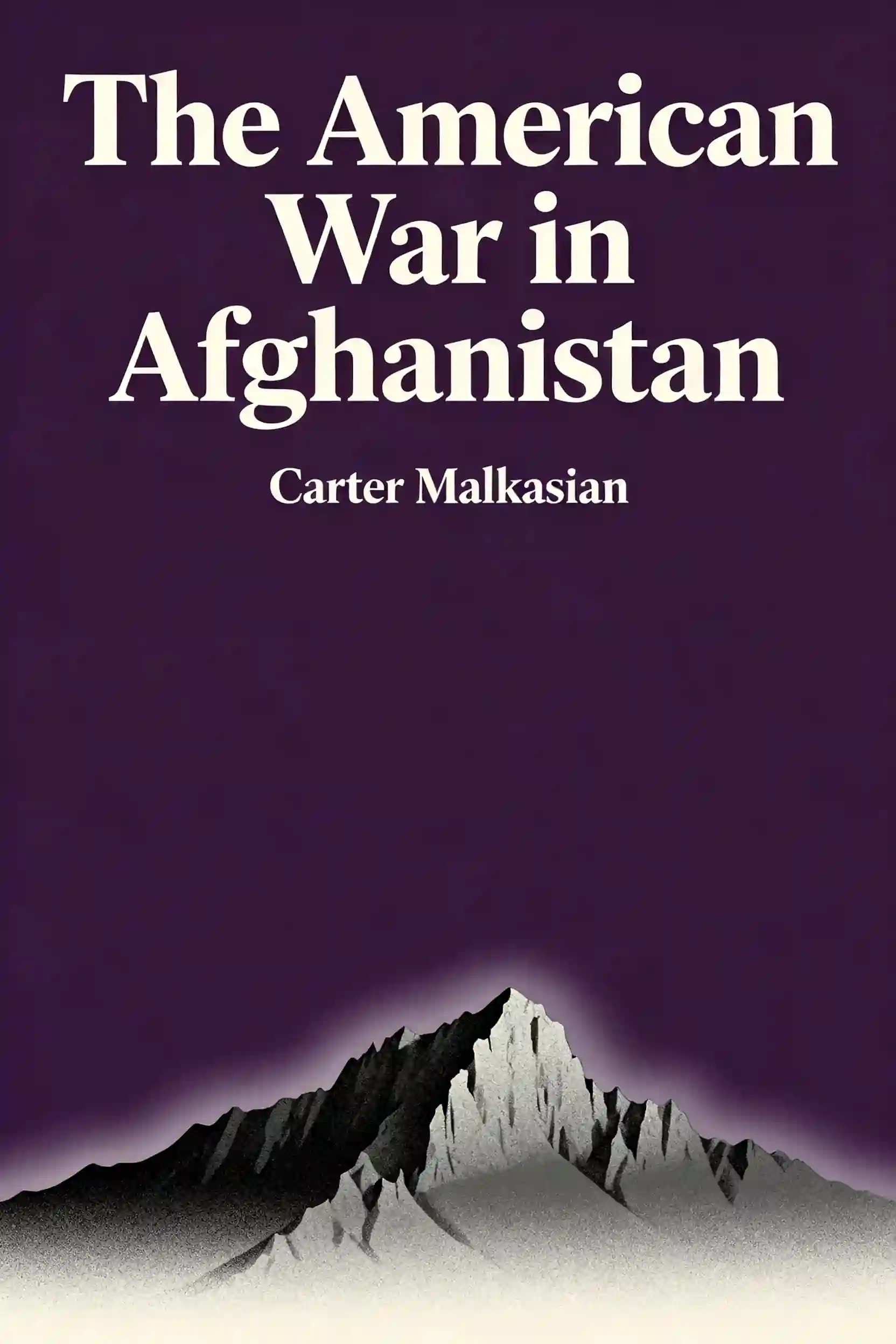
もっと発見

US-Iran Conflict: Past, Present & Future
This plan is essential for anyone seeking to understand the most volatile relationship in modern geopolitics. It is ideal for students of international relations, policy professionals, or curious citizens wanting to look beyond the headlines at the roots of Middle Eastern conflict.

Politics
This plan provides a comprehensive overview of the forces that drive global and domestic stability. It is ideal for students, aspiring policymakers, or any citizen looking to understand the mechanics of power and the roots of modern political conflict.
Political Enforcers: Patterns of Fragility
This learning plan is essential for understanding the mechanics of power and the vulnerabilities of modern governance. It is designed for political science students, security analysts, and policy makers seeking to navigate the complexities of authoritarianism and state collapse.

Learn about John Kiriakou
This plan provides a deep dive into the intersection of national security, ethics, and personal sacrifice. It is essential for students of political science, human rights advocates, or anyone interested in the real-world consequences of government whistleblowing.

Abdulahi: US Army in Afghanistan & Iraq
This learning plan offers a comprehensive look at modern warfare through the lens of the US Army's experiences in the Middle East. It is essential for military historians, aspiring defense professionals, and anyone seeking to understand the profound human and strategic complexities of 21st-century combat.

Study John Kiriakou & CIA Operator Tactics
This plan offers a rare look into the high-stakes world of intelligence, bridging the gap between operational mastery and ethical integrity. It is essential for students of geopolitical history, aspiring intelligence analysts, or anyone interested in the moral dilemmas faced by those operating in the shadows.
Know more about international affairs
In an increasingly interconnected world, understanding the forces that drive global stability and conflict is essential for informed citizenship. This plan is ideal for professionals, students, or curious minds looking to master the intersection of geopolitics, economics, and future trends.

The Blueprint of Imperial Collapse
This learning plan is essential for strategic thinkers, historians, and policy analysts seeking to understand the mechanics of state failure. It provides a rigorous framework for identifying systemic rot and adapting to the technological disruptions that redefine global power.
"Instead of endless scrolling, I just hit play on BeFreed. It saves me so much time."


"I never knew where to start with nonfiction—BeFreed’s book lists turned into podcasts gave me a clear path."


"Perfect balance between learning and entertainment. Finished ‘Thinking, Fast and Slow’ on my commute this week."
"Crazy how much I learned while walking the dog. BeFreed = small habits → big gains."
"Reading used to feel like a chore. Now it’s just part of my lifestyle."

"Feels effortless compared to reading. I’ve finished 6 books this month already."
"BeFreed turned my guilty doomscrolling into something that feels productive and inspiring."

"BeFreed turned my commute into learning time. 20-min podcasts are perfect for finishing books I never had time for."
"BeFreed replaced my podcast queue. Imagine Spotify for books — that’s it. 🙌"

"It is great for me to learn something from the book without reading it."
"The themed book list podcasts help me connect ideas across authors—like a guided audio journey."
"Makes me feel smarter every time before going to work"
"Instead of endless scrolling, I just hit play on BeFreed. It saves me so much time."
"I never knew where to start with nonfiction—BeFreed’s book lists turned into podcasts gave me a clear path."
"Perfect balance between learning and entertainment. Finished ‘Thinking, Fast and Slow’ on my commute this week."
"Crazy how much I learned while walking the dog. BeFreed = small habits → big gains."
"Reading used to feel like a chore. Now it’s just part of my lifestyle."
"Feels effortless compared to reading. I’ve finished 6 books this month already."
"BeFreed turned my guilty doomscrolling into something that feels productive and inspiring."
"BeFreed turned my commute into learning time. 20-min podcasts are perfect for finishing books I never had time for."
"BeFreed replaced my podcast queue. Imagine Spotify for books — that’s it. 🙌"
"It is great for me to learn something from the book without reading it."
"The themed book list podcasts help me connect ideas across authors—like a guided audio journey."
"Makes me feel smarter every time before going to work"
"Instead of endless scrolling, I just hit play on BeFreed. It saves me so much time."
"I never knew where to start with nonfiction—BeFreed’s book lists turned into podcasts gave me a clear path."
"Perfect balance between learning and entertainment. Finished ‘Thinking, Fast and Slow’ on my commute this week."
"Crazy how much I learned while walking the dog. BeFreed = small habits → big gains."
"Reading used to feel like a chore. Now it’s just part of my lifestyle."
"Feels effortless compared to reading. I’ve finished 6 books this month already."
"BeFreed turned my guilty doomscrolling into something that feels productive and inspiring."
"BeFreed turned my commute into learning time. 20-min podcasts are perfect for finishing books I never had time for."
"BeFreed replaced my podcast queue. Imagine Spotify for books — that’s it. 🙌"
"It is great for me to learn something from the book without reading it."
"The themed book list podcasts help me connect ideas across authors—like a guided audio journey."
"Makes me feel smarter every time before going to work"
"Instead of endless scrolling, I just hit play on BeFreed. It saves me so much time."
"I never knew where to start with nonfiction—BeFreed’s book lists turned into podcasts gave me a clear path."
"Perfect balance between learning and entertainment. Finished ‘Thinking, Fast and Slow’ on my commute this week."
"Crazy how much I learned while walking the dog. BeFreed = small habits → big gains."
"Reading used to feel like a chore. Now it’s just part of my lifestyle."
"Feels effortless compared to reading. I’ve finished 6 books this month already."
"BeFreed turned my guilty doomscrolling into something that feels productive and inspiring."
"BeFreed turned my commute into learning time. 20-min podcasts are perfect for finishing books I never had time for."
"BeFreed replaced my podcast queue. Imagine Spotify for books — that’s it. 🙌"
"It is great for me to learn something from the book without reading it."
"The themed book list podcasts help me connect ideas across authors—like a guided audio journey."
"Makes me feel smarter every time before going to work"


