How to be a better girlfriend using small habits
Relationships don't just happen; they take practice. Learn how giving space and using soft start-ups can turn everyday tension into a deeper bond.

How to be a better girlfriend using small habitsのベスト引用
Winning an argument often means losing the connection. Being a better partner isn't about the absence of conflict, but the presence of repair—signaling that your relationship is more important than the disagreement.
Generated by Melanie
I want to learn how to be a better girlfriend

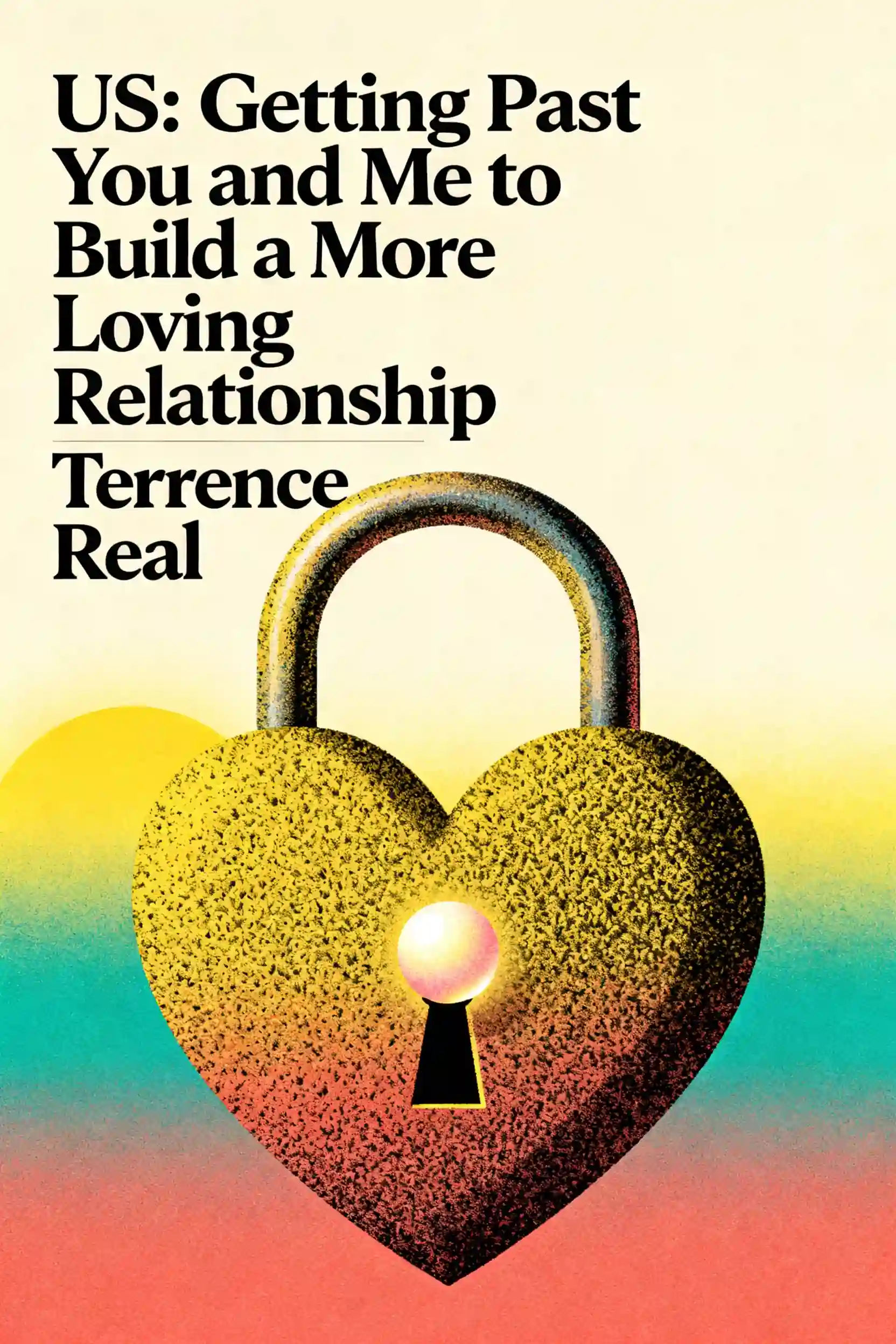
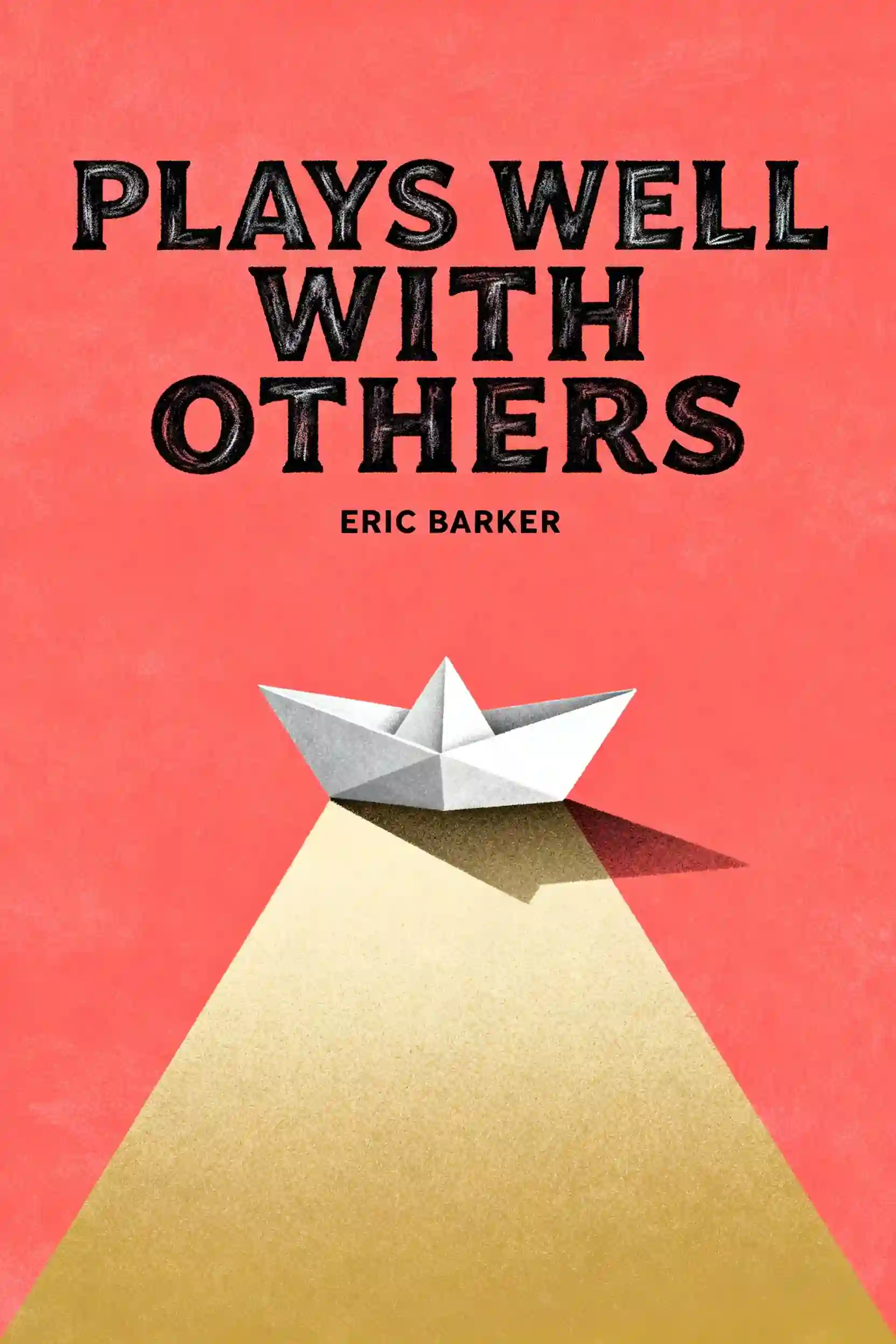
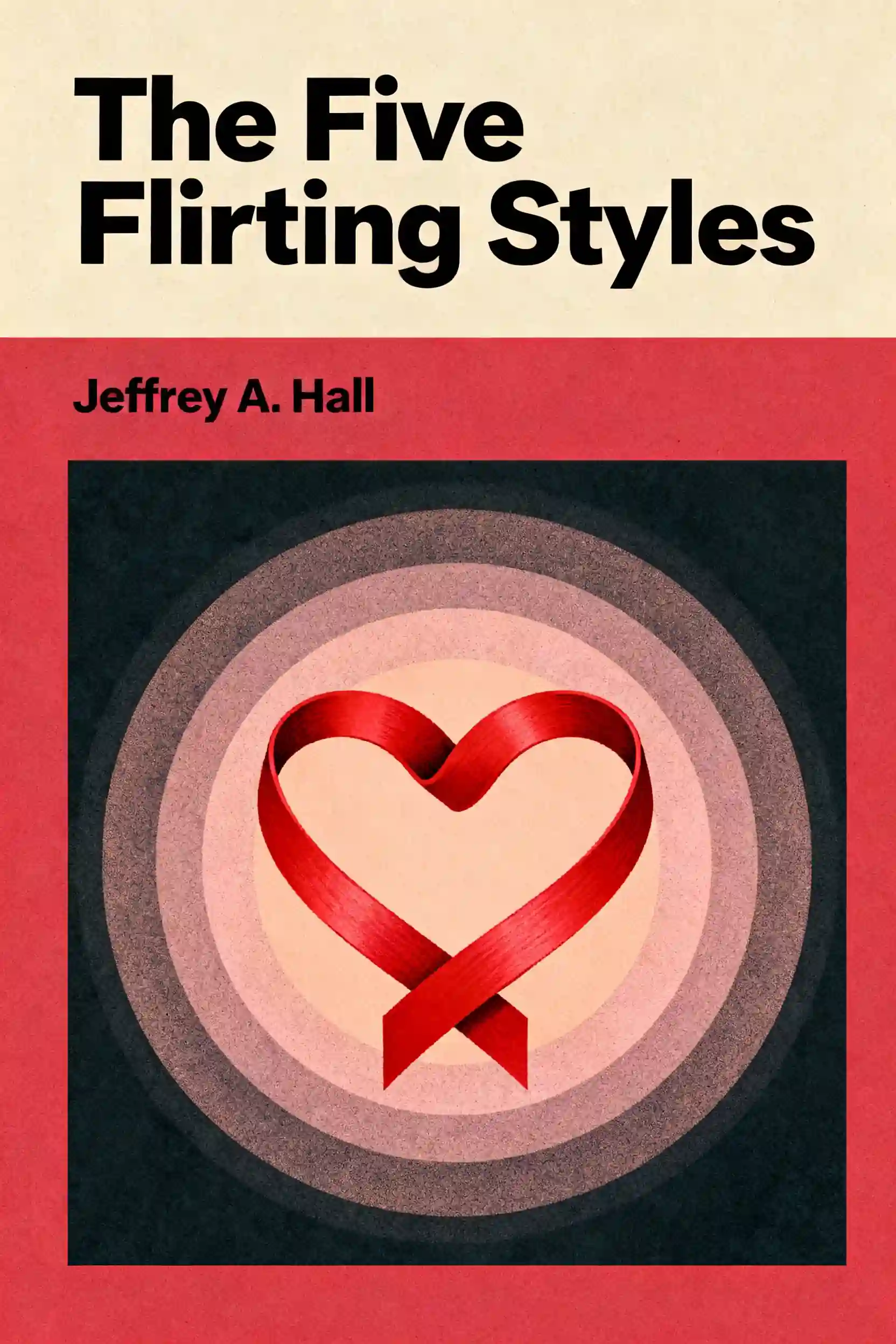
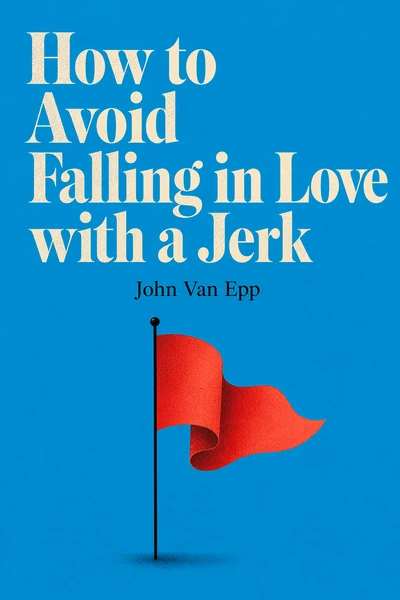
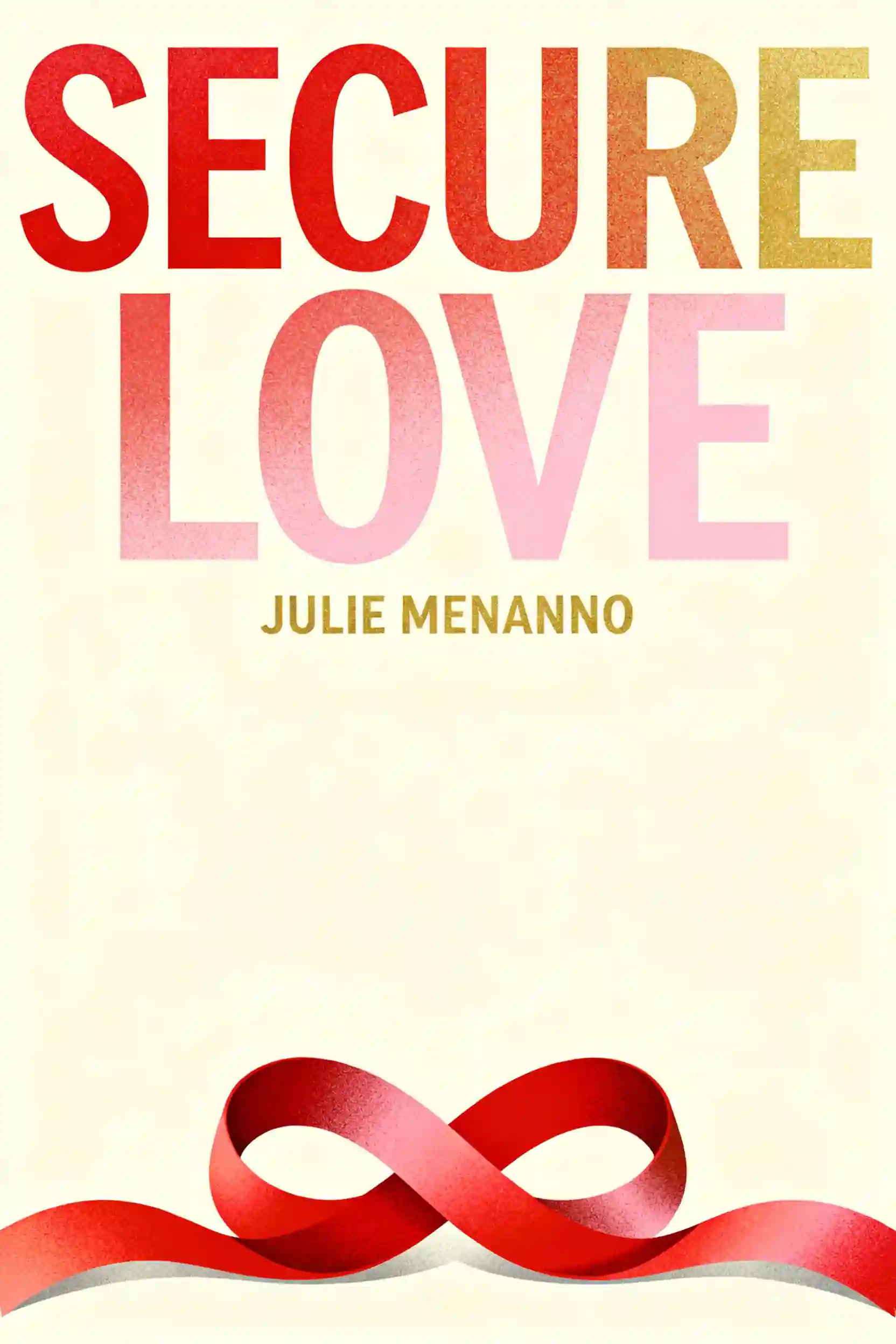
よくある質問
The Four Horsemen are specific communication patterns—Criticism, Contempt, Defensiveness, and Stonewalling—that Dr. John Gottman identified as major predictors of relationship failure. Criticism involves attacking a partner's character rather than a specific behavior, while contempt is the most damaging, involving sarcasm or eye-rolling that signals a sense of superiority. Defensiveness shifts blame to avoid responsibility, and stonewalling occurs when a partner mentally or physically withdraws from a conversation. Recognizing these behaviors is the first step toward replacing them with healthier interactions, such as gentle start-ups and a culture of appreciation.
An I-Statement is a four-part communication template designed to express feelings without making a partner feel attacked. The framework follows this structure: "I feel [emotion] when [specific situation] because [underlying need], and I would like [concrete request]." By focusing on your own internal experience and providing a clear, actionable "mission" for your partner to complete, you reduce the likelihood of defensiveness. This method moves away from vague complaints and instead gives your partner a manual on how to successfully make you happy.
When a partner experiences "physiological flooding," their heart rate exceeds 100 beats per minute, triggering a fight-or-flight response that makes productive conversation neurologically impossible. The script recommends a structured 20-minute break to allow the nervous system to calm down. During this time, it is essential to engage in a distracting activity, like reading or walking, rather than rehearsing the argument in your head. Once both partners have de-escalated, they can return to the discussion with a "repair attempt" to reconnect.
Research indicates that making a partner feel special and appreciated is one of the strongest predictors of a happy couple. For men specifically, hearing that they are valued and special is a primary driver of relationship quality, while women often benefit from "receptive listening" where the partner hears them without trying to fix the problem. Actively scanning for things your partner is doing right—and expressing specific appreciation for them—builds an "Emotional Bank Account" that helps the relationship survive future conflicts.
Yes, the script explains that while attachment styles (like anxious or avoidant) are often formed in childhood, they are not a life sentence. Through a process called "earned security," individuals can develop a secure attachment style by creating new, positive experiences and an environment of emotional safety. By identifying personal patterns, such as the "protest-despair-detachment" cycle, and choosing to stop micromanaging the relationship, partners can transform their bond into a "secure base" that fosters mutual growth.
コロンビア大学卒業生がサンフランシスコで開発
"Instead of endless scrolling, I just hit play on BeFreed. It saves me so much time."


"I never knew where to start with nonfiction—BeFreed’s book lists turned into podcasts gave me a clear path."


"Perfect balance between learning and entertainment. Finished ‘Thinking, Fast and Slow’ on my commute this week."
"Crazy how much I learned while walking the dog. BeFreed = small habits → big gains."
"Reading used to feel like a chore. Now it’s just part of my lifestyle."

"Feels effortless compared to reading. I’ve finished 6 books this month already."
"BeFreed turned my guilty doomscrolling into something that feels productive and inspiring."

"BeFreed turned my commute into learning time. 20-min podcasts are perfect for finishing books I never had time for."
"BeFreed replaced my podcast queue. Imagine Spotify for books — that’s it. 🙌"

"It is great for me to learn something from the book without reading it."
"The themed book list podcasts help me connect ideas across authors—like a guided audio journey."
"Makes me feel smarter every time before going to work"
 Ask ChatGPT
 Ask Claude
コロンビア大学卒業生がサンフランシスコで開発
"Instead of endless scrolling, I just hit play on BeFreed. It saves me so much time."
"I never knew where to start with nonfiction—BeFreed’s book lists turned into podcasts gave me a clear path."
"Perfect balance between learning and entertainment. Finished ‘Thinking, Fast and Slow’ on my commute this week."
"Crazy how much I learned while walking the dog. BeFreed = small habits → big gains."
"Reading used to feel like a chore. Now it’s just part of my lifestyle."
"Feels effortless compared to reading. I’ve finished 6 books this month already."
"BeFreed turned my guilty doomscrolling into something that feels productive and inspiring."
"BeFreed turned my commute into learning time. 20-min podcasts are perfect for finishing books I never had time for."
"BeFreed replaced my podcast queue. Imagine Spotify for books — that’s it. 🙌"
"It is great for me to learn something from the book without reading it."
"The themed book list podcasts help me connect ideas across authors—like a guided audio journey."
"Makes me feel smarter every time before going to work"
"Instead of endless scrolling, I just hit play on BeFreed. It saves me so much time."
"I never knew where to start with nonfiction—BeFreed’s book lists turned into podcasts gave me a clear path."
"Perfect balance between learning and entertainment. Finished ‘Thinking, Fast and Slow’ on my commute this week."
"Crazy how much I learned while walking the dog. BeFreed = small habits → big gains."
"Reading used to feel like a chore. Now it’s just part of my lifestyle."
"Feels effortless compared to reading. I’ve finished 6 books this month already."
"BeFreed turned my guilty doomscrolling into something that feels productive and inspiring."
"BeFreed turned my commute into learning time. 20-min podcasts are perfect for finishing books I never had time for."
"BeFreed replaced my podcast queue. Imagine Spotify for books — that’s it. 🙌"
"It is great for me to learn something from the book without reading it."
"The themed book list podcasts help me connect ideas across authors—like a guided audio journey."
"Makes me feel smarter every time before going to work"
"Instead of endless scrolling, I just hit play on BeFreed. It saves me so much time."
"I never knew where to start with nonfiction—BeFreed’s book lists turned into podcasts gave me a clear path."
"Perfect balance between learning and entertainment. Finished ‘Thinking, Fast and Slow’ on my commute this week."
"Crazy how much I learned while walking the dog. BeFreed = small habits → big gains."
"Reading used to feel like a chore. Now it’s just part of my lifestyle."
"Feels effortless compared to reading. I’ve finished 6 books this month already."
"BeFreed turned my guilty doomscrolling into something that feels productive and inspiring."
"BeFreed turned my commute into learning time. 20-min podcasts are perfect for finishing books I never had time for."
"BeFreed replaced my podcast queue. Imagine Spotify for books — that’s it. 🙌"
"It is great for me to learn something from the book without reading it."
"The themed book list podcasts help me connect ideas across authors—like a guided audio journey."
"Makes me feel smarter every time before going to work"