How Seattle Grunge Changed Music Forever
Seattle was an isolated town before its sludgy underground sound went global. Discover how local bands turned a DIY scene into a cultural revolution.

How Seattle Grunge Changed Music Foreverのベスト引用
The Seattle bands weren't trying to be 'global stars' in the beginning; they were just trying to impress their friends. Because they were isolated, they didn't feel the pressure to follow trends and created something authentic to them.

このオーディオレッスンはBeFreedコミュニティメンバーが作成しました
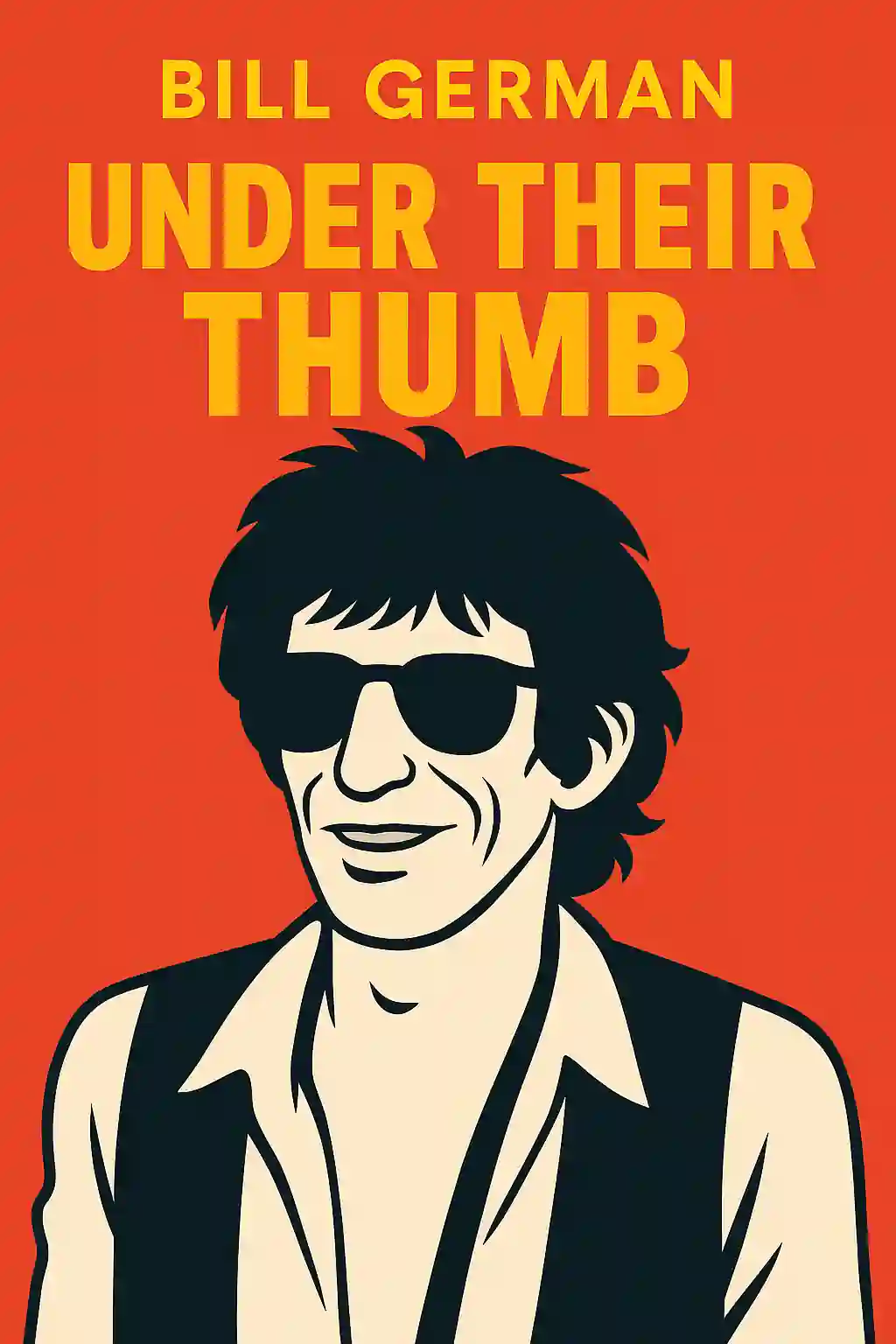
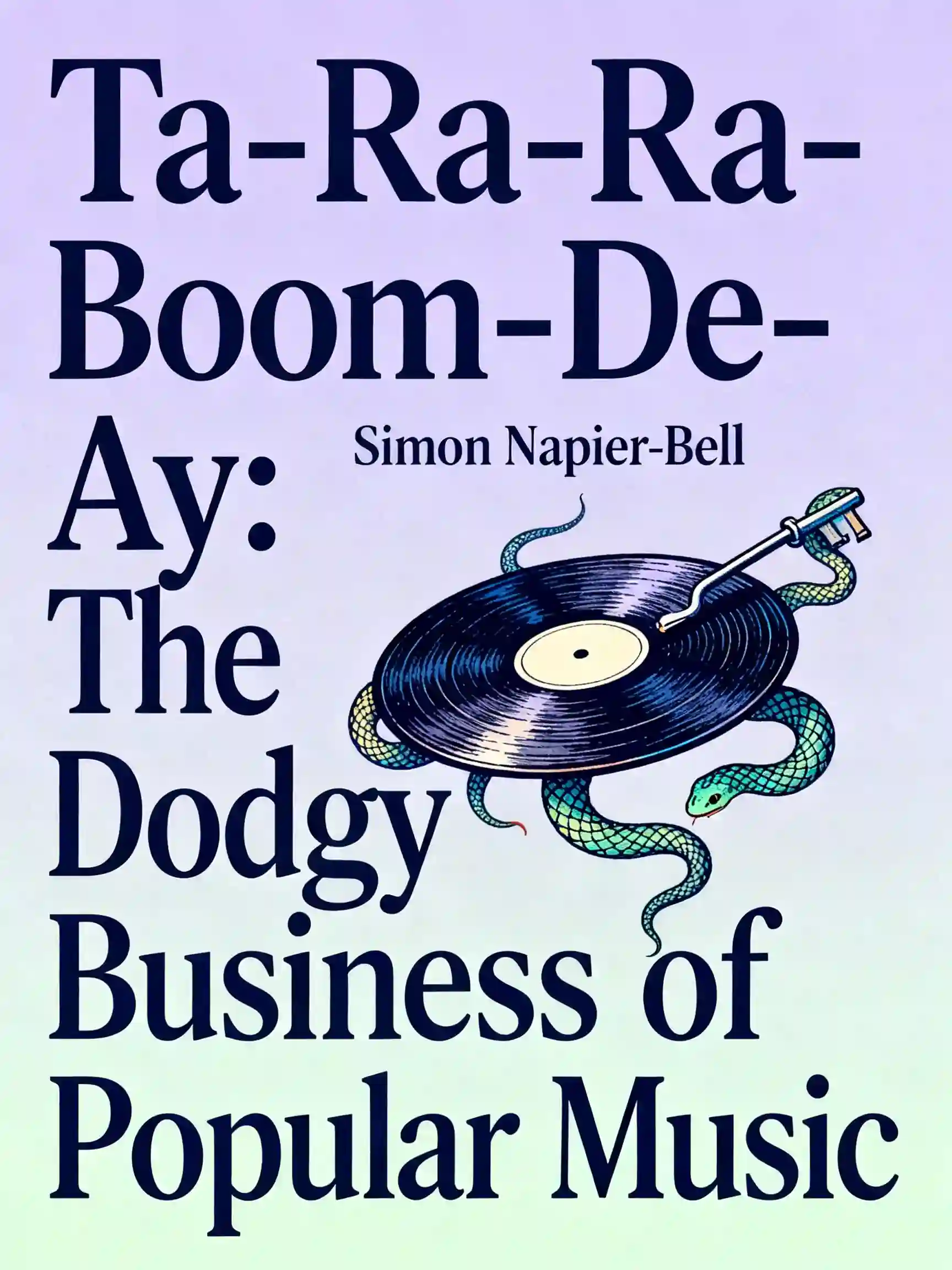
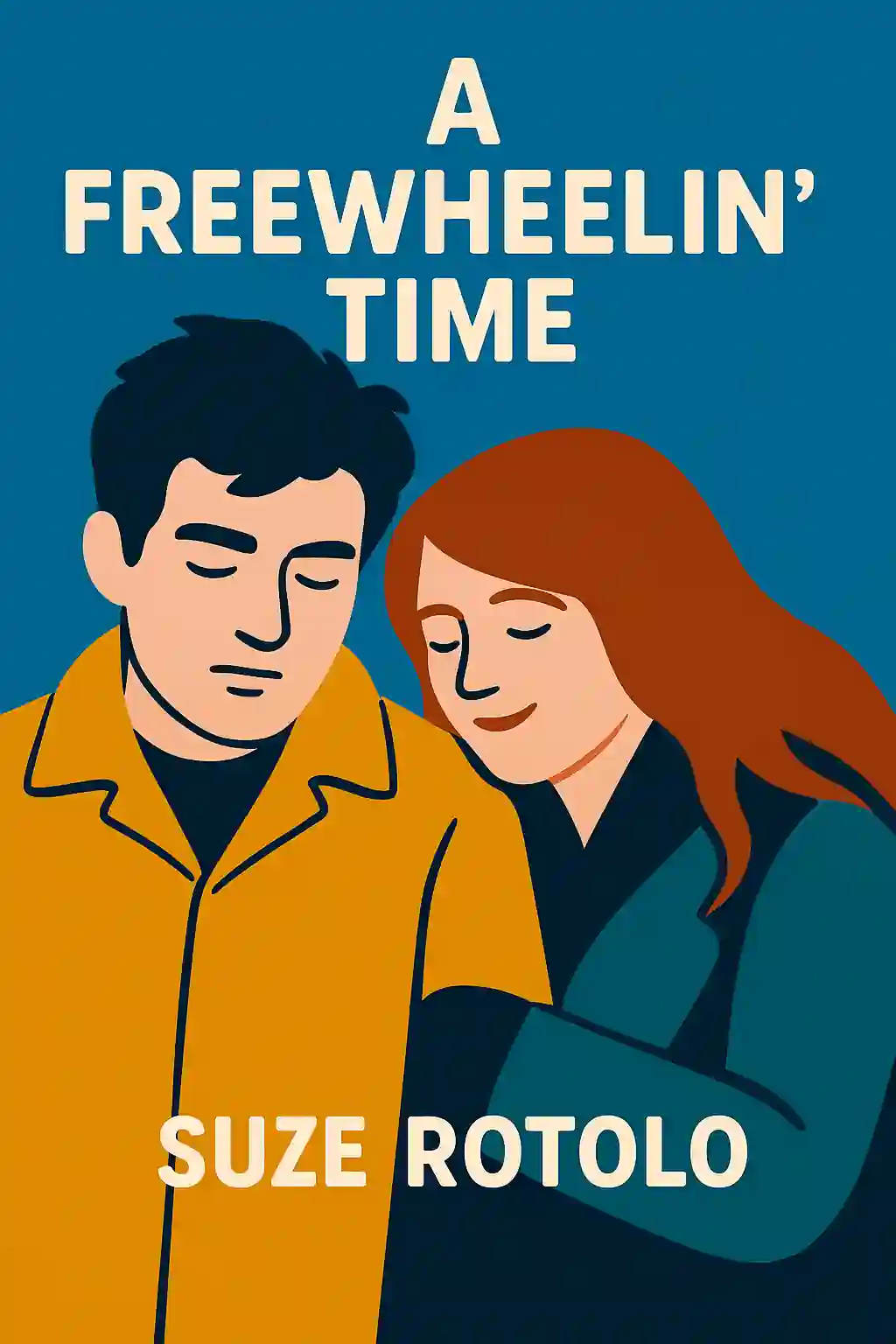
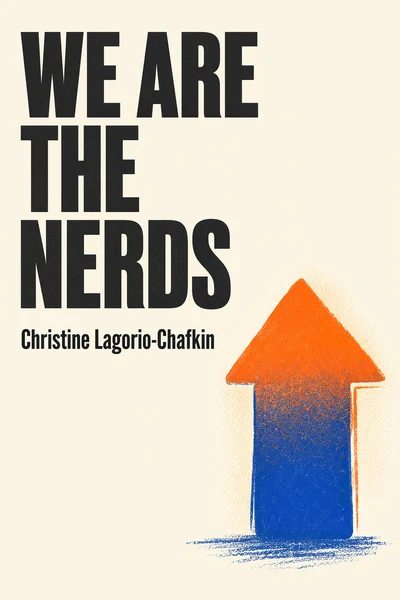
History and evolution of the grunge movement from the very beginning. Key people.

よくある質問
The University of Washington served as a "creative petri dish" where the chemical reactions of the movement began. Many foundational figures were students there, such as Mark Arm of Mudhoney, who was an English major at the university. The U-District neighborhood provided a hub for "aspirational collegians" and artists to mix in cheap shared housing, while campus venues like the HUB Ballroom hosted legendary, albeit destructive, early performances by bands like Nirvana.
The iconic look associated with the 1990s—including flannel shirts, secondhand clothes, and unkempt hair—was not originally intended as a fashion statement. It was a byproduct of the musicians being "dirt poor" and shopping at thrift stores out of necessity. This unpolished appearance eventually became a badge of honor and a deliberate rejection of the "glam metal" aesthetic of the 1980s, which favored hairspray and flashy costumes.
Sub Pop used a brilliant marketing masterstroke by intentionally limiting the supply of their releases to create high demand. For example, when they released Mudhoney’s "Touch Me I'm Sick" in 1988, they only pressed 800 copies, which caused fans to scramble to find them. They also created the "Sub Pop Singles Club," a subscription-only series of limited-edition records that helped build a loyal cult following and a sense of exclusive community around the label.
While the bands were often male-dominated, women held pivotal roles in managing and sustaining the scene. Susan Silver was a pioneering manager who handled the careers of Soundgarden, Alice in Chains, and Screaming Trees simultaneously. Megan Jasper started as a receptionist at Sub Pop and eventually became its co-president, famously pranking the mainstream media with fake "grunge slang." Additionally, artists like Tina Bell of the band Bam Bam were essential early influences on the heavy Seattle sound.
The "Grunge Circuit" is a collection of physical locations in Seattle that hold historical significance for the movement. Key stops include the Central Saloon (the "birthplace of grunge"), the OK Hotel where "Smells Like Teen Spirit" was first performed, and the Crocodile Café. It also includes more personal landmarks like the Black Dog Forge rehearsal space, the Coryell Court Apartments featured in the movie Singles, and Viretta Park, which serves as an unofficial memorial near Kurt Cobain's former home.
もっと発見

Counterculture Roots: From Renaissance to Punk
This plan bridges centuries of history to show how rebellion and alternative identities evolve over time. It is ideal for history buffs, subculture enthusiasts, and artists seeking to understand the deep roots of non-conformity.

From Warehouse to Radio
This plan is essential for aspiring producers and music historians looking to bridge the gap between underground origins and commercial success. It provides a technical and cultural roadmap for anyone wanting to master the tools that define today's sonic landscape.

San Francisco history
This learning plan is essential for anyone seeking to understand one of America's most culturally influential cities and how its unique history shaped modern technology, social movements, and urban culture. It's ideal for residents wanting deeper connection to their city, visitors preparing for meaningful exploration, urban planners and historians studying metropolitan development, or anyone interested in how geography, disaster, and innovation intersect to create transformative change.

The Social Life of Sound
This learning plan is essential for understanding how sound shapes human connection and collective identity in a shifting cultural landscape. It is ideal for sociologists, music historians, and cultural critics looking to decode the transition from rigid subcultures to modern consumer-based tribes.

The Sociology of Trends and Subcultures
Understanding how fringe movements transform into mainstream phenomena is essential for marketers, sociologists, and cultural strategists. This plan provides a deep dive into the evolution of social identity and the mechanics of modern cultural influence.

The Industrial Clang and Silent Pauses
This plan is essential for sound artists and experimental musicians seeking to master the boundary between music and noise. It provides a deep dive into the radical techniques and philosophies that shaped the avant-garde landscape of the last century.

The Grit of Change
This plan offers a deep dive into the volatile eras that reshaped the modern world, focusing on the friction between progress and human rights. It is essential for students of history, sociology, or activism who want to understand how collective action drives societal evolution.

Music, AI & Opportunity: The Future (2026-30)
As the music industry undergoes a radical digital transformation, understanding the intersection of AI and creative entrepreneurship is essential for survival. This plan is designed for musicians, tech entrepreneurs, and industry professionals looking to lead the next wave of innovation between 2026 and 2030.
"Instead of endless scrolling, I just hit play on BeFreed. It saves me so much time."


"I never knew where to start with nonfiction—BeFreed’s book lists turned into podcasts gave me a clear path."


"Perfect balance between learning and entertainment. Finished ‘Thinking, Fast and Slow’ on my commute this week."
"Crazy how much I learned while walking the dog. BeFreed = small habits → big gains."
"Reading used to feel like a chore. Now it’s just part of my lifestyle."

"Feels effortless compared to reading. I’ve finished 6 books this month already."
"BeFreed turned my guilty doomscrolling into something that feels productive and inspiring."

"BeFreed turned my commute into learning time. 20-min podcasts are perfect for finishing books I never had time for."
"BeFreed replaced my podcast queue. Imagine Spotify for books — that’s it. 🙌"

"It is great for me to learn something from the book without reading it."
"The themed book list podcasts help me connect ideas across authors—like a guided audio journey."
"Makes me feel smarter every time before going to work"
"Instead of endless scrolling, I just hit play on BeFreed. It saves me so much time."
"I never knew where to start with nonfiction—BeFreed’s book lists turned into podcasts gave me a clear path."
"Perfect balance between learning and entertainment. Finished ‘Thinking, Fast and Slow’ on my commute this week."
"Crazy how much I learned while walking the dog. BeFreed = small habits → big gains."
"Reading used to feel like a chore. Now it’s just part of my lifestyle."
"Feels effortless compared to reading. I’ve finished 6 books this month already."
"BeFreed turned my guilty doomscrolling into something that feels productive and inspiring."
"BeFreed turned my commute into learning time. 20-min podcasts are perfect for finishing books I never had time for."
"BeFreed replaced my podcast queue. Imagine Spotify for books — that’s it. 🙌"
"It is great for me to learn something from the book without reading it."
"The themed book list podcasts help me connect ideas across authors—like a guided audio journey."
"Makes me feel smarter every time before going to work"
"Instead of endless scrolling, I just hit play on BeFreed. It saves me so much time."
"I never knew where to start with nonfiction—BeFreed’s book lists turned into podcasts gave me a clear path."
"Perfect balance between learning and entertainment. Finished ‘Thinking, Fast and Slow’ on my commute this week."
"Crazy how much I learned while walking the dog. BeFreed = small habits → big gains."
"Reading used to feel like a chore. Now it’s just part of my lifestyle."
"Feels effortless compared to reading. I’ve finished 6 books this month already."
"BeFreed turned my guilty doomscrolling into something that feels productive and inspiring."
"BeFreed turned my commute into learning time. 20-min podcasts are perfect for finishing books I never had time for."
"BeFreed replaced my podcast queue. Imagine Spotify for books — that’s it. 🙌"
"It is great for me to learn something from the book without reading it."
"The themed book list podcasts help me connect ideas across authors—like a guided audio journey."
"Makes me feel smarter every time before going to work"
"Instead of endless scrolling, I just hit play on BeFreed. It saves me so much time."
"I never knew where to start with nonfiction—BeFreed’s book lists turned into podcasts gave me a clear path."
"Perfect balance between learning and entertainment. Finished ‘Thinking, Fast and Slow’ on my commute this week."
"Crazy how much I learned while walking the dog. BeFreed = small habits → big gains."
"Reading used to feel like a chore. Now it’s just part of my lifestyle."
"Feels effortless compared to reading. I’ve finished 6 books this month already."
"BeFreed turned my guilty doomscrolling into something that feels productive and inspiring."
"BeFreed turned my commute into learning time. 20-min podcasts are perfect for finishing books I never had time for."
"BeFreed replaced my podcast queue. Imagine Spotify for books — that’s it. 🙌"
"It is great for me to learn something from the book without reading it."
"The themed book list podcasts help me connect ideas across authors—like a guided audio journey."
"Makes me feel smarter every time before going to work"